

FEDERAL COURT OF AUSTRALIA
Australian Competition and Consumer Commission v JustAnswer LLC [2026] FCA 871
File number: | VID 1259 of 2025 |
Judgment of: | SNADEN J |
Date of judgment: | 8 July 2026 |
Catchwords: | CONSUMER LAW – admitted contraventions of Australian Consumer Law – orders as to relief jointly proposed by parties – appropriateness of declaratory relief – declaratory relief declined – factors bearing upon setting of penalty – penalty imposed – appropriateness of injunction and orders for redress, non-punitive relief and costs – orders made – appropriateness of suppression orders in respect of redress scheme “scripts” and commercially sensitive information – suppression granted |
Legislation: | Competition and Consumer Act 2010 (Cth) sch 2, ss 18, 29, 34, 224, 232, 239, 246 Federal Court of Australia Act 1976 (Cth) ss 21, 37AA, 37AE, 37AF, 37AG |
Cases cited: | Australian Building and Construction Commissioner v Construction, Forestry, Mining and Energy Union (2017) 254 FCR 68 Australian Competition and Consumer Commission v Airbnb Ireland UC (2023) 170 ACSR 608 Australian Competition and Consumer Commission v ABG Pages Pty Ltd [2018] FCA 764 Australian Competition and Consumer Commission v Bupa HI Pty Ltd [2025] FCA 1564 Australian Competition and Consumer Commission v Francis (2004) 142 FCR 1 Australian Competition and Consumer Commission v MSY Technology Pty Ltd (2012) 201 FCR 378 Australian Competition and Consumer Commission v Optus Mobile Pty Limited [2025] FCA 1177 Australian Competition and Consumer Commission v The Good Guys Discount Warehouses (Australia) Pty Ltd [2025] FCA 1085 Australian Competition and Consumer Commission v Valve Corporation (No 5) [2016] FCA 741 Australian Securities and Investments Commission v eToro AUS Capital Limited [2025] FCA 100 C7A/2017 v Minister for Immigration and Border Protection (No 2) [2020] FCAFC 70 Country Care Group Pty Ltd v Director of Public Prosecutions (Cth) (No 2) (2020) 275 FCR 377 Porter v Australian Broadcasting Corporation [2021] FCA 863 Warramunda Village Inc v Pryde (2001) 105 FCR 437 |
Division: | General Division |
Registry: | Victoria |
National Practice Area: | Commercial and Corporations |
Sub-area: | Regulator and Consumer Protection |
Number of paragraphs: | 60 |
Date of hearing: | 23 June 2026 |
Counsel for the Applicant: | Ms K A Brazenor with Mr L Chircop |
Solicitor for the Applicant: | Norton Rose Fulbright Australia |
Counsel for the Respondent: | Mr B Lim SC with Ms N Oreb |
Solicitor for the Respondent: | Quinn Emanuel Urquhart & Sullivan |
ORDERS
VID 1259 of 2025 | ||
| ||
BETWEEN: | AUSTRALIAN COMPETITION AND CONSUMER COMMISSION Applicant | |
AND: | JUSTANSWER LLC Respondent | |
order made by: | SNADEN J |
DATE OF ORDER: | 8 july 2026 |
PENAL NOTICE – Rule 41.06 of the Federal Court Rules 2011 (Cth) TO: JUSTANSWER LLC IF YOU (BEING THE PERSONS BOUND BY THIS ORDER): (A) REFUSE OR NEGLECT TO DO ANY ACT WITHIN THE TIME SPECIFIED IN THIS ORDER FOR THE DOING OF THE ACT; OR (B) DISOBEY THE ORDER BY DOING AN ACT WHICH THE ORDER REQUIRES YOU NOT TO DO, YOU WILL BE LIABLE TO IMPRISONMENT, SEQUESTRATION OF PROPERTY OR OTHER PUNISHMENT. ANY OTHER PERSON WHO KNOWS OF THIS ORDER AND DOES ANYTHING WHICH HELPS OR PERMITS YOU TO BREACH THE TERMS OF THIS ORDER MAY BE SIMILARLY PUNISHED. |
THE COURT ORDERS THAT:
1. Pursuant to s 232(1) of the Australian Consumer Law (or “ACL”, constituted as sch 2 to the Competition and Consumer Act 2010 (Cth)), the respondent, whether by itself, its officers, servants, agents or otherwise, be permanently restrained from representing to consumers located in Australia (“Australian Consumers”) that they can use the respondent’s online question and answer service (the “Service”) for the total price of a one-off nominal joining fee, if use of the Service in fact requires payment of a one-off joining fee plus an ongoing monthly subscription fee.
2. Pursuant to s 232(1) of the ACL, the respondent, whether by itself, its officers, servants, agents or otherwise, be permanently restrained from representing to Australian Consumers that the Service and/or the respondent, is part of, is approved by, or is otherwise affiliated with, the Fair Work Ombudsman, the Office of the Fair Work Ombudsman or an Australian Ombudsman, if that is not the case.
3. Pursuant to s 224(1) of the ACL, the respondent pay to the Commonwealth of Australia, within 30 days of the date of these orders, a pecuniary penalty in the amount of AU$10,000,000.00 in respect of the contraventions of ss 29(1)(g), 29(1)(h), 29(1)(i) and 34 of the ACL that are described in the attached reasons for judgment.
4. Pursuant to s 239 of the ACL, the respondent implement a scheme for providing redress to non-party Australian Consumers who have suffered loss or damage caused by the respondent’s contraventions of s 29(1)(i) of the ACL, such scheme to assume the form agreed in annexure A to these orders.
5. Pursuant to s 246(2)(d) of the ACL, the respondent, for a period of 90 days commencing 10 days after the date of these orders and at its own expense, publish, or cause to be published, a corrective notice, in the form agreed in annexure B to these orders, which complies with the following specifications, namely that:
(a) the corrective notice is viewable, to Australian Consumers, by clicking on a hyperlink contained in a banner on the homepage and landing pages of the respondent’s website (www.justanswer.com);
(b) the hyperlink contained in a banner, as referred to in the previous sub-paragraph, is immediately viewable to Australian Consumers on each page of the website on which it appears and is not obscured, blocked or interfered with by any operation of the website;
(c) the hyperlink:
(i) contains the words “Misrepresentations by JustAnswer LLC – corrective notice ordered by the Federal Court of Australia” in 16-point, bold, black, Arial font on a white background, centred and in a red bordered box; and
(ii) the bordered box and its contents are to operate in the form of a one-click hyperlink to the corrective notice; and
(d) the corrective notice must be able to be indexed by a search engine.
6. Pursuant to s 246 of the ACL, the respondent, at its own expense:
(a) establish and implement an ACL compliance program that meets the requirements set out in annexure C to these orders; and
(b) maintain the ACL compliance program referred to in order 6(a) for 3 years from the date on which it is established.
7. The respondent serve on the applicant:
(a) an affidavit or affidavits verifying that it has carried out its obligations under orders 4, 5 and 6(a) above, to be served within 100 days of the date of these orders; and
(b) an affidavit verifying that it has carried out its obligations under order 6(b) above, to be served within 3 years and 10 days of the date of these orders.
8. Pursuant to s 43 of the Federal Court of Australia Act 1976 (Cth), within 30 days of the date of these orders, the respondent pay AU$100,000.00 as a contribution to the applicant’s costs of, and incidental to, this proceeding.
9. Until further order or final completion of the scheme for providing redress to non-party Australian Consumers referred to at order 4 above (whichever comes first), and pursuant to s 37AF(1) of the Federal Court of Australia Act 1976 (Cth), on the ground that it is necessary to prevent prejudice to the proper administration of justice, any disclosure (by publication or otherwise) of the redacted portions of annexure A to these orders (being those parts thereof that are marked “[CONFIDENTIAL]” and appear in shaded text) is prohibited, save for disclosure to:
(a) the court;
(b) the applicant, and its legal representatives and staff, and any person performing services for the applicant, in the course of their duties;
(c) the respondent, and its legal representatives and staff, and any person performing services for the respondent, in the course of their duties;
(d) each Australian Consumer who visits the Portal described in section 3 of annexure A to register to receive redress pursuant to the redress scheme (in respect of the content of the Web Form applicable to that Australian Consumer set out in section 4 of annexure A); and
(e) each Australian Consumer who receives a communication described in section 10 of annexure A (in respect of that communication).
10. Pursuant to s 37AF(1)(b)(iv) of the Federal Court of Australia Act 1976 (Cth), until further order or 23 June 2031 – whichever occurs first – the dollar amounts shown in the tables appearing at paragraphs 78 and 79 of the statement of agreed facts and admissions filed on 9 June 2026 and in the tables appearing at paragraphs 81 and 82 of the joint submissions filed on 9 June 2026 are to be kept confidential and not published or otherwise disclosed to any person other than the applicant, the legal representatives retained by the applicant (including the applicant’s solicitors and barristers and any support staff of those solicitors and barristers) and the court (and any court staff or any other person assisting the court), on the grounds that this order is necessary to prevent prejudice to the proper administration of justice under s 37AG(1)(a) of the Act.
Note: Entry of orders is dealt with in Rule 39.32 of the Federal Court Rules 2011.
Annexure A – Redress for Non-Party Consumers
This Annexure details the requirements relevant to the provision of redress by the respondent, JustAnswer LLC (JustAnswer), to non-party Australian consumers, including identifying the cohorts of Australian consumers eligible for redress and the modes of payment for redress (Remediation Program).
1. Cohorts of Australian consumers eligible for redress
Cohort A1 Consumers
a) Consumers in Australia who:
i. signed up for a JustAnswer subscription or membership between 1 November 2022 and 22 August 2025;
ii. made a complaint or raised a query with JustAnswer (including a request for a refund) between 1 November 2022 and the date of these orders which was assigned at least one of the ‘tags’ or ‘intents’ identified in section 2A of this Annexure by JustAnswer’s customer care team (these being the ‘tags’ and ‘intents’ assigned to communications with Australian customers, most of which concern the matters the subject of the contraventions of section 29(1)(i) of the Australian Consumer Law (ACL), contained in Schedule 2 to the Competition and Consumer Act 2010 (Cth)); and
iii. have not already been fully refunded all monthly subscription or membership fees which they paid to JustAnswer.
Cohort A2 Consumers
b) Consumers in Australia who:
i. signed up for a JustAnswer subscription or membership between 1 November 2022 and 22 August 2025;
ii. made a complaint or raised a query with JustAnswer (including a request for a refund) between 1 November 2022 and the date of these orders which was assigned at least one of the ‘tags’ or ‘intents’ identified in section 2B of this Annexure (but none of the ‘tags’ or ‘intents’ identified in section 2A of this Annexure) by JustAnswer’s customer care team (these being the ‘tags’ and ‘intents’ assigned to communications with Australian customers, some of which concern the matters the subject of the contraventions of section 29(1)(i) of the ACL); and
iii. have not already been fully refunded all monthly subscription or membership fees which they paid to JustAnswer.
Cohort B Consumers
c) Consumers in Australia (not already captured by either Cohort A1 or Cohort A2) who:
i. signed up for a JustAnswer subscription or membership between 1 November 2022 and 22 August 2025;
ii. made a complaint to the ACCC between 1 November 2022 and the date of these orders concerning the matters the subject of the contraventions of section 29(1)(i) of the ACL; and
iii. have not already been fully refunded all monthly subscription or membership fees which they paid to JustAnswer.
Cohort C Consumers
d) Consumers in Australia (not already captured by Cohort A1, Cohort A2 or Cohort B) who:
i. signed up for a JustAnswer subscription or membership between 1 November 2022 and 22 August 2025;
ii. submit a valid claim for redress via the web form on the online portal created in accordance with sections 3 and 4 of this Annexure between the date of these orders and the date which is three months after the date that the corrective notice referred to at order 5 of these orders is first published in accordance with the requirements at order 5 of these orders; and
iii. have not already been fully refunded all monthly subscription or membership fees which they paid to JustAnswer.
2. ‘Tags’ and ‘Intents’
A. Cohort A1 ‘Tags’ and ‘Intents’
‘Tags’
a) “aware mbr_unsure cost”
b) “cost_clarification”
c) “unaware_mbr”
d) “MBR_awareness”
e) “Unaware_MBR_recurring”
f) “Unsure_cost”
g) “One_Q”
‘Intents’
a) “POMA_CANCELLATION_MEMBERSHIP_CONFUSION”
b) “POMA_MEMBERSHIP_CONFUSION_ELSE”
c) “POMA_CANCELLATION_MEMBERSHIP_CONFUSION_ON_TRIAL”
d) “POMA_CANCELLATION_MEMBERSHIP_CONFUSION_PAST_TRIAL”
e) “POMA_CANCELLATION_MEMBERSHIP_CONFUSION_ELSE”
f) “POMA_CANCELLATION_PAYMENT_CONFUSION”
g) “POMA_CANCELLATION_PAYMENT_CONFUSION_NO_TRIAL”
h) “POMA_CANCELLATION_PAYMENT_CONFUSION_PAST_TRIAL”
i) “POMA_REFUND_MEMBERSHIP_CONFUSION”
j) “POMA_REFUND_MEMBERSHIP_CONFUSION_ON_TRIAL”
k) “CHANGE_YOUR_MIND_CONFUSE_ON_TRIAL”
l) “CUSTOMER_SUPPORT_CONFUSION_ON_TRIAL”
m) “POMA_REFUND_MEMBERSHIP_CONFUSION_PAST_TRIAL_SCAM”
n) “POMA_REFUND_MEMBERSHIP_CONFUSION_PAST_TRIAL”
o) “POMA_REFUND_MEMBERSHIP_CONFUSION_NO_TRIAL_SCAM”
p) “CHANGE_YOUR_MIND_CONFUSION_NO_TRIAL_SCAM”
q) “CUSTOMER_SUPPORT_CONFUSION_NO_TRIAL_SCAM”
r) “POMA_REFUND_MEMBERSHIP_CONFUSION_NO_TRIAL”
s) “CUSTOMER_SUPPORT_CONFUSION_NO_TRIAL”
t) “CHANGE_YOUR_MIND_CONFUSION_NO_TRIAL”
u) “CUSTOMER_SUPPORT_PAYMENT_CONFUSION_SCAM”
v) “POMA_REFUND_PAYMENT_CONFUSION_ON_TRIAL”
w) “CHANGE_YOUR_MIND_PAYMENT_CONFUSION_TRIAL”
x) “CUSTOMER_SUPPORT_PAYMENT_CONFUSION_TRIAL”
y) “POMA_REFUND_PAYMENT_CONFUSION_PAST_TRIAL_SCAM”
z) “POMA_REFUND_PAYMENT_CONFUSION_PAST_TRIAL”
aa) “POMA_REFUND_PAYMENT_CONFUSION_NO_TRIAL_SCAM”
bb) “POMA_REFUND_PAYMENT_CONFUSION_NO_TRIAL”
cc) “POMA_PAYMENT_CONFUSION”
dd) “POMA_PAYMENT_CONFUSION_ON_TRIAL”
ee) “POMA_PAYMENT_CONFUSION_PAST_TRIAL”
ff) “POMA_MEMBERSHIP_CONFUSION”
gg) “POMA_MEMBERSHIP_CONFUSION_ON_TRIAL”
hh) “POMA_MEMBERSHIP_CONFUSION_PAST_TRIAL”
ii) “POMA_MEMBERSHIP_CONFUSION_WHY_EXTRA_CHARGE”
jj) “POMA_REFUND_PAYMENT_CONFUSION”
kk) “POMA_REFUND_PAYMENT_CONFUSION_ON_TRIAL_SCAM”
ll) “CHANGE_YOUR_MIND_PAYMENT_CONFUSION_SCAM”
mm) “POMA_REFUND_MEMBERSHIP_CONFUSION_ELSE”
B. Cohort A2 ‘Tags’ and ‘Intents’
‘Tags’
a) “Doesnt_need_MBR”
b) “CXint_Ref_payment”
c) “CXint_Cancel_ref_payment”
d) “CXint_Cancel_MBR”
e) “unsure_when_charged”
f) “Cost_payments_other”
‘Intents’
a) “POMA_CANCELLATION_CLARIFY”
b) “POMA_CANCELLATION_GET_LIVE_AGENT”
c) “POMA_REFUND_CLARIFY”
d) “POMA_REFUND_GET_LIVE_AGENT”
3. Online portal
a) JustAnswer will engage a third party (Remediation Program Administrator) to administer the Remediation Program and make available, from the date that the corrective notice referred to at order 5 of these orders is first published in accordance with the requirements at order 5 of these orders, at JustAnswer’s expense, a secure online portal to manage eligibility assessment and collection of payment information (if required) for payment of redress (the Portal). The Portal will be available to Australian consumers via a landing page hosted by the Remediation Program Administrator which will be accessible via a link prominently displayed on the homepage of the JustAnswer website displayed to Australian consumers.
b) The Remediation Program Administrator must continue to operate the Portal for a period of six months after the date that the corrective notice referred to at order 5 of these orders is first published in accordance with the requirements at order 5 of these orders.
c) The Remediation Program Administrator will, from the date of these orders and for up to one month after the Portal ceases operating, establish and maintain a dedicated phone number (Remediation Phone Number) and email address (Remediation Email Address) for the purpose of the Remediation Program. The Remediation Phone Number and Remediation Email Address will be monitored between 9.00am and 5.00pm AEST, Monday to Friday (excluding public holidays) by operators who have the knowledge and expertise to assist consumers with enquiries relevant to the Remediation Program.
4. Web Form [CONFIDENTIAL]
[REDACTED] [REDACTED] [REDACTED] [REDACTED] [REDACTED] [REDACTED] [REDACTED] [REDACTED] [REDACTED] [REDACTED] [REDACTED] [REDACTED] [REDACTED] [REDACTED] [REDACTED] [REDACTED] [REDACTED] [REDACTED] [REDACTED] [REDACTED] [REDACTED] [REDACTED] [REDACTED] [REDACTED] [REDACTED] [REDACTED] [REDACTED] [REDACTED] [REDACTED] [REDACTED] [REDACTED] [REDACTED] [REDACTED] [REDACTED] [REDACTED] [REDACTED] [REDACTED] [REDACTED] [REDACTED] [REDACTED] [REDACTED] [REDACTED] [REDACTED] [REDACTED] [REDACTED] [REDACTED] [REDACTED] [REDACTED] [REDACTED] [REDACTED] [REDACTED] [REDACTED] [REDACTED] [REDACTED] [REDACTED] [REDACTED] [REDACTED] [REDACTED] [REDACTED] [REDACTED] [REDACTED] [REDACTED] [REDACTED] [REDACTED] [REDACTED] [REDACTED] [REDACTED] [REDACTED] [REDACTED] [REDACTED] [REDACTED] [REDACTED] [REDACTED] [REDACTED] [REDACTED] [REDACTED] [REDACTED] [REDACTED] [REDACTED] [REDACTED] [REDACTED] [REDACTED] [REDACTED] [REDACTED] [REDACTED] [REDACTED] [REDACTED] [REDACTED] [REDACTED] [REDACTED] [REDACTED] [REDACTED] [REDACTED] [REDACTED] [REDACTED] [REDACTED] [REDACTED] [REDACTED] [REDACTED] [REDACTED] [REDACTED] [REDACTED] [REDACTED] [REDACTED] [REDACTED] [REDACTED] [REDACTED] [REDACTED] [REDACTED] [REDACTED] [REDACTED] [REDACTED] [REDACTED] [REDACTED] [REDACTED] [REDACTED] [REDACTED] [REDACTED] [REDACTED] [REDACTED] [REDACTED] [REDACTED] [REDACTED] [REDACTED] [REDACTED] [REDACTED] [REDACTED] [REDACTED] [REDACTED] [REDACTED] [REDACTED] [REDACTED] [REDACTED] [REDACTED] [REDACTED] [REDACTED] [REDACTED] [REDACTED] [REDACTED] [REDACTED] [REDACTED] [REDACTED] [REDACTED] [REDACTED] [REDACTED] [REDACTED] [REDACTED] [REDACTED] [REDACTED] [REDACTED] [REDACTED] [REDACTED] [REDACTED] [REDACTED] [REDACTED] [REDACTED] [REDACTED] [REDACTED] [REDACTED] [REDACTED] [REDACTED] [REDACTED] [REDACTED] [REDACTED] [REDACTED] [REDACTED] [REDACTED] [REDACTED] [REDACTED] [REDACTED] [REDACTED] [REDACTED] [REDACTED] [REDACTED] [REDACTED] [REDACTED] [REDACTED] [REDACTED] [REDACTED] [REDACTED] [REDACTED] [REDACTED] [REDACTED] [REDACTED] [REDACTED] [REDACTED] [REDACTED] [REDACTED] [REDACTED] [REDACTED] [REDACTED] [REDACTED] [REDACTED] [REDACTED] [REDACTED] [REDACTED] [REDACTED] [REDACTED] [REDACTED] [REDACTED] [REDACTED] [REDACTED] [REDACTED] [REDACTED] [REDACTED] [REDACTED] [REDACTED] [REDACTED] [REDACTED] [REDACTED] [REDACTED] [REDACTED] [REDACTED] [REDACTED] [REDACTED] [REDACTED] [REDACTED] [REDACTED] [REDACTED] [REDACTED] [REDACTED] [REDACTED] [REDACTED] [REDACTED] [REDACTED] [REDACTED] [REDACTED] [REDACTED] [REDACTED] [REDACTED] [REDACTED] [REDACTED] [REDACTED] [REDACTED] [REDACTED] [REDACTED] [REDACTED] [REDACTED] [REDACTED] [REDACTED] [REDACTED] [REDACTED] [REDACTED] [REDACTED] [REDACTED] [REDACTED] [REDACTED] [REDACTED] [REDACTED] [REDACTED] [REDACTED] [REDACTED] [REDACTED] [REDACTED] [REDACTED] [REDACTED] [REDACTED] [REDACTED] [REDACTED] [REDACTED] [REDACTED] [REDACTED] [REDACTED] [REDACTED] [REDACTED] [REDACTED] [REDACTED] [REDACTED] [REDACTED] [REDACTED] [REDACTED] [REDACTED] [REDACTED] [REDACTED] [REDACTED] [REDACTED] [REDACTED] [REDACTED] [REDACTED] [REDACTED] [REDACTED] [REDACTED] [REDACTED] [REDACTED] [REDACTED] [REDACTED] [REDACTED] [REDACTED] [REDACTED] [REDACTED] [REDACTED] [REDACTED] [REDACTED] [REDACTED] [REDACTED] [REDACTED] [REDACTED] [REDACTED] [REDACTED] [REDACTED] [REDACTED] [REDACTED] [REDACTED] [REDACTED] [REDACTED] [REDACTED] [REDACTED] [REDACTED] [REDACTED] [REDACTED] [REDACTED] [REDACTED] [REDACTED] [REDACTED] [REDACTED] [REDACTED] [REDACTED] [REDACTED] [REDACTED] [REDACTED] [REDACTED] [REDACTED] [REDACTED] [REDACTED] [REDACTED] [REDACTED] [REDACTED] [REDACTED] [REDACTED] [REDACTED] [REDACTED] [REDACTED] [REDACTED] [REDACTED] [REDACTED] [REDACTED] [REDACTED] [REDACTED] [REDACTED] [REDACTED] [REDACTED] [REDACTED] [REDACTED] [REDACTED] [REDACTED] [REDACTED]
5. Eligibility for redress
a) An eligible Australian consumer in Cohort A1, A2, B or C who has:
i. not previously received any refund from JustAnswer will receive a refund for the full value of all monthly subscription or membership fees which they paid to JustAnswer;
ii. previously received a partial refund from JustAnswer, will be remediated the value of all monthly subscription or membership fees which that consumer paid to JustAnswer, minus the value of fees previously refunded.
b) Cohort A1 and B consumers captured by sections 6(a) and 8(b) of this Annexure are eligible for redress from the date of these orders. Within 45 days of the date of these orders, the ACCC will provide to JustAnswer a list of Cohort B consumers that have provided their consent for the ACCC to provide to JustAnswer confirmation of their personal details (name and email address) for the purpose of receiving remediation as part of Cohort B.
c) Cohort A1 and B consumers not captured by sections 6(a) and 8(b) of this Annexure, and Cohort A2 and C consumers, are eligible for redress upon submitting a valid claim for redress via the Portal.
d) For Cohort A1, A2, B and C consumers who submit a claim via the Portal and JustAnswer rejects the claim on the basis that JustAnswer does not consider it is a valid claim, JustAnswer will:
i. notify the consumer within 14 days of receiving the claim notice in writing of rejection of the claim (and the basis for that rejection), and invite that consumer to respond;
ii. if, after receiving a response from the consumer, JustAnswer continues to maintain that the consumer does not fall within an eligible cohort of consumers, JustAnswer is to advise the consumer within 14 days of this position and of the consumer’s right to request an independent review of the decision;
iii. where a consumer requests an independent review of the decision, JustAnswer, within 14 days of the request, will refer the dispute to the Remediation Program Administrator to make a determination in respect of the dispute and the amount of any refund payable to the consumer; and
iv. act in accordance with the Remediation Program Administrator’s determination and advise the consumer of the outcome of the determination.
6. Approach for payment of redress to Cohort A1
a) JustAnswer will, within 30 days of the date of these orders, for Australian consumers in Cohort A1 where JustAnswer has bank account or credit card details on record:
i. automatically pay the redress to the consumer (there will be no requirement for a consumer to make a claim through the online Portal to receive redress) by utilising the bank account or credit card details on record; and
ii. where that payment has been successful, instruct the Remediation Program Administrator to send a notification in the form prescribed at section 10 A of this Annexure (Communication type 1) by email to the consumer’s email address registered with JustAnswer.
b) Where JustAnswer:
i. attempts payment to a consumer in accordance with 6(a) above but the payment is unsuccessful; or
ii. does not have bank account or credit card details on record for an Australian consumer in Cohort A1,
JustAnswer will, within 45 days of the date of these orders, instruct the Remediation Program Administrator to send an email notification in the form prescribed at section 10 B of this Annexure (Communication type 2) to the consumer.
c) Where the Remediation Program Administrator sends a notification to an Australian consumer in Cohort A1 in accordance with 6(b) above but the consumer does not submit a valid claim for redress through the Portal, the Remediation Program Administrator will, within 21 days of sending the notification, send a further email notification in the form prescribed at section 10 C of this Annexure (Communication type 3) to the consumer.
d) Where the Remediation Program Administrator sends a follow up notification to an Australian consumer in Cohort A1 in accordance with 6(c) above but the consumer does not submit a valid claim for redress through the Portal, the Remediation Program Administrator will, within 14 days of sending the notification, attempt to contact the consumer by text message, using the script prescribed at section 10 D of this Annexure (Communication type 4).
e) Where an Australian consumer in Cohort A1 submits a claim via the Portal that establishes that consumer’s eligibility for redress, JustAnswer will, within 14 days:
i. automatically pay the redress to the consumer by utilising the bank account details provided by the consumer (with this payment to be facilitated by the Remediation Program Administrator); and
ii. instruct the Remediation Program Administrator to send a notification in the form prescribed at section 10 E of this Annexure (Communication type 5) by email to the consumer’s email address provided via the Portal confirming that the redress has been paid into their bank account.
7. Approach for payment of redress to Cohort A2
a) JustAnswer will, within 45 days of the date of these orders, instruct the Remediation Program Administrator to send an email notification in the form prescribed at section 10 F of this Annexure (Communication type 6) to Australian consumers in Cohort A2.
b) Where an Australian consumer in Cohort A2 submits a claim via the Portal that establishes that consumer’s eligibility for redress, JustAnswer will, within 14 days:
i. automatically pay the redress to the consumer by utilising the bank account details provided by the consumer (with this payment to be facilitated by the Remediation Program Administrator); and
ii. instruct the Remediation Program Administrator to send a notification in the form prescribed at section 10 E of this Annexure (Communication type 5) by email to the consumer’s email address provided to JustAnswer via the Portal confirming that the redress has been paid into their bank account.
8. Approach for payment of redress to Cohort B
a) Within 14 days of the date of these orders, the ACCC will provide JustAnswer with an initial list of Cohort B Australian consumers. The ACCC will subsequently provide, on a rolling basis, further lists of any additional Cohort B Australian consumers with the final list to be provided by no later than 60 days of the date of these orders.
b) JustAnswer will, within 21 days of the date that the ACCC provides JustAnswer with any list of Cohort B Australian consumers, per 8(a) above, where JustAnswer has bank account or credit card details on record:
i. automatically pay the redress to the consumer (there will be no requirement for a consumer to make a claim through the online Portal to receive redress) by utilising the bank account or credit card details on record; and
ii. where that payment has been successful, instruct the Remediation Program Administrator to send a notification in the form prescribed at section 10 A of this Annexure (Communication type 1) by email to the consumer’s email address registered with JustAnswer.
c) Where JustAnswer:
i. attempts payment to an Australian consumer in accordance with 8(b) above but the payment is unsuccessful; or
ii. does not have bank account or credit card details on record for an Australian consumer in Cohort B,
JustAnswer will, within 45 days of the date that the ACCC provides JustAnswer with any list of those Australian consumers in Cohort B, instruct the Remediation Program Administrator to send an email notification in the form prescribed at section 10 B of this Annexure (Communication type 2) to those Australian consumers.
d) Where the Remediation Program Administrator sends a notification to an Australian consumer in Cohort B in accordance with 8(c) above but does not receive a response, the Remediation Program Administrator will, within 21 days of sending the notification, send a further email notification in the form prescribed at section 10 C of this Annexure (Communication type 3) to the consumer.
e) Where the Remediation Program Administrator sends a follow up notification to an Australian consumer in Cohort B in accordance with 8(d) above but does not receive a response, the Remediation Program Administrator will, within 14 days of sending the notification, attempt to contact the consumer by text message, using the script prescribed at section 10 D of this Annexure (Communication type 4).
f) Where an Australian consumer in Cohort B submits a claim via the Portal that establishes that consumer’s eligibility for redress, JustAnswer will, within 14 days:
i. automatically pay the redress to the consumer by utilising the bank account details provided by the consumer (with this payment to be facilitated by the Remediation Program Administrator); and
ii. instruct the Remediation Program Administrator to send a notification in the form prescribed at 10 E of this Annexure (Communication type 5) by email to the consumer’s email address provided to JustAnswer via the Portal confirming that the redress has been paid into their bank account.
9. Approach for payment of redress to Cohort C
a) JustAnswer will, within 14 days of receiving a claim submitted by an Australian consumer in Cohort C via the Portal that establishes that consumer’s eligibility for redress:
i. automatically pay the redress to the consumer by utilising the bank account details provided by the consumer (with this payment to be facilitated by the Remediation Program Administrator); and
ii. instruct the Remediation Program Administrator to send a notification in the form prescribed at section 10 E of this Annexure (Communication type 5) by email to the consumer’s email address provided to JustAnswer via the Portal confirming that the redress has been paid into their bank account.
10. Form of communications to consumers [CONFIDENTIAL]
[REDACTED] [REDACTED] [REDACTED] [REDACTED] [REDACTED] [REDACTED] [REDACTED] [REDACTED] [REDACTED] [REDACTED] [REDACTED] [REDACTED] [REDACTED] [REDACTED] [REDACTED] [REDACTED] [REDACTED] [REDACTED] [REDACTED] [REDACTED] [REDACTED] [REDACTED] [REDACTED] [REDACTED] [REDACTED] [REDACTED] [REDACTED] [REDACTED] [REDACTED] [REDACTED] [REDACTED] [REDACTED] [REDACTED] [REDACTED] [REDACTED] [REDACTED] [REDACTED] [REDACTED] [REDACTED] [REDACTED] [REDACTED] [REDACTED] [REDACTED] [REDACTED] [REDACTED] [REDACTED] [REDACTED] [REDACTED] [REDACTED] [REDACTED] [REDACTED] [REDACTED] [REDACTED] [REDACTED] [REDACTED] [REDACTED] [REDACTED] [REDACTED] [REDACTED] [REDACTED] [REDACTED] [REDACTED] [REDACTED] [REDACTED] [REDACTED] [REDACTED] [REDACTED] [REDACTED] [REDACTED] [REDACTED] [REDACTED] [REDACTED] [REDACTED] [REDACTED] [REDACTED] [REDACTED] [REDACTED] [REDACTED] [REDACTED] [REDACTED] [REDACTED] [REDACTED] [REDACTED] [REDACTED] [REDACTED] [REDACTED] [REDACTED] [REDACTED] [REDACTED] [REDACTED] [REDACTED] [REDACTED] [REDACTED] [REDACTED] [REDACTED] [REDACTED] [REDACTED] [REDACTED] [REDACTED] [REDACTED] [REDACTED] [REDACTED] [REDACTED] [REDACTED] [REDACTED] [REDACTED] [REDACTED] [REDACTED] [REDACTED] [REDACTED] [REDACTED] [REDACTED] [REDACTED] [REDACTED] [REDACTED] [REDACTED] [REDACTED] [REDACTED] [REDACTED] [REDACTED] [REDACTED] [REDACTED] [REDACTED] [REDACTED] [REDACTED] [REDACTED] [REDACTED] [REDACTED] [REDACTED] [REDACTED] [REDACTED] [REDACTED] [REDACTED] [REDACTED] [REDACTED] [REDACTED] [REDACTED] [REDACTED] [REDACTED] [REDACTED] [REDACTED] [REDACTED] [REDACTED] [REDACTED] [REDACTED] [REDACTED] [REDACTED] [REDACTED] [REDACTED] [REDACTED] [REDACTED] [REDACTED] [REDACTED] [REDACTED] [REDACTED] [REDACTED] [REDACTED] [REDACTED] [REDACTED] [REDACTED] [REDACTED] [REDACTED] [REDACTED] [REDACTED] [REDACTED] [REDACTED] [REDACTED] [REDACTED] [REDACTED] [REDACTED] [REDACTED] [REDACTED] [REDACTED] [REDACTED] [REDACTED] [REDACTED] [REDACTED] [REDACTED] [REDACTED] [REDACTED] [REDACTED] [REDACTED] [REDACTED] [REDACTED] [REDACTED] [REDACTED] [REDACTED] [REDACTED] [REDACTED] [REDACTED] [REDACTED] [REDACTED] [REDACTED] [REDACTED] [REDACTED] [REDACTED] [REDACTED] [REDACTED] [REDACTED] [REDACTED] [REDACTED] [REDACTED] [REDACTED] [REDACTED] [REDACTED] [REDACTED] [REDACTED] [REDACTED] [REDACTED] [REDACTED] [REDACTED] [REDACTED] [REDACTED] [REDACTED] [REDACTED] [REDACTED] [REDACTED] [REDACTED] [REDACTED] [REDACTED] [REDACTED] [REDACTED] [REDACTED] [REDACTED] [REDACTED] [REDACTED] [REDACTED] [REDACTED] [REDACTED] [REDACTED] [REDACTED] [REDACTED] [REDACTED] [REDACTED] [REDACTED] [REDACTED] [REDACTED] [REDACTED] [REDACTED] [REDACTED] [REDACTED] [REDACTED] [REDACTED] [REDACTED] [REDACTED] [REDACTED] [REDACTED] [REDACTED] [REDACTED] [REDACTED] [REDACTED] [REDACTED] [REDACTED] [REDACTED] [REDACTED] [REDACTED] [REDACTED] [REDACTED] [REDACTED] [REDACTED] [REDACTED] [REDACTED] [REDACTED] [REDACTED] [REDACTED] [REDACTED] [REDACTED] [REDACTED] [REDACTED] [REDACTED] [REDACTED] [REDACTED] [REDACTED] [REDACTED] [REDACTED] [REDACTED] [REDACTED] [REDACTED] [REDACTED] [REDACTED] [REDACTED] [REDACTED] [REDACTED] [REDACTED] [REDACTED] [REDACTED] [REDACTED] [REDACTED] [REDACTED] [REDACTED] [REDACTED] [REDACTED] [REDACTED] [REDACTED] [REDACTED] [REDACTED] [REDACTED] [REDACTED] [REDACTED] [REDACTED] [REDACTED] [REDACTED] [REDACTED] [REDACTED] [REDACTED] [REDACTED] [REDACTED] [REDACTED] [REDACTED] [REDACTED] [REDACTED] [REDACTED] [REDACTED] [REDACTED] [REDACTED] [REDACTED] [REDACTED] [REDACTED] [REDACTED] [REDACTED] [REDACTED] [REDACTED] [REDACTED] [REDACTED] [REDACTED] [REDACTED] [REDACTED] [REDACTED] [REDACTED] [REDACTED] [REDACTED] [REDACTED] [REDACTED] [REDACTED] [REDACTED] [REDACTED] [REDACTED] [REDACTED] [REDACTED] [REDACTED] [REDACTED] [REDACTED] [REDACTED] [REDACTED] [REDACTED] [REDACTED][REDACTED] [REDACTED] [REDACTED] [REDACTED] [REDACTED] [REDACTED] [REDACTED] [REDACTED] [REDACTED] [REDACTED] [REDACTED] [REDACTED] [REDACTED] [REDACTED] [REDACTED] [REDACTED] [REDACTED] [REDACTED] [REDACTED] [REDACTED] [REDACTED] [REDACTED] [REDACTED] [REDACTED] [REDACTED] [REDACTED] [REDACTED] [REDACTED] [REDACTED] [REDACTED] [REDACTED] [REDACTED] [REDACTED] [REDACTED] [REDACTED] [REDACTED] [REDACTED] [REDACTED] [REDACTED] [REDACTED] [REDACTED] [REDACTED] [REDACTED] [REDACTED] [REDACTED] [REDACTED] [REDACTED] [REDACTED] [REDACTED] [REDACTED] [REDACTED] [REDACTED] [REDACTED] [REDACTED] [REDACTED] [REDACTED] [REDACTED] [REDACTED] [REDACTED] [REDACTED] [REDACTED] [REDACTED] [REDACTED] [REDACTED] [REDACTED] [REDACTED] [REDACTED] [REDACTED] [REDACTED] [REDACTED] [REDACTED] [REDACTED] [REDACTED] [REDACTED] [REDACTED] [REDACTED] [REDACTED] [REDACTED] [REDACTED] [REDACTED] [REDACTED] [REDACTED] [REDACTED] [REDACTED] [REDACTED] [REDACTED] [REDACTED] [REDACTED] [REDACTED] [REDACTED] [REDACTED] [REDACTED] [REDACTED] [REDACTED] [REDACTED] [REDACTED] [REDACTED] [REDACTED] [REDACTED] [REDACTED] [REDACTED] [REDACTED] [REDACTED] [REDACTED] [REDACTED] [REDACTED] [REDACTED] [REDACTED] [REDACTED] [REDACTED] [REDACTED] [REDACTED] [REDACTED] [REDACTED] [REDACTED] [REDACTED] [REDACTED] [REDACTED] [REDACTED] [REDACTED] [REDACTED] [REDACTED] [REDACTED] [REDACTED] [REDACTED] [REDACTED] [REDACTED] [REDACTED] [REDACTED] [REDACTED] [REDACTED] [REDACTED] [REDACTED] [REDACTED] [REDACTED] [REDACTED] [REDACTED] [REDACTED] [REDACTED] [REDACTED] [REDACTED] [REDACTED] [REDACTED] [REDACTED] [REDACTED] [REDACTED] [REDACTED] [REDACTED] [REDACTED] [REDACTED] [REDACTED] [REDACTED] [REDACTED] [REDACTED] [REDACTED] [REDACTED] [REDACTED] [REDACTED] [REDACTED] [REDACTED] [REDACTED] [REDACTED] [REDACTED] [REDACTED] [REDACTED] [REDACTED] [REDACTED] [REDACTED] [REDACTED] [REDACTED] [REDACTED] [REDACTED] [REDACTED] [REDACTED] [REDACTED] [REDACTED] [REDACTED] [REDACTED] [REDACTED] [REDACTED] [REDACTED] [REDACTED] [REDACTED] [REDACTED] [REDACTED] [REDACTED] [REDACTED] [REDACTED] [REDACTED] [REDACTED] [REDACTED] [REDACTED] [REDACTED] [REDACTED] [REDACTED] [REDACTED] [REDACTED] [REDACTED] [REDACTED] [REDACTED] [REDACTED] [REDACTED] [REDACTED] [REDACTED] [REDACTED] [REDACTED] [REDACTED] [REDACTED] [REDACTED] [REDACTED] [REDACTED] [REDACTED] [REDACTED] [REDACTED] [REDACTED] [REDACTED] [REDACTED] [REDACTED] [REDACTED] [REDACTED] [REDACTED] [REDACTED] [REDACTED] [REDACTED] [REDACTED] [REDACTED] [REDACTED] [REDACTED] [REDACTED] [REDACTED] [REDACTED] [REDACTED] [REDACTED] [REDACTED] [REDACTED] [REDACTED] [REDACTED] [REDACTED] [REDACTED] [REDACTED] [REDACTED] [REDACTED] [REDACTED] [REDACTED] [REDACTED] [REDACTED] [REDACTED] [REDACTED] [REDACTED] [REDACTED] [REDACTED] [REDACTED] [REDACTED] [REDACTED] [REDACTED] [REDACTED] [REDACTED] [REDACTED] [REDACTED] [REDACTED] [REDACTED] [REDACTED] [REDACTED] [REDACTED] [REDACTED] [REDACTED] [REDACTED] [REDACTED] [REDACTED] [REDACTED] [REDACTED] [REDACTED] [REDACTED] [REDACTED] [REDACTED] [REDACTED] [REDACTED] [REDACTED] [REDACTED] [REDACTED] [REDACTED] [REDACTED] [REDACTED] [REDACTED] [REDACTED] [REDACTED] [REDACTED] [REDACTED] [REDACTED] [REDACTED] [REDACTED] [REDACTED] [REDACTED] [REDACTED] [REDACTED] [REDACTED] [REDACTED] [REDACTED] [REDACTED] [REDACTED] [REDACTED] [REDACTED] [REDACTED] [REDACTED] [REDACTED] [REDACTED] [REDACTED] [REDACTED] [REDACTED] [REDACTED] [REDACTED] [REDACTED] [REDACTED] [REDACTED] [REDACTED] [REDACTED] [REDACTED] [REDACTED] [REDACTED] [REDACTED] [REDACTED] [REDACTED] [REDACTED] [REDACTED] [REDACTED] [REDACTED] [REDACTED] [REDACTED] [REDACTED] [REDACTED] [REDACTED] [REDACTED] [REDACTED] [REDACTED] [REDACTED] [REDACTED] [REDACTED] [REDACTED] [REDACTED] [REDACTED] [REDACTED] [REDACTED] [REDACTED] [REDACTED] [REDACTED] [REDACTED] [REDACTED] [REDACTED] [REDACTED] [REDACTED] [REDACTED] [REDACTED] [REDACTED] [REDACTED] [REDACTED] [REDACTED] [REDACTED] [REDACTED] [REDACTED] [REDACTED] [REDACTED] [REDACTED] [REDACTED] [REDACTED] [REDACTED] [REDACTED] [REDACTED] [REDACTED] [REDACTED] [REDACTED] [REDACTED] [REDACTED] [REDACTED] [REDACTED] [REDACTED] [REDACTED] [REDACTED] [REDACTED] [REDACTED] [REDACTED] [REDACTED] [REDACTED] [REDACTED] [REDACTED] [REDACTED] [REDACTED] [REDACTED] [REDACTED] [REDACTED] [REDACTED] [REDACTED] [REDACTED] [REDACTED] [REDACTED] [REDACTED] [REDACTED] [REDACTED] [REDACTED] [REDACTED] [REDACTED] [REDACTED] [REDACTED] [REDACTED] [REDACTED] [REDACTED] [REDACTED] [REDACTED] [REDACTED] [REDACTED] [REDACTED] [REDACTED] [REDACTED] [REDACTED] [REDACTED] [REDACTED] [REDACTED] [REDACTED] [REDACTED] [REDACTED] [REDACTED] [REDACTED] [REDACTED] [REDACTED] [REDACTED] [REDACTED] [REDACTED] [REDACTED] [REDACTED] [REDACTED] [REDACTED] [REDACTED] [REDACTED] [REDACTED] [REDACTED] [REDACTED] [REDACTED] [REDACTED] [REDACTED] [REDACTED] [REDACTED] [REDACTED] [REDACTED] [REDACTED] [REDACTED] [REDACTED] [REDACTED] [REDACTED] [REDACTED] [REDACTED] [REDACTED] [REDACTED] [REDACTED] [REDACTED] [REDACTED] [REDACTED] [REDACTED] [REDACTED] [REDACTED] [REDACTED] [REDACTED] [REDACTED] [REDACTED] [REDACTED] [REDACTED] [REDACTED] [REDACTED] [REDACTED] [REDACTED] [REDACTED] [REDACTED] [REDACTED] [REDACTED] [REDACTED] [REDACTED] [REDACTED] [REDACTED] [REDACTED] [REDACTED] [REDACTED] [REDACTED] [REDACTED] [REDACTED] [REDACTED] [REDACTED] [REDACTED] [REDACTED] [REDACTED] [REDACTED] [REDACTED] [REDACTED] [REDACTED] [REDACTED] [REDACTED] [REDACTED] [REDACTED] [REDACTED] [REDACTED] [REDACTED] [REDACTED] [REDACTED] [REDACTED] [REDACTED] [REDACTED] [REDACTED] [REDACTED] [REDACTED] [REDACTED] [REDACTED] [REDACTED] [REDACTED] [REDACTED] [REDACTED] [REDACTED] [REDACTED] [REDACTED] [REDACTED] [REDACTED] [REDACTED] [REDACTED] [REDACTED] [REDACTED] [REDACTED] [REDACTED] [REDACTED] [REDACTED] [REDACTED] [REDACTED] [REDACTED] [REDACTED] [REDACTED] [REDACTED] [REDACTED] [REDACTED] [REDACTED] [REDACTED] [REDACTED] [REDACTED] [REDACTED] [REDACTED] [REDACTED] [REDACTED] [REDACTED] [REDACTED] [REDACTED] [REDACTED] [REDACTED] [REDACTED] [REDACTED] [REDACTED] [REDACTED] [REDACTED] [REDACTED] [REDACTED] [REDACTED] [REDACTED] [REDACTED] [REDACTED] [REDACTED] [REDACTED] [REDACTED] [REDACTED] [REDACTED] [REDACTED] [REDACTED] [REDACTED] [REDACTED] [REDACTED] [REDACTED] [REDACTED] [REDACTED] [REDACTED] [REDACTED] [REDACTED] [REDACTED] [REDACTED] [REDACTED] [REDACTED] [REDACTED] [REDACTED] [REDACTED] [REDACTED] [REDACTED] [REDACTED] [REDACTED] [REDACTED] [REDACTED] [REDACTED] [REDACTED] [REDACTED] [REDACTED] [REDACTED] [REDACTED] [REDACTED] [REDACTED] [REDACTED] [REDACTED] [REDACTED] [REDACTED] [REDACTED] [REDACTED] [REDACTED] [REDACTED] [REDACTED] [REDACTED] [REDACTED] [REDACTED] [REDACTED] [REDACTED] [REDACTED] [REDACTED] [REDACTED] [REDACTED] [REDACTED] [REDACTED] [REDACTED] [REDACTED] [REDACTED] [REDACTED] [REDACTED] [REDACTED] [REDACTED] [REDACTED] [REDACTED] [REDACTED] [REDACTED] [REDACTED] [REDACTED] [REDACTED] [REDACTED] [REDACTED] [REDACTED] [REDACTED] [REDACTED] [REDACTED] [REDACTED] [REDACTED] [REDACTED] [REDACTED] [REDACTED] [REDACTED] [REDACTED] [REDACTED] [REDACTED] [REDACTED] [REDACTED] [REDACTED] [REDACTED] [REDACTED] [REDACTED] [REDACTED] [REDACTED] [REDACTED] [REDACTED] [REDACTED] [REDACTED] [REDACTED] [REDACTED] [REDACTED] [REDACTED] [REDACTED] [REDACTED] [REDACTED] [REDACTED] [REDACTED] [REDACTED] [REDACTED] [REDACTED] [REDACTED] [REDACTED] [REDACTED] [REDACTED] [REDACTED] [REDACTED] [REDACTED] [REDACTED] [REDACTED] [REDACTED] [REDACTED] [REDACTED] [REDACTED] [REDACTED] [REDACTED] [REDACTED] [REDACTED] [REDACTED] [REDACTED] [REDACTED] [REDACTED] [REDACTED] [REDACTED] [REDACTED] [REDACTED] [REDACTED] [REDACTED] [REDACTED] [REDACTED] [REDACTED] [REDACTED] [REDACTED] [REDACTED] [REDACTED] [REDACTED] [REDACTED] [REDACTED] [REDACTED] [REDACTED] [REDACTED] [REDACTED] [REDACTED] [REDACTED] [REDACTED] [REDACTED] [REDACTED] [REDACTED] [REDACTED] [REDACTED] [REDACTED] [REDACTED] [REDACTED] [REDACTED] [REDACTED] [REDACTED] [REDACTED] [REDACTED] [REDACTED] [REDACTED] [REDACTED] [REDACTED] [REDACTED] [REDACTED] [REDACTED] [REDACTED] [REDACTED] [REDACTED] [REDACTED] [REDACTED] [REDACTED] [REDACTED] [REDACTED] [REDACTED] [REDACTED] [REDACTED] [REDACTED] [REDACTED] [REDACTED] [REDACTED] [REDACTED] [REDACTED] [REDACTED] [REDACTED] [REDACTED] [REDACTED] [REDACTED] [REDACTED] [REDACTED] [REDACTED] [REDACTED] [REDACTED] [REDACTED] [REDACTED] [REDACTED] [REDACTED] [REDACTED] [REDACTED] [REDACTED] [REDACTED] [REDACTED] [REDACTED] [REDACTED] [REDACTED] [REDACTED] [REDACTED] [REDACTED] [REDACTED] [REDACTED] [REDACTED] [REDACTED] [REDACTED] [REDACTED] [REDACTED] [REDACTED] [REDACTED] [REDACTED] [REDACTED] [REDACTED] [REDACTED] [REDACTED] [REDACTED] [REDACTED] [REDACTED] [REDACTED] [REDACTED] [REDACTED] [REDACTED] [REDACTED] [REDACTED] [REDACTED] [REDACTED] [REDACTED] [REDACTED]
11. Reporting to the ACCC
Within six months after the date that the corrective notice referred to at order 5 of these orders is first published in accordance with the requirements at order 5 of these orders, JustAnswer will provide the ACCC with a report that includes:
a) the total number of consumers in Australia that JustAnswer provided a refund to, broken down by the Cohort groups identified in section 1 of this annexure; and
b) the total value of refunds paid by JustAnswer to consumers in Australia broken down by the Cohort groups identified in section 1 of this annexure.
Annexure B – Corrective Publication Notice
PUBLISHED BY ORDER OF THE FEDERAL COURT OF AUSTRALIA
CORRECTIVE NOTICE
JustAnswer found to have made false or misleading representations in Australia about pricing and ombudsman affiliation
Following legal action by the Australian Competition and Consumer Commission (ACCC), the Federal Court of Australia has imposed a penalty of AU$10 million on JustAnswer, for making false or misleading representations in Australia about JustAnswer’s online question-and-answer service, in contravention of the Australian Consumer Law.
JustAnswer represented to Australian consumers that:
- they could use JustAnswer’s service for just AU$2 (pricing conduct);
- JustAnswer and/or its service were approved by or affiliated with the Fair Work Ombudsman or the Office of the Fair Work Ombudsman; and
- JustAnswer and/or its service were approved by or affiliated with an Australian Ombudsman,
when this was not the case, including because using JustAnswer’s service in Australia requires payment of the one-off Join Fee plus a significantly higher ongoing monthly subscription or membership fee (until the subscription or membership is cancelled).
JustAnswer acknowledged and admitted this conduct and has agreed to provide refunds to Australian customers affected by its pricing conduct.
If you are an Australian consumer and signed up to JustAnswer’s services between 1 November 2022 and 22 August 2025, you may be eligible to receive a refund.
JustAnswer is reviewing its records to assess complaints received from Australian customers to consider their eligibility to receive a refund. JustAnswer will be contacting Australian customers who have made a complaint to JustAnswer and may be eligible to receive a refund.
If you are an Australian consumer and consider you have been misled in relation to the price of using JustAnswer’s services, please submit your claim at and JustAnswer will assess your eligibility to receive a refund. If you have questions about these matters, you may contact JustAnswer on
Annexure C – Compliance Program
AUSTRALIAN CONSUMER LAW COMPLIANCE PROGRAM REQUIREMENTS
JustAnswer LLC (JustAnswer) will establish an Australian Consumer Law (ACL) (being Schedule 2 to the Competition and Consumer Act 2010 (Cth)) compliance program (Compliance Program) that complies with each of the requirements below.
Appointments
1 Within 1 month of the date of an order dispensing with the proceeding (Commencement Date), JustAnswer will appoint a person with appropriate seniority and suitable qualifications or experience in corporate compliance to be responsible for ensuring the Compliance Program is effectively designed, implemented and maintained (Compliance Officer).
2 Within 1 month of the Commencement Date, JustAnswer will appoint a suitably qualified external compliance professional with expertise in the ACL (Compliance Advisor).
Risk Assessment
3 Within 3 months of being appointed, the Compliance Advisor will conduct an ACL risk assessment (Risk Assessment) and provide a written report outlining their findings to JustAnswer within 3 months of conducting the Risk Assessment (Risk Assessment Report).
4 The Risk Assessment Report is to:
(a) identify the areas where JustAnswer is at risk of contravening the ACL, taking into account but not limited to areas which are the subject of this proceeding;
(b) assess the likelihood of these risks occurring;
(c) identify where there may be gaps in JustAnswer’s existing procedures for managing these risks; and
(d) provide recommendations for any action to be taken by JustAnswer based on the Risk Assessment.
Compliance Policy Statement
5 Within 1 month of the appointment of the Compliance Officer, JustAnswer will issue a policy statement outlining JustAnswer’s commitment to compliance with the ACL (Compliance Policy) to its employees whose duties could result in them being concerned with conduct in respect of Australian consumers.
6 The Compliance Policy is to:
(a) contain a statement of commitment to compliance with the ACL;
(b) contain an outline of how commitment to ACL compliance will be realised within JustAnswer; and
(c) contain a requirement for all employees of JustAnswer to report any issues relating to compliance with the ACL to the Compliance Officer.
7 JustAnswer will ensure that all executive or non-executive directors and officers, employees, representatives and agents of JustAnswer whose duties could result in them being concerned with conduct in respect of Australian consumers are made aware of the Compliance Policy when it is issued and that it forms part of the Staff Training and Induction outlined at paragraphs 11 to 13 of this Annexure.
Complaints Handling System
8 JustAnswer will maintain and continue to implement a system for identifying, classifying, storing and responding to complaints from Australian consumers (Complaints Handling System).
9 JustAnswer will use its best endeavours to ensure the Complaints Handling System is consistent with the Australian/New Zealand Standard AS/NZS 10002:2022 Guidelines for complaint management in organizations, as in force or existing at the Commencement Date, tailored as required to JustAnswer’s circumstances.
10 Staff whose responsibilities involve communicating with or resolving complaints from Australian consumers who use JustAnswer are to be made aware of the Complaints Handling System.
Staff Training and Induction
11 The Compliance Program is to include a requirement for training at least once per year for all directors, officers, employees or representatives of JustAnswer whose duties could result in them being concerned with conduct in respect of Australian consumers that may contravene sections 18, 29 or 34 of the ACL.
12 The training described in paragraph 11 above is to be conducted by a suitably qualified compliance professional or legal practitioner with expertise in the ACL and may be conducted in-person, via an online or video communications platform and/or by pre-recorded video.
13 The Compliance Program is to include a requirement that awareness of ACL compliance issues relating to sections 18, 29 and 34 of the ACL forms part of the induction of all new directors, officers, employees or representatives of JustAnswer whose duties could result in them being concerned with conduct in respect of Australian consumers that may contravene these sections.
Reports to Board and Executive
14 The Compliance Officer is to report to JustAnswer’s Board and the members of its Executive Management team whose duties could result in them being concerned with conduct in respect of Australian consumers on the continuing effectiveness of the Compliance Program within one month after the first, second and third anniversaries of the Commencement Date.
Compliance Review
15 JustAnswer will, at its own expense, cause a review of the Compliance Program (Compliance Review) to be carried out in accordance with each of the following requirements:
(a) Scope of Review – the Review should be broad and rigorous enough to provide JustAnswer and the ACCC with:
(i) a verification that JustAnswer has in place a Compliance Program that complies with each of the requirements detailed in paragraphs 1 to 14 of this Compliance Program; and
(ii) the Compliance Reports detailed at paragraph 16 of this Compliance Program.
(b) Independence of review – JustAnswer will ensure that the Compliance Review is carried out by a suitably qualified, independent compliance professional with expertise in the ACL (Reviewer). The Reviewer will qualify as independent on the basis that they:
(i) are not a present or past director, officer or employee of JustAnswer and have no significant shareholding or other interests in JustAnswer;
(ii) did not design or implement the Compliance Program; and
(iii) have not acted and do not act for, and do not consult and have not consulted to JustAnswer in any competition and consumer law matters, other than performing Reviews and Risk Assessment Reports.
(c) Evidence – JustAnswer will use its best endeavours to ensure that the Compliance Review is conducted on the basis that the Reviewer has access to all relevant sources of information in JustAnswer’s possession or control, including without limitation:
(i) the ability to make enquiries of any officers, employees or representatives of JustAnswer;
(ii) the Risk Assessment Report;
(iii) documents relating to the Compliance Program, including documents relevant to the Compliance Policy, Complaints Handling System, staff training and induction program; and
(iv) any reports made by the Compliance Officer to the Board or Executive Management team regarding the Compliance Program.
(d) Timing – JustAnswer will ensure that:
(i) the Compliance Review is commenced as soon as practicable after the date which is 6 months after the Risk Assessment Report is provided to JustAnswer and completed within 3 months of commencement; and
(ii) two subsequent Compliance Reviews are completed on around the first and second anniversaries of completion of the first Compliance Review.
Compliance Report
16 JustAnswer will use its best endeavours to ensure that within 30 days of the completion of the Compliance Review, the Reviewer includes the following findings of the Compliance Review in a report provided to JustAnswer (Compliance Report):
(a) whether the Compliance Program includes all the elements detailed in this Annexure, and if not, what elements need to be included or further developed;
(b) whether the Compliance Program adequately covers identified areas where JustAnswer is at risk of contravening the ACL and, if not, what needs to be further developed;
(c) whether the staff training and induction is effective and, if not, what aspects need to be further developed;
(d) whether the Complaints Handling System is effective and, if not, what aspects need to be further developed; and
(e) whether there are any material deficiencies in the Compliance Program, or whether there are or have been any instances of material noncompliance with the Compliance Program (Material Failure)2, and if so, recommendations for rectifying the Material Failure.
Response to Compliance Report
17 Within 30 days of receiving the Compliance Report, the Compliance Officer is to provide to the Board and the members of its Executive Management team whose duties could result in them being concerned with conduct in respect of Australian consumers:
(a) the Compliance Report; and
(b) a report identifying how JustAnswer can implement any recommendations made by the Reviewer in the Compliance Report to rectify any Material Failure identified in the Compliance Report.
18 JustAnswer will respond promptly and appropriately to any report of the kind described in paragraph 17(b) above.
Provision of Compliance Program Documents to the ACCC
19 JustAnswer will maintain copies of all documents relating to and constituting the Compliance Program for a period of not less than 5 years.
20 If requested by the ACCC during the period of 5 years following the Commencement Date, JustAnswer will, at its own expense, cause to be produced and provided to the ACCC copies of all documents constituting the Compliance Program, including:
(a) the Compliance Policy;
(b) the Risk Assessment Report;
(c) an outline of the Complaints Handling System;
(d) Staff Training and Induction materials;
(e) the Compliance Report that has been completed at the time of the request; and
(f) copies of the reports to JustAnswer’s Board and the Executive Management Team referred to in paragraphs 14 and 17 of this annexure.
REASONS FOR JUDGMENT
SNADEN J:
1 By an originating application dated 23 September 2025, the applicant (the “ACCC”) moves for relief in various forms against the respondent (“JustAnswer”), an American corporation that operates an internet-based service that links various subject matter experts with consumers who find themselves in the market for their expertise.
2 The action focuses upon various representations that, between 22 June 2022 and 22 August 2025, JustAnswer had occasion to make on its website (hereafter, the “JustAnswer Website”). The ACCC maintains that the representations in question were made in contravention of various provisions of the Australian Consumer Law (hereafter, the “ACL”), as constituted by sch 2 to the Competition and Consumer Act 2010 (Cth) (the “CC Act”). It seeks relief in multiple forms, including penalties, declarations and injunctions. The injunctive relief that is sought is both restrictive and mandatory; the latter extending to orders requiring that JustAnswer commit to various processes designed to remediate its conduct to date and ensure that it isn’t repeated. Strictly, that latter relief needn’t be described as “injunctive”, but nothing turns on that.
3 The matter comes before the court the subject of compromise. It is apparent that the parties have expended considerable energy in reaching agreement as to how the court might determine the matter, the end result of which is a consent position that has been presented in the form of a comprehensive statement of agreed facts and admissions, a joint outline of submissions and a lengthy minute of orders that is proposed by agreement.
4 Save only for the most minor of respects, I have no hesitation in endorsing the compromise that has been struck and making the orders that have been jointly proposed. To my eye, they require only minor adjustment, upon which I shall shortly elaborate.
5 Before doing so, I should record matters of relevant background. Excepting its annexure (and the video files to which it refers, which I have reviewed), the parties’ statement of agreed facts and admissions is 41 pages long. There is little to be gained in my rehearsing its content here at anything more than the most headline of levels. Given the compromise that has been reached (and what is largely my inclination to endorse it), doing anything more than that would needlessly waste limited judicial resources. Instead, I shall attach as annexure 1 to these reasons a copy of the statement of agreed facts and admissions (although, for obvious reasons, not the video files with which it was filed), which of course was received into evidence at the hearing. It will be redacted slightly on account of the conclusions that feature later in these reasons. For the purposes of what follows, I should be understood to have made factual findings and to have favoured legal conclusions that are consistent with those that are agreed and admitted.
6 With that formality dispensed with, the salient background—which I offer as a summary of, rather than a substitute for, the findings and conclusions just referred to—is as follows.
7 The JustAnswer Website is designed to connect people with various forms of expertise with other people who have occasion to seek it. It is, for want of a better description, a site at which visitors can pose questions and, thereafter (depending on the nature of what is asked), be put in contact with an expert who might be well placed to answer them. For example, a homeowner experiencing problems with a washing machine that refuses to drain properly might describe the problem that he or she is experiencing and thereafter be put in contact (by telephone or other means) with a person who might be able to assist in fixing it.
8 That service isn’t (or wasn’t) free. At the page at which one entered the problem or issue in respect of which expert assistance was sought, the service was (at the times of present relevance) offered as one that was subject to a one-off nominal fee of $2 (described as a joining fee). Additional representations to similar effect were then made at other stages before a visitor’s query was progressed to an expert for assistance. Those representations about the cost of the service were false and misleading. In addition to the initial joining fee, JustAnswer also charged a monthly subscription amount, which varied according to the subject matter in respect of which assistance was sought. Although that fee was disclosed at later points along a customer’s “journey” through the JustAnswer Website, it seems that many did not realise that it applied until sums were charged against their credit or debit cards (if then). Much as does the statement of agreed facts, I shall refer to those representations compendiously as the “Total Price Representations”.
9 Those were not the only representations made on the JustAnswer Website that were false or misleading. It also purported to offer expertise relating to the functions of the Commonwealth office of the Fair Work Ombudsman. Indeed, it went somewhat further than that: it made representations to the effect that it was, or was affiliated in some way with, that office. Those representations—made in various forms at various times throughout a visitor’s progression through the JustAnswer Website (and to which I shall refer, hereafter and compendiously, as the “Fair Work Ombudsman Representations”)—were not true.
10 Indeed, it was not just with the office of the Fair Work Ombudsman that the JustAnswer Website professed affiliation. It also purported to offer connection with, or otherwise to enjoy some affiliation with, a more general “Ombudsman” office. Again, those representations (hereafter, the “Ombudsman Representations”) were made at various stages of a visitor’s progression through the JustAnswer Website. They, too, were false and misleading.
11 JustAnswer concedes—and I find—that the three species of representation were made as follows, namely:
(1) insofar as concerns the Total Price Representations, on at least 4,225,950 occasions between 1 November 2022 and 22 August 2025;
(2) insofar as concerns the Fair Work Ombudsman Representations, on approximately 26,185 occasions between 22 June 2022 and 15 February 2024; and
(3) insofar as concerns the Ombudsman Representations, on approximately 32,255 occasions between 22 June 2022 and 28 March 2025 (9,822 of which are also counted in the number of Fair Work Ombudsman Representations above).
12 It is convenient, now, to turn to the statutory provisions that are said to have been engaged by that conduct. Sections 18, 29(1) and 34 of the ACL are all relevant and provide as follows:
18 Misleading or deceptive conduct
(1) A person must not, in trade or commerce, engage in conduct that is misleading or deceptive or is likely to mislead or deceive.
(2) Nothing in Part 3-1 (which is about unfair practices) limits by implication subsection (1).
…
29 False or misleading representations about goods or services
(1) A person must not, in trade or commerce, in connection with the supply or possible supply of goods or services or in connection with the promotion by any means of the supply or use of goods or services:
…
(g) make a false or misleading representation that goods or services have sponsorship, approval, performance characteristics, accessories, uses or benefits; or
(h) make a false or misleading representation that the person making the representation has a sponsorship, approval or affiliation;
(i) make a false or misleading representation with respect to the price of goods or services; or
…
Note 1: A pecuniary penalty may be imposed for a contravention of this subsection.
…
34 Misleading conduct as to the nature etc. of services
A person must not, in trade or commerce, engage in conduct that is liable to mislead the public as to the nature, the characteristics, the suitability for their purpose or the quantity of any services.
Note: A pecuniary penalty may be imposed for a contravention of this section.
13 Sections 29 and 34 of the ACL are contained within pt 3-1. The ACL confers upon the court the power to impose a wide array of measures to correct the effects of conduct in which a person might engage in contravention of (amongst others) that part of the ACL. Those of relevance to this matter are contained within ss 224, 232, 239 and 246 of the ACL, which (as at August 2025) provided relevantly as follows:
224 Pecuniary penalties
(1) If a court is satisfied that a person:
(a) has contravened any of the following provisions:
…
(ii) a provision of Part 3-1 (which is about unfair practices);
…
the court may order the person to pay to the Commonwealth, State or Territory, as the case may be, such pecuniary penalty, in respect of each act or omission by the person to which this section applies, as the court determines to be appropriate.
(2) In determining the appropriate pecuniary penalty, the court must have regard to all relevant matters including:
(a) the nature and extent of the act or omission and of any loss or damage suffered as a result of the act or omission; and
(b) the circumstances in which the act or omission took place; and
(c) whether the person has previously been found by a court in proceedings under Chapter 4 or this Part to have engaged in any similar conduct.
(3) The pecuniary penalty payable under subsection (1) is not to exceed the amount worked out using the following table:
Amount of pecuniary penalty | |||
Item | For each act or omission to which this section applies that relates to … | if the person is a body corporate— the pecuniary penalty is not to exceed … | if the person is not a body corporate—the pecuniary penalty is not to exceed … |
… | |||
2 | a provision of Part 3-1 (other than section 47(1)) | the greater of the amounts mentioned in subsection (3A) | $2,500,000 |
… | |||
(3A) For the purposes of items 1, 2A, 2, 10, 12 and 14 of the table in subsection (3), the amounts are as follows:
(a) $50,000,000;
(b) if the court can determine the value of the benefit that the body corporate, and any body corporate related to the body corporate, have obtained directly or indirectly and that is reasonably attributable to the act or omission—3 times the value of that benefit;
(c) if the court cannot determine the value of that benefit—30% of the body corporate’s adjusted turnover during the breach turnover period for the act or omission.
(4) If conduct constitutes a contravention of 2 or more provisions referred to in subsection (1)(a):
(a) a proceeding may be instituted under this Schedule against a person in relation to the contravention of any one or more of the provisions; but
(b) a person is not liable to more than one pecuniary penalty under this section in respect of the same conduct.
…
232 Injunctions
(1) A court may grant an injunction, in such terms as the court considers appropriate, if the court is satisfied that a person has engaged, or is proposing to engage, in conduct that constitutes or would constitute:
(a) a contravention of a provision of Chapter 2, 3 or 4; or
…
(2) The court may grant the injunction on application by the regulator or any other person.
(4) The power of the court to grant an injunction under subsection (1) restraining a person from engaging in conduct may be exercised:
(a) whether or not it appears to the court that the person intends to engage again, or to continue to engage, in conduct of a kind referred to in that subsection; and
(b) whether or not the person has previously engaged in conduct of that kind; and
(c) whether or not there is an imminent danger of substantial damage to any other person if the person engages in conduct of that kind.
…
(7) The power of the court to grant an injunction under subsection (1) requiring a person to do an act or thing may be exercised:
(a) whether or not it appears to the court that the person intends to refuse or fail again, or to continue to refuse or fail, to do that act or thing; and
(b) whether or not the person has previously refused or failed to do that act or thing; and
(c) whether or not there is an imminent danger of substantial damage to any other person if the person refuses or fails to do that act or thing.
…
239 Orders to redress etc. loss or damage suffered by non-parties
(1) If:
(a) a person:
(i) engaged in conduct (the contravening conduct) in contravention of a provision of Chapter 2, Part 3-1, Division 2, 3 or 4 of Part 3-2 or Chapter 4; or
(ii) is a party to a contract who is advantaged by a term (the declared term) of the contract in relation to which a court has made a declaration under section 250; and
(b) the contravening conduct or declared term caused, or is likely to cause, a class of persons to suffer loss or damage; and
(c) the class includes persons who are non-parties in relation to the contravening conduct or declared term;
a court may, on the application of the regulator, make such order or orders (other than an award of damages) as the court thinks appropriate against a person referred to in subsection (2) of this section.
Note: The orders that the court may make include all or any of the orders set out in section 243.
(2) An order under subsection (1) may be made against:
(a) if subsection (1)(a)(i) applies—the person who engaged in the contravening conduct, or a person involved in that conduct; or
…
(3) The order must be an order that the court considers will:
(a) redress, in whole or in part, the loss or damage suffered by the non-parties in relation to the contravening conduct or declared term; or
…
…
246 Non-punitive orders
(1) A court may, on application of the regulator, make one or more of the orders mentioned in subsection (2) in relation to a person who has engaged in conduct that:
(a) contravenes a provision of Chapter 2, 3 or 4; or
…
(2) The court may make the following orders in relation to the person who has engaged in the conduct:
(a) an order directing the person to perform a service that is specified in the order, and that relates to the conduct, for the benefit of the community or a section of the community;
…
(b) an order for the purpose of ensuring that the person does not engage in the conduct, similar conduct, or related conduct, during the period of the order (which must not be longer than 3 years) including:
(i) an order directing the person to establish a compliance program for employees or other persons involved in the person’s business, being a program designed to ensure their awareness of the responsibilities and obligations in relation to such conduct; and
(ii) an order directing the person to establish an education and training program for employees or other persons involved in the person’s business, being a program designed to ensure their awareness of the responsibilities and obligations in relation to such conduct; and
(iii) an order directing the person to revise the internal operations of the person’s business which led to the person engaging in such conduct;
(c) an order requiring the person to disclose, in the way and to the persons specified in the order, such information as is so specified, being information that the person has possession of or access to;
(d) an order requiring the person to publish, at the person’s expense and in the way specified in the order, an advertisement in the terms specified in, or determined in accordance with, the order.
Note: The following are examples of orders that the court may make under subsection (2)(a):
(a) an order requiring a person who has made false representations to make available a training video which explains advertising obligations under this Schedule;
(b) an order requiring a person who has engaged in misleading or deceptive conduct in relation to a product to carry out a community awareness program to address the needs of consumers when purchasing the product.
…
14 There is no doubt—and I find—that:
(1) by making the Total Price Representations as above, JustAnswer engaged in conduct in contravention of ss 18 and 29(1)(i) of the ACL;
(2) by making the Fair Work Ombudsman Representations as above, JustAnswer engaged in conduct in contravention of ss 18, 29(1)(g), 29(1)(h) and 34 of the ACL; and
(3) by making the Ombudsman Representations as above, JustAnswer engaged in conduct in contravention of ss 18, 29(1)(g), 29(1)(h) and 34 of the ACL.
15 The court’s power to grant relief in the forms that are sought (and agreed to) is not in doubt. Insofar as concerns the declaratory relief that is sought, it is to be found at least in s 21 of the Federal Court of Australia Act 1976 (Cth) (the “FCA Act”). Insofar as concerns the imposition of pecuniary penalties, it is to be found in s 224(1) of the ACL. Insofar as concerns the making of orders requiring that JustAnswer publish certain information and implement a redress scheme for the benefit of non-party consumers, it is to be found in ss 246(2)(d) and 239 of the ACL, respectively. Insofar as concerns the making of orders requiring that JustAnswer establish, implement and maintain a program designed to ensure its compliance with the ACL, it is to be found in s 246(2)(b)(i) of the ACL. And insofar as it concerns the making of orders restraining JustAnswer from again engaging in conduct of a kind with which this proceeding is concerned, it is to be found in s 232(1) of the ACL.
16 I shall address the question of declaratory relief first. As is common in matters like this one, the ACCC has proposed that the court should make declaratory orders—that is to say, should make binding declarations of right—to record the findings that I have recorded above. Statutory regulators often move for relief in that form; perhaps, I say intending no disrespect, more as a matter of reflex than for any real need to obtain it. Just as commonly, respondents against whom relief in that form is sought recognise that it will have as good as no impact upon them and thus expend no energy to resist it.
17 It is not appropriate for a court to make a binding declaration of right for no purpose other than to record its findings: Warramunda Village Inc v Pryde (2001) 105 FCR 437, 440 [8] (Gray, Branson and North JJ); Australian Competition and Consumer Commission v MSY Technology Pty Ltd (2012) 201 FCR 378, 388 [35] (Greenwood, Logan and Yates JJ).
18 Might there be some other purpose in making them? In Australian Building and Construction Commissioner v Construction, Forestry, Mining and Energy Union (2017) 254 FCR 68 (Dowsett, Greenwood and Wigney JJ), it was observed (at 87 [93]) that:
Declarations in relation to contraventions of legislative provisions are likely to be appropriate where they serve to record the Court’s disapproval of the contravening conduct, vindicate the regulator’s claim that the respondent contravened the provisions, assist the regulator to carry out its duties, and deter other persons from contravening the provisions …
19 Presently—and consistently with that observation—the parties jointly submit that (references omitted):
…the act of seeking declaratory relief is consistent with [the ACCC’s] role as a statutory regulator and the performance of its functions under the [CC Act] (which it carries out in the public interest).
…
[Declaratory relief] would serve to “record the Court’s disapproval of the contravening conduct, vindicate the regulator’s claim that [JustAnswer] contravened the provisions, assist the regulator to carry out its duties, and deter other persons from contravening the provisions”
…
…declaratory relief has utility in expressing the different kinds of contravening conduct in this case in a clear, convenient and short-hand way that augments the Court’s disapproval of the contravening conduct that is separately conveyed by the other kinds of relief…
…the declaratory relief sought in this case also has broader educative or deterrent effect, both specifically for JustAnswer, and also more generally for companies in the online subscription service industry…
20 In oral submissions, counsel for the ACCC impressed upon the court that the other species of relief fall only to be imposed in respect of conduct in which JustAnswer engaged in contravention of ss 29(1) and 34 of the ACL, not s 18. It is, she said, appropriate for the court to mark the contraventions of s 18 with some form of relief; which might be achieved by the declarations that have been proposed. Additionally, she maintained there was utility in granting declaratory relief that married (at least significantly) with the terms of the ACCC’s originating application.
21 Although advanced with skill and clarity, none of those contentions is compelling. The court would not be disposed to grant declaratory relief simply because a statutory regulator, acting in the public interest, has asked for it. Perhaps, by itself, declaratory relief might serve to record the court’s “disapproval” of conduct in which a respondent has engaged in contravention of statutory prohibitions; but, here, there is no prospect that it might do so—and, certainly, no evidence to suggest that it will do so—to any degree not already to be achieved by the granting of the other relief that I am disposed to grant. And to suggest that declaratory relief will afford a convenient mode of expression is to say no more than that the court should grant binding declarations of right as a means of recording its findings, which, as the authorities make clear, is not how binding declarations of right are supposed to work.
22 There is, perhaps, at least superficially more to the point that the other forms of relief that I will entertain focus only upon conduct in which JustAnswer engaged in contraventions of ss 29(1) and 34 of the ACL, and not s 18. It is the case that that other relief is to be granted in consequence of the contravention of those other prohibitions. But the conduct itself is the same and, that being so, I am not persuaded that what is sought promises to visit any observably practical outcome.
23 Binding declarations of right are appropriate only insofar as they might assist in determining a justiciable controversy; specifically, by resolving it in a way that visits some useful purpose or consequence for the parties. Sought, as they are here, for the benefit of a statutory regulator, they must be shown to offer some practical benefit to the important public service that inheres in its work. That benefit must be tangible. Binding declarations of right would not, for example, be granted merely because they would make staff within the regulator’s office feel better (I say that only by way of example—there is no suggestion of it presently). Where the purpose of a regulator’s conduct is, as it always is, to vindicate the public interest in compliance with statutory norms, the question for the court is this: how might a binding declaration of right assist in ensuring compliant conduct (whether by a respondent or anybody else)? Moreover, how might it do so marginally, in ways not otherwise realised via other relief?
24 Here, the entirety of the practical consequences that might be visited by the relief that is jointly proposed will be realised via the suite of other remedies that I will entertain. What would be the point in recognising, in the form of a binding declaration of right, that JustAnswer’s conduct inhered in the simultaneous contravention of multiple statutory provisions, not merely some whose breach unlocks access to the imposition of specific statutory remedies? If there was some prospect that a binding declaration of right might visit some additional deterrent against conduct of that kind, then that would plainly suffice. But who might be deterred—and, more to the point, marginally deterred—by a declaration? Who, upon comprehending that the conduct that I have identified was worthy of the imposition of an eight-figure penalty, might only be deterred from repeating it if the court were also to make a declaration concerning its contrariety to a different section of the statute? Respectfully, the answer to that question is very clear: nobody.
25 I am not persuaded that binding declarations of right of the kinds proposed will have any marginal impact whatsoever upon anybody. They would be, as they invariably are in situations like this one, totally pointless: Australian Competition and Consumer Commission v Francis (2004) 142 FCR 1, 36 [110] (Gray J).
26 Accepting, as I do, the points of principle that emerge from the authorities about the circumstances in which declaratory relief might generally be appropriate in matters such as this one, the circumstances as they present specifically in this matter do not warrant an exercise of the court’s discretion to award declaratory relief. That being so, I am not minded to make any of the binding declarations of right that jointly have been proposed.
27 With that acknowledged, I turn to matters of actual practical significance. It is convenient to begin with the imposition of pecuniary penalties. It is unnecessary that I should say much. The principles that regulate the imposition of pecuniary penalties—and, in particular, pecuniary penalties that are agreed—are notorious and well-established. I have no hesitation in accepting that the penalty that the parties have proposed is appropriate in light of the wrongdoing that I have recorded. I take that view precisely for the reasons that the parties have very helpfully articulated in their comprehensive joint submission—which, I note (and subject only to an observation made later in these reasons about the need to redact certain parts of it), will be available for inspection on the court’s file should anybody ever find occasion so to avail themselves.
28 In reaching that view, I have taken account of all of the matters to which the joint submission adverts as relevant to the issue of penalty, including:
(1) the nature, extent and circumstances of the contravening conduct;
(2) the nature and extent of loss or damage to Australian consumers between 22 June 2022 and 22 August 2025;
(3) the commercial and reputational gain that JustAnswer received from its contravening conduct;
(4) the size and financial position of JustAnswer;
(5) the involvement of JustAnswer’s senior management in the conduct;
(6) the extent to which the conduct was deliberate;
(7) the period over which the conduct extended;
(8) any prior misconduct or corporate cultural concerns regarding statutory compliance;
(9) JustAnswer’s cooperation with the ACCC;
(10) the need for specific deterrence in respect of JustAnswer and general deterrence in the online subscription service industry;
(11) the significance of the maximum penalty imposable (acknowledging that it changed over the course of the contravening); and
(12) the application of the course of conduct principle.
29 The parties jointly submitted as follows (reference omitted):
109. …it is appropriate to impose on JustAnswer a single pecuniary penalty of AU$10,000,000. This proposed penalty meets the primary objectives of specific and general deterrence, informed by mandatory and other relevant considerations, and is within the appropriate range for the relevant contraventions of the ACL admitted by JustAnswer for three courses of conduct, as follows:
(a) AU$7,000,000 for the Total Price Representations;
(b) AU$2,000,000 for the Fair Work Ombudsman Representations; and
(c) AU$1,000,000 for the Ombudsman Representations.
110. In summary, the reasons for this may be summarised as follows:
(a) First, JustAnswer committed at least 4,274,568 contraventions of the ACL over a period of many years (namely, one and a half years, two and a half years, or nearly three years, depending on which type of Representation is considered).
(b) Secondly, the contraventions caused harm to a large number of Australian consumers who subscribed to [JustAnswer’s online question and answer service (the “Service”)] via the JustAnswer website from 22 June 2022 to 22 August 2025, including the financial harm of payment of the costs associated with using the Service and being prevented from making fully informed purchasing decisions. The harm may have been exacerbated for those Australian consumers who were seeking answers to questions in particularly urgent or vulnerable circumstances, and/or by the way JustAnswer directed its representatives to deal with complaints and requests for refunds.
(c) Thirdly, JustAnswer received fees paid by Australian consumers to use the Service that would not have been paid but for the contravening conduct, as well as the commercial advantage of Australian consumers selecting the Service offered by JustAnswer instead of alternate services (see paragraphs 81 and 82 above, which also show the more significant revenue, gross profit and income generated by JustAnswer globally).
(d) Fourthly, JustAnswer made deliberate decisions which resulted in the Total Price Representations, and continued to make the Ombudsman Representations for more than 12 months after the Office of the Fair Work Ombudsman had raised concerns with JustAnswer that the (similarly-framed) Fair Work Ombudsman Representations amounted to misleading and deceptive conduct under sections 18 and 29 of the ACL.
(e) Fifthly, senior management were involved in the decisions which resulted in the Total Price Representations.
(f) Sixthly, JustAnswer has never previously had a compliance program or training in place that deals specifically with the ACL, and its more general compliance processes were inadequate and failed to prevent the contravening conduct. Whilst JustAnswer sought legal advice about its compliance with consumer laws of the United States, it did not seek legal advice about its compliance with consumer laws of Australia in respect of the relevant conduct prior to the commencement of the ACCC’s investigation.
(g) Seventhly, the proposed penalty reflects the extent to which financial harm caused to Australian consumers by the contravening conduct has already been offset by refunds and chargebacks, or will be offset by the proposed redress scheme order.
(h) Eighthly, the proposed penalty reflects that JustAnswer has cooperated with the ACCC in agreeing to resolve the proceeding, making the admissions contained in the [statement of agreed facts and admissions], and jointly proposing the penalty and other relief sought in the Proposed Orders.
111. In these circumstances, the proposed penalty cannot and should not be regarded by JustAnswer or other would-be contraveners as “an acceptable cost of doing business”. It is an appropriate penalty to be imposed in all of the circumstances.
30 I gratefully adopt those observations as though they were my own. The proposed penalties are appropriate to be imposed and I will make the orders that have been advanced for that purpose.
31 I turn, next, to the question of imposing injunctive relief under s 232(1) of the ACL. Very little need be said about that species of relief, other than that I am equally persuaded of its appropriateness. The terms of the relief that has been proposed are self-explanatory. That it falls within what the ACL authorises is beyond doubt. There will be orders consistent with what the parties have proposed.
32 To this point, I have addressed three of the six species of relief that the parties jointly propose. The fourth concerns the implementation of a redress scheme. The parties have designed and agreed upon a scheme that JustAnswer would implement as a means of offering redress to third parties who were misled by its conduct.
33 In their joint submission, the parties described as follows the scheme that they have agreed:
130. In broad terms, the proposed redress scheme order would redress, in whole or in part, that loss or damage suffered by each affected Australian consumer, by:
(a) requiring JustAnswer to refund monthly subscription fees paid by Australian consumers who have previously complained about the contravening conduct (Cohort A and Cohort B consumers); and
(b) for Australian consumers who have not previously complained about the contravening conduct (Cohort C consumers):
(i) requiring JustAnswer to take steps to bring this proceeding to the attention of those Australian consumers, by requiring JustAnswer to publish the corrective notice referred to at order 5 of the Proposed Orders; and
(ii) requiring JustAnswer to refund monthly subscription fees paid by any eligible Australian consumers who register their interest in receiving such a refund via an online portal established by JustAnswer.
34 I consider the redress scheme that the parties have designed is appropriate and I will make orders requiring that it be effected. I shall return momentarily to the ancillary orders that are sought concerning the suppression of certain details pertaining to the scheme.
35 The penultimate species of relief for which the parties jointly press concerns the making of publication orders under s 246(2)(d) of the ACL. Relief of that kind is often granted in matters such as this one as an adjunct to other forms, such as injunctions and penalties. They serve, for example, to encourage compliance with injunctive orders (in that they alert market participants to conduct that might not be in keeping with what the court requires) and to maximise the effect of redress schemes (in that they improve the prospects that the existence of such schemes will be brought to the attention of those whom they are designed to benefit).
36 The notice that the parties have agreed will appear on JustAnswer’s website. It is well written, brief, plain and factual. It is appropriate to require its publication and I will do so.
37 The final species of relief that is jointly sought concerns the creation of a compliance program under s 246(2)(b)(i) of the ACL. In Australian Competition and Consumer Commission v ABG Pages Pty Ltd [2018] FCA 764, [160] (Rangiah J), it was said that:
…the purpose of such orders “is to ensure a company-wide awareness of responsibilities and obligations in relation to the contravening conduct or similar or related conduct”…A compliance program order will be in the public interest where it would assist the company and its employees "in understanding the obligations” imposed by the [CC Act] and [in] “ensuring compliance with those provisions…
38 In their joint submission, the parties observed (references omitted):
[T]he proposed compliance program order is appropriately adapted in all of the circumstances of this case to achieving the objectives identified by section 246 and in ABG Pages… JustAnswer has never previously had a compliance program or training in place that deals specifically with the ACL, notwithstanding that the Service is (and at all relevant times, has been) available to Australian consumers for more than 23 years and subject to Australian law. Further, to the extent that JustAnswer does have (or has previously had) more general compliance processes in place, those processes were inadequate insofar as they failed to prevent the contravening conduct in issue in this proceeding. The proposed compliance program will assist in ensuring JustAnswer does not in the future engage in conduct similar or related to the contravening conduct.
39 Again, I gratefully adopt those observations. The compliance program orders are appropriate and I will make them in the form that is jointly proposed.
40 That suffices to address the primary species of relief for which the parties jointly move. There are three ancillary orders that are also sought, to which it is convenient that attention should now turn. The first is related to the redress scheme already mentioned. It is proposed that there should be an order requiring that JustAnswer verify by affidavit the steps that it will have taken to comply with the redress scheme order, the publication order and the compliance program order. I consider that to be an appropriate measure, not least given that JustAnswer is a foreign corporation whose efforts to comply with the court’s orders might not be subject to the same visibility as the ACCC might otherwise enjoy. I will make the order that is proposed.
41 The second concerns costs. It is proposed that JustAnswer should be ordered to pay $100,000.00 to the ACCC as a contribution towards its costs of and incidental to this matter. There can be no doubt that an order in that vein is appropriate and I will make the order that is jointly proposed.
42 The final agreed order—and another, related one that is proposed only by JustAnswer—concerns the suppression of certain information contained in material that has been filed to date. Jointly, the parties move for an order under pt VAA of the FCA Act requiring that there be no publication or disclosure of certain details pertaining to the agreed redress scheme. Separately, JustAnswer moves for (and the ACCC neither consents to nor opposes) an equivalent order concerning certain financial information contained in the joint submission, and in the statement of agreed facts and admissions. Both forms of suppression are sought on the basis that they are necessary to prevent prejudice to the proper administration of justice.
43 Suppression order applications—not unlike applications for declaratory relief—require particular attention because, as here, they generally visit no consequence for non-applicant parties and, hence, there is rarely any opposition to them. Although I should hope that it would go without saying that I intend no criticism of counsel (for whose frank submissions I record my gratitude), it falls primarily to the court to act as guardian of the important public interest in open justice. In the analysis that follows, I have kept that truth singularly in mind.
44 Section 37AF of the FCA Act relevantly provides as follows, namely:
37AF Power to make orders
(1) The Court may, by making a suppression order or non-publication order on grounds permitted by this Part, prohibit or restrict the publication or other disclosure of:
(a) information tending to reveal the identity of or otherwise concerning any party to or witness in a proceeding before the Court or any person who is related to or otherwise associated with any party to or witness in a proceeding before the Court; or
(b) information that relates to a proceeding before the Court and is:
(i) information that comprises evidence or information about evidence; or
(ii) information obtained by the process of discovery; or
(iii) information produced under a subpoena; or
(iv) information lodged with or filed in the Court.
(2) The Court may make such orders as it thinks appropriate to give effect to an order under subsection (1).
45 A “suppression order”—which is the kind for which applications are here made—is an order that prohibits or restricts the disclosure of information, whether by publication or otherwise: FCA Act, s 37AA. The court is empowered to make such an order on any one or more of the grounds identified in s 37AG(1) of the FCA Act. Only one such ground is presently relevant: orders are sought on the basis that they are necessary to prevent prejudice to the proper administration of justice. In deciding whether to make a suppression order, the court must take into account that a primary objective of the administration of justice is to safeguard the public interest in open justice: FCA Act, s 37AE.
46 The principles that guide the court in exercising its power under s 37AF of the FCA Act are well settled. In Country Care Group Pty Ltd v Director of Public Prosecutions (Cth) (No 2) (2020) 275 FCR 377, [7]-[9] (Allsop CJ, Wigney and Abraham JJ), the full court made the following general observations about the circumstances in which it might be appropriate for the court to grant relief of that kind:
The relevant principles in relation to the making of suppression or non-publication orders under s 37AF of the FCA Act are fairly well settled.
Suppression or non-publication orders should only be made in exceptional circumstances: Rinehart v Welker (2011) 93 NSWLR 311 (Rinehart v Welker) at [27]; Rinehart v Rinehart (2014) 320 ALR 195 (Rinehart v Rinehart) at [23]. That is both because the operative word in s 37AG(1)(a) is “necessary” and because the court must take into account that a primary objective of the administration of justice is to safeguard the public interest in open justice: Rinehart v Welker at [32]; Rinehart v Rinehart at [25]. The paramount consideration is the need to do justice; publication can only be avoided where necessity compels departure from the open justice principle: Rinehart v Welker at [30]; Rinehart v Rinehart at [26].
The critical question is whether the making of a suppression or non-publication order is “necessary to prevent prejudice to the proper administration of justice”. The word “necessary” in that context is a “strong word”: Hogan v Australian Crime Commission (2010) 240 CLR 651 (Hogan) at [30]. It is nevertheless not to be given an unduly narrow construction: Fairfax Digital Australia and New Zealand Pty Ltd v Ibrahim (2012) 83 NSWLR 52 (Ibrahim) at [8], citing Hodgson JA in R v Kwok (2005) 64 NSWLR 335 at [13]. The question whether an order is necessary will depend on the particular circumstances of the case. Once the court is satisfied that an order is necessary, it would be an error not to make it: Hogan at [33]. There is no exercise of discretion or balancing exercise involved: Australian Competition and Consumer Commission v Air New Zealand Ltd (No 3) [2012] FCA 1430 at [21].
47 The onus of establishing that a suppression order is “necessary” is a very heavy one: Australian Competition and Consumer Commission v Valve Corporation (No 5) [2016] FCA 741, [8] (Edelman J). There must be some material before the court upon which it can reasonably reach that conclusion. Neither mere belief nor an appreciation that relief is desirable suffice in that regard: C7A/2017 v Minister for Immigration and Border Protection (No 2) [2020] FCAFC 70, [14] (Katzmann, Wigney and Abraham JJ).
48 I shall address, first, the joint proposal that the court should suppress the disclosure of information pertaining to the redress scheme. Its basis is sound enough: the agreed written particulars of the scheme (which are to find expression as an annexure to the court’s orders) are prescriptive, as one might imagine. Amongst other things, they contain the wording of various communications that JustAnswer will make in order to ascertain the cohort to which—and, perhaps more importantly, the mechanics by which—redress might be afforded. The parties are concerned to ensure that those “scripts” do not make their way into the hands of nefarious actors, who might seek to appropriate them for their own enrichment and at the expense of those for whose benefit the scheme is designed.
49 As I say, it is not difficult to sympathise with those intentions; but do they bespeak a prospect of prejudice to the proper administration of justice that necessitates suppression?
50 Authority would tend to suggest that they do. In Australian Competition and Consumer Commission v The Good Guys Discount Warehouses (Australia) Pty Ltd [2025] FCA 1085 (O’Bryan J) (“The Good Guys”), the court had occasion to consider circumstances not materially different to those that now confront me. That matter, like this one, involved an agreed suite of relief that included a requirement that the respondent effect a redress scheme (there under a different statute but nothing turns on that). As here, the particulars of that scheme were reduced to writing. They required that the respondent make certain communications in identified forms, which were then proposed to be made the subject of a suppression order. The court accepted (at [130]) that there was a risk that “dishonest persons” might, if able, use those forms to “scam consumers”; and, therefore, that a suppression order was necessary to prevent prejudice to the proper administration of justice.
51 The court was taken to other authorities in which similar outcomes obtained (albeit with summary reasoning, no doubt reflective of enthusiastic agreement): Australian Competition and Consumer Commission v Bupa HI Pty Ltd [2025] FCA 1564 (O’Callaghan J); Australian Competition and Consumer Commission v Optus Mobile Pty Limited [2025] FCA 1177 (O’Sullivan J); and Australian Competition and Consumer Commission v Airbnb Ireland UC (2023) 170 ACSR 608 (McElwaine J).
52 But for the existence of authority, I would not have been disposed to grant relief in the form of the jointly proposed suppression order. The existence of the redress scheme is an important element of the relief that the court will grant in consequence of JustAnswer’s wrongdoing and its existence as an incident of the court’s orders is not something that can or should be concealed. Nefarious actors might well learn of the scheme’s existence; but that is inescapable. Ordinarily, I would not consider that it matters much for present purposes what “scripts” are to be used in the administration of the agreed scheme. Once there is any degree of public appreciation about the scheme’s existence, the risk that some with perverse intent might try improperly to benefit from it is unavoidable. That they might do so using the same terms as the parties have agreed is, I think, neither here nor there. Ordinarily, I would be slow to accept that there might be any marginal prejudice to the proper administration of justice inhering only as a product of that potential, if for no other reason than that innocent participants (or would-be participants) in the scheme who embark upon the process of registering for redress would surely need to remain as alive to the risk of phishing as would ordinarily be so.
53 However, given that the circumstances that present here are all but identical to those with which O’Bryan J was faced in The Good Guys, it seems to me that the outcome should be too. The doubt that I might otherwise entertain should yield to precedent. I will make the order that has been proposed.
54 I turn, then, to the financial information that is disclosed within the joint written submission and the statement of agreed facts and admissions. JustAnswer moves for relief in the form of a suppression order to prevent the disclosure of that information. That application is supported by an affidavit affirmed by Ms Catherine Mathews Graf, JustAnswer’s Deputy General Counsel.
55 The basis upon which that relief is sought is straightforward. JustAnswer is a private, limited liability company registered in the United States. It is not required to and does not publicly disclose its financial results or financial statements. That information—specifically, information about its net revenue, gross profit, operating income and net income (being the species of information in respect of which a suppression order is sought)—is said to be commercially valuable and sensitive, and JustAnswer treats it as strictly confidential. In particular, it is suggested that the relativities that attend the four metrics are such as to support inferences, the drawing of which might be used to JustAnswer’s detriment.
56 The affidavit material adverts to the likelihood of various commercial consequences that would befall JustAnswer were that information to find its way into the public domain. It is unnecessary to explore them here; it suffices to note that I would accept that they are in prospect as alleged.
57 There are circumstances in which the potential exposure of sensitive information is rightly characterised as capable of reflecting prejudice to the proper administration of justice: Porter v Australian Broadcasting Corporation [2021] FCA 863, [85] (Jagot J). However, it is not sufficient that the information that a party wishes to have suppressed is confidential in some sense (or otherwise sensitive or potentially embarrassing). That there might be prejudice to the party whose interests stand to be compromised by the potential for disclosure is not enough. What needs to be shown is that the proper administration of justice will be prejudiced. Those are not the same thing.
58 That observation notwithstanding, there are examples in this court in which orders under pt VAA of the FCA Act have been considered appropriate to prevent the public disclosure of commercially sensitive information. They were recently summarised as follows in Australian Securities and Investments Commission v eToro AUS Capital Limited [2025] FCA 100, [16] (Stellios J; emphases original):
…it has been accepted “that commercial sensitivity can be an appropriate basis for making a suppression or non-publication order” by reason of s 37AG(1)(a): [Motorola Solutions, Inc. v Hytera Communications Corporation Ltd (No 2) [2018] FCA 17] at [8]-[9], quoted in Steelforce Trading Pty Ltd v Parliamentary Secretary to the Minister for Industry, Innovation and Science (No 2) [2018] FCAFC 47 at [4] (Perram, Pagone and Bromwich JJ); see also Hogan v Australian Crime Commission [2010] HCA 21; 240 CLR 651 at [38]-[39]; [Clark v Digital Wallet Pty Ltd [2020] FCA 877] at [21]; Australian Competition and Consumer Commission v Air New Zealand Limited (No 3) [2012] FCA 1430 at [35]. In Motorola Solutions at [9], Perram J explained that the reasons for this are “generally associated with preserving the integrity of the litigious process, likely to be jeopardised if commercial competitors could benefit from court ordered production of trade secrets by parties to a suit”: quoted in Steelforce Trading at [4]. As Katzmann J said in Australian Competition and Consumer Commission v Origin Energy Electricity Ltd [2015] FCA 278, at [148] (ACCC v Origin Energy), “[i]t is in the interests of the proper administration of justice that the value of confidential information not be destroyed or diminished”: see also Kilgour v Commissioner of Taxation [2022] FCA 1487 at [29]; Australian Competition and Consumer Commission v Cement Australia Pty Ltd (No 2) [2010] FCA 1082 at [23] (ACCC v Cement Australia). Conversely, “[i]t is not in the interests of the administration of justice that proceedings ‘become a vehicle for advantaging or prejudicing trade rivals’”: ACCC v Origin Energy at [148], quoting ACCC v Cement Australia at [23]; see also In-N-Out Burgers, Inc v Hashtag Burgers Pty Ltd [2020] FCA 193; 377 ALR 166 at [373]; Australian Competition and Consumer Commission v Oscar Whylee Pty Ltd (No 2) [2020] FCA 1361 at [20].
59 The circumstances here suffice to situate this matter squarely within what the court has considered sufficient previously. Again, the result should be the same (my lingering but academic doubts notwithstanding). The order that JustAnswer proposes is appropriately limited, both in scope and temporally. It is directed to the prejudice to the proper administration of justice that inheres in the prospect that the provision of sensitive commercial information effected in the spirit of cooperation with a statutory regulator might collaterally sound in the infliction of damage wholly unrelated to the conduct that is the focus of the action. A suppression order is necessary to prevent that prejudice.
60 With minimal amendment, I will make the order that is proposed. The version of the statement of agreed facts and admissions that will be annexed to these reasons will be redacted so as to remove the figures that are in issue. I will instruct the court’s registry to make and retain on the court’s file versions of the statement of agreed facts and admissions and the joint submission that contain equivalent redactions. The suppression order will have no application to the redacted versions of those documents. Similarly, the court’s file will contain a redacted version of the orders that I will make (which is to say a version in which redactions have been made to the parts of annexure A that are to be the subject of suppression). The suppression order for which the parties jointly move (and which I will make) will not apply in respect of the redacted version.
I certify that the preceding sixty (60) numbered paragraphs are a true copy of the Reasons for Judgment of the Honourable Justice Snaden. |
Associate:
Dated: 8 July 2026
Annexure 1 
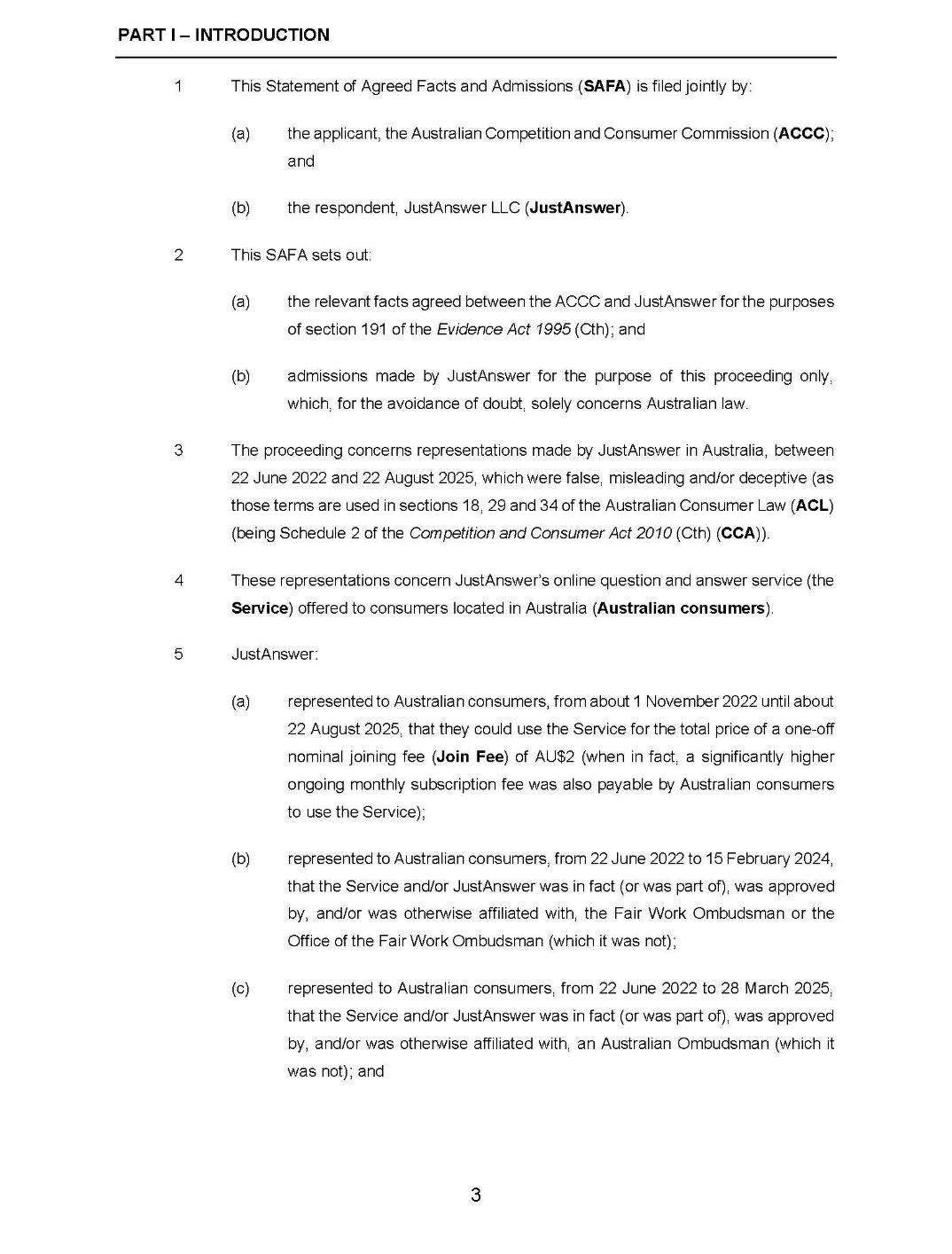
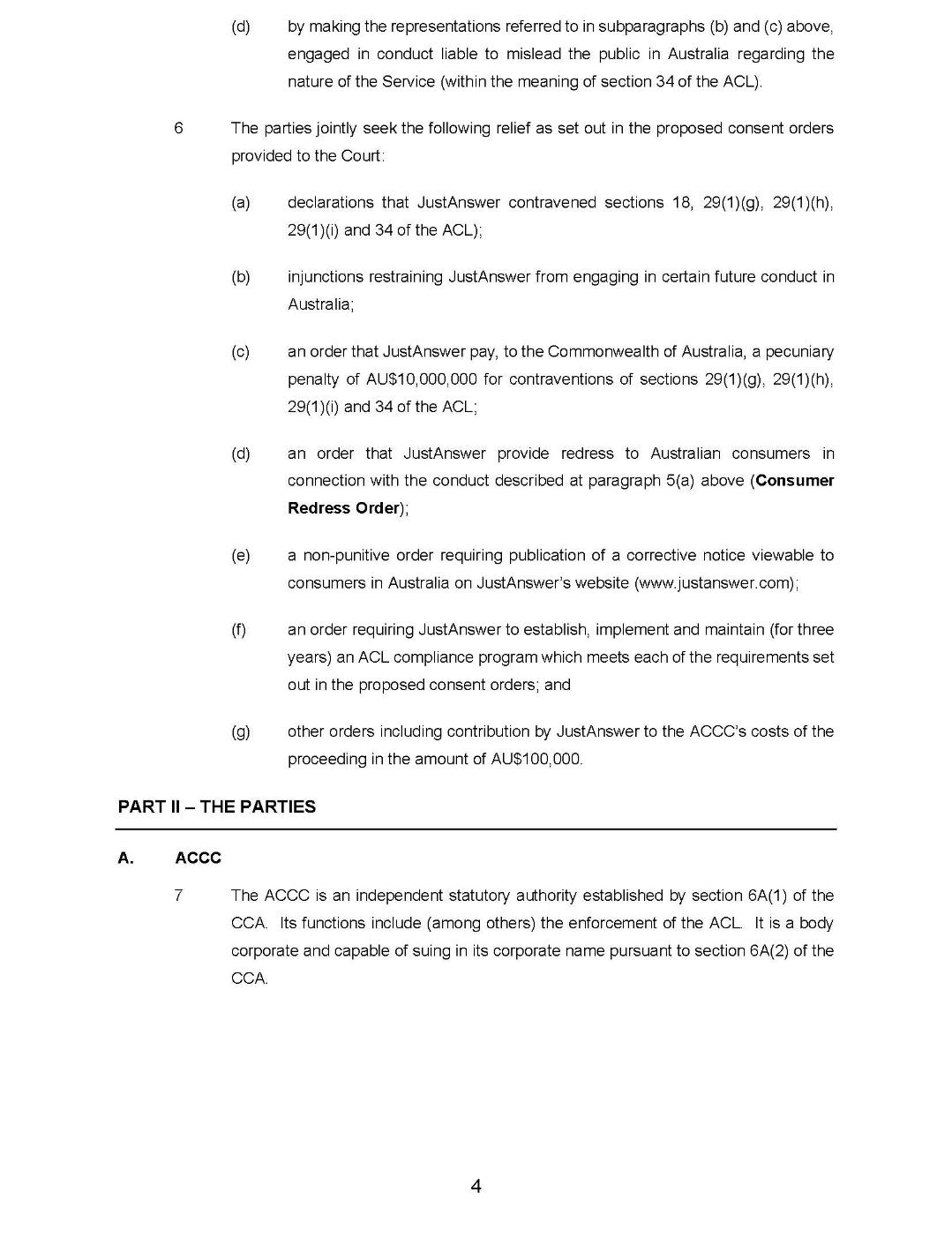
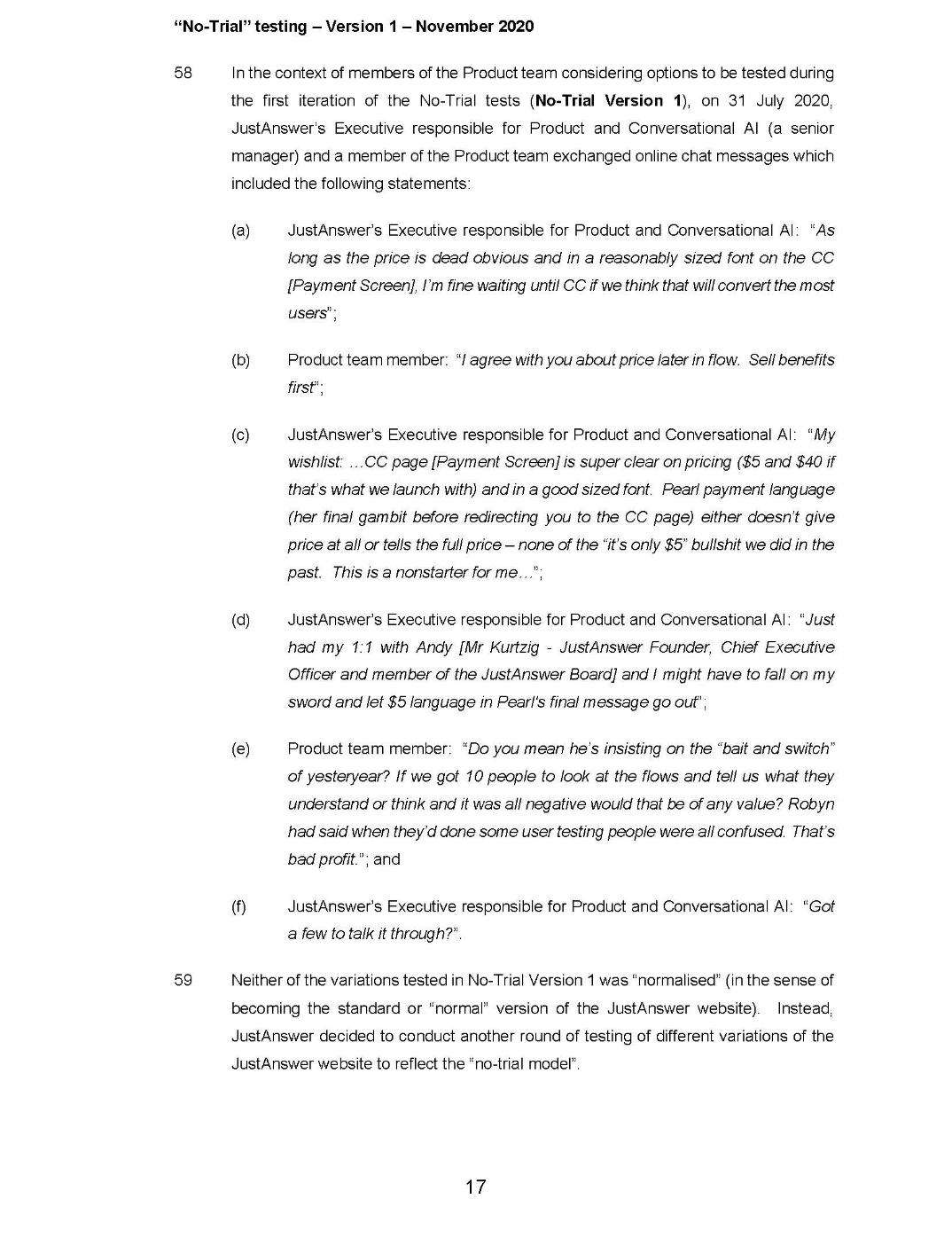
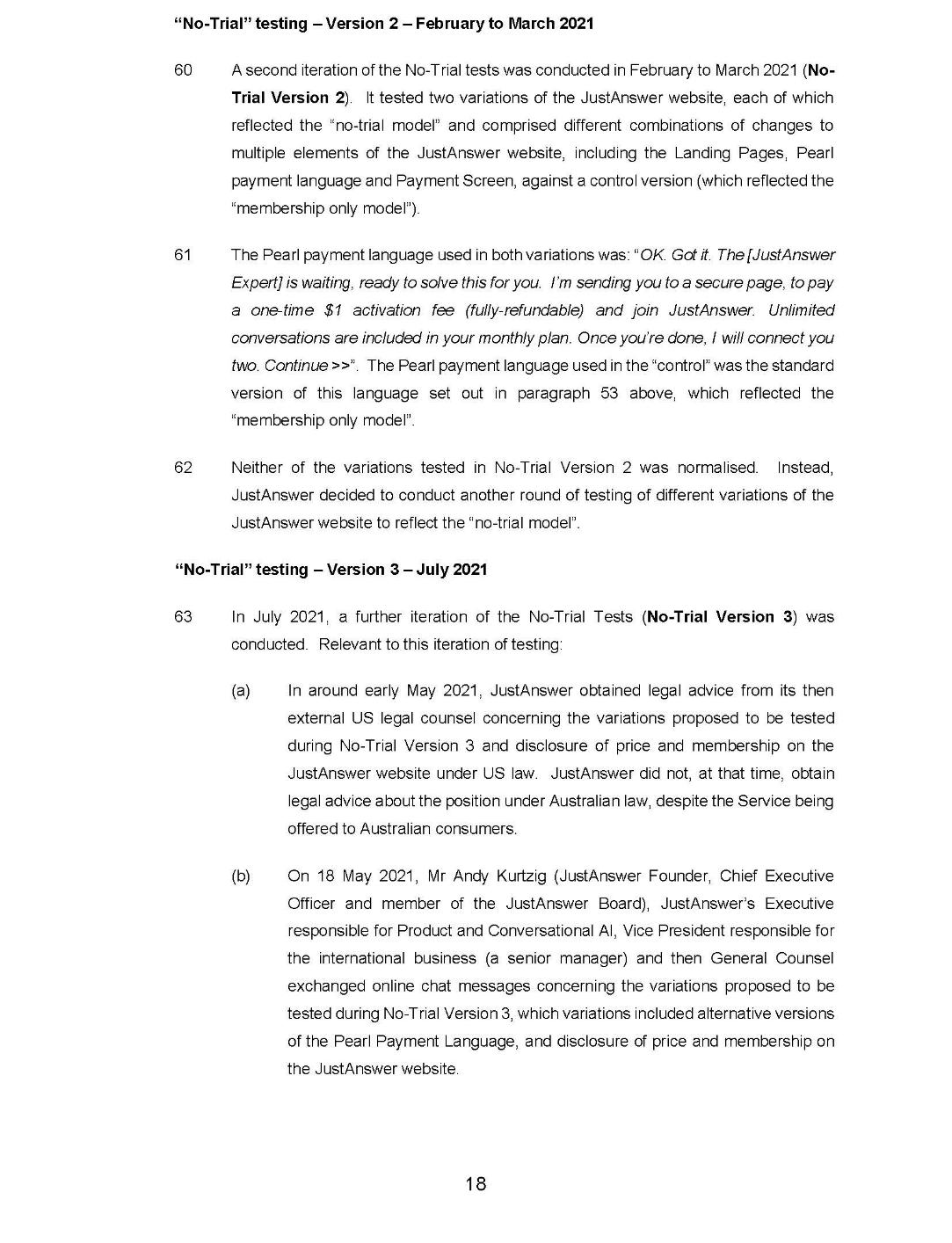
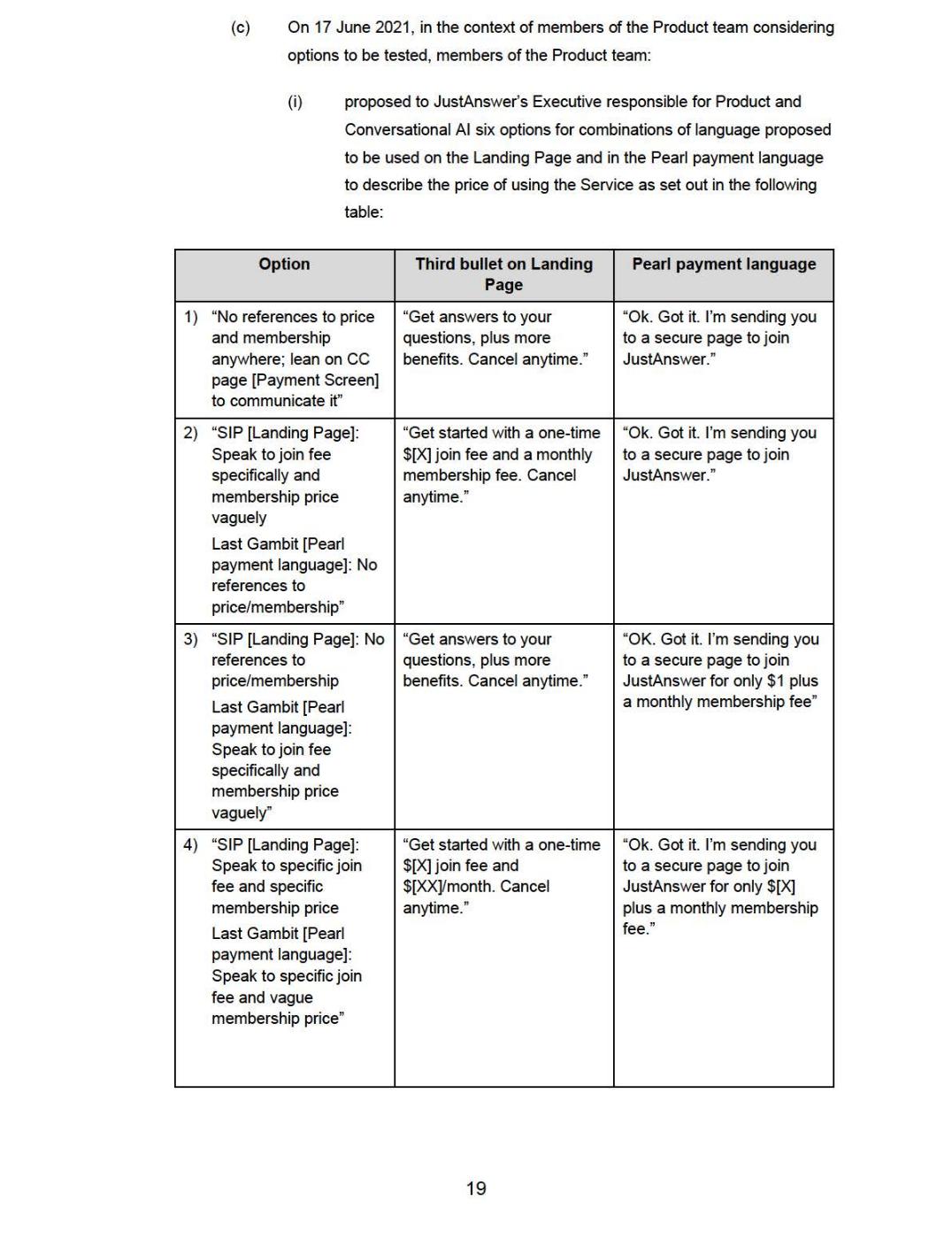
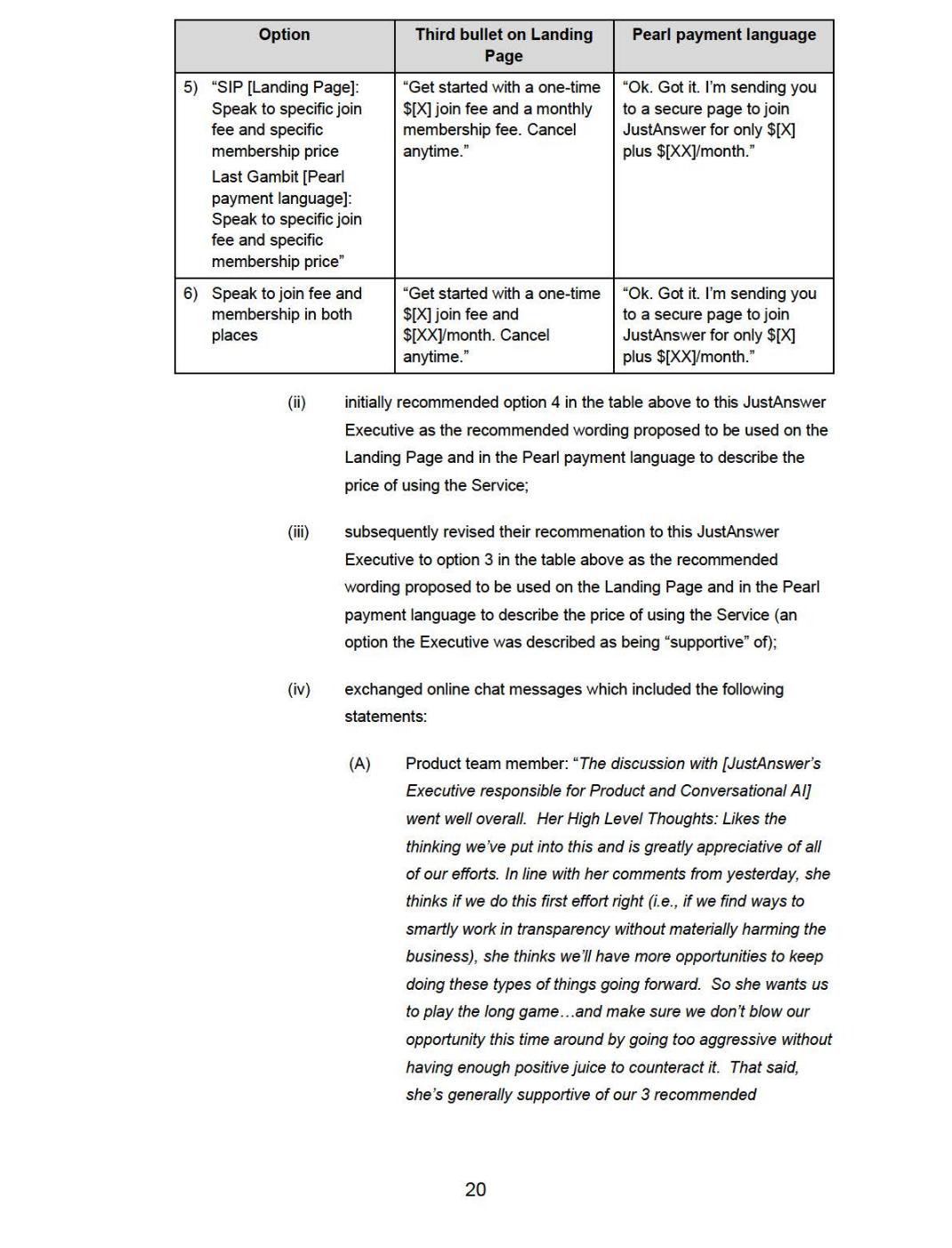
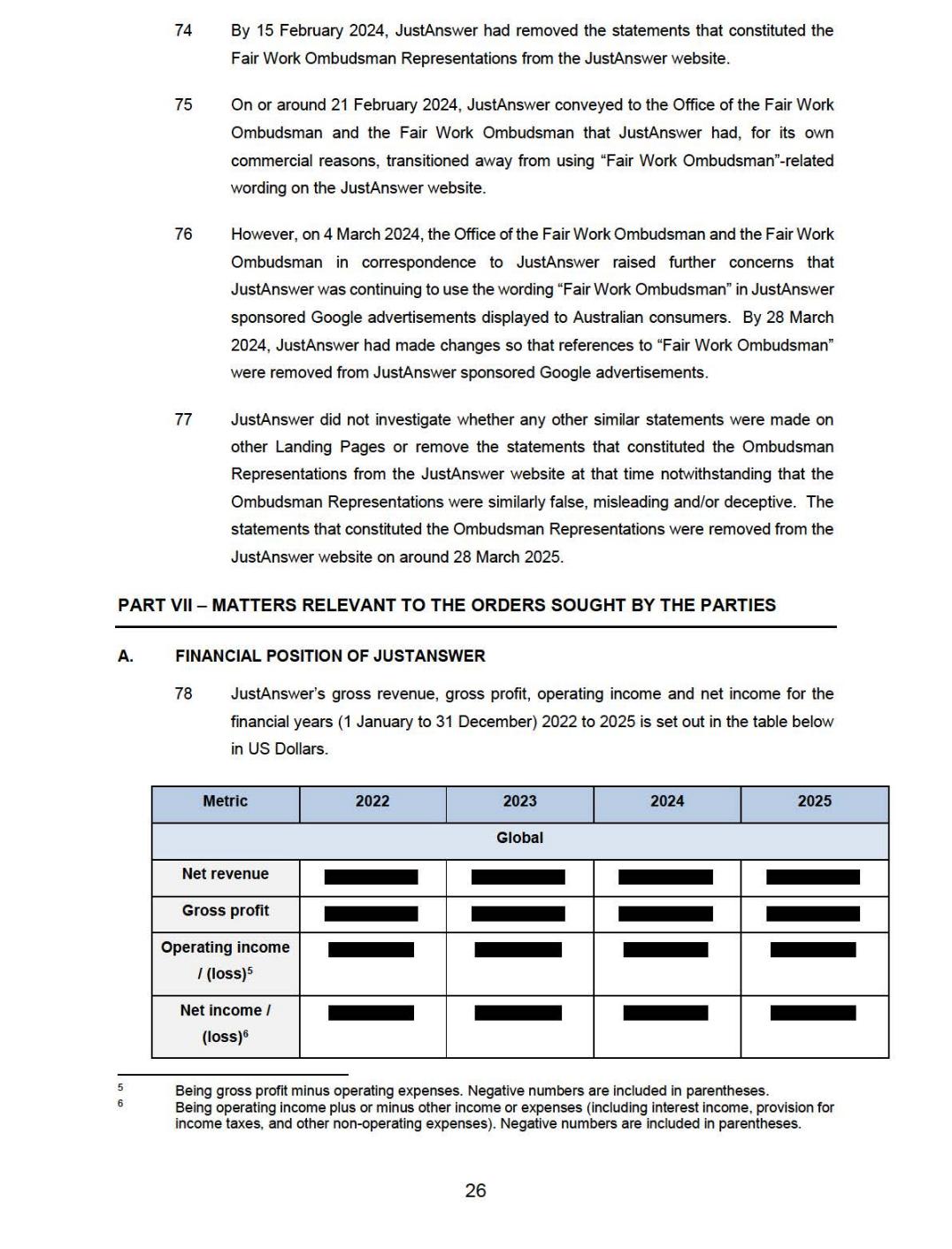
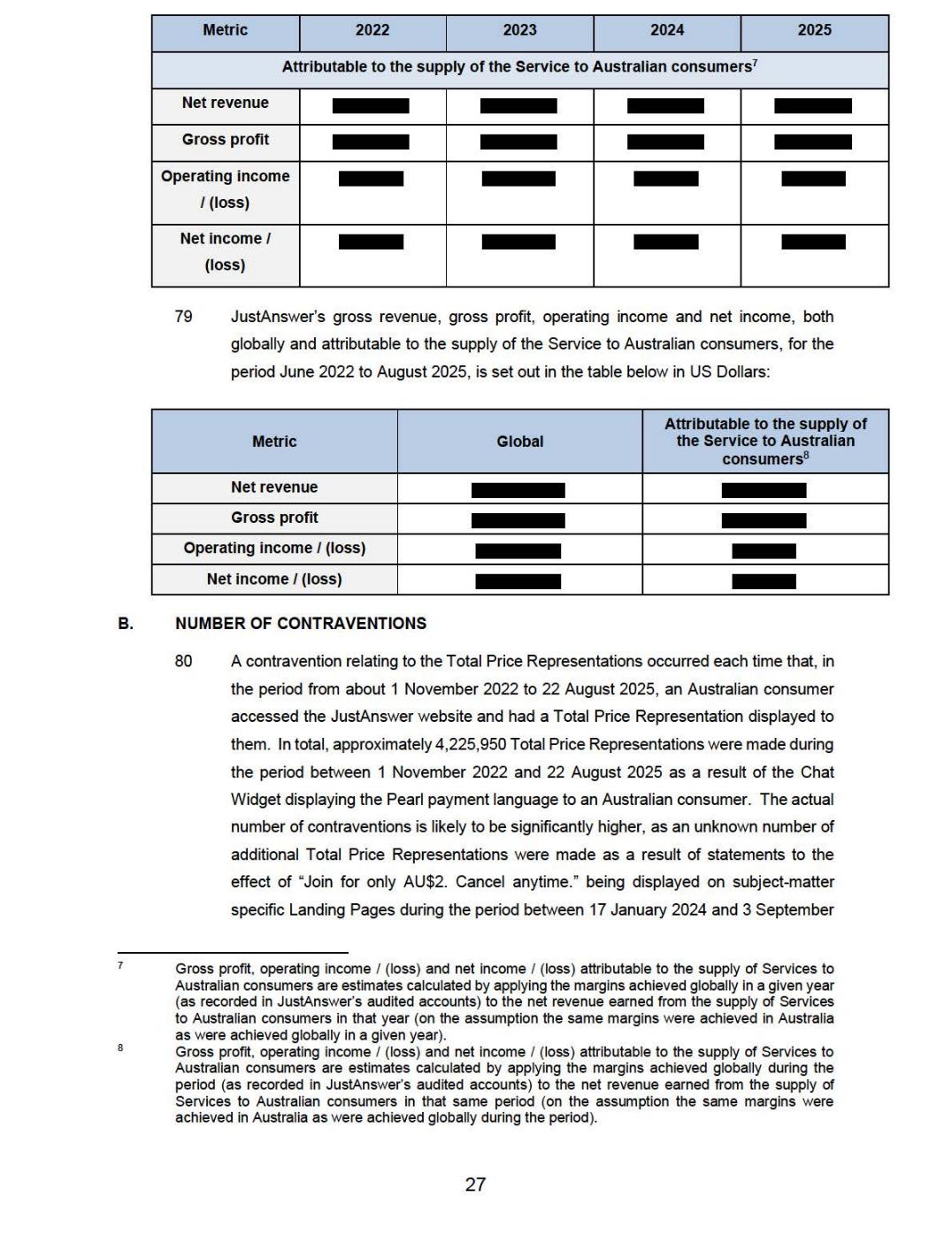
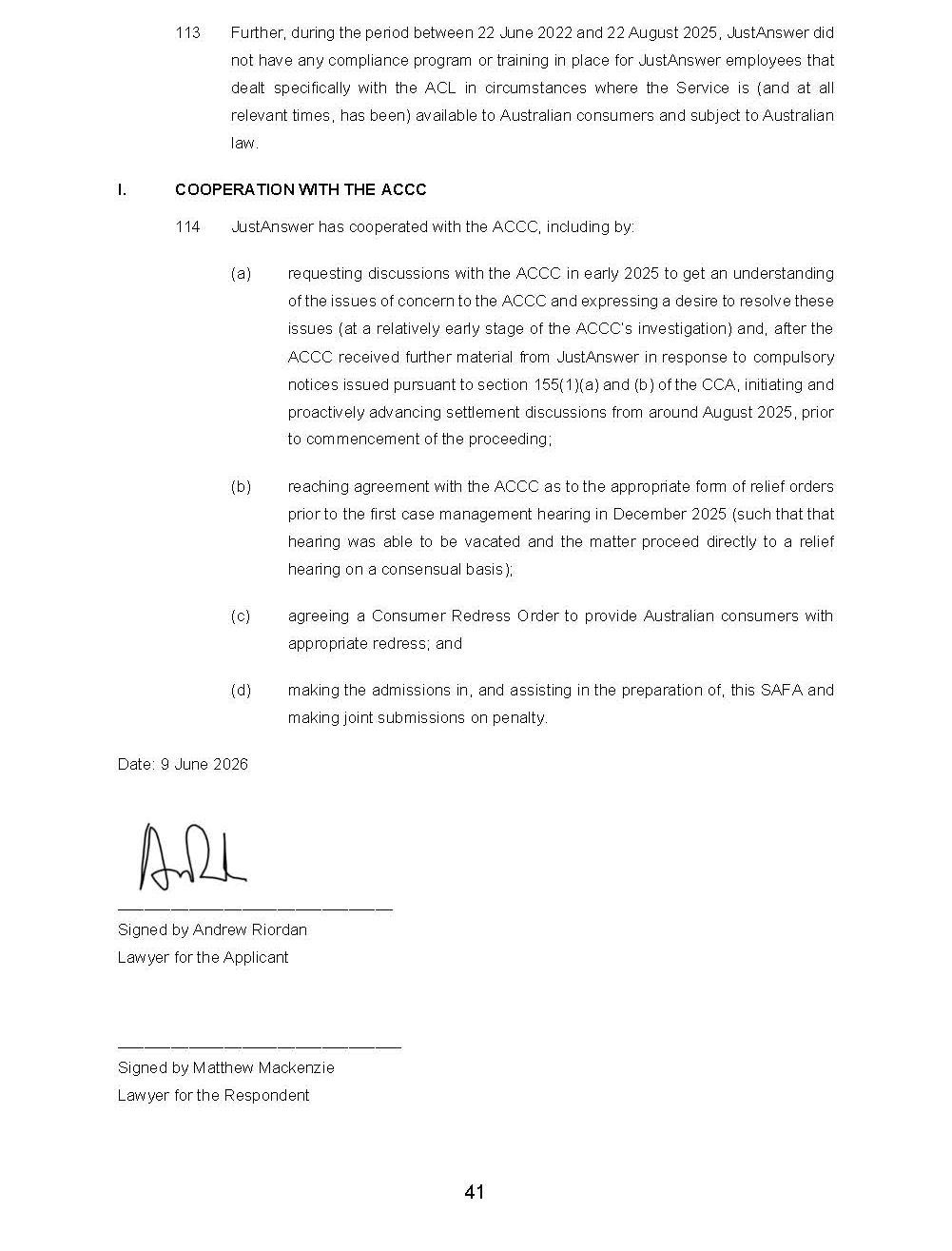
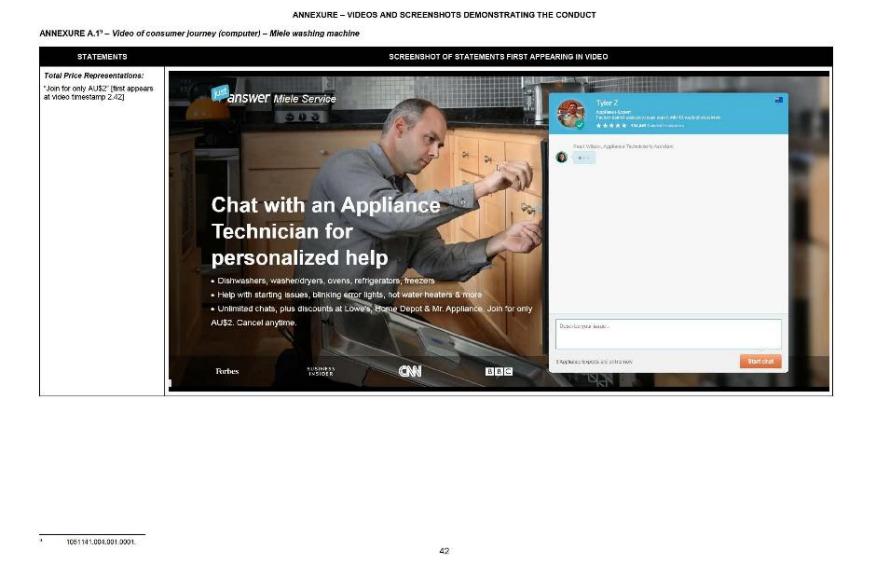
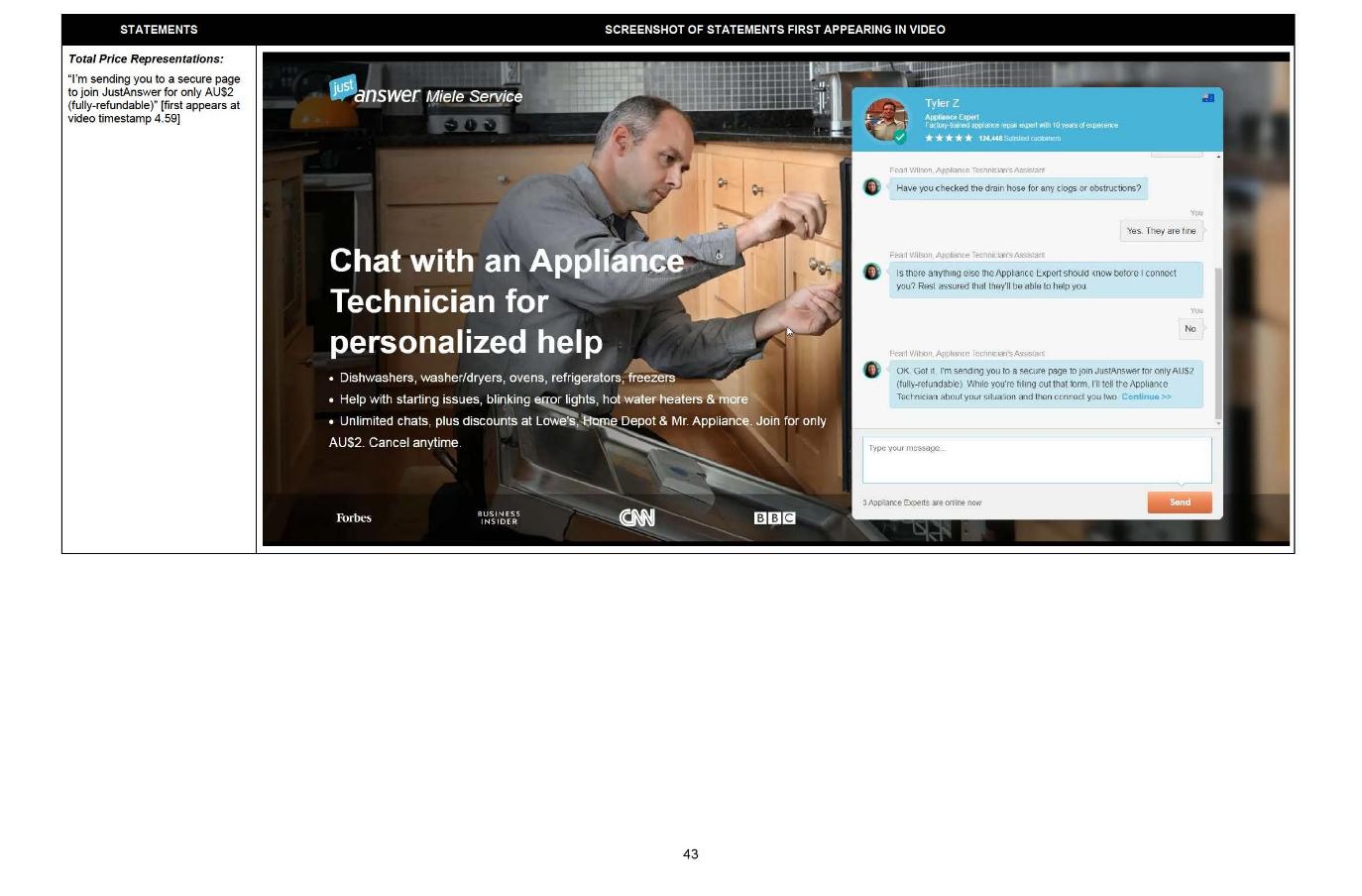
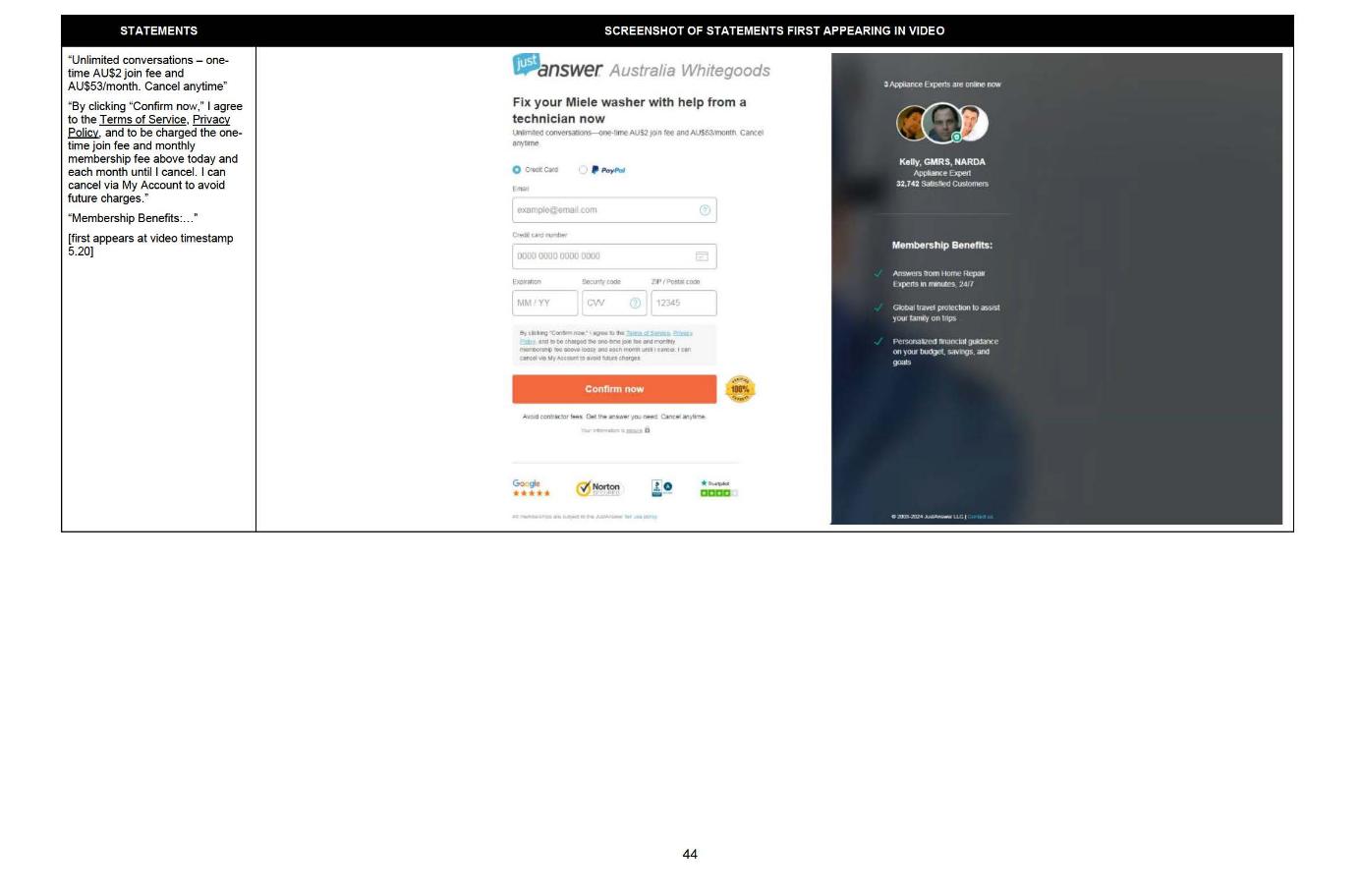
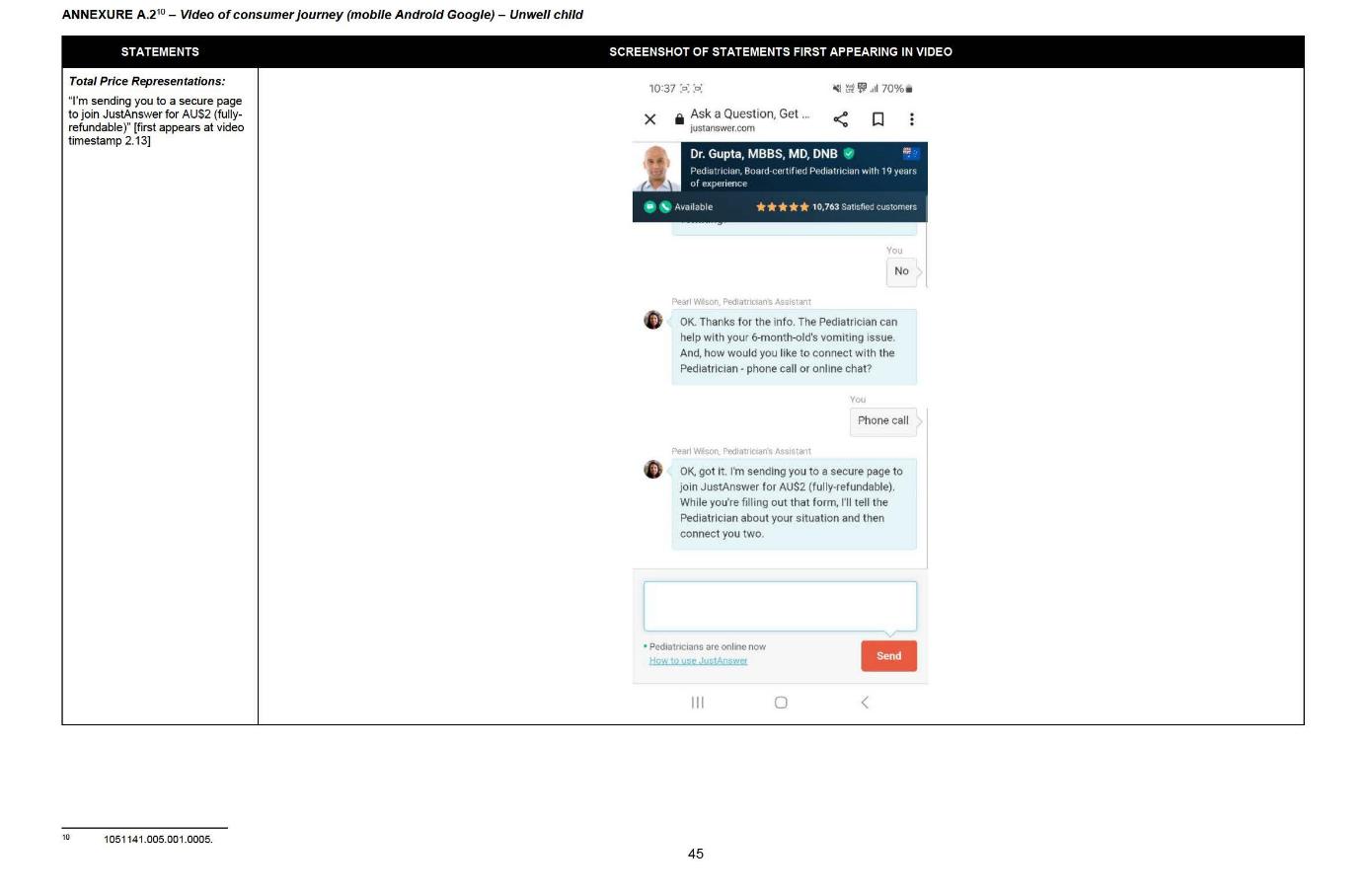
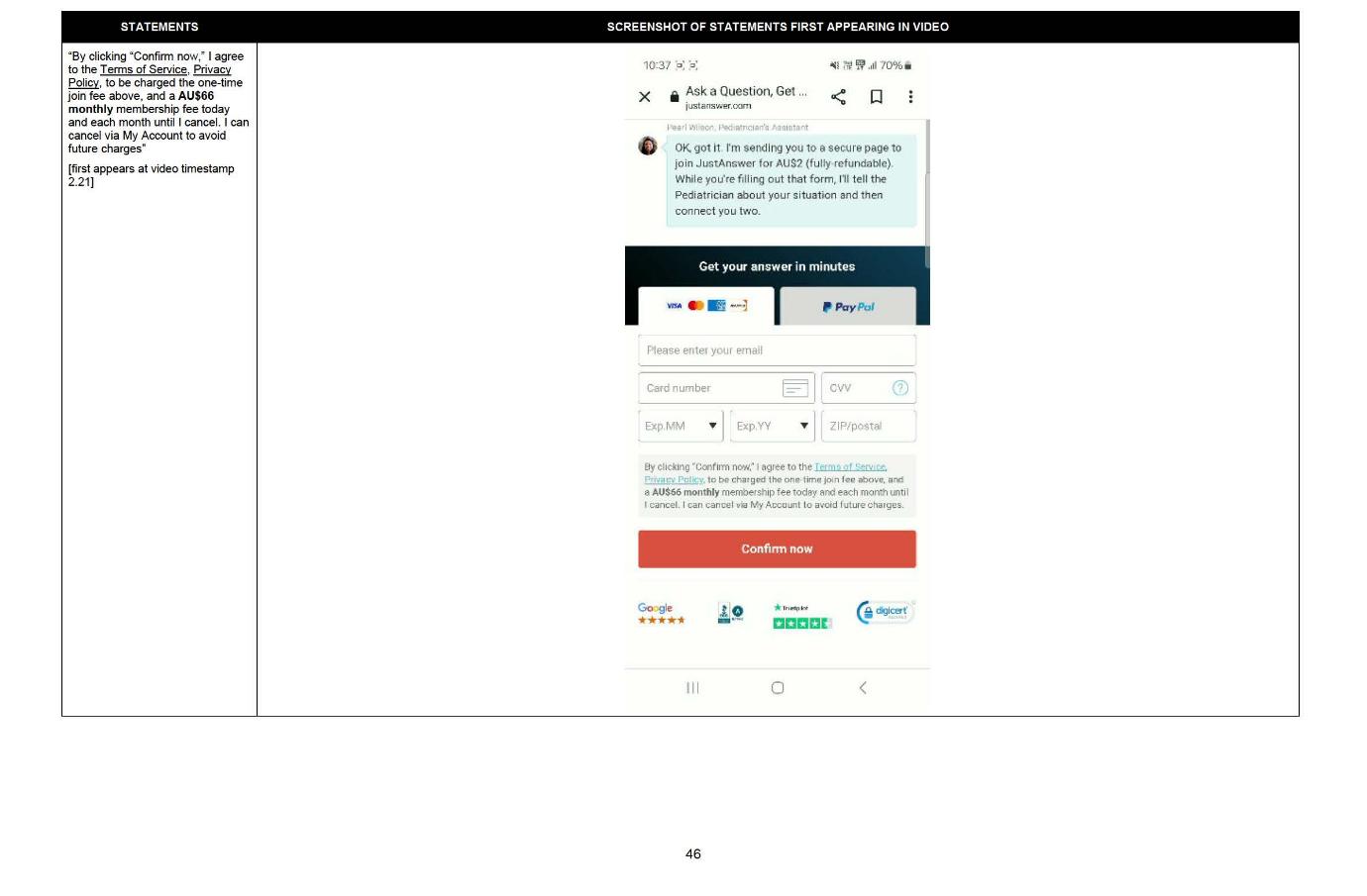
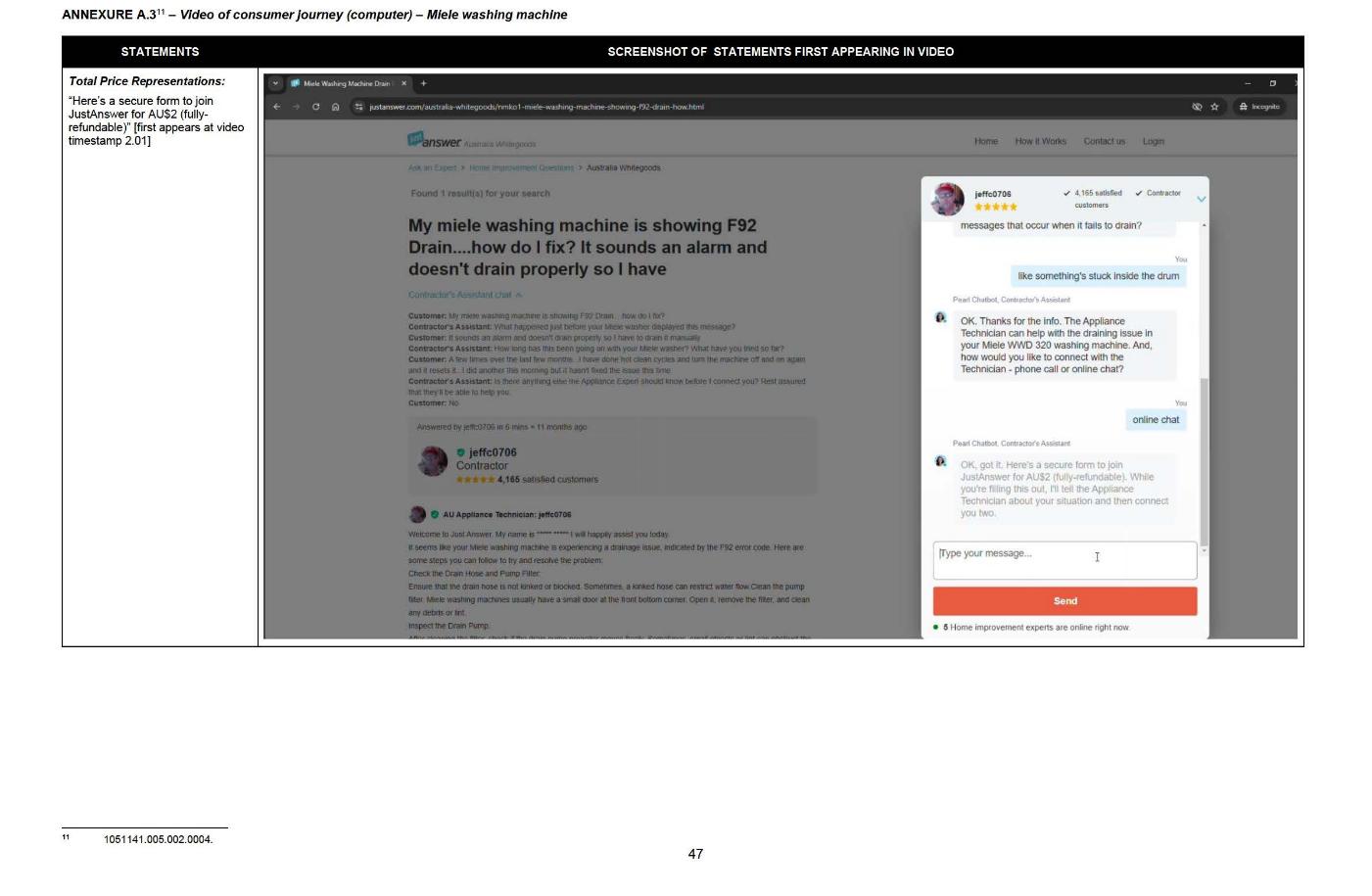
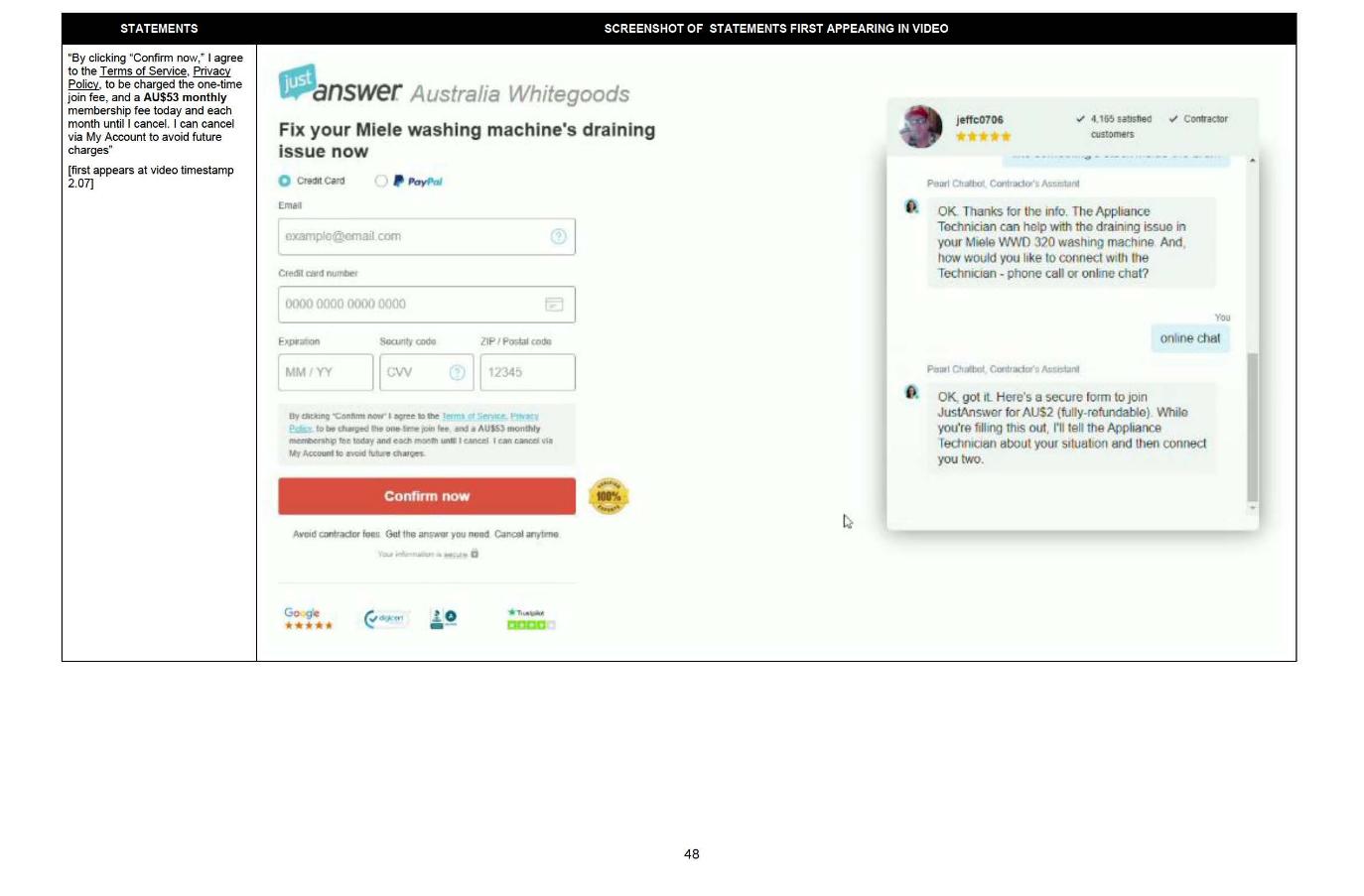
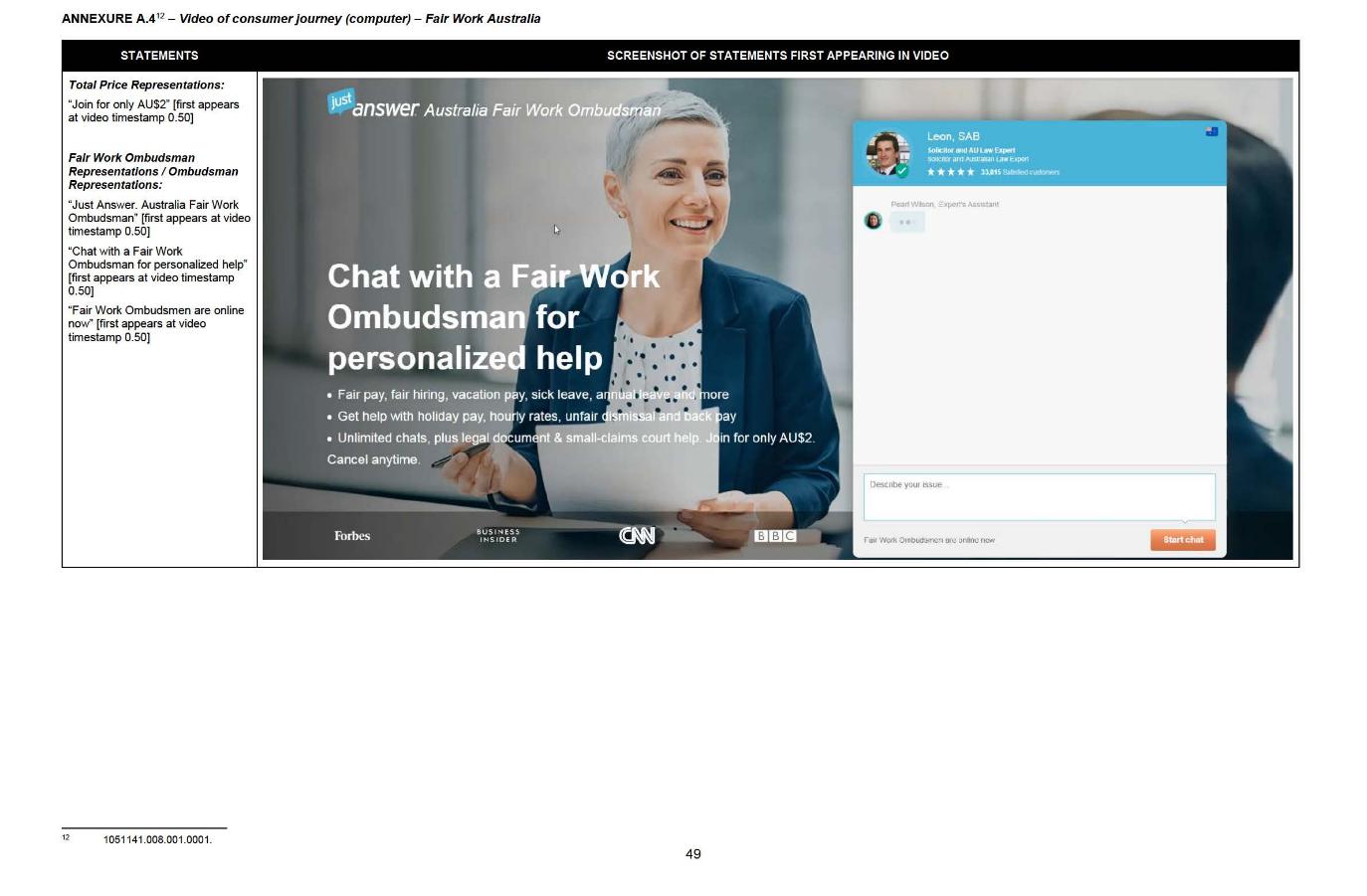
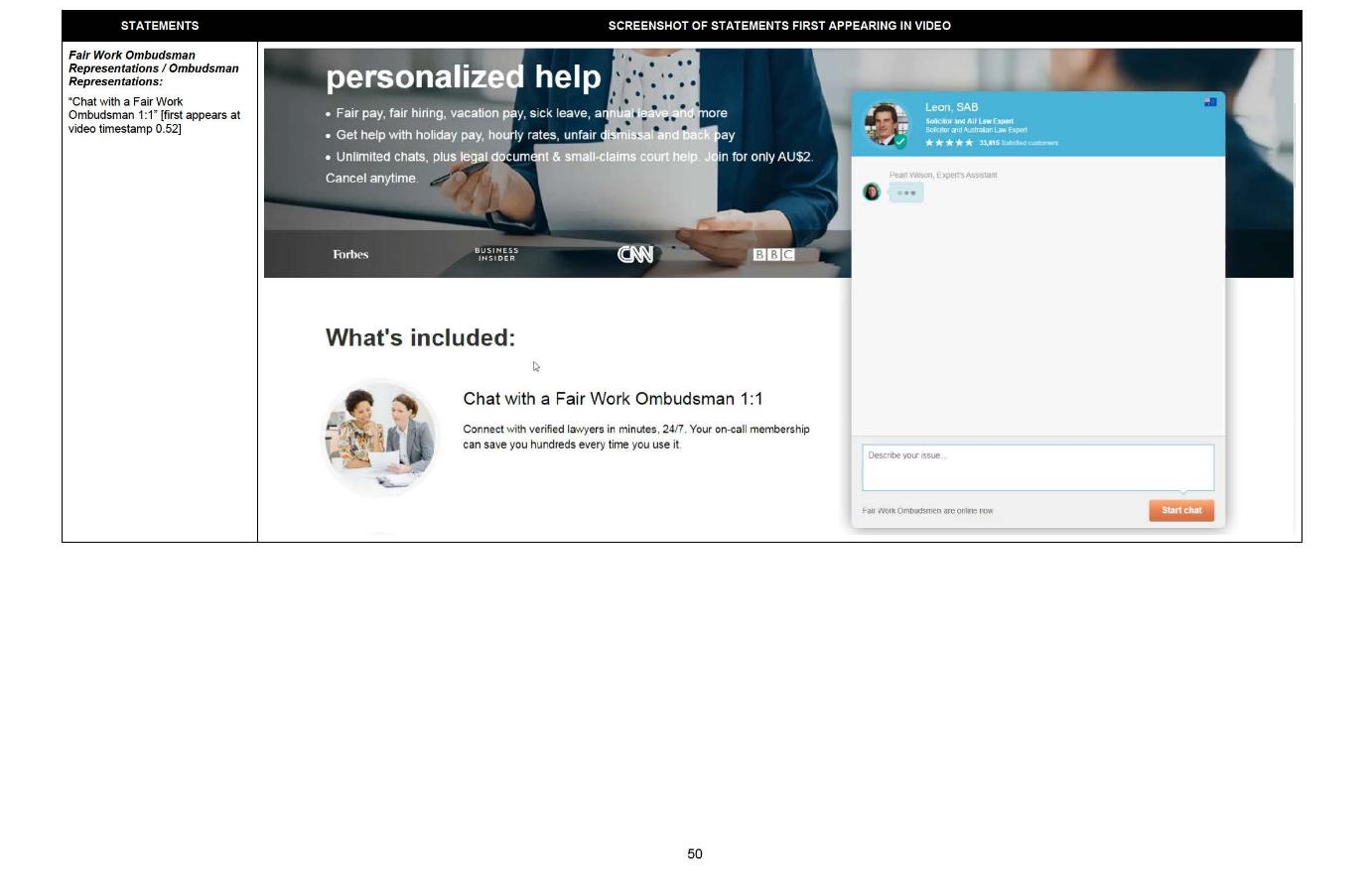
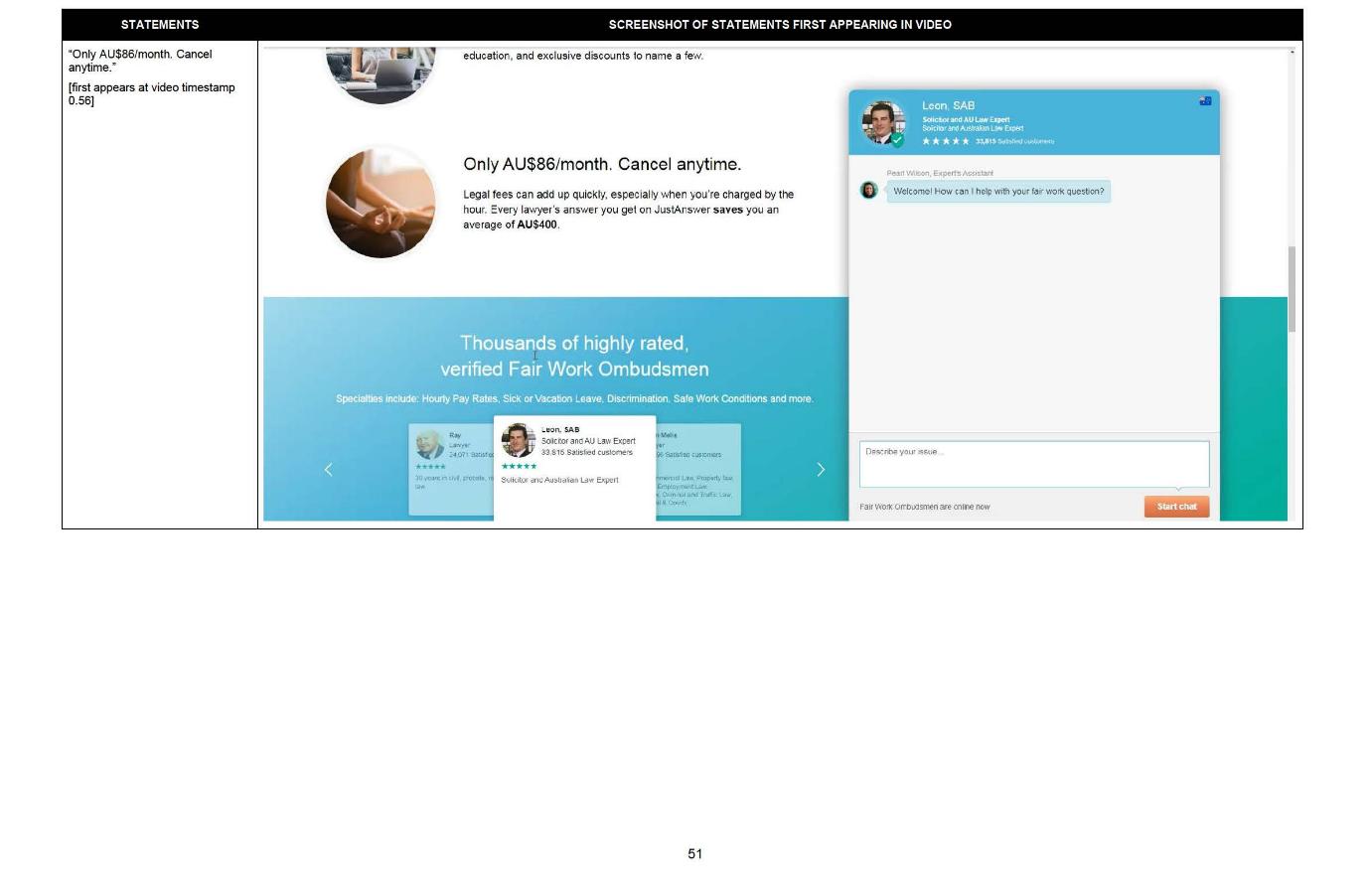
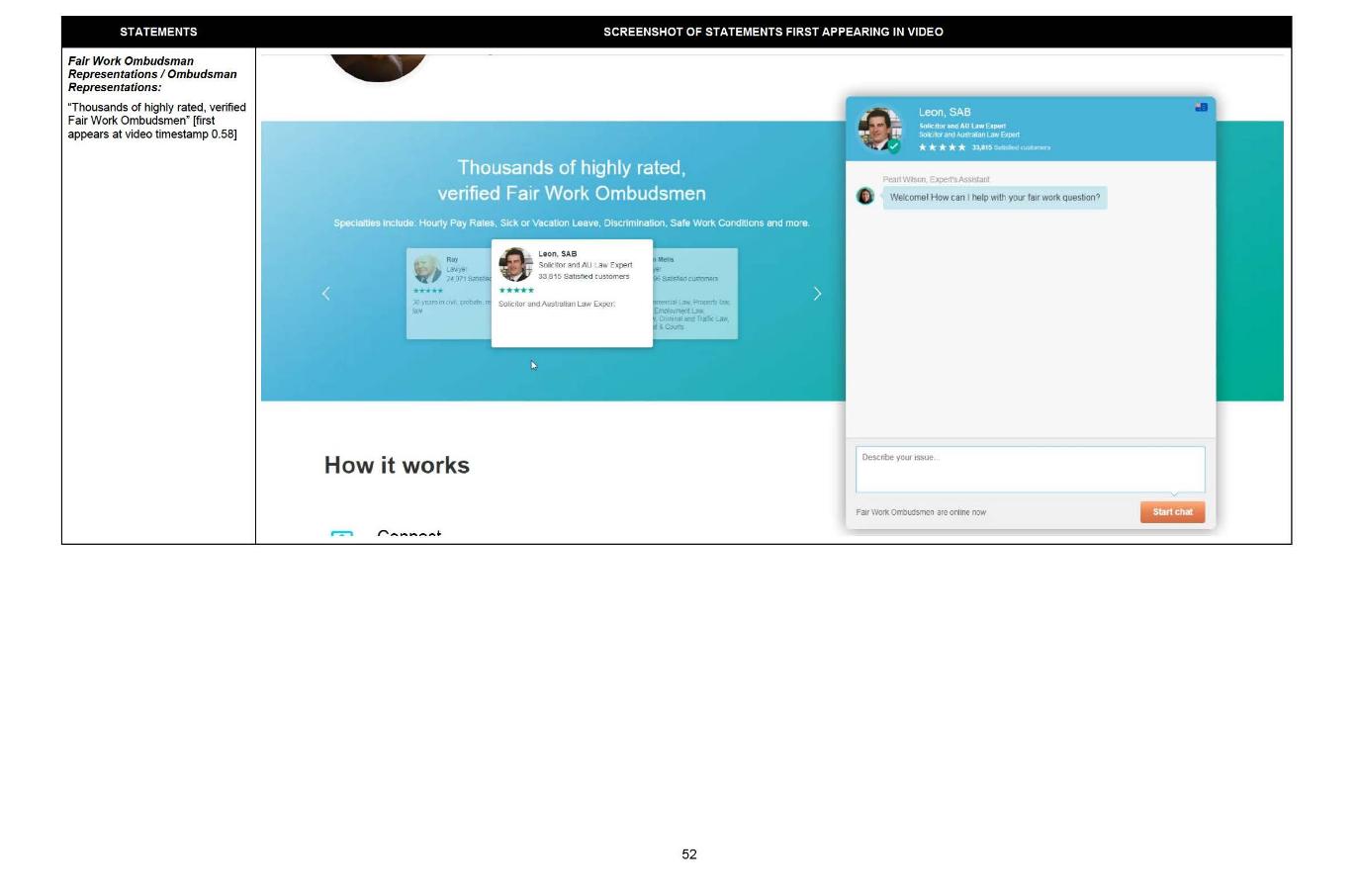
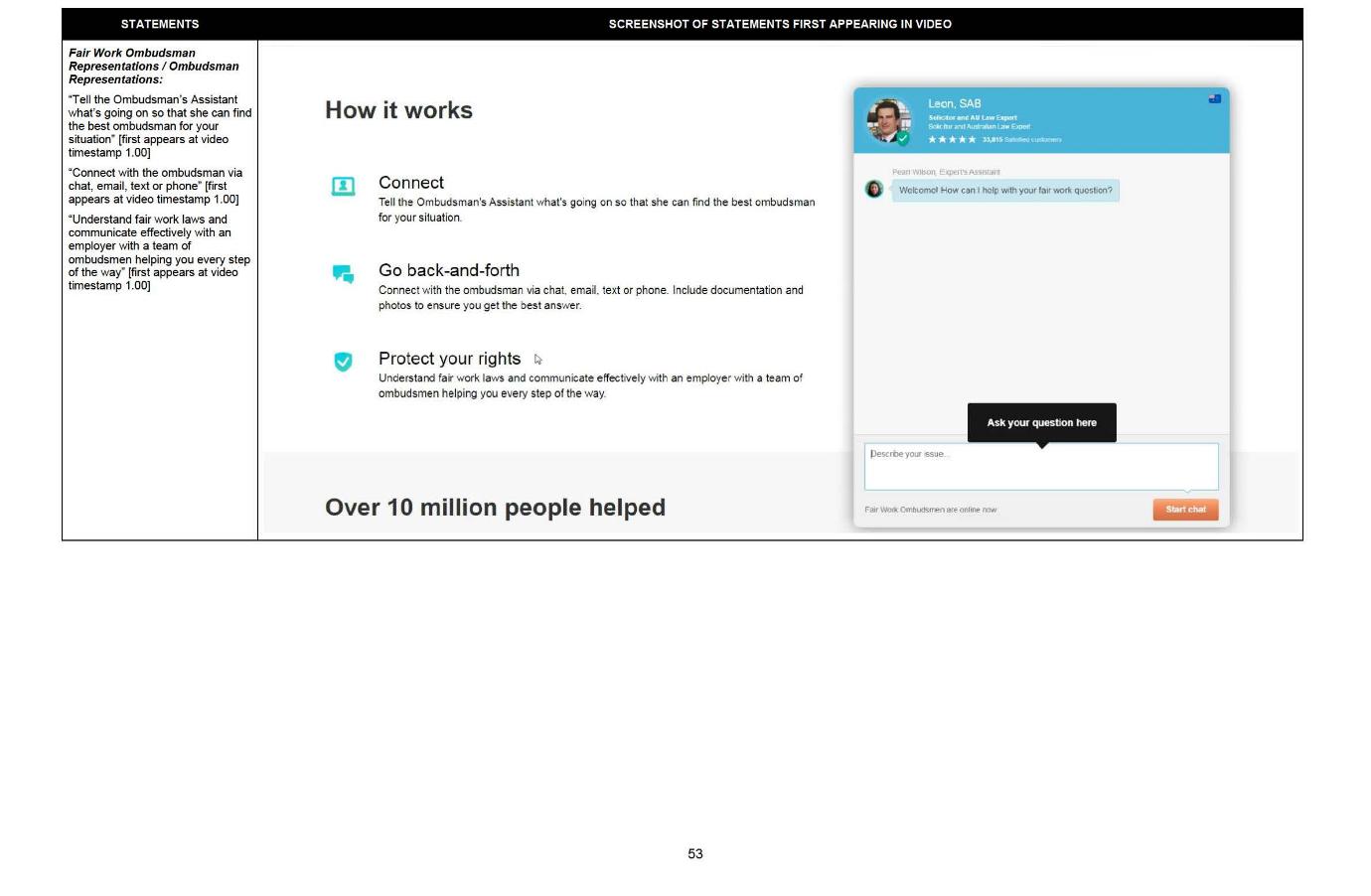
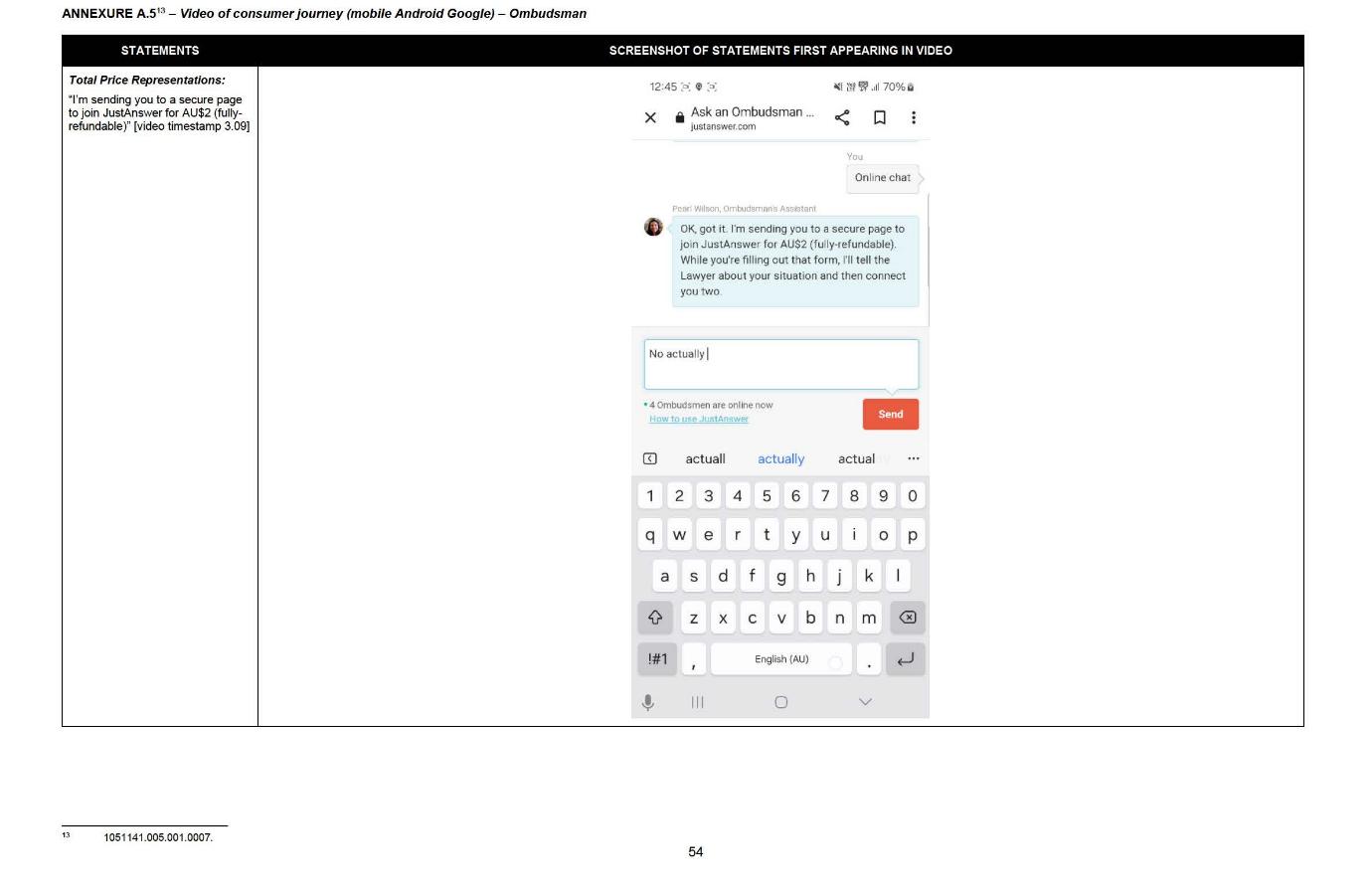
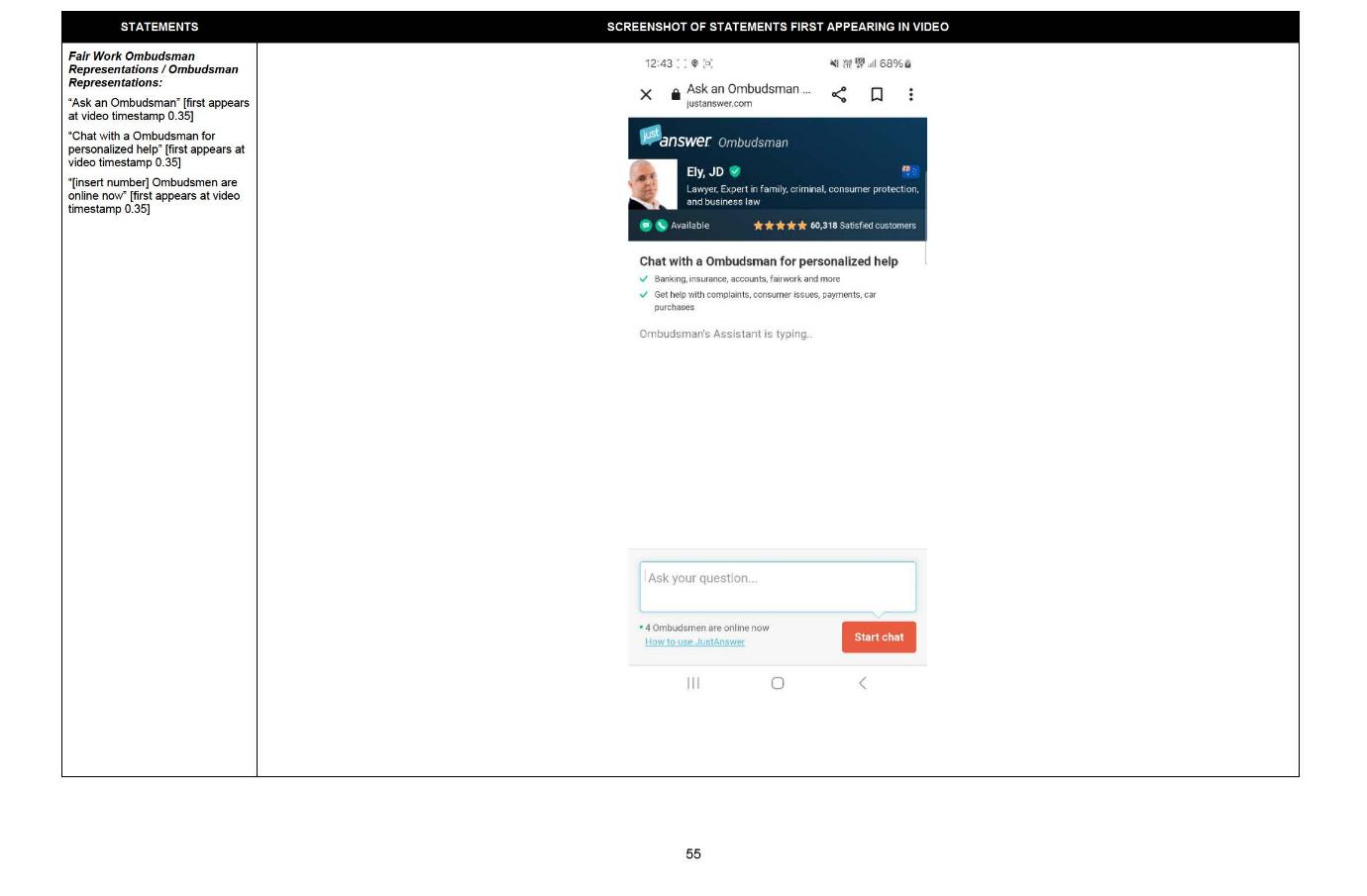
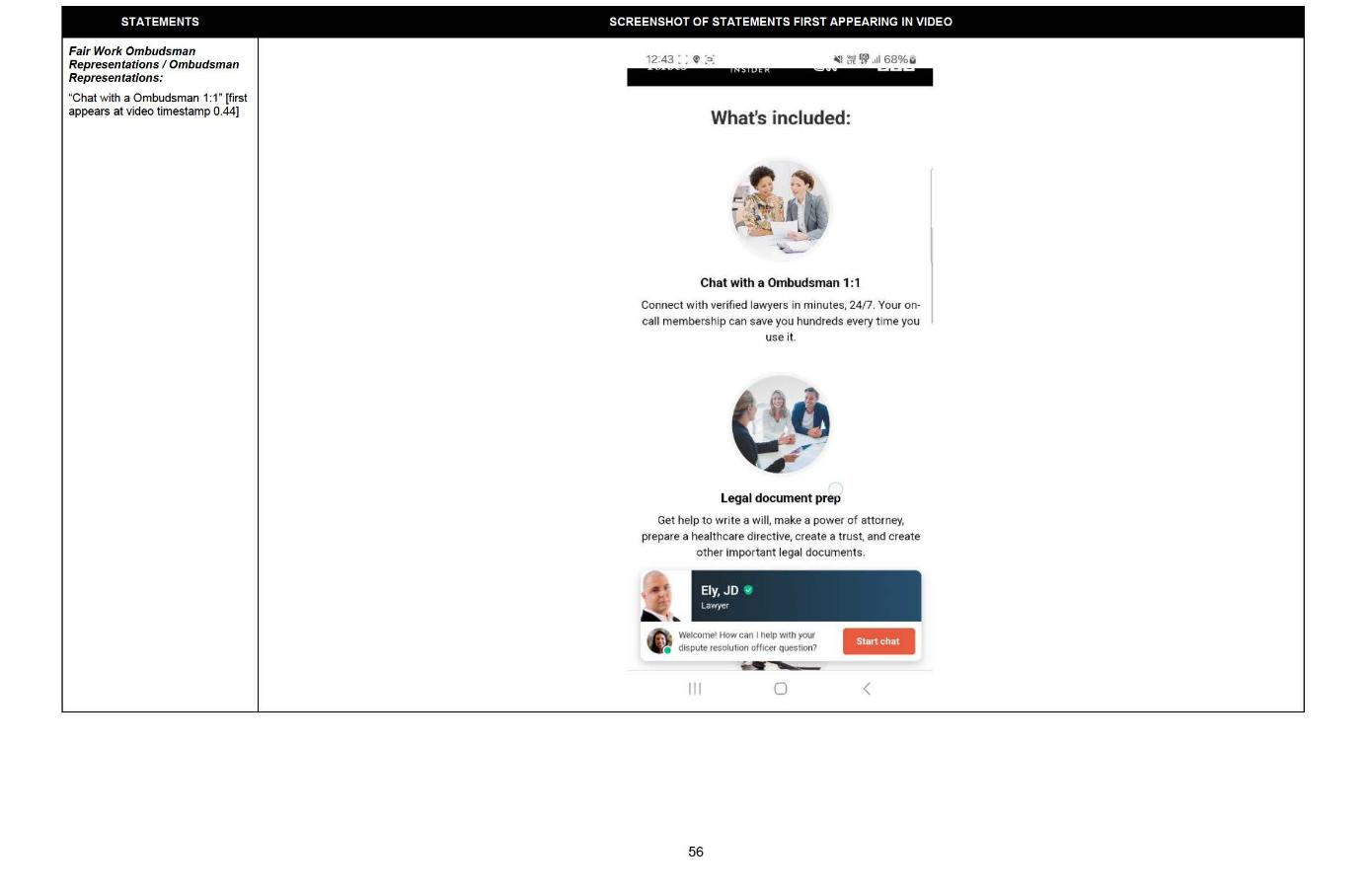
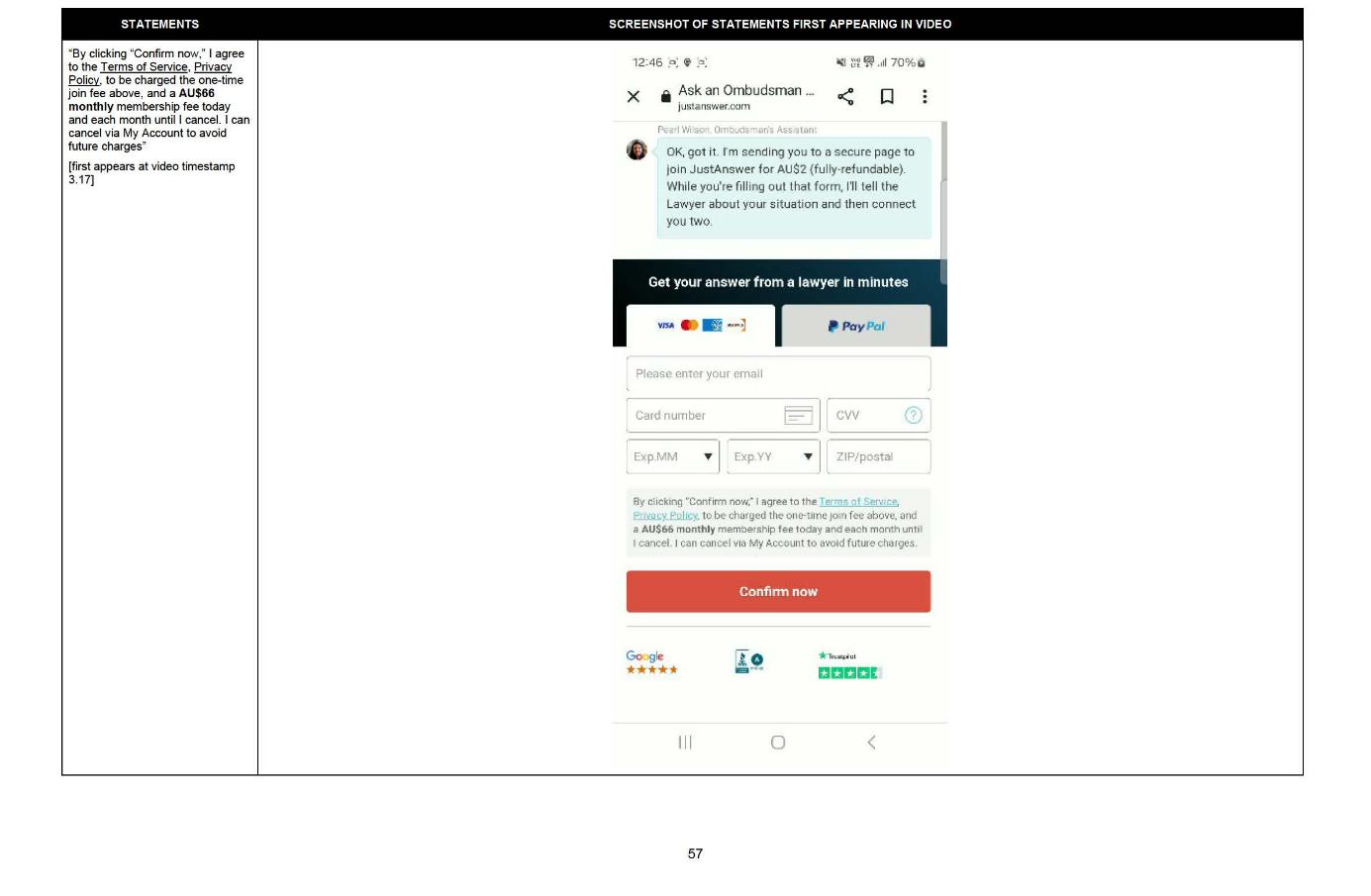
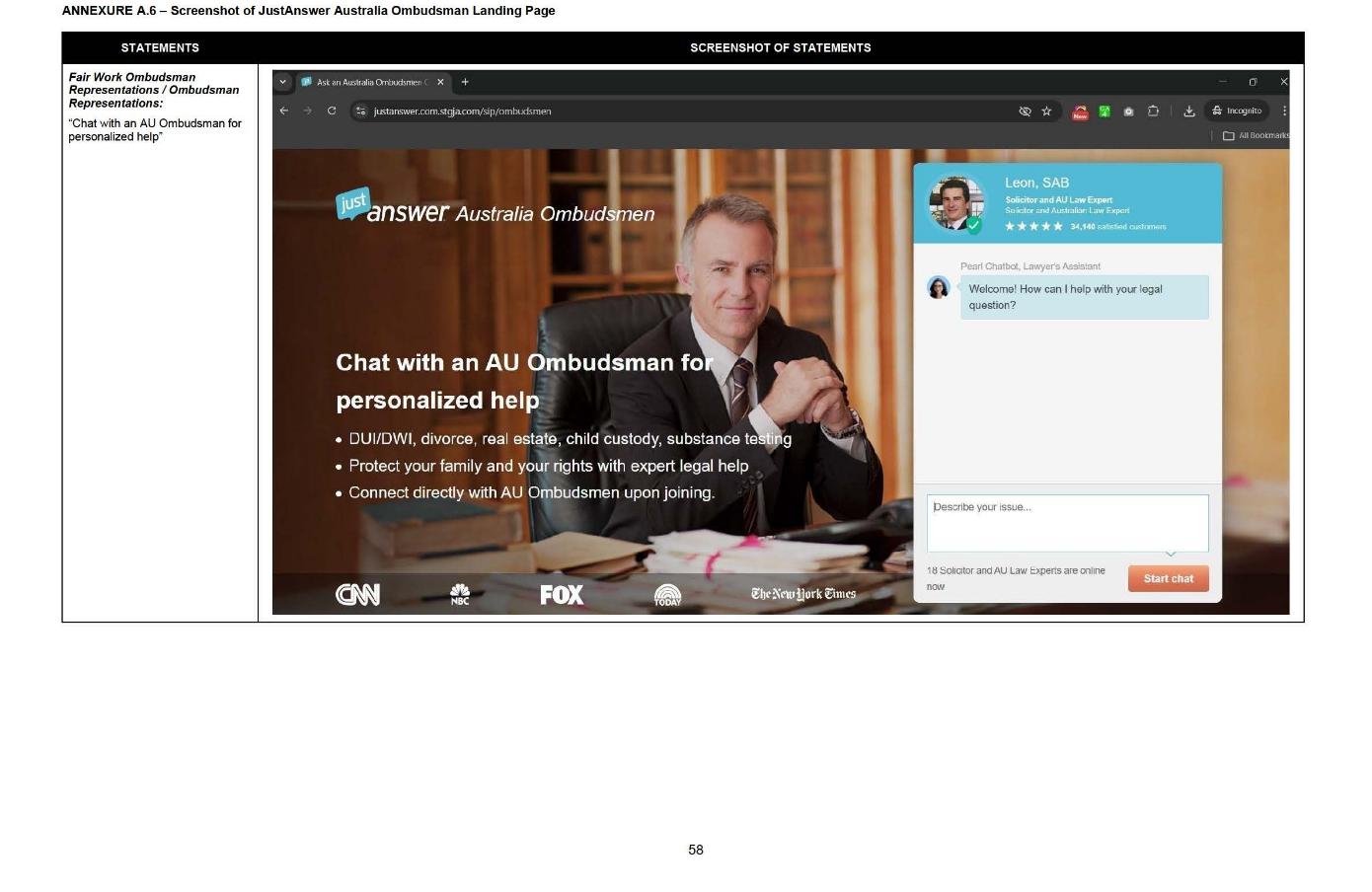
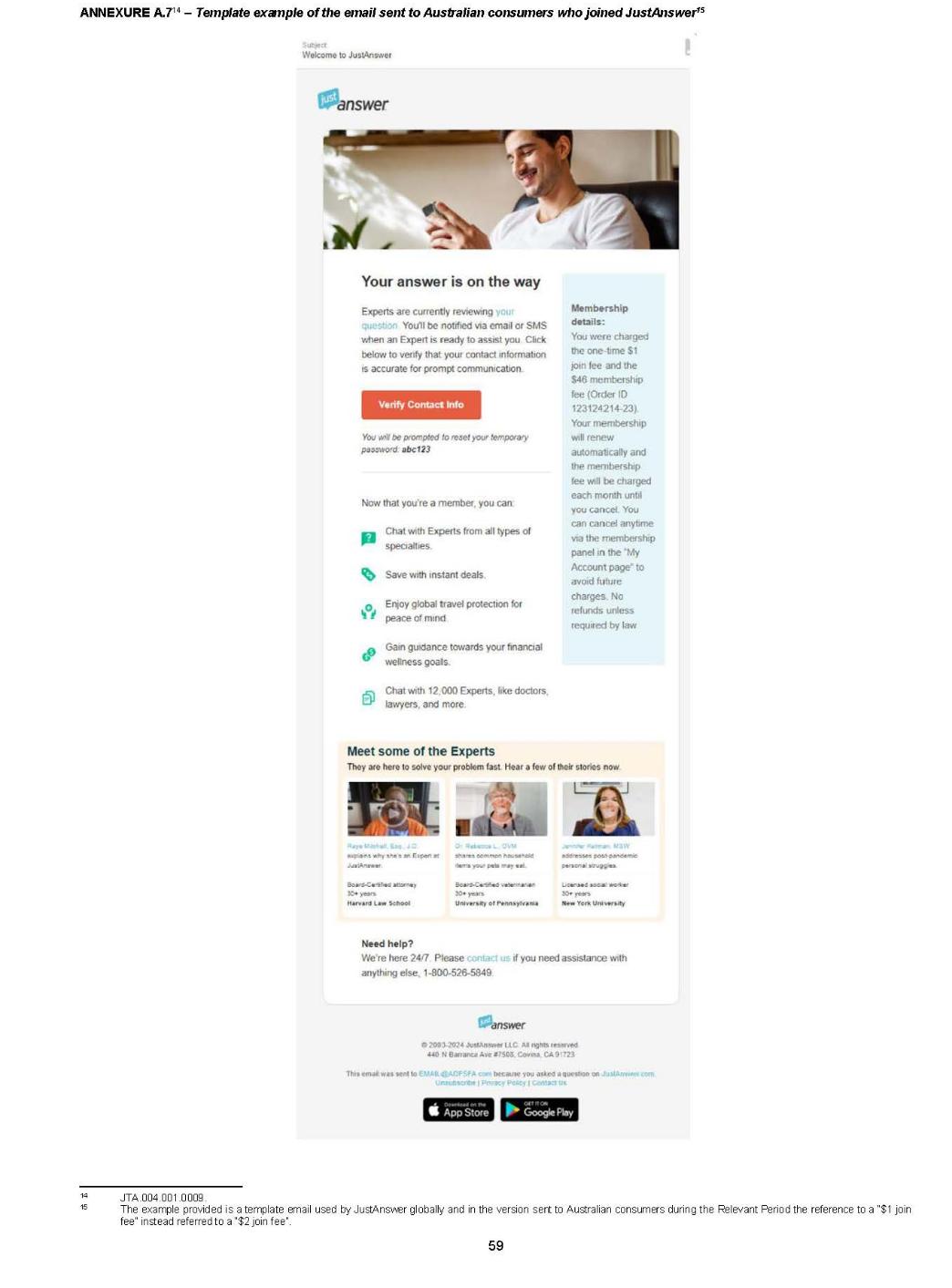
Material Failures are intended to include non-trivial failures that are ongoing or continue for a significant period of time to:
- incorporate a requirement in the design of the Compliance Program outlined in this Annexure (e.g., if the Complaints Handling System did not provide a mechanism for responding to complaints); or
- comply with a fundamental obligation in the implementation of the Compliance Program (e.g., if Staff Training has not been conducted at least once a year).


