

FEDERAL COURT OF AUSTRALIA
White Oak Commercial Finance Europe (Non-Levered) Limited v Insurance Australia Limited (No 3) [2026] FCA 530
File number: | NSD 1039 of 2021 |
Judgment of: | MOSHINSKY J |
Date of judgment: | 28 April 2026 |
Catchwords: | PRACTICE AND PROCEDURE – discovery – without prejudice privilege – where party claiming privilege filed affidavit material that was general, conclusionary and not specific to particular documents – whether evidence sufficient to substantiate privilege claim – discretion to inspect documents – whether court should inspect documents – waiver of without prejudice privilege – whether one negotiating party can unilaterally engage in conduct that constitutes a waiver of the privilege – claims of privilege refused in part and upheld in part |
Legislation: | Federal Court Rules 2011, r 20.21 |
Cases cited: | Bailey v Department of Land and Water Conservation [2009] NSWCA 100 Mining Standards International Pty Ltd v Atlantic Nickel Mineracao Ltda (No 5) [2025] FCA 1261 Perazzoli v Bank SA, a division of Westpac Banking Corporation Ltd [2017] FCAFC 204 Rinehart v Rinehart [2016] NSWCA 58 Yokogawa Australia Pty Ltd v Alstom Power Ltd [2009] SASC 377; 262 ALR 738 Heydon, JD, Cross on Evidence (LexisNexis, 13th Australian ed, 2021) |
Division: | General Division |
Registry: | New South Wales |
National Practice Area: | Commercial and Corporations |
Sub-area: | Commercial Contracts, Banking, Finance and Insurance |
Number of paragraphs: | 53 |
Date of hearing: | 22 April 2026 |
Counsel for the Applicant: | Mr TE O’Brien and Mr S Gerber |
Solicitor for the Applicant: | Ashurst Australia |
Counsel for the BCC/TM Parties: | Mr J Williams SC with Mr C Beshara |
Solicitor for the BCC/TM Parties: | Kennedys (Australasia) Partnership |
Counsel for Marsh Ltd and Marsh Pty Ltd: | Ms NL Gollan |
Solicitor for Marsh Ltd and Marsh Pty Ltd: | Johnson Winter Slattery |
ORDERS
NSD 1039 of 2021 | ||
| ||
BETWEEN: | WHITE OAK COMMERCIAL FINANCE EUROPE (NON-LEVERED) LIMITED Applicant | |
AND: | INSURANCE AUSTRALIA LIMITED First Respondent BCC TRADE CREDIT PTY LTD Second Respondent GREG BRERETON (and others named in the Schedule) Third Respondent | |
AND BETWEEN: | GREENSILL BANK AG (and another named in the Schedule) First Cross-Claimant | |
AND: | INSURANCE AUSTRALIA LIMITED Cross-Respondent | |
AND BETWEEN: | BBC TRADE CREDIT PTY LTD Cross-Claimant | |
AND: | GREENSILL CAPITAL (UK) LTD (and others named in the Schedule) First Cross-Respondent | |
order made by: | MOSHINSKY J |
DATE OF ORDER: | 28 APRIL 2026 |
THE COURT NOTES THAT:
In these Orders:
A. BCC/TM Parties means BCC Trade Credit Pty Ltd, Tokio Marine & Nichido Fire Insurance Co Ltd and Tokio Marine Management (Australasia) Pty Ltd.
B. Credit Suisse means Credit Suisse Virtuoso SICAV-SIF in respect of the sub-fund Credit Suisse (Lux) Supply Chain Finance Fund and Credit Suisse Nova (Lux) in respect of the sub-fund Credit Suisse Nova (Lux) Supply Chain Finance High Income Fund.
C. GBAG Parties means Greensill Bank AG (in administration) and Dr Michael Frege (as Insolvency Administrator for Greensill Bank AG).
D. GCUK means Greensill Capital (UK) Limited (in administration).
E. IAL means Insurance Australia Limited.
F. Marsh Parties means Marsh Limited and Marsh Pty Ltd.
G. Proceedings means the following eleven proceedings being case managed together pursuant to orders dated 30 March 2023, 26 July 2023 and 27 May 2025:
(a) White Oak Commercial Finance Europe (Non-Levered) Limited v Insurance Australia Limited (NSD 1039 of 2021);
(b) Credit Suisse Virtuoso SICAV-SIF in respect of the sub-fund – Credit Suisse (Lux) Supply Chain Finance Fund v Insurance Australia Limited (NSD 106 of 2022);
(c) Credit Suisse Virtuoso SICAV-SIF in respect of the sub-fund – Credit Suisse (Lux) Supply Chain Finance Fund v Insurance Australia Limited (NSD 110 of 2022);
(d) Credit Suisse Virtuoso SICAV-SIF in respect of the sub-fund – Credit Suisse (Lux) Supply Chain Finance Fund v Insurance Australia Limited (NSD 169 of 2023);
(e) Greensill Bank AG v Insurance Australia Limited (NSD 1216 of 2021);
(f) Greensill Bank AG v Insurance Australia Limited (NSD 173 of 2023);
(g) Greensill Bank AG v Insurance Australia Limited (NSD 174 of 2023);
(h) Greensill Bank AG v Insurance Australia Limited (NSD 175 of 2023);
(i) Greensill Bank AG v Insurance Australia Limited (NSD 177 of 2023);
(j) Greensill Bank AG v Insurance Australia Limited (NSD 602 of 2023); and
(k) Greensill Bank AG v Marsh Ltd (NSD 344 of 2025).
H. White Oak means White Oak Commercial Finance Europe (Non-Levered) Limited.
THE COURT ORDERS THAT:
BCC/TM Parties’ without prejudice privilege claims
1. By 4.00 pm on 6 May 2026:
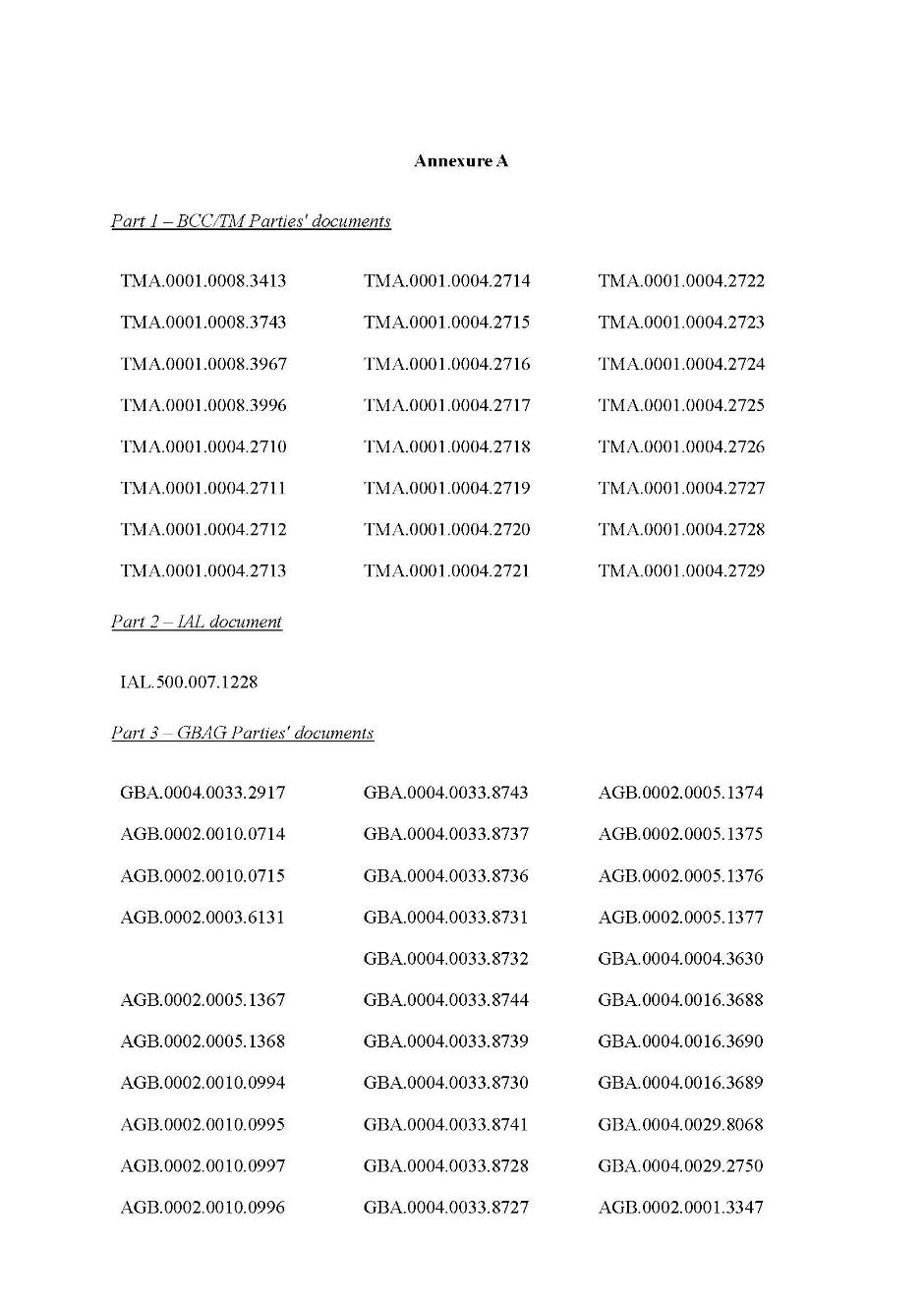
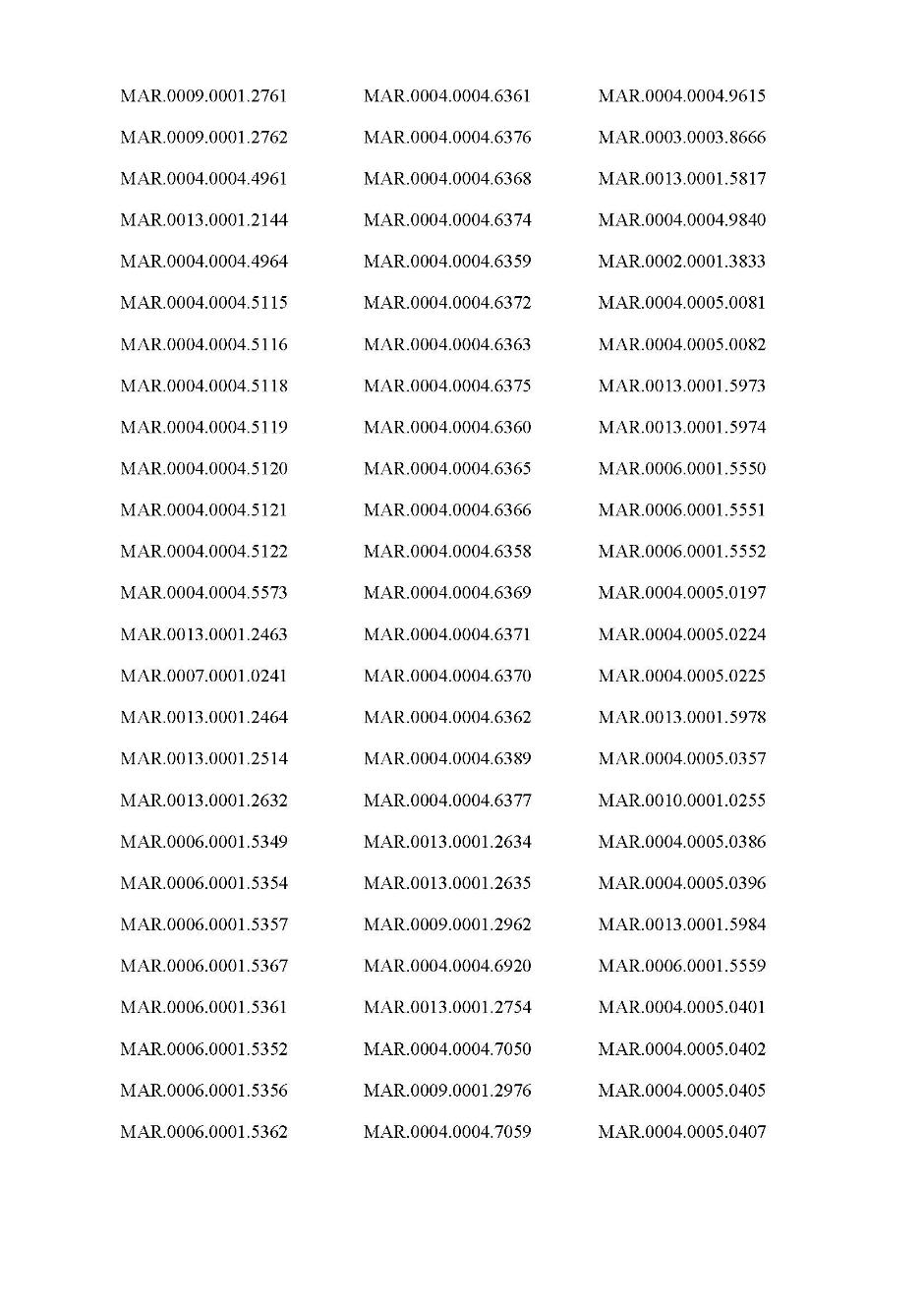
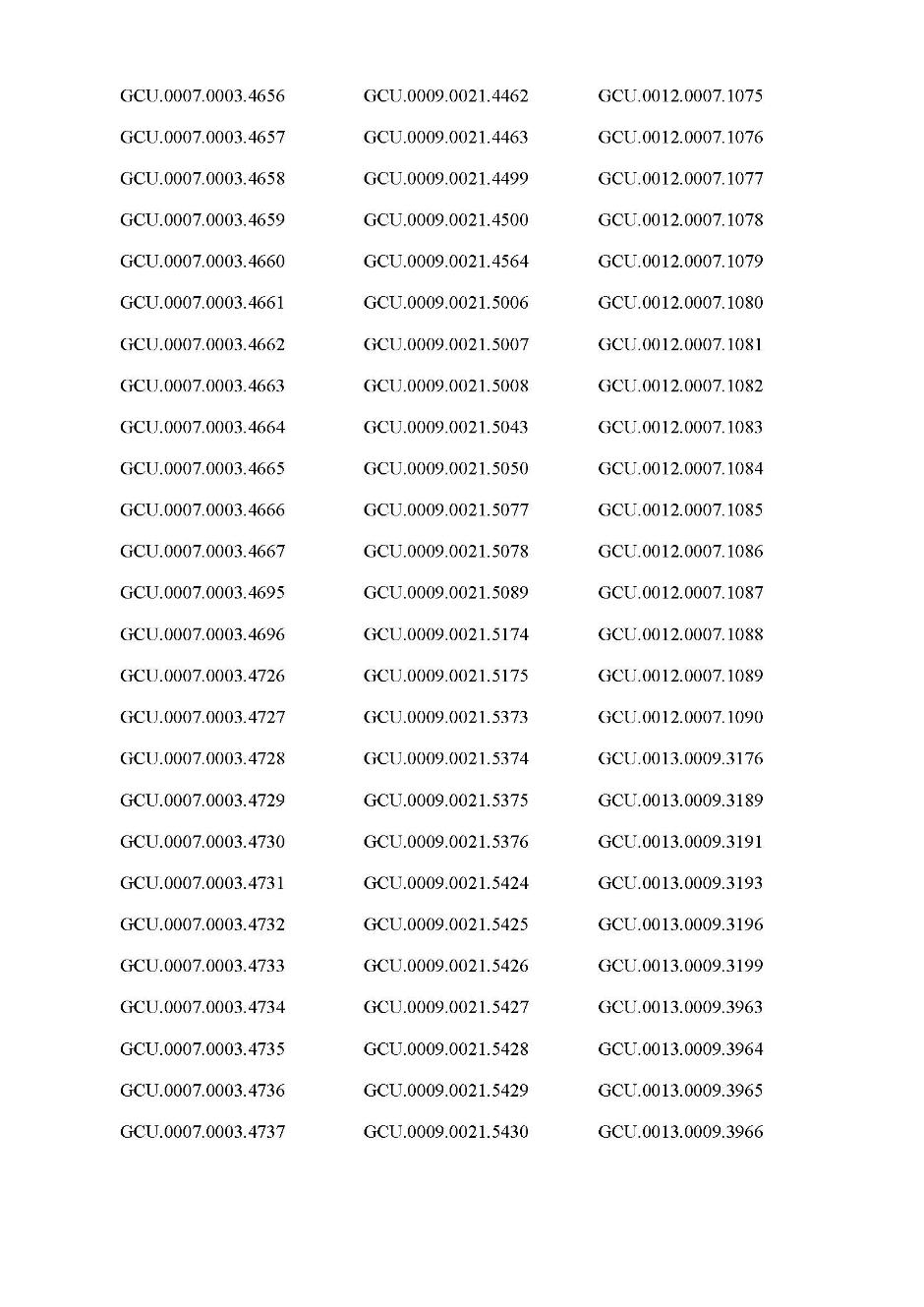
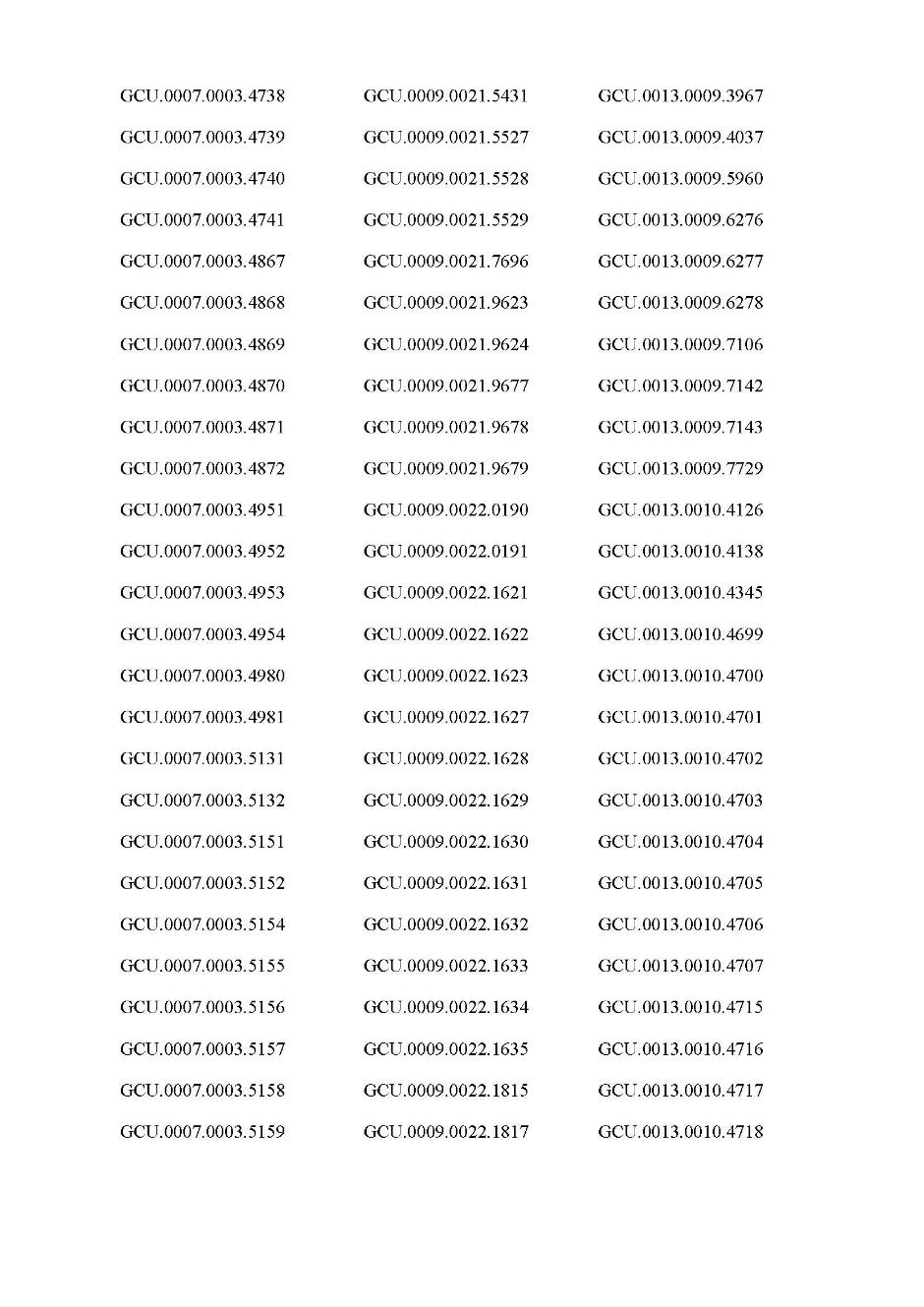
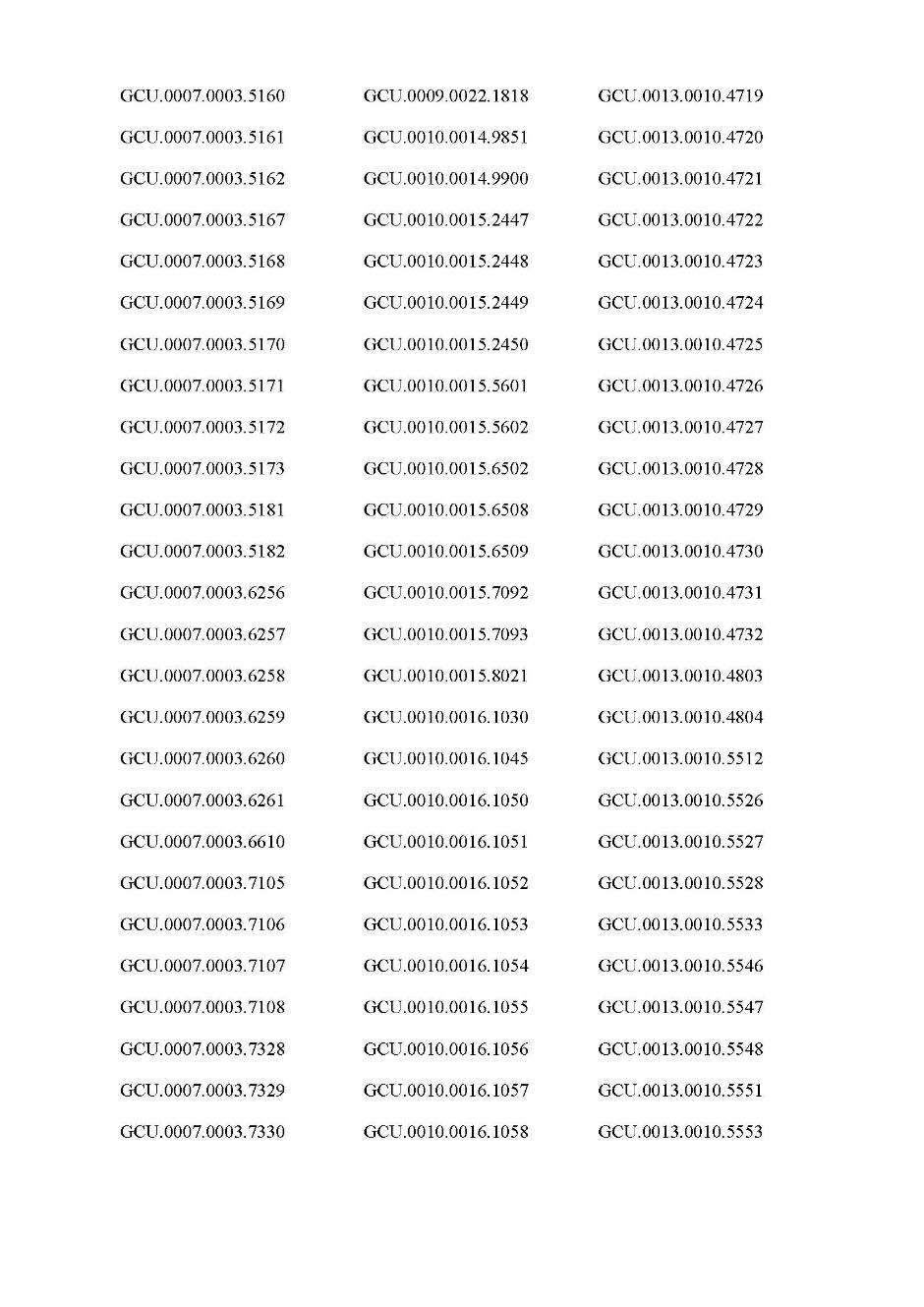
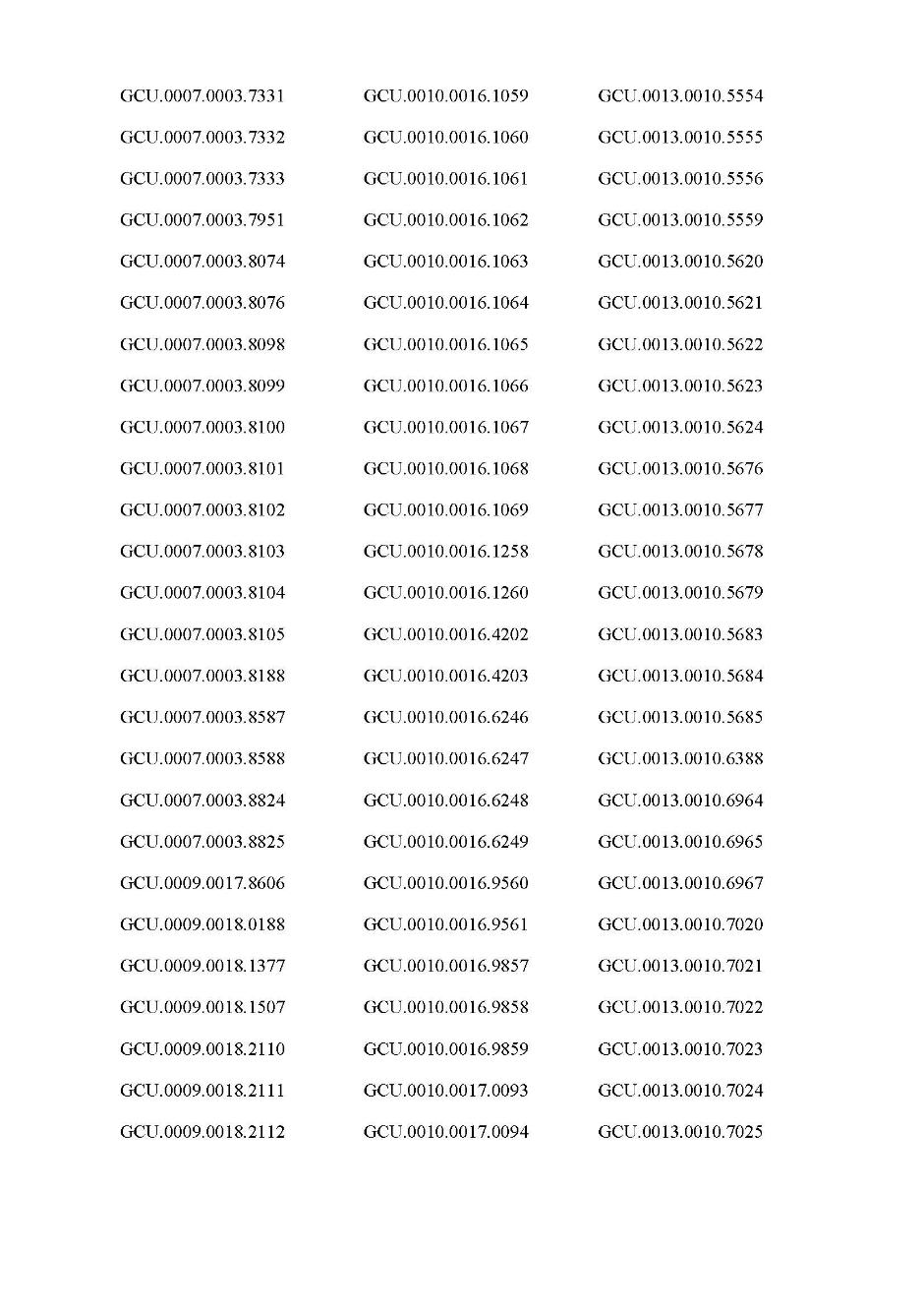
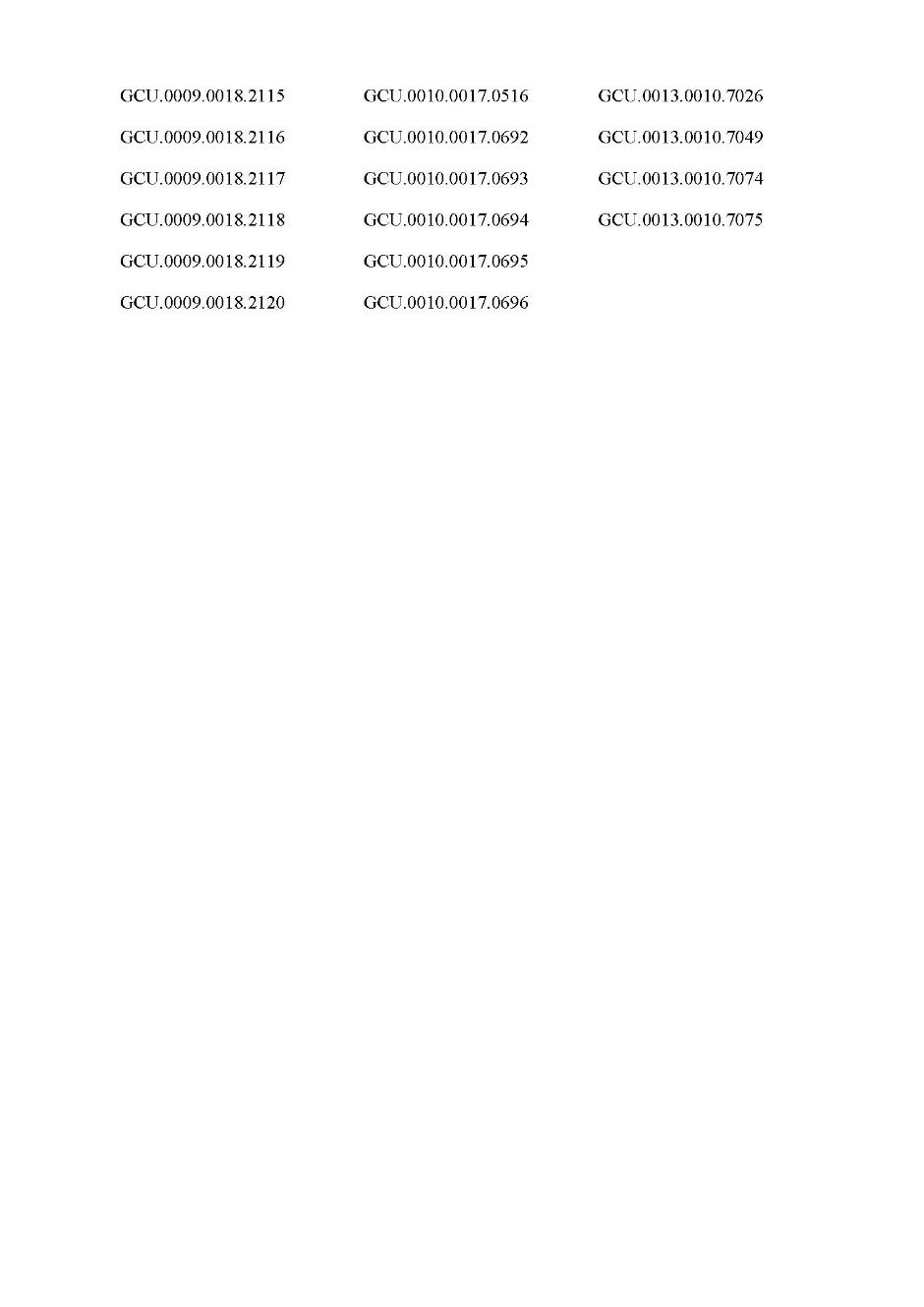
(a) The BCC/TM Parties reproduce the documents set out in Part 1 of Annexure A to these orders to the parties to the Proceedings in accordance with the electronic discovery protocol contained in Annexure A to the orders of Lee J dated 21 December 2023 (EEP) without any redactions for without prejudice privilege.
(b) IAL reproduce the document set out in Part 2 of Annexure A to these orders to the parties to the Proceedings in accordance with the EEP without any redactions for without prejudice privilege.
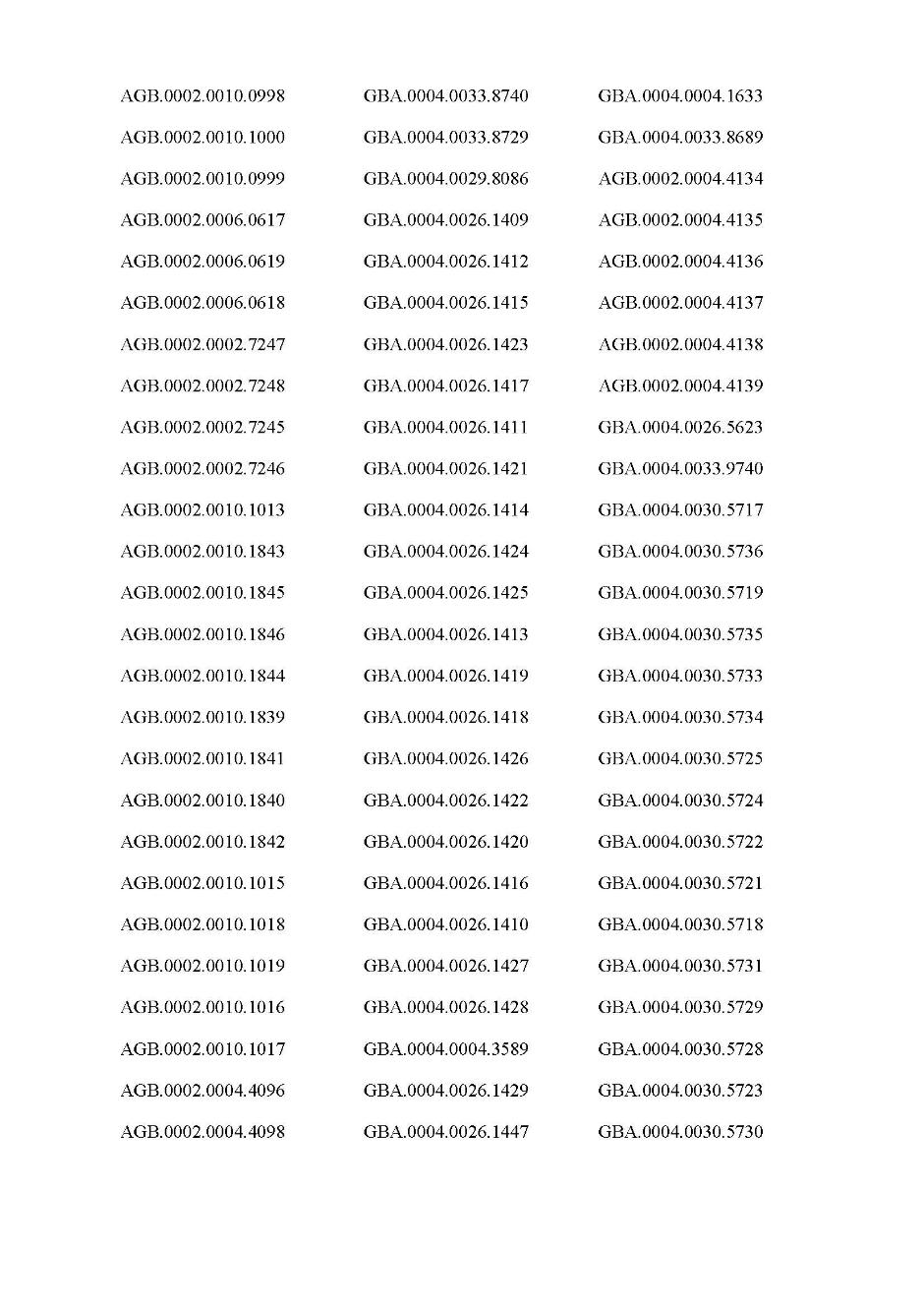
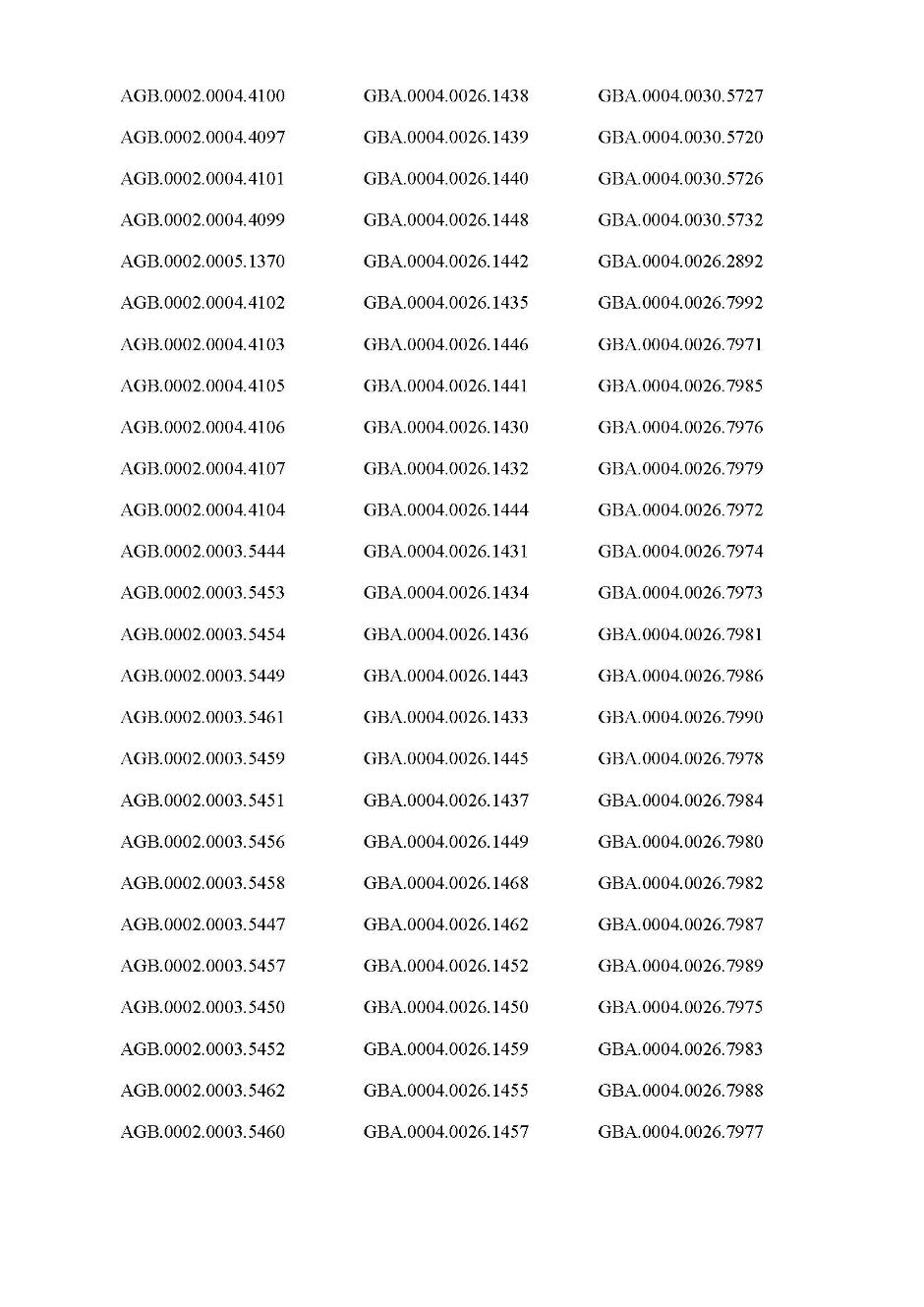
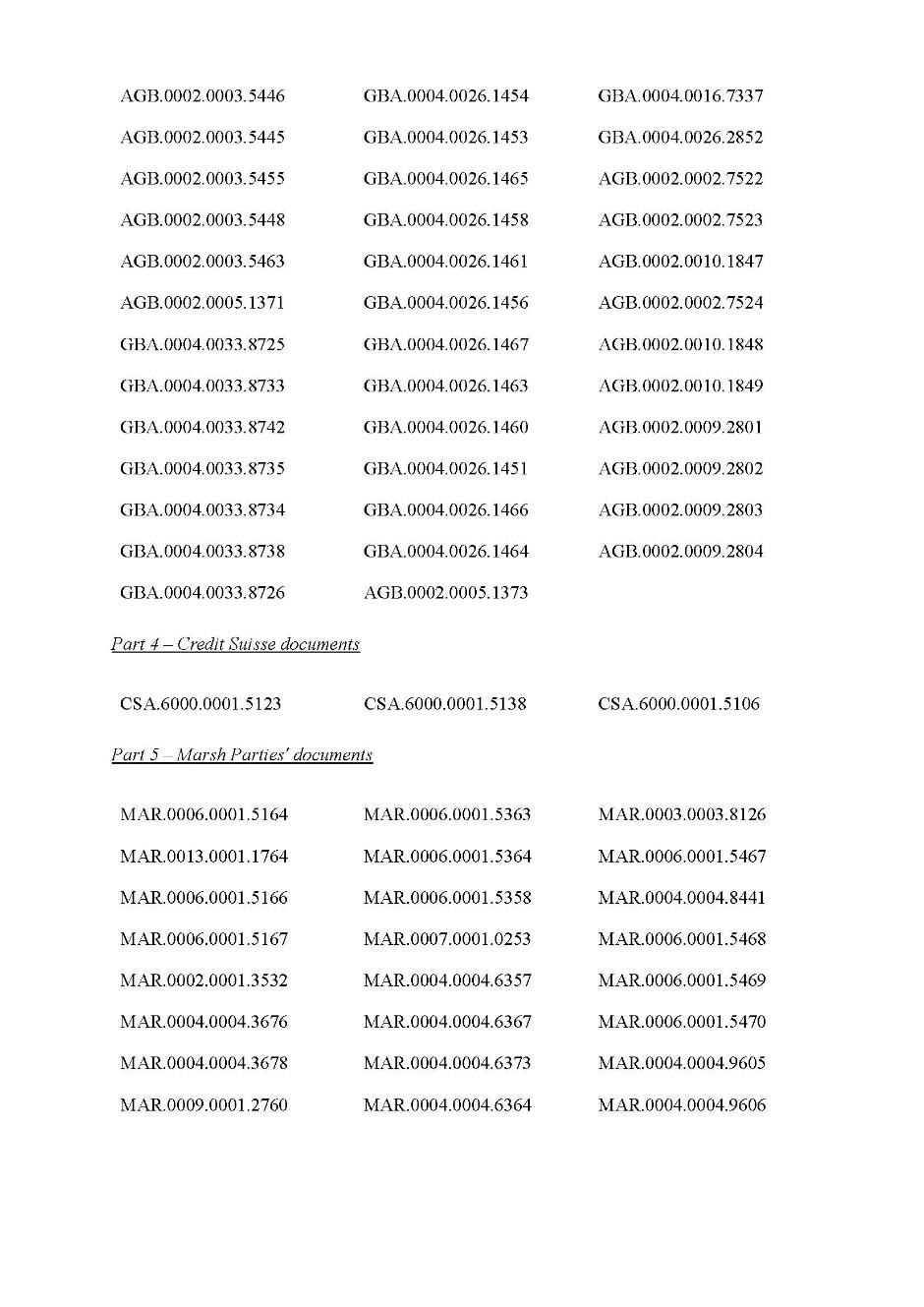
(c) The GBAG Parties reproduce the documents set out in Part 3 of Annexure A to these orders to the parties to the Proceedings in accordance with the EEP without any redactions for without prejudice privilege.
(d) Credit Suisse reproduce the documents set out in Part 4 of Annexure A to these orders to the parties to the Proceedings in accordance with the EEP without any redactions for without prejudice privilege.
(e) The Marsh Parties reproduce the documents set out in Part 5 of Annexure A to these orders to the parties to the Proceedings in accordance with the EEP without any redactions for without prejudice privilege.
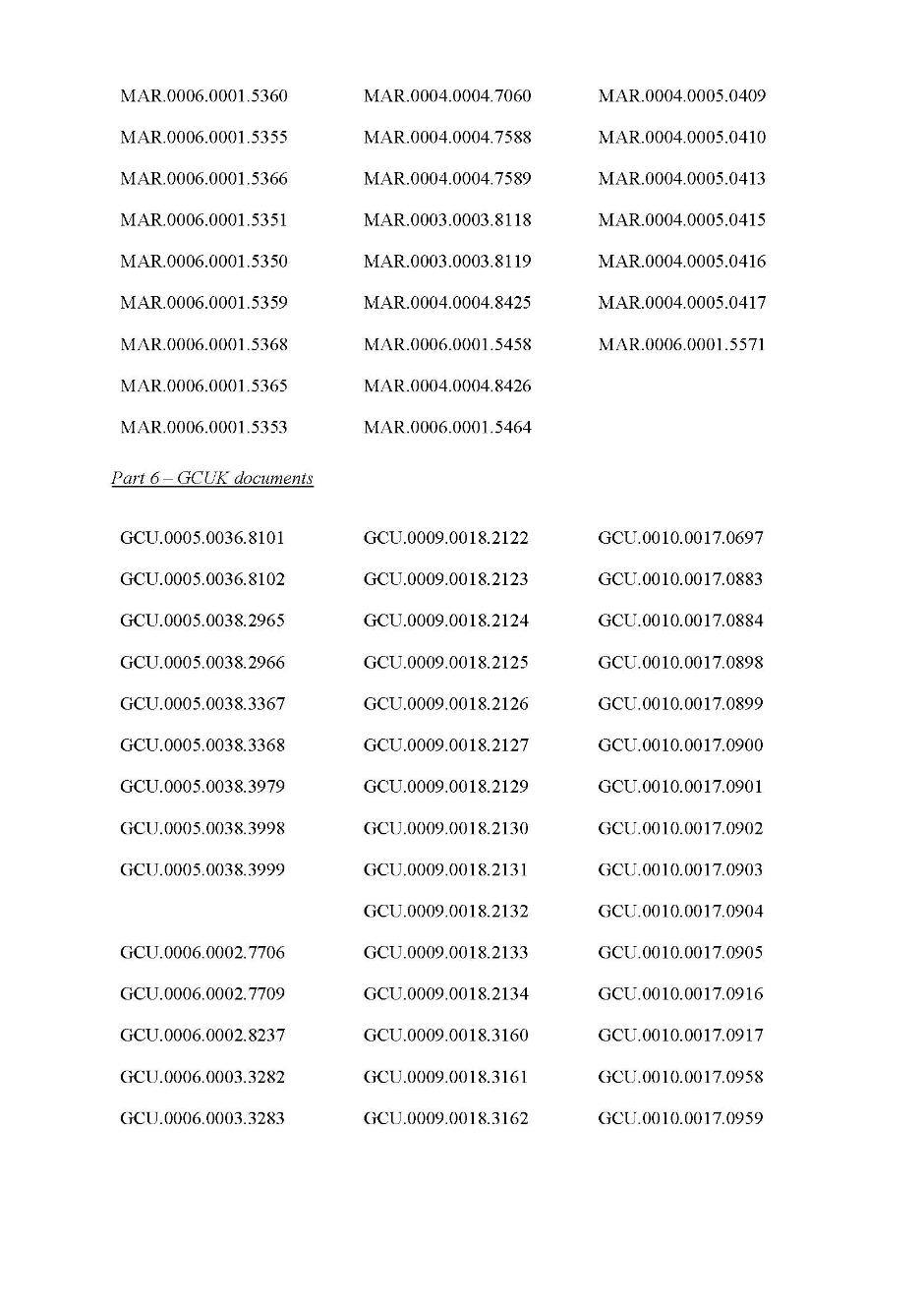
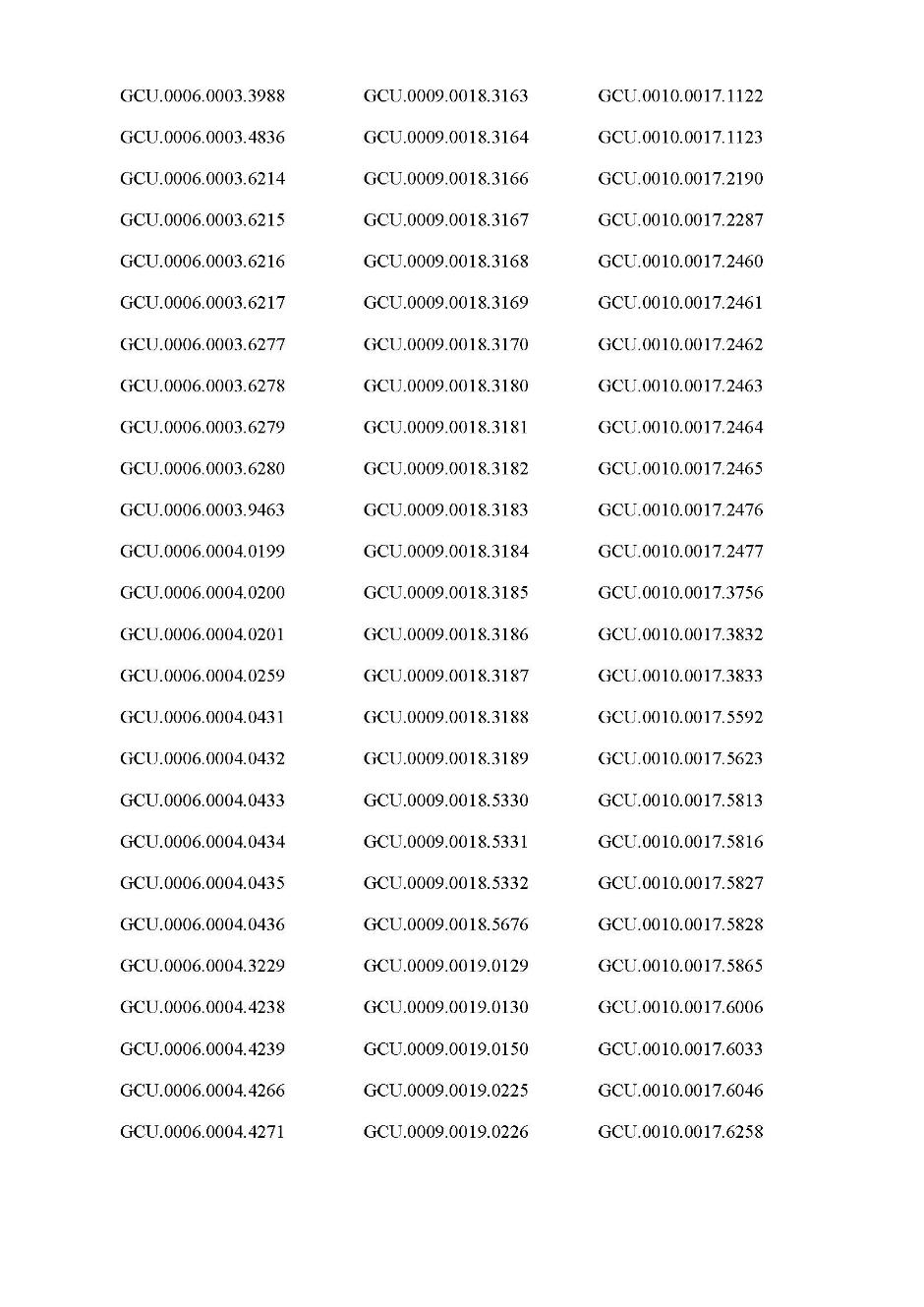
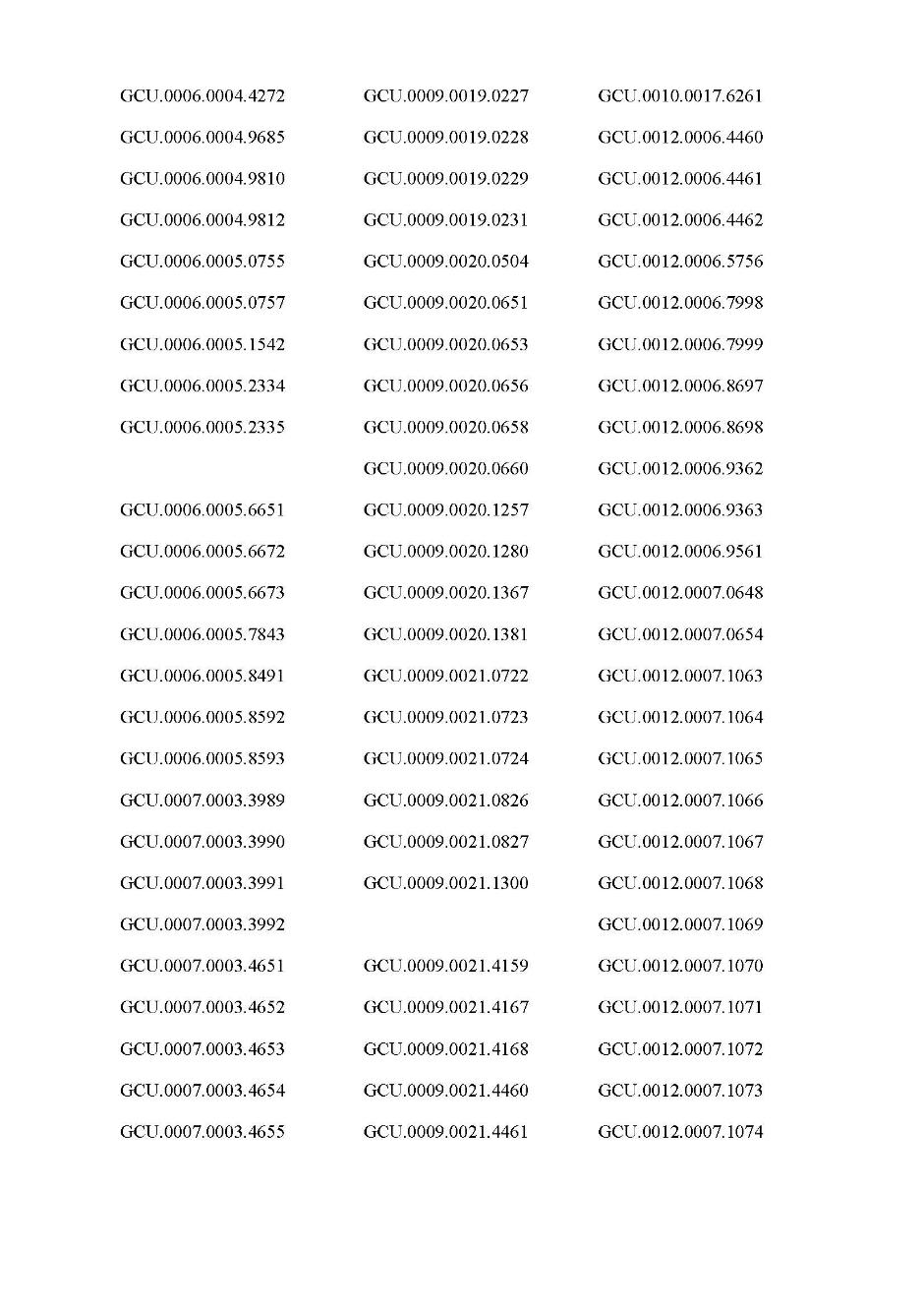
(f) GCUK reproduce the documents set out in Part 6 of Annexure A to these orders to the parties to the Proceedings in accordance with the EEP without any redactions for without prejudice privilege.
For the avoidance of doubt, these orders do not impact the rights of any of the producing parties in relation to claims of legal professional privilege over a document, or part of a document, referred to in Annexure A.
BCC/TM Parties’ discovery
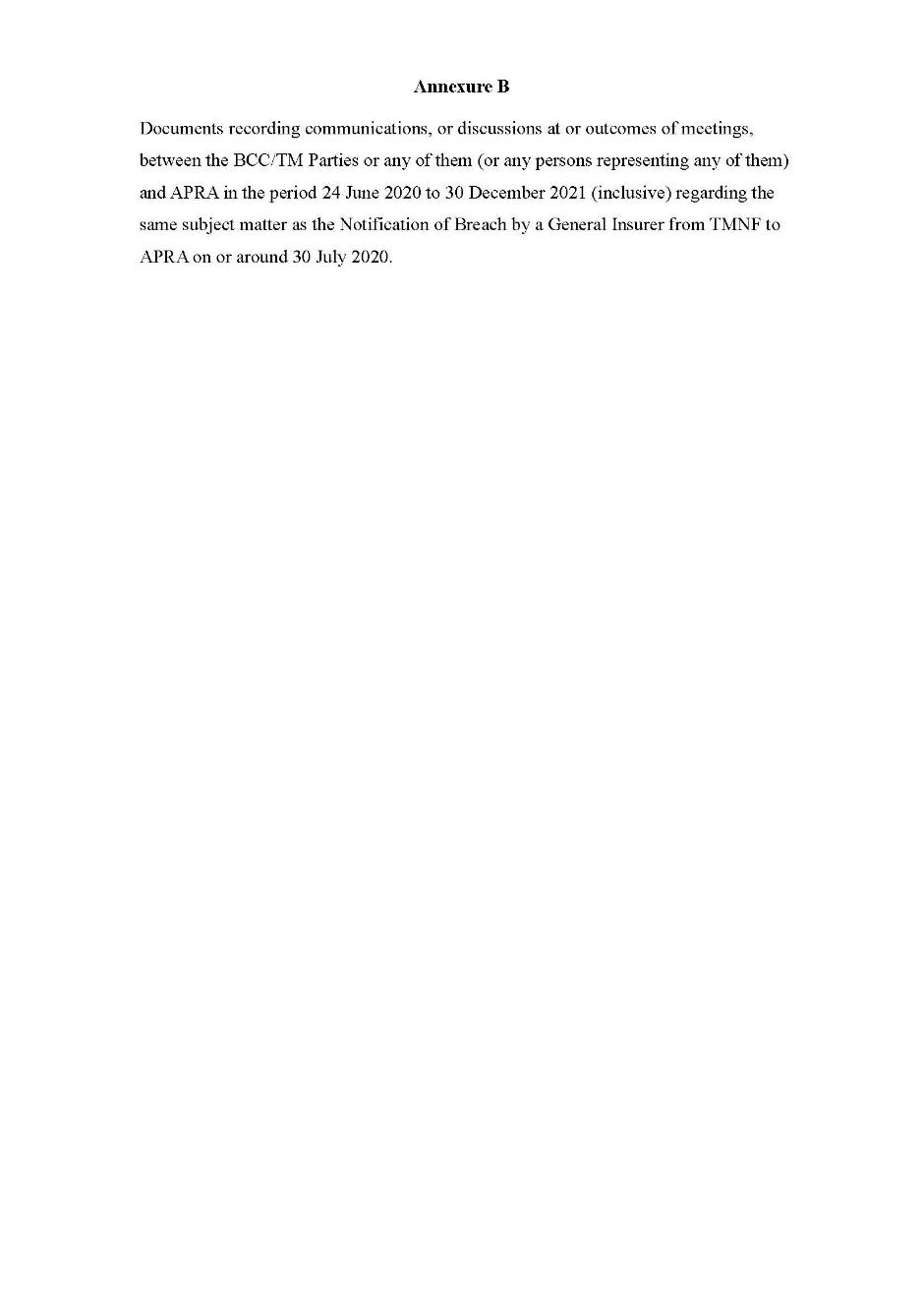
2. Pursuant to r 20.21(1) of the Federal Court Rules 2011 and further to paragraph 6 of the orders of Justice Lee dated 30 October 2023 (as amended), by 4.00 pm on 27 May 2026, the BCC/TM Parties file and serve an affidavit stating:
(a) whether any documents falling with the category set out in Annexure B to these orders (Application Documents) are in the control of the BCC/TM Parties;
(b) whether any Application Documents have been, but are no longer in the BCC/TM Parties’ control and, if so, when such documents were last in the BCC/TM Parties’ control and what became of them;
(c) the reasonable searches for the Application Documents undertaken by the BCC/TM Parties, including but not limited to any search terms applied; and
(d) any technology assisted review process utilised in respect of the BCC/TM Parties’ compliance with these orders.
3. The BCC/TM Parties produce the Application Documents to the parties to the Proceedings in accordance with the EEP.
Other orders
4. White Oak’s interlocutory application filed on 11 February 2026 (as amended) (White Oak Application) otherwise be dismissed.
5. The BCC/TM Parties’ interlocutory application filed on 10 March 2026 (BCC/TM Application) be dismissed (with no adjudication on the merits).
6. By 4.00 pm on 22 May 2026, White Oak and the BCC/TM Parties file and serve written submissions (of no more than 3 pages) on the costs of the White Oak Application and the BCC/TM Application.
7. Subject to further order, the matter of costs of the White Oak Application and the BCC/TM Application be determined on the papers.
Note: Entry of orders is dealt with in Rule 39.32 of the Federal Court Rules 2011.
REASONS FOR JUDGMENT
MOSHINSKY J:
Introduction
1 These reasons for judgment deal with an interlocutory application filed by the applicant (White Oak) dated 11 February 2026 by which it: challenges claims to without prejudice privilege made by the second, sixth and seventh respondents (the BCC/TM parties); and seeks further discovery of certain documents.
2 I note at the outset that another interlocutory application which was listed for hearing at the same time does not need to be dealt with substantively. This was an interlocutory application filed by the BCC/TM parties dated 10 March 2026 seeking to set aside a notice to produce served by White Oak. However, before the hearing, White Oak indicated that it would not call on the notice to produce. As a result, it was not necessary for the BCC/TM parties to pursue their interlocutory application.
3 Returning to White Oak’s interlocutory application, shortly before or during the hearing, each side abandoned parts of its case, resulting in a narrowing of the issues to be determined. In relation to the without prejudice privilege issue, the BCC/TM parties originally (that is, at the time White Oak’s interlocutory application was filed) claimed privilege over:
(a) 412 documents from among the documents produced by parties to the proceeding other than GCUK (Non-GCUK Documents); and
(b) 531 documents from among documents produced by GCUK (GCUK Documents).
(The reason for distinguishing between Non-GCUK Documents and GCUK Documents is explained later in these reasons.)
4 However, during the hearing, senior counsel for the BCC/TM parties indicated that the claim of privilege was no longer pressed in respect of a significant number of these documents. Following this reduction, the BCC/TM parties pressed privilege claims over:
(a) 176 Non-GCUK Documents; and
(b) 397 GCUK Documents.
5 A narrowing also took place in relation to White Oak’s application for further discovery. Originally, White Oak sought further discovery of 13 categories of documents listed in Annexure B to its interlocutory application. In White Oak’s written submissions, it indicated that it did not press certain categories. Then, in its reply written submissions, White Oak indicated that it only pressed category 11 in Annexure B.
6 The following material is relied on by the parties. White Oak relies on:
(a) three affidavits of Rehana Box, a partner of Ashurst Australia (Ashurst), the solicitors for White Oak, dated 11 February 2026, 6 March 2026 and 17 April 2026;
(b) an affidavit of Rani John, a partner of Ashurst, dated 22 April 2026; this affidavit exhibited as “Exhibit RSJ-2” the latest version of an Excel spreadsheet prepared by Ashurst listing the documents the subject of the without prejudice privilege claim together with certain key information about those documents (White Oak Spreadsheet); and
(c) the documents at tabs E1 to E5 of the (electronic) Court Book.
7 The BCC/TM parties rely on:
(a) an affidavit of Matt Andrews, a partner of Kennedys (Australasia) Partnership (Kennedys), the solicitors for the BCC/TM parties, dated 3 December 2025 (the Andrews Affidavit); this exhibited at page 32 of Exhibit “MJA-22” an Excel spreadsheet listing the 412 Non-GCUK Documents that were the subject of a without prejudice privilege claim (the Andrews Spreadsheet);
(b) an affidavit of David Chadwick, a partner of Kennedys (United Kingdom) Partnership, dated 9 April 2026 (the Chadwick Affidavit);
(c) two affidavits of Nicholas Josey, a solicitor employed by Kennedys, dated 7 April 2026 and 21 April 2026; Mr Josey’s affidavit of 21 April 2026 exhibited at page 3 of Exhibit “NJJ-12” a spreadsheet listing the GCUK Documents that he said were the subject of without prejudice privilege (the Josey Spreadsheet);
(d) three affidavits of Nicola McGrady, a solicitor employed by Kennedys, dated 10 March 2026, 7 April 2026 and 17 April 2026; and
(e) three additional documents.
8 At the hearing, the BCC/TM parties invited me to inspect the documents that were the subject of the without prejudice privilege claim. These had not been provided to the Court, as White Oak opposed the Court inspecting the documents (on the basis that the BCC/TM parties’ affidavit material was insufficient to sustain the privilege claim). I indicated that I was content for the BCC/TM parties to provide a copy of the documents to my chambers, so that I had them available if I decided it was appropriate to inspect them. Following the hearing, the BCC/TM parties provided electronic copies of the documents to my chambers, arranged in two bundles, comprising the Non-GCUK Documents and the GCUK Documents. Also provided (as discussed during the hearing) were two Excel spreadsheets (one for each bundle) listing the documents that had been provided. I note also that in an email to my chambers dated 25 April 2026 (at 9.44 pm) the solicitors for the BCC/TM parties indicated that the privilege claim in respect of the Non-GCUK Documents had been further narrowed to 165 documents. Further, they indicated that the BCC/TM parties no longer pressed the privilege claim in respect of two GCUK Documents.
9 I will first consider the without prejudice privilege issue. I will then consider the application for further discovery.
Without prejudice privilege issue
Overview
10 The main issues between the parties are:
(a) whether the BCC/TM parties have provided sufficient evidence to substantiate their privilege claims;
(b) whether the Court should inspect the documents in dispute; and
(c) whether, if privilege is otherwise established, there has been a waiver of the privilege.
11 As set out in the Introduction above, a distinction has been drawn between Non-GCUK Documents and GCUK Documents. This distinction has been made in the parties’ evidence and submissions. It reflects the fact that, at one stage, the BCC/TM parties destroyed their copies of the relevant GCUK Documents (following a “claw back” of the documents by GCUK pursuant to the electronic discovery protocol in place in the proceeding and the related proceedings which are being jointly case managed in this Court and are referred to as the “Greensill Proceedings” in Court orders and other documents) and therefore these documents were not readily available to the BCC/TM parties. Subsequently, the BCC/TM parties obtained further copies of the GCUK Documents and prepared evidence about these documents.
The parties’ submissions
12 In brief summary, White Oak contends that the evidence relied on by the BCC/TM parties is inadequate to substantiate their claim of without prejudice privilege, a point that White Oak made repeatedly in correspondence with the BCC/TM parties.
13 White Oak submits that, in circumstances where the BCC/TM parties’ evidence is insufficient to substantiate the privilege, the Court should not inspect the documents. White Oak submits that inspection should only be used to check or confirm that documents are privileged where a party has, through its evidence, substantiated its claim for privilege.
14 White Oak further contends that, if privilege is otherwise established, there has been a waiver of privilege in respect of a significant portion of the relevant documents. In White Oak’s written submissions (referring to the documents over which privilege was originally claimed), White Oak submits:
(a) First, any privilege has been waived over the 919 documents discovered and produced in this proceeding by parties other than the BCC/TM parties, without any claim for privilege being made.
(b) Secondly, privilege has been waived over 316 documents that were included in the trial bundle and were in evidence in proceedings in the United Kingdom commenced by White Oak against Marsh Ltd (Marsh) in relation to White Oak’s investment in the Greensill Liberty Commodities Limited Receivable Purchase Agreement programme (referred to in [43] of Ms Box’s affidavit dated 6 March 2026) (the English Proceedings).
(c) Thirdly, 83 documents have been relied on by the parties in this proceeding, variously in their pleadings, evidence and tender lists.
15 In White Oak’s reply submissions, it also raised a contention that without prejudice privilege could not be maintained because the communications were in furtherance of a fraud. There was insufficient time during the hearing for the parties to address this contention. It was left on the basis that White Oak reserved its position to seek to raise this later if necessary.
16 In response, the BCC/TM parties submit that their evidence is sufficient to substantiate the claim of without prejudice privilege. In oral submissions, senior counsel for the BCC/TM parties emphasised that without prejudice privilege is different to legal professional privilege. In the case of without prejudice privilege, both parties to the negotiation know the content of the communication and the primary purpose of the privilege is the public interest in facilitating the settlement of disputes. While in the case of legal professional privilege it is necessary to have evidence as to the dominant purpose of the communication, in the case of without prejudice privilege it is only necessary to show that the communication was part of genuine negotiations to settle a dispute. He submitted that this was an issue of fact to be determined objectively.
17 Senior counsel for the BCC/TM parties referred to the electronic discovery protocol. He submitted that, under that protocol, parties have the ability to claw back documents that have been inadvertently discovered or produced, as occurred here in relation to the relevant documents. He submitted that White Oak has access to metadata about the relevant documents and therefore the complaint that each document has not been addressed in evidence “rings rather hollow”.
18 Senior counsel for the BCC/TM parties submitted that the Court has a broad discretion to inspect documents that are the subject of a claim for without prejudice privilege. In this regard, there is no distinction between without prejudice privilege and legal professional privilege. He submitted that the circumstances in which the Court should inspect the documents in dispute are not as confined as White Oak submitted.
19 In relation to waiver, senior counsel for the BCC/TM parties submitted that without prejudice privilege is a joint privilege of the negotiating parties and cannot be waived by the unilateral action of one of the negotiating parties. He submitted that each of the cases relied on by White Oak in relation to waiver was distinguishable.
Consideration
20 There is no issue between the parties as to the meaning of “without prejudice privilege”. A convenient statement of what is covered by this expression is set out in Heydon, JD, Cross on Evidence (LexisNexis, 13th Australian ed, 2021) at [25350]:
As part of an attempt to settle a dispute, the parties frequently make statements “without prejudice”. When this is done, the contents of the statement cannot be put in evidence without the consent of both parties, the case being one of joint privilege. This is so whether the parties are endeavouring to settle the whole of the dispute or only particular aspects of it. The privilege rests on the basis that evidence may not be given in court about what was said, but does not create a ban preventing a party from making any use at all of what was said. The statements often relate to the offer of a compromise, and, were it not for the privilege, they would constitute significant items of evidence on the ground that they were admissions. However, the rule is not confined to admissions; it extends to all bona fide without prejudice statements which touch upon the strengths or weaknesses of the parties’ cases or place a valuation on a party’s rights.
(Footnotes omitted.)
21 The first issue to be addressed is whether the BCC/TM parties have substantiated their claims of without prejudice privilege.
22 The affidavit material filed by the BCC/TM parties (in particular, the Andrews Affidavit) arranges the disputed documents into four categories: see the Andrews Affidavit at [17] and the Andrews Spreadsheet. The first three categories relate to negotiations in relation to a dispute between the BCC/TM parties and Insurance Australia Ltd (on the one hand) and GCUK, GCPL and GBAG (on the other hand) regarding the validity of certain policies of insurance (the Main Dispute). The fourth category relates to negotiations in relation to a dispute between certain parties regarding the claim that is the subject of proceeding NSD 110 of 2022 (referred to as the “NMC Matter” in Court orders relating to the Greensill Proceedings) (the NMC Dispute).
23 I will deal first with the first three categories and then deal separately with the fourth category.
24 The evidence in support of the claim for privilege in relation to the first three categories of disputed documents (i.e. those relating to the Main Dispute) is principally located in:
(a) the Andrews Affidavit at [17(a)-(c)] and [20]-[24] (in relation to Non-GCUK Documents); and
(b) Mr Josey’s 21 April 2026 affidavit at [16], [17(a)-(c)] and [18]-[19] (in relation to GCUK Documents).
25 In the Andrews Affidavit, Mr Andrews gives the following evidence in relation to Non-GCUK Documents falling in the first three categories:
17. Broadly, the 412 [Non-GCUK] documents the subject of the BCC / TM Parties’ claim for without prejudice privilege fall within four categories:
(a) first, documents that constitute direct communications between Chris Williams, Chairman of International Business, Tokio Marine HCC and Mr Lex Greensill, made in the context of ongoing efforts to resolve the Dispute;
(b) secondly, documents that disclose the content or substance of direct communications between Mr Williams and Mr Greensill;
(c) thirdly, documents that record or evidence communications which are otherwise aimed at resolving the Dispute; and
…
18. Within the [Andrews] Spreadsheet, there are six tabs:
(a) Tab 1 is a complete list of documents the subject of the Order;
(b) Tab 2 identifies the 412 [Non-GCUK] documents over which a claim for without prejudice privilege is pressed by the BCC / TM Parties; and
(c) Tabs 3 to 6 correspond to the categories outlined above.
19. I address each of the categories below.
Direct Communications between Mr Williams and Mr Greensill [i.e. category 1]
20. I am informed by Mr Williams and verily believe that:
(a) at all times during negotiations to resolve the Dispute, Mr Williams was the Senior Managing Executive Director, Co-CRSO & Co-Head of International Business at Tokio Marine Holdings, Inc (TMHD);
(b) beginning in or about August 2020, Mr Williams was tasked by Tokio Marine HCC to take steps to attempt to resolve the Dispute;
(c) Mr Williams met with Mr Greensill, the principal of the entire Greensill group, other representatives of GCUK and Marsh by teleconference on 27 August 2020, on a without prejudice basis, to discuss how the matters the subject of the Dispute might be resolved without the need for litigation;
(d) Mr Williams met with, and corresponded with, Mr Greensill and representatives of Marsh, on a without prejudice basis, regularly in the period between that day and 1 March 2021 with a view to progressing those negotiations;
(e) at all times during the negotiations to resolve the Dispute, Mr Williams understood that he acted for TMHD and did not consider himself to be answerable to or authorised to act on behalf of the BCC / TM Parties;
(f) at all times during the negotiations to resolve the Dispute, Mr Williams nonetheless understood that the negotiations in which he was engaged were for the benefit of the Tokio Marine group as a whole, including the BCC / TM Parties, insofar as the failure to resolve the Dispute would have disadvantaged the Tokio Marine group; and
(g) at all times during the negotiations to resolve the Dispute, Mr Williams’ understanding was that the parties were negotiating and corresponding on a without prejudice basis.
21. Tab 3 of the Spreadsheet identifies the documents falling within this category.
Indirect Communications between Mr Williams and Mr Greensill [i.e. category 2]
22. A number of the documents over which the BCC / TM Parties assert claims for without prejudice privilege are not direct communications between Mr Williams and Mr Greensill regarding negotiations to resolve the Dispute, but nonetheless reveal the contents of those communications. Tab 4 of the Spreadsheet identifies the documents falling within this category.
Other without prejudice communications [i.e. category 3]
23. At various times in the relevant period, individuals associated with the BCC / TM Parties supported the negotiations to resolve the Dispute and, to that end, participated in without prejudice communications with one or more of Marsh, GCUK, GCPL and GBAG. Those individuals included Toby Guy, the CEO of Tokio Marine Management Australia (TMMA), and Mr Callahan of TMMA.
24. Tab 5 of the Spreadsheet identifies the documents falling within this category.
26 The approach taken by Mr Josey’s 21 April 2026 affidavit (in relation to the GCUK Documents) is similar.
27 In my view, the evidence relied on by the BCC/TM parties in relation to the first three categories of disputed documents is insufficient to establish that the documents are subject to without prejudice privilege. The evidence contained in the Andrews Affidavit is general, conclusionary and not tied to specific documents. While evidence is given on an “information and belief” basis from Mr Williams (a person involved in the negotiations in relation to the Main Dispute) the affidavit does not include any evidence from Mr Williams about the specific documents.
28 Further, in relation to the first category of documents, Mr Andrews says that the documents constitute direct communications between Mr Williams and Mr Greensill “in the context” of ongoing efforts to resolve the Main Dispute. A communication made “in the context” of ongoing efforts does not necessarily meet the description of a without prejudice communication, which is a communication made (expressly or impliedly) on a “without prejudice” basis in an attempt to settle a dispute. The further description of category 1 at [20]-[21] of the Andrews Affidavit does not take things any further. Notably, these paragraphs do not contain any statement about the contents or nature of any particular documents, or any detailed explanation as to why it is said that they constitute without prejudice communications.
29 The evidence in the Andrews Affidavit about categories 2 and 3 is equally unsatisfactory. It is general and conclusionary. It does not include any description of specific documents. It is not expressed in terms which make clear that each document in each of these categories is privileged.
30 Further, the reliability of Mr Andrews’ evidence that all the documents to which he refers are privileged is severely undermined by the fact that the BCC/TM parties now do not press their claim of privilege over a large number of these documents. Mr Andrews’ evidence related to the Non-GCUK Documents. At the time he prepared his affidavit, the BCC/TM parties were claiming privilege over 412 Non-GCUK Documents. Mr Andrews gave evidence that all of these documents were privileged. However, at the hearing, the BCC/TM parties only pressed the claim of privilege for 176 Non-GCUK Documents. No supplementary affidavit of Mr Andrews was provided explaining why, of the 412 documents that were said to be privileged, only 176 were now the subject of a privilege claim. This illustrates the problem with evidence expressed generally rather than specifically.
31 During the hearing, counsel for White Oak took the Court to correspondence in which White Oak raised with the BCC/TM parties deficiencies in their evidence. This was also raised in White Oak’s written submissions. Thus, the BCC/TM parties were squarely on notice of the deficiencies in their evidence and had the opportunity to rectify this.
32 While there are differences between legal professional privilege and without prejudice privilege, I do not consider that this obviates the need for specific evidence that links the documents in issue with negotiations conducted on a without prejudice basis in an attempt to settle a dispute. Evidence of that kind is lacking here.
33 Most of the same points apply to the evidence in Mr Josey’s 21 April 2026 affidavit about the GCUK Documents in categories 1, 2 and 3. Mr Josey was not a party to the communications and does not give evidence on an “information and belief” basis from anyone who was. The evidence is general and conclusionary; it does not relate to specific documents.
34 Further, Mr Josey’s evidence suffers from the same reliability issue as Mr Andrews’. Mr Josey gave evidence that 423 GCUK Documents were privileged (this number is the total of the numbers referred to in [17] of his 21 April 2026 affidavit), but at the hearing the BCC/TM parties only pressed privilege claims for 397 GCUK Documents. No explanation has been provided in evidence for this change.
35 In light of the deficiencies with the evidence in relation to categories 1 to 3 discussed above, I am not prepared to inspect the documents in categories 1 to 3. Given that the BCC/TM parties were clearly on notice of the deficiencies with their evidence and did not put on further evidence, I do not consider it appropriate for the Court to inspect the documents. Without the benefit of specific evidence (or specific submissions), this would likely be a burdensome task for the Court. In Perazzoli v Bank SA, a division of Westpac Banking Corporation Ltd [2017] FCAFC 204, the Full Court (Perram, Foster and Murphy JJ) said at [101] that “[a] party should not assume that a court will take the time and trouble to examine a multitude of documents in a privilege dispute if the party cannot muster sufficient interest in the protection of its right to privilege by putting on appropriate evidence in support of the claim”, citing Bailey v Department of Land and Water Conservation [2009] NSWCA 100 at [2] per Allsop P. That statement is apposite here.
36 Although the circumstances are not the same, I note also the considerations referred to by the New South Wales Court of Appeal in declining to inspect documents in Rinehart v Rinehart [2016] NSWCA 58: see, in particular, [29]-[31] and [35].
37 For the reasons given above, I consider the evidence in relation to categories 1 to 3 to be insufficient to establish that the communications are subject to without prejudice privilege. In light of this conclusion, it is unnecessary to consider the waiver issues in relation to those categories.
38 I turn now to category 4 (which relates to the NMC Dispute). The key evidence in relation to this category is contained in the Chadwick Affidavit at [7], where Mr Chadwick states:
At paragraphs 25 to 27 of the Andrews Affidavit, Mr Andrews addresses the claims for without prejudice privilege made by the BCC/TM Parties in respect of the NMC Claim (as defined in paragraph 17(d) of the Andrews Affidavit). At paragraph 26, he deposes to having been informed by me of the nature of the negotiations conducted in respect of the NMC Claim. I confirm that:
(a) I was involved in the resolution of the NMC Claim on behalf of the BCC/TM Parties;
(b) I was authorised by the BCC/TM Parties to, and did, communicate with Credit Suisse for the purposes of attempting to resolve the NMC Claim;
(c) I have reviewed the documents contained at Tab 6 of the [Andrews] Spreadsheet …, which are communications that either I, or someone authorised by me, sent or received;
(d) those communications were exchanged in furtherance of the without prejudice discussions in which I engaged on behalf of the BCC/TM Parties and which led to the partial resolution of the NMC Claim; and
(e) paragraph 26 of the Andrews Affidavit is a true and accurate statement in respect of those documents.
39 Although this evidence is expressed as confirmatory of Mr Andrews’ evidence relating to category 4 (in relation to the Non-GCUK Documents), it goes further. Mr Chadwick states that he was personally involved in seeking to resolve the NMC Dispute and was party to the relevant communications: he states that each of the documents was a communication that he, or someone authorised by him, sent or received. Having examined the documents, he states that the communications were exchanged “in furtherance of the without prejudice discussions in which [he] engaged on behalf of the BCC/TM parties and which led to the partial resolution of the NMC Claim”. Although expressed globally in relation to all of the documents, this statement is more specifically worded and makes clear that the communications were in furtherance of an attempt to settle a dispute (in contrast to merely being “in the context” of settlement negotiations). Therefore, in my opinion, this does provide sufficient evidence to (at least prima facie) establish that the documents are privileged.
40 I note that there is no comparable evidence relating to the GCUK Documents in category 4. Mr Josey’s 21 April 2026 affidavit, which deals with the GCUK Documents, refers to the documents in category 4 at [17(d)], but this is expressed in general and conclusionary terms (and uses the words “in respect of” negotiations).
41 In light of the (marginally) better quality evidence in relation to category 4, I considered it appropriate to inspect the documents falling in category 4 (both the Non-GCUK Documents and GCUK Documents) to assist my consideration of whether these documents are subject to without prejudice privilege. The relevant documents are identified in the two Excel spreadsheets that accompanied the documents provided by the BCC/TM parties to the Court after the hearing. The spreadsheets indicate, for each document, whether the privilege claim relates to the full document or only part of the document. In the latter case, the copy of the document provided to the Court has yellow highlighting on the parts that are the subject of the privilege claim. In the case of the Non-GCUK Documents, the category 4 documents are at Tabs 135 to 165. In the case of the GCUK Documents, the category 4 documents are at Tabs 418 to 422.
42 Having reviewed each of the category 4 documents, subject to the issue of waiver, I am satisfied that each of the documents is fully privileged (in the cases where privilege is claimed over the full document) or partly privileged (in the cases where privilege is claimed over part of the document). In relation to the Non-GCUK Documents, I consider that the description in [7(d)] of the Chadwick Affidavit is accurate in respect of each document (to the extent that privilege is claimed in relation to the document). In relation to the GCUK Documents, there are five documents in issue and each is subject to a claim of privilege over part of the document. It is apparent from the text of the relevant part of each document (read in the context of the evidence in the Chadwick Affidavit) that the relevant part constitutes a communication between the BCC/TM parties and Credit Suisse conducted on a “without prejudice” basis in an attempt to settle the NMC Dispute.
43 It is not easy to ascertain from the materials whether the waiver issue in relation to the English Proceedings applies to the category 4 documents. Against the possibility that it does apply to these documents (or some of them), I will deal with this issue. In general, one of the negotiating parties cannot unilaterally waive the privilege; it is in this sense that the privilege is described as a “joint privilege”: see Yokogawa Australia Pty Ltd v Alstom Power Ltd [2009] SASC 377; 262 ALR 738 (Yokogawa) at [89] per Duggan J (Sulan J agreeing). The situation may be different, however, where one of the negotiating parties is involved in litigation with a non-negotiating party. In that situation, it seems that the conduct of the negotiating party can, depending on the circumstances, constitute a waiver vis-à-vis the non-negotiating party: Yokogawa at [96]. However, the conduct of one negotiating party would not ordinarily preclude the other negotiating party from relying on the privilege. If it is the case that some of the category 4 documents were disclosed or used in the English Proceedings, they were not disclosed by the BCC/TM parties (which were not parties to the English Proceedings). In these circumstances, in my opinion, the disclosure or use of the documents could not constitute a waiver of the privilege for the purposes of this proceeding. Further, while the BCC/TM parties had a junior solicitor attend court during the English Proceedings and while the BCC/TM parties received copies of some submissions filed in those proceedings, I am not satisfied that not seeking (for example) to challenge the tender or use of the documents constituted inconsistent conduct amounting to a waiver.
44 Insofar as the waiver contention relates to the discovery and production of category 4 documents by parties other than the BCC/TM parties in the course of this proceeding, as set out above, the conduct of one negotiating party would not ordinarily preclude the other negotiating party from relying on the privilege. Accordingly, here, I do not consider the actions of parties other than the BCC/TM parties to preclude the BCC/TM parties from relying on the privilege for the purposes of this proceeding. Further, insofar as it is contended that the BCC/TM parties waived privilege by taking a long time to raise the privilege issue, given the size of the litigation and the number of documents involved, I am not satisfied that this was inconsistent conduct constituting waiver.
45 The third waiver contention is that 83 documents have been relied on by the parties in this proceeding, variously in their pleadings, evidence and tender lists. If and to the extent that this contention relates to category 4 documents, I am not satisfied that this constituted a waiver. Insofar as this conduct was by other parties, consistently with the reasoning above, I do not consider this to constitute a waiver. Insofar as the BCC/TM parties may be said to have delayed in raising the privilege point, given the size of the litigation and the number of documents, I am not satisfied that this was inconsistent conduct constituting waiver.
46 For these reasons, subject to the fraud contention, I uphold the privilege claims in relation to the category 4 documents.
47 It is not clear whether White Oak seeks to raise the fraud contention in relation to the category 4 documents. I will raise this with the parties before making orders.
Further discovery application
48 As noted above, White Oak presses its application for further discovery only in relation to category 11 of Annexure B to its interlocutory application. Category 11 is as follows:
Documents recording communications, or discussions at or outcomes of meetings, between the BCC/TM Parties or any of them (or any persons representing any of them) and APRA in the period 24 June 2020 to 30 December 2021 (inclusive) regarding the same subject matter as the Notification of Breach by a General Insurer from TMNF to APRA on or around 30 July 2020.
49 The application for further or particular discovery is brought under r 20.21(1) of the Federal Court Rules 2011. There is no dispute between the parties as to the applicable principles for further discovery. In the case of an application following allegedly deficient discovery, the discovery applicant must generally show that “there are reasonable grounds for being fairly certain that there are other relevant documents”: Mining Standards International Pty Ltd v Atlantic Nickel Mineracao Ltda (No 5) [2025] FCA 1261 at [17] per Derrington J.
50 White Oak notes in its written submissions that TMNF’s notification to APRA (dated 30 July 2020) has been discovered. The notification was accompanied by an attachment, an extract of which appears in White Oak’s written submissions.
51 On this issue, White Oak relies on Ms Box’s affidavit dated 6 March 2026, particularly at [68]-[69]. Having reviewed those paragraphs, I consider that there are reasonable grounds to be fairly certain that some documents in category 11 of Annexure B exist, have not been discovered, and are relevant. For example, [68(c)(ix)] refers to communications between Chris Blake and Toby Guy and Andrew Kennedy of TMMA regarding a request from APRA for certain information. The information was provided to Chris Blake by return email but a communication of this information to APRA has not been discovered.
52 In light of the above, I will make an order for further discovery of category 11 of Annexure B.
Conclusion
53 I will discuss the form of orders with the parties. I will also hear from the parties on costs.
I certify that the preceding fifty-three (53) numbered paragraphs are a true copy of the Reasons for Judgment of the Honourable Justice Moshinsky. |
Associate:
Dated: 30 April 2026
SCHEDULE OF PARTIES
NSD 1039 of 2021 | |
Respondents | |
Fourth Respondent: | GREENSILL BANK AG |
Fifth Respondent: | MICHAEL FREGE |
Sixth Respondent: | TOKIO MARINE & NICHIDO FIRE INSURANCE CO LTD |
Seventh Respondent: | TOKIO MARINE MANAGEMENT (AUSTRALASIA) PTY LTD |
First Cross-Claim | |
Second Cross-Claimant: | MICHAEL FREGE |
Second Cross-Claim | |
Second Cross-Claimant: | GREENSILL BANK AG |
Third Cross-Respondent: | GREENSILL CAPITAL PTY LTD (IN LIQUIDATION) |


