

FEDERAL COURT OF AUSTRALIA
Australian Competition and Consumer Commission v Fewstone Pty Ltd (Penalty) [2025] FCA 1636
File number(s): | QUD 180 of 2025 |
Judgment of: | DOWNES J |
Date of judgment: | 22 December 2025 |
Catchwords: | CONSUMER LAW – pecuniary penalties – contravention of Schedule 2 of the Competition and Consumer Act 2010 (Cth) (Australian Consumer Law) – admitted supply of products that failed to comply with the Consumer Goods (Products Containing Button/Coin Batteries) Safety Standard 2020 – admitted supply of products that failed to comply with the Consumer Goods (Products Containing Button/Coin Batteries) Information Standard 2020 – inadequate internal management systems – ignorance of legal obligations – sale of products which posed a high risk to safety of children – assessment of appropriate penalty |
Legislation: | Competition and Consumer Act 2010 (Cth) Evidence Act 1995 (Cth) Treasury Laws Amendment (More Competition, Better Prices) Act 2022 (Cth) Consumer Goods (Products Containing Button/Coin Batteries) Information Standard 2020 Consumer Goods (Products Containing Button/Coin Batteries) Safety Standard 2020 |
Cases cited: | Australian Competition and Consumer Commission v EnergyAustralia Pty Ltd (2014) 234 FCR 343; [2014] FCA 336 Australian Building and Construction Commissioner v Construction, Forestry, Mining and Energy Union (2017) 254 FCR 68; [2017] FCAFC 113 Australian Building and Construction Commissioner v Pattinson (2022) 274 CLR 450; [2022] HCA 13 Australian Competition and Consumer Commission v Coles Supermarkets Australia Pty Ltd (2015) 327 ALR 540; [2015] FCA 330 Australian Competition and Consumer Commission v Decathlon (Australia) Pty Ltd [2021] FCA 964 Australian Competition and Consumer Commission v Employsure Pty Ltd (2023) 407 ALR 302; [2023] FCAFC 5 Australian Competition and Consumer Commission v Lactalis Australia (No 2) [2023] FCA 839 Australian Competition and Consumer Commission v Mercedes-Benz Australia/Pacific Pty Ltd (2022) 163 ACSR 645; [2022] FCA 1059 Australian Competition and Consumer Commission v Online Dealz Pty Ltd [2016] FCA 732 Australian Competition and Consumer Commission v Reckitt Benckiser (Australia) Pty Ltd (2016) 340 ALR 25; [2016] FCAFC 181 Australian Competition and Consumer Commission v Telstra Corporation Ltd (2010) 188 FCR 238; [2010] FCA 790 Australian Competition and Consumer Commission v Hillside (Australia New Media) Pty Ltd (No 2) [2016] FCA 698 Australian Securities and Investments Commission v Lanterne Fund Services Pty Ltd [2024] FCA 353 Fair Work Ombudsman v 85 Degrees Coffee Australia Pty Ltd (2024) 331 IR 106; [2024] FCA 576 Flight Centre Ltd v Australian Competition and Consumer Commission (No 2) (2018) 260 FCR 68; [2018] FCAFC 53 Mornington Inn Pty Ltd v Jordan (2008) 168 FCR 383; [2008] FCAFC 70 Singtel Optus Pty Ltd v Australian Competition and Consumer Commission (2012) 287 ALR 249; [2012] FCAFC 20 Trade Practices Commission v CSR Limited [1991] ATPR 41-076 viagogo AG v Australian Competition and Consumer Commission [2022] FCAFC 87 |
Division: | General Division |
Registry: | Queensland |
National Practice Area: | Commercial and Corporations |
Sub-area: | Regulator and Consumer Protections |
Number of paragraphs: | 172 |
Date of hearing: | 9 December 2025 |
Counsel for the Applicant: | Ms N Derrington |
Solicitor for the Applicant: | DLA Piper Australia |
Counsel for the Respondent: | Mr J Clark |
Solicitor for the Respondent: | Macpherson Kelley |
ORDERS
QUD 180 of 2025 | ||
BETWEEN: | AUSTRALIAN COMPETITION AND CONSUMER COMMISSION Applicant | |
AND: | FEWSTONE PTY LTD (ACN 010 496 465) AS TRUSTEE FOR THE CITY BEACH TRUST (ABN 11 885 795 792) TRADING AS CITY BEACH Respondent | |
order made by: | DOWNES J |
DATE OF ORDER: | 9 December 2025 |
THE COURT ORDERS THAT:
PENAL NOTICE
TO: FEWSTONE PTY LTD (ACN 010 496 465) AS TRUSTEE FOR THE CITY BEACH TRUST (ABN 11 885 795 792) TRADING AS CITY BEACH
IF YOU (BEING THE PERSON BOUND BY THIS ORDER):
(A) REFUSE OR NEGLECT TO DO ANY ACT WITHIN THE TIME SPECIFIED IN THIS ORDER FOR THE DOING OF THE ACT; OR
(B) DISOBEY THE ORDER BY DOING AN ACT WHICH THE ORDER REQUIRES YOU NOT TO DO;
YOU WILL BE LIABLE TO IMPRISONMENT, SEQUESTRATION OF PROPERTY OR OTHER PUNISHMENT.
ANY OTHER PERSON WHO KNOWS OF THIS ORDER AND DOES ANYTHING WHICH HELPS OR PERMITS YOU TO BREACH THE TERMS OF THIS ORDER MAY BE SIMILARLY PUNISHED.
THE COURT DECLARES THAT:
1. During the period from 22 June 2022 to 24 October 2024, on 54,819 occasions, the Respondent (City Beach), in trade or commerce, supplied consumer goods that contained button/coin batteries and which did not comply with the Consumer Goods (Products Containing Button/Coin Batteries) Safety Standard 2020 (the Safety Standard) in contravention of s 106(1) of the Australian Consumer Law, (ACL), being Schedule 2 to the Competition and Consumer Act 2010 (Cth).
2. During the period from 22 June 2022 to 24 October 2024, on 56,974 occasions, City Beach, in trade or commerce, supplied consumer goods that contained button/coin batteries and which did not comply with the Consumer Goods (Products Containing Button/Coin Batteries) Information Standard 2020 (the Information Standard) in contravention of s 136(1) of the ACL.
3. During the period from 22 June 2022 to 24 October 2024, City Beach, in trade or commerce, offered for supply, in a physical store and/or online, 63 products with unique product numbers that were consumer goods containing button/coin batteries and which did not comply with the Safety Standard. On each occasion City Beach offered those products for supply, it contravened s 106(2) of the ACL.
4. During the period from 22 June 2022 to 24 October 2024, City Beach, in trade or commerce, offered for supply, in a physical store and/or online, 67 products with unique product numbers that were consumer goods containing button/coin batteries and which did not comply with the Information Standard. On each occasion City Beach offered those products for supply, it contravened s 136(2) of the ACL.
AND THE COURT ORDERS THAT:
5. Pursuant to s 232 of the ACL, City Beach, for a period of three years from the date of this order, whether by itself, its servants or agents, be restrained from:
(a) supplying products which are non-compliant with the Safety Standard or Information Standard; and
(b) offering to supply, in a physical and/or online store, products which are non-compliant with the Safety Standard or Information Standard.
6. Pursuant to s 246(2)(b) of the ACL, City Beach will, at its own expense for three years:
(a) arrange for an annual review of its ACL compliance program. The review is to be carried out by a qualified, independent compliance professional. Within one month after the completion of each annual review, the reviewer should write to the Applicant to identify any changes required to be made to City Beach’s ACL compliance program and to confirm that they have been made; and
(b) cause its legal advisors to provide an annual educational seminar to all employees and directors of City Beach, specifically dealing with compliance with mandatory safety standards under the ACL, including:
(i) any changes that have occurred within the previous 12 months; and
(ii) the means by which the business can best ensure ongoing compliance with its obligations under those standards.
7. Pursuant to s 247(2) of the ACL, City Beach be required to advertise commercially the recall of the 68 products listed in Schedule A to the Applicant's Concise Statement. Such advertising is to occur via the following social media channels:
(a) Facebook;
(b) Instagram; and
(c) any other social media channels on which City Beach advertises as at the date of this order.
8. The advertising campaign City Beach is required to undertake under Order 7 above must:
(a) include the text contained in the annexure to this order in a format that is clear and prominently visible;
(b) feature a clear and prominently visible image which depicts at least one product from each of the five categories of Non-Compliant Products referred to in paragraph 64 of the Statement of Agreed Facts;
(c) continue until the later of the following occurs:
(i) a period of not less than six months from the date of this order elapses; or
(ii) the advertisements receive a total of 2 million impressions.
9. Costs be reserved.
10. The Applicant has leave to file an amended originating application that corrects the ABN of City Beach.
Note: Entry of orders is dealt with in Rule 39.32 of the Federal Court Rules 2011.
ANNEXURE:
Urgent Product Safety Recall
The Federal Court has found that between 22 June 2022 to 24 October 2024, City Beach supplied goods that contained button/coin batteries which did not comply with mandatory safety standards. City Beach is urgently recalling these products.
Button batteries are dangerous to children if swallowed or inserted. These non-compliant products carry a risk of choking, severe internal burn injuries or death to young children.
Consumers should stop using these products immediately and store them out of reach of children. You can return these products to a City Beach store for a full refund. Follow this link to learn more about the products that have been recalled: [insert link and/or QR code].
ORDERS
QUD 180 of 2025 | ||
BETWEEN: | AUSTRALIAN COMPETITION AND CONSUMER COMMISSION Applicant | |
AND: | FEWSTONE PTY LTD (ACN 010 496 465) AS TRUSTEE FOR THE CITY BEACH TRUST (ABN 11 885 795 792) TRADING AS CITY BEACH Respondent | |
order made by: | DOWNES J |
DATE OF ORDER: | 22 december 2025 |
THE COURT ORDERS THAT:
1. Pursuant to s 224 of Schedule 2 to the Competition and Consumer Act 2010 (Cth) (ACL), the Respondent pay to the Commonwealth of Australia, within 30 days of the date of this Order, a pecuniary penalty in the amount of $14,000,000 for its contraventions of ss 106(1), 106(2), 136(1) and 136(2) of the ACL.
2. The Respondent pay the Applicant’s costs of the proceeding, as agreed or taxed.
Note: Entry of orders is dealt with in Rule 39.32 of the Federal Court Rules 2011.
REASONS FOR JUDGMENT
DOWNES J:
SYNOPSIS
1 In this proceeding, the applicant, the Australian Competition and Consumer Commission (ACCC), alleges that the respondent, Fewstone Pty Ltd as trustee for the City Beach Trust trading as City Beach (City Beach), contravened Sch 2 of the Competition and Consumer Act 2010 (Cth) (CCA), being the Australian Consumer Law (ACL), by supplying products that failed to comply with the Consumer Goods (Products Containing Button/Coin Batteries) Safety Standard 2020 (Safety Standard) and products that failed to comply with the Consumer Goods (Products Containing Button/Coin Batteries) Information Standard 2020 (Information Standard) (together, the Mandatory Standards) and offering such products for supply between 22 June 2022 and 24 October 2024 (the relevant period).
2 City Beach admits that:
(1) on 54,819 occasions during the relevant period, it supplied products that failed to comply with the Safety Standard in contravention of s 106(1) of the ACL;
(2) on 56,974 occasions during the relevant period, it supplied products that failed to comply with the Information Standard in contravention of s 136(1) of the ACL;
(3) on each occasion it offered for supply a product which failed to comply with the Safety Standard, it contravened s 106(2) of the ACL; and
(4) on each occasion it offered for supply a product that failed to comply with the Information Standard, it contravened s 136(2) of the ACL.
3 However, while City Beach agreed to certain orders being made at the hearing on 9 December 2025, the appropriate penalty to be imposed is in dispute.
4 For the following reasons, I have determined that the appropriate penalty to be paid by City Beach is $14 million, being that which is sought by the ACCC.
BACKGROUND
5 Prior to the hearing, the parties reached agreement as to the factual basis on which the ACCC’s claims arise. That agreement is contained in the “Statement of Agreed Facts and Admissions” filed on 11 July 2025, and the following summary of facts is based upon that document.
City Beach’s business
6 City Beach is primarily a clothing and accessories retailer which operates nationally and internationally. City Beach sells its products both in physical retail stores and online.
7 City Beach offers for sale and sells consumer novelty products. Novelty products make up approximately 2% of City Beach’s total product range by sales. All novelty products which are offered for sale and sold by City Beach are acquired from third parties by City Beach’s buying teams, which comprise employees tasked with scouting products from original manufacturers or wholesale suppliers to purchase and resell through its retail outlets.
8 Some of the novelty products sold by City Beach contained button batteries.
The Mandatory Standards
9 A “button battery” or a “coin battery” is a small, circular-shaped battery. If swallowed or inserted, such a battery may lodge in a child’s throat and cause serious injury or death. Button batteries pose the greatest risk to children up to the age of five due to their narrower oesophagus and their tendency to place small objects into their mouths, noses and ears.
10 The Mandatory Standards apply to all consumer goods powered by a button battery. They commenced on 22 December 2020 and provided for an 18-month transition period before the requirements became mandatory on 22 June 2022.
11 The Safety Standard provides:
(1) by s 8, that a button battery in a consumer good must not release during reasonably foreseeable use or misuse conditions, and a consumer good only complies with this condition if it meets the standards in ss 12 or 16;
(2) by s 9, that the compartment in which the button battery is held in a consumer good that is intended to be replaceable by a consumer must be designed to ensure that it is resistant to being opened by young children. This is only complied with if the consumer good meets the standards in ss 13, 14, 15 or 17.
12 The Information Standard provides that consumer goods containing a button battery must contain prescribed warnings on instructions, packages, and stickers or tags: see ss 8 and 9.
13 Since 2019 and prior to the introduction of the Mandatory Standards, the ACCC has implemented several measures to promote awareness of the Mandatory Standards, including speeches and media releases, public consultation papers and safety campaigns. Since the Mandatory Standards have been in force, there have been multiple public ACCC enforcement outcomes for non-compliance.
Information about the Mandatory Standards provided to City Beach
City Beach suppliers notifying issues regarding the Mandatory Standards
14 In May 2022, a senior member of the City Beach buying team was contacted via email by one of City Beach’s suppliers of novelty products which contained button batteries. The email:
(1) stated that City Beach “may be aware of new compliance regulations regarding button cell batteries”;
(2) stated that a few of the supplier’s products previously sold to City Beach would not be compliant with the Information Standard and/or the Safety Standard;
(3) provided directions on what action should be taken in respect of any stock of the supplier’s products held by City Beach. These directions asked that City Beach remove stock from sale, quarantine it and/or apply additional warning labels that were to be subsequently supplied by the supplier; and
(4) provided a link to the ACCC’s Product Safety Australia webpage containing information about the Mandatory Standards.
15 In June 2022, a junior member of the City Beach buying team received two emails from a different supplier in relation to novelty products containing button batteries. In summary, the emails referenced the Mandatory Standards, stated that one product which was sold to City Beach by the supplier was non-compliant with the Information Standard, and requested that City Beach confirm its stock levels of that product so that the supplier could provide City Beach with the required warning labels to place on the product.
16 In respect of each email, the relevant buying team member issued reply correspondence and sought to comply with the supplier’s remediation directions with respect to the identified products. However, the buying team members did not escalate or otherwise inform senior management at City Beach of the supplier’s correspondence concerning the Mandatory Standards or take any other action to ensure ongoing compliance with the Mandatory Standards.
Regulator warnings to City Beach
17 Notifications and warnings concerning the Mandatory Standards were also given to individual City Beach employees by regulators other than the ACCC between September 2022 and October 2023 on three occasions.
18 On 15 September 2022, NSW Fair Trading issued a letter to the regional manager of a City Beach store in Tuggerah, New South Wales (15 September letter). The 15 September letter was addressed to the directors of City Beach but was not sent to the registered office of City Beach.
19 The 15 September letter contained a formal warning to the Tuggerah store that one of its products did not comply with the Information Standard. In response, the employees of the Tuggerah store removed all stock of the identified non-compliant product from their store, but did not notify senior management of their receipt of the 15 September letter nor take any action to ensure future orders of the product identified in the 15 September letter were not placed on the store floor or sold to consumers.
20 On 1 December 2022, NSW Fair Trading issued a letter to a City Beach store in Charlestown, New South Wales (1 December letter). The 1 December letter was addressed and emailed to the Head of Commercial and Compliance of City Beach. It stated that NSW Fair Trading had carried out an inspection of the Charlestown store and had identified that certain button battery products which had been sold were non-compliant with the Information Standard. It noted that the Charlestown store had subsequently represented that it would remove the identified products from sale and stated that NSW Fair Trading was issuing a formal warning to the Charlestown store.
21 In response, the Charlestown store worked in conjunction with the member of the buying team who was responsible for purchasing the identified products to remove the identified products from the store and to notify the members of the buying team about the existence of legislative requirements relating to the sale of button battery products. However, the 1 December letter was never brought to the attention of the City Beach directors.
22 On 6 October 2023, Queensland Fair Trading issued an email to a member of the buying team in relation to an inspection carried out at a City Beach store in Queen Street, Brisbane, Queensland (6 October email). The 6 October email stated that the inspection had identified that one product sold at the Queen Street store was non-compliant with the Information Standard and requested that all stock of that product be removed from store floors and quarantined. It also suggested that City Beach check all other products that contain button batteries to ensure compliance with the Mandatory Standards and provided directions on how to ensure compliance with the Information Standard.
23 As set out below, by this date, the ACCC had already contacted City Beach’s head office in relation to City Beach’s compliance and the commencement of an ACCC investigation. Consequently, City Beach sent an email in response which confirmed that City Beach had already identified that the product referenced in the 6 October email was non-compliant with the Mandatory Standards and had issued immediate directions to all City Beach stores to remove the relevant products. A copy of the direction issued was provided to Queensland Fair Trading.
24 However, the manager in charge of the Queen Street store failed to action City Beach’s direction to remove the product.
City Beach’s dealings with the ACCC
25 On 30 August 2023, the ACCC first contacted City Beach by way of a letter addressed to City Beach’s head office (30 August letter). The 30 August letter outlined the ACCC’s concerns about City Beach’s potential non-compliance with the Mandatory Standards. The letter requested that City Beach conduct a risk assessment of its products and advise the ACCC of the outcome and any steps that City Beach planned to take to reduce the safety risk posed. The letter also requested that City Beach take steps to ensure that its products and their packaging comply with the Mandatory Standards, and conduct a voluntary recall by the online form linked in the ACCC’s letter where they did not comply.
26 This letter was the first time that the senior management of City Beach became aware of the existence of the Mandatory Standards, the application of the Mandatory Standards, or City Beach’s obligation to comply with the Mandatory Standards.
27 In response, City Beach commenced reviewing its compliance with the Mandatory Standards, obtained legal representation to assist it and commenced action to comply with and respond to the ACCC’s requests for information.
28 On 14 September 2023, City Beach’s Head of Commercial and Compliance responded to the 30 August letter providing details of the compliance status of the listed products and the remediation steps being taken by City Beach. The response also outlined the further steps that City Beach would be taking, including to conduct a full assessment of all products that could contain button batteries, auditing of purchase orders, and updates to City Beach’s “Product Information Management” system.
29 On 27 October 2023, the ACCC sent a letter to City Beach’s head office and emailed it to City Beach’s Head of Commercial and Compliance. The letter reiterated the ACCC’s concerns about City Beach’s non-compliance and requested that City Beach provide further information and documents. It stated that the ACCC required City Beach to take immediate action to address non-compliance, including by conducting a voluntary recall, and provided a link to the ACCC’s recall guidelines.
30 On 21 November 2023, City Beach provided a substantive response to the ACCC letters. City Beach:
(1) stated it was previously unaware that it held obligations under the Mandatory Standards and had instead been operating under the understanding that it was the responsibility of product manufacturers to ensure their products complied with applicable law;
(2) made admissions that, following the commencement of an internal investigation, it appeared to have supplied consumer goods that were non-compliant with the Mandatory Standards;
(3) attached and made reference to various documentation detailing the outcome of its initial internal investigations. This documentation listed each non-compliant product identified;
(4) conveyed its sincere apologies for its mistaken belief concerning its obligations;
(5) stated it had issued directions to all City Beach stores to remove and suspend from sale all non-compliant products which it had identified as of 21 November 2023;
(6) requested the approval and direction of the ACCC to conduct a voluntary recall for all identified non-compliant products; and
(7) stated it was committed to working in good faith with the ACCC to resolve its non-compliance with the Mandatory Standards.
Voluntary recall
31 On 12 February 2024, the ACCC provided further information to City Beach in respect of conducting a voluntary recall.
32 On 1 March 2024, City Beach commenced its voluntary recall. City Beach has submitted voluntary recall reports in accordance with its obligations under the ACL each month from April 2024 to present. As of June 2025, City Beach had reported to the ACCC that:
(1) 65 units of recalled products have been remedied;
(2) there have been over 1 million (1,045,834) impressions of the ACCC approved recall notices on Instagram;
(3) there have been over 1.5 million (1,571,635) impressions of the ACCC approved recall notices on Facebook;
(4) 31,830 emails have been sent via seven dedicated email sends to City Beach customers; and
(5) there have been 113,620 visits to City Beach’s recall webpage.
Further sales of non-compliant products during 2024
33 On 21 February 2024, the ACCC issued a letter to City Beach requesting the provision of further information and documentation. City Beach responded on 6 March 2024 and provided, to the extent which it was able, the information and documentation requested by the ACCC.
34 On 28 June 2024, the ACCC served upon City Beach a notice issued under ss 155(a) and (b) of the CCA (First Notice).
35 On 26 July 2024, City Beach submitted its response to the First Notice. It also discovered the existence of two products which had previously been sold by City Beach which had not been identified by City Beach to the ACCC as being potentially non-compliant with the Mandatory Standards (which were defined by the parties as the June products). This was also communicated to the ACCC.
36 In response, the ACCC requested City Beach to provide reasons why the June products were not identified earlier, and to file a supplementary response to the First Notice which included information relating to the June Products.
37 On 13 August 2024, City Beach provided a letter to the ACCC detailing why it had not identified the existence of the June products prior to submitting its response to the First Notice. Without being exhaustive, this letter stated that the June products were not identified earlier owing to the fact that City Beach had neither ordered nor stocked either of the June products from mid-2023 onwards and it did not have internal reporting that allowed it to accurately ascertain whether its previously offered (but since discontinued) products contained or may have contained button batteries.
38 On 16 August 2024, City Beach provided the ACCC with its supplementary response to the First Notice and updated its voluntary recall to include the June products.
39 On 6 December 2024, the ACCC served upon City Beach a further notice issued under ss 155(a) and (b) of the CCA (Second Notice).
40 On 28 January 2025, City Beach responded to the Second Notice. The response stated that City Beach had identified four additional products (which were defined by the parties as the January products) which had been acquired, offered for supply and supplied by City Beach between December 2022 and March 2024 and were non-compliant with the Information Standard. City Beach stated that it had been unable to previously identify the January products for the same reasons as the June products.
41 The 28 January 2025 response by City Beach also identified that, despite City Beach both issuing various store-wide directions to quarantine and cease all sales of non-compliant products and implementing a systems block designed to prevent the sale of non-compliant products, 18 non-compliant products had been sold to consumers following the commencement of City Beach’s voluntary recall (post-recall products). The post-recall product sales involved 16 different products, as two of those products were sold twice. The last date of supply of the post-recall products was 24 October 2024. City Beach further said that the sale of the post-recall products appeared to have occurred as a result of certain individual City Beach stores failing to comply with City Beach’s directions concerning the non-compliant products.
42 On 4 February 2025, City Beach updated its voluntary recall to encompass the January products.
43 On 6 February 2025, the ACCC issued a letter to City Beach which requested (inter alia) statements to be provided by each of City Beach’s directors which detailed the steps that City Beach had taken to (a) ensure City Beach had identified all products it had offered for sale and sold which were not compliant with the Mandatory Standards and (b) ensure City Beach would not engage in further sales of non-compliant products.
44 On 24 February 2025, City Beach responded with the information requested by the ACCC. The letter also stated that following further investigations carried out by City Beach, it appeared that the sales of the post-recall products were also enabled by a software error which served to partially nullify the point-of-sale systems’ block which City Beach had implemented to prevent the occurrence of such sales. City Beach further said that this software error had since been rectified.
Further sale of non-compliant products during 2025
45 On 23 September 2025, City Beach conducted a further search to identify whether any non-compliant products had been sold since 24 October 2024, being the date of the last known post-recall product sale.
46 A further sale of a “Get It Now Dark Keyring”, being a non-compliant product, was identified as having occurred on 17 August 2025 from the City Beach DFO Outlet store (August 2025 sale).
47 Mr Troy Elliott, the Head of Operations for City Beach, affirmed an affidavit on 10 October 2025 which provides an explanation as to why the August 2025 sale occurred. Mr Elliott states that, having investigated City Beach’s systems, the point-of-sale block for non-compliant products was removed by a system update, and City Beach did not re-check the application of the block for all non-compliant products in early 2025.
48 Mr Elliott states that the point-of-sale block has now been applied to all non-compliant products identified by City Beach.
City Beach’s compliance processes and procedures
49 At no time prior to 30 August 2023 did City Beach have any internal processes, procedures or systems designed to ensure compliance with the Mandatory Standards. It did not keep any records of the products ordered by its buying team to determine whether the products may have or did have button batteries, it had no safeguards for preventing the sale of non-compliant button battery products, it had no procedures to escalate regulatory notices to senior management, it had not trained staff regarding the Mandatory Standards and it had no actions, decisions, policies or internal guidance on the Mandatory Standards.
50 Although City Beach had an employee with the position title “Head of Commercial and Compliance”, this role was largely retail in nature and the employee was not responsible for ensuring City Beach’s compliance with the Mandatory Standards or other applicable regulations or legislation.
51 At no time prior to August 2023 were City Beach’s directors aware of the existence of the Mandatory Standards, the application of the Mandatory Standards, or City Beach’s obligation to comply with the Mandatory Standards. Rather, senior management of City Beach held the incorrect belief that the obligation to comply with safety standards for consumer goods lay with the manufacturer.
52 Since 30 August 2023, City Beach has implemented a number of internal processes, procedures and systems designed to ensure compliance with the Mandatory Standards, including retaining solicitors on an ongoing basis to advise on City Beach’s compliance obligations.
53 City Beach has informed the ACCC that it is continuing to upgrade its internal processes and procedures regarding the Mandatory Standards.
Affected consumers and harm
54 There have been no reported injuries or actual harm caused by any of the non-compliant products sold by City Beach. However, it is common ground that City Beach’s supply of the non-compliant products caused a real risk of harm to children who purchased or used them due to the increased risk of death or serious injury associated with button batteries.
55 To put this into context, City Beach’s unlawful conduct put more than 50,000 young children at risk of severe injury or death.
THE ADMITTED CONTRAVENTIONS
56 During the relevant period, City Beach admits that, by its physical and online stores, it offered and sold products which did not comply with the Mandatory Standards. The non-compliant products are set out at Annexure A to these reasons.
57 The non-compliant products were predominately low-value novelty items which were sold by City Beach at an average price of $15.60, with the lowest priced item being $4.99.
58 Following City Beach’s purchase of the non-compliant products from third-party suppliers:
(1) 63 were not tested by City Beach in accordance with the requirements of ss 12 to 17 of the Safety Standard before they were offered for supply and/or supplied to consumers. Consequently, these products did not comply with ss 8 or 9 of the Safety Standard;
(2) 22 of the 63 products referenced in sub-paragraph (1) above were, subsequent to City Beach offering for supply and/or supplying the products and the commencement of the ACCC investigations, tested by City Beach for compliance with the Safety Standard. Eight of these products failed to pass testing (with the remaining 14 products passing the testing);
(3) 67 were supplied or offered for supply by City Beach whilst being non-compliant with the Information Standard.
59 City Beach has admitted that it contravened s 106(1) of the ACL on 54,819 occasions, being each occasion on which it failed to comply with the Safety Standard, and s 136(1) of the ACL on 56,974 occasions, being each time that it supplied a product which failed to comply with the Information Standard during the relevant period. It admits an additional contravention of ss 106(1) and 136(1) arising from the August 2025 sale.
60 City Beach also admits that on each occasion that the non-compliant products were offered for supply, there was a separate contravention of s 106(2) in respect of the products that failed to comply with the Safety Standard, and s 136(2) in respect of products that failed to comply with the Information Standard.
61 For each financial year in the relevant period, City Beach’s total revenue, total profit, and total revenue and total profit attributable to the contraventions is as follows.
62 In respect of the financial year ending 30 June 2022 (of which only one month fell within the relevant period), City Beach’s:
(1) total revenue was $314,603,544;
(2) net profit was $26,591,165;
(3) revenue attributable to the sale of the non-compliant products was $6,735; and
(4) profit attributable to the sale of non-compliant products was $573.
63 In respect of the financial year ending 30 June 2023 (of which twelve months fell within the relevant period), City Beach’s:
(1) total revenue was $331,108,960;
(2) net profit was $21,507,513;
(3) revenue attributable to the sale the non-compliant products was $431,874; and
(4) profit attributable to the sale of the non-compliant products was $28,071.
64 In respect of the financial year ending 30 June 2024 (of which twelve months fell within the relevant period), City Beach’s:
(1) total revenue was $318,385,937;
(2) net profit was $17,573,582;
(3) revenue attributable to the sale of the non-compliant products was $103,705; and
(4) profit attributable to the sale of the non-compliant products was $5,724.
RELEVANT PRINCIPLES
65 Generally, the principles that apply to the determination of penalties were common ground between the parties and are set out below in summary form. There was no dispute that the Court is empowered to impose a penalty for contravention of each of ss 106(1), 106(2), 136(1) and 136(2) of the ACL, as to which see s 224(1)(a)(viii) and (ix) of the ACL.
Deterrence as an overarching objective
66 Following the decision of the High Court in Australian Building and Construction Commissioner v Pattinson (2022) 274 CLR 450; [2022] HCA 13, it is well-established that the primary purpose of civil penalties is specific deterrence in respect of the actual contravener, and general deterrence of others who may be disposed to engage in similar conduct: Pattinson at [10], [15]–[19] (Kiefel CJ, Gageler, Keane, Gordon, Steward and Gleeson JJ). See also viagogo AG v Australian Competition and Consumer Commission [2022] FCAFC 87 at [149] (Yates, Abraham and Cheeseman JJ); Australian Competition and Consumer Commission v Reckitt Benckiser (Australia) Pty Ltd (2016) 340 ALR 25; [2016] FCAFC 181 at [44] (Jagot, Yates and Bromwich JJ).
67 Therefore, in seeking to ensure compliance, the penalty imposed must not be so low as to be regarded by the “offender or others as an acceptable cost of doing business”, so that it will deter them from “the cynical calculation involved in weighing up the risk of penalty against the profits to be made from contravention”: Pattinson at [17], [40]–[41]; Singtel Optus Pty Ltd v Australian Competition and Consumer Commission (2012) 287 ALR 249; [2012] FCAFC 20 at [62] (Keane CJ, Finn and Gilmour JJ).
68 City Beach submits that the approach in Singtel is not applicable because, unlike the contraventions in that case, City Beach’s contraventions were not “offences of calculation” which were engaged in to generate sales. However, the observation in Singtel is not just directed at the contravener, but also at “others” (being other than the contravener), reinforcing the need for general deterrence and the promotion of a public interest in compliance.
69 Insistence upon the deterrent quality of a penalty must not be so high as to be oppressive: Pattinson at [40]. Therefore, the penalty to be imposed must be proportionate, in the sense that it strikes a balance between deterrence and oppressive severity: Reckitt Benckiser at [152].
70 Importantly, in cases that involve the breach of provisions relating to safety standards intended to be used by infants and young children, deterrence (both specific and general) must be given significant weight: see Australian Competition and Consumer Commission v Decathlon (Australia) Pty Ltd [2021] FCA 964 (Nicholas J) at [28]; Australian Competition and Consumer Commission v Online Dealz Pty Ltd [2016] FCA 732 at [251]–[253] (Markovic J).
The maximum penalty
71 Relevant to the assessment of an appropriate penalty, calculated to deter any future breach, is the maximum penalty prescribed by the legislature for a contravention of the statutory provision in question: Australian Competition and Consumer Commission v Lactalis Australia (No 2) [2023] FCA 839 at [8] (Derrington J).
72 The maximum penalty for a contravention of the relevant provisions by a body corporate is set out in s 224(3A) of the ACL. At the time of most of the contraventions, it provided (and continues to provide) that:
For the purposes of items 1, 2A, 2, 10, 12 and 14 of the table in subsection (3), the amounts are as follows:
(a) $50,000,000;
(b) if the court can determine the value of the benefit that the body corporate, and any body corporate related to the body corporate, have obtained directly or indirectly and that is reasonably attributable to the act or omission—3 times the value of that benefit;
(c) if the court cannot determine the value of that benefit—30% of the body corporate’s adjusted turnover during the breach turnover period for the act or omission.
73 Prior to the commencement of the Treasury Laws Amendment (More Competition, Better Prices) Act 2022 (Cth) on 10 November 2022, the maximum penalty in subsection (a) was $10,000,000 and the figure in subsection (c) was 10% rather than 30%.
74 However, the maximum penalty cannot be applied mechanistically, particularly if the overall maximum is practically meaningless having regard to the number of contraventions which have occurred: viagogo at [143].
Course of conduct and the totality principle
75 Ordinarily, while separate contraventions from separate acts should attract separate penalties, where there are multiple contraventions of a provision which form a “course of conduct”, the Court may treat the conduct as such for penalty purposes: Australian Competition and Consumer Commission v Employsure Pty Ltd (2023) 407 ALR 302; [2023] FCAFC 5 at [51] (Rares, Stewart and Abraham JJ); Australian Competition and Consumer Commission v Coles Supermarkets Australia Pty Ltd (2015) 327 ALR 540; [2015] FCA 330 at [84] (Allsop CJ). This does not have the result that multiple contraventions become one contravention, but rather that multiple contraventions are treated as attracting one penalty: Lactalis at [14].
76 The appropriate use of the principle was explained by Beach J in Australian Competition and Consumer Commission v Hillside (Australia New Media) Pty Ltd (No 2) [2016] FCA 698, where his Honour said at [25]:
[T]he “course of conduct” principle does not have paramountcy in the process of assessing an appropriate penalty. It cannot of itself operate as a de facto limit on the penalty to be imposed for contraventions of the ACL. Further, its application and utility must be tailored to the circumstances. In some cases, the contravening conduct may involve many acts of contravention that affect a very large number of consumers and a large monetary value of commerce, but the conduct might be characterised as involving a single course of conduct. Contrastingly, in other cases, there may be a small number of contraventions, affecting few consumers and having small commercial significance, but the conduct might be characterised as involving several separate courses of conduct. It might be anomalous to apply the concept to the former scenario, yet be precluded from applying it to the latter scenario.
77 Whether the “course of conduct” principle should be applied in a particular case is a factual question in each case: Lactalis at [16].
78 Although the “course of conduct” principle has some overlap with the “totality” principle, the principles are not to be conflated. The “totality” principle is not concerned with avoiding double punishment, but rather it requires the Court to make a “final check” of the penalties to be imposed, considered as a whole, to ensure that the total penalty does not exceed what is proper for the entire contravening conduct: Employsure at [52]. The “totality” principle has been described as “a level of satisfaction that the total aggregate penalty is not unjust or disproportionate to the conduct, having regard to the circumstances of the case”: Australian Securities and Investments Commission v Lanterne Fund Services Pty Ltd [2024] FCA 353 at [123] (McEvoy J).
Other considerations
79 Section 224(2) of the ACL imposes an obligation on the Court to have regard to the following matters when determining penalty:
(1) the nature and extent of the act or omission and of any loss or damage suffered as a result of the act or omission;
(2) the circumstances in which the act or omission took place; and
(3) whether the person has previously been found by a court in proceedings under Chapter 4 of the ACL to have engaged in any similar conduct.
80 In addition, several further factors have been identified in the case law as being of assistance in assessing the appropriate penalty. In Trade Practices Commission v CSR Limited [1991] ATPR 41-076 at [52], French J set out the following list:
1. The nature and extent of the contravening conduct.
2. The amount of loss or damage caused.
3. The circumstances in which the conduct took place.
4. The size of the contravening company.
5. The degree of power it has, as evidenced by its market share and ease of entry into the market.
6. The deliberateness of the contravention and the period over which it extended.
7. Whether the contravention arose out of the conduct of senior management or at a lower level.
8. Whether the company has a corporate culture conducive to compliance, as evidenced by educational programs or other corrective measures in response to an acknowledged contravention.
9. Whether the company has shown a disposition to co-operate with the authorities responsible for the enforcement of the relevant Act in relation to contravention.
81 However, the plurality in Pattinson cautioned at [19] that:
It is important … not to regard the list of possible relevant considerations as a “rigid catalogue of matters for attention” as if it were a legal checklist. The court’s task remains to determine what is an “appropriate” penalty in the circumstances of the particular case.
82 Where a party admits liability and that indicates an acceptance of wrongdoing, a credible expression of regret and a willingness to facilitate the course of justice, that is a mitigating factor in the imposition of penalty and indicates a lesser need for specific deterrence: Australian Competition and Consumer Commission v Telstra Corporation Ltd (2010) 188 FCR 238; [2010] FCA 790 at [241]–[243] (Middleton J); Mornington Inn Pty Ltd v Jordan (2008) 168 FCR 383; [2008] FCAFC 70 at [75]–[76] (Stone and Buchanan JJ). The significance of an admission as a mitigating factor is enhanced if the admission is made at an early stage as it reduces the costs of litigation: Australian Competition and Consumer Commission v EnergyAustralia Pty Ltd (2014) 234 FCR 343; [2014] FCA 336 at [78]–[83] (Middleton J).
83 City Beach places particular emphasis upon the decision of Fair Work Ombudsman v 85 Degrees Coffee Australia Pty Ltd (2024) 331 IR 106; [2024] FCA 576 (Bromwich J). In that case, his Honour stated at [53]–[58]:
Admissions to liability that are accepted by the regulator in full discharge of the contraventions alleged in an originating application are always going to be an important consideration in determining the final pecuniary penalty to be imposed. They are relevant both to specific and general deterrence.
The specific deterrence rationale for giving discounts for admissions of liability is that they are often one of the most potent indications of acceptance of wrongdoing, and therefore the strongest indication of reduced risk of recurrence, and therefore reduced need for deterrence in the penalty imposed. The earlier the admission, the more potent an indicator that is likely to be.
An admission of liability may also be taken to be an indication of contrition, which also goes to the need for specific deterrence. However, that will generally need to be evaluated through the lens of the strength of the regulator’s case. It may be that the admissions reflect the inevitability of the outcome. In this case, the FWO’s case for proof of the franchise the contraventions was likely to have been compelling. However, while the FWO’s case on the state of mind of 85 Degrees was also likely to have been reasonably compelling in light of the past contravening history, success on that front was less certain and therefore some greater weight can be given to admissions in that regard. Where contravenors have previously made admissions, but continued contravening regardless, admissions will also carry less weight as evidence of contrition. Such was the case here.
Such admissions also advance the objectives of general deterrence, by freeing regulator resources to be deployed for other investigations and compliance activities, a point acknowledged in Commonwealth v Fair Work Building Inspectorate [2015] HCA 46; 258 CLR 482 (Agreed Penalties Case) at [108]-[109] (Keane J) and reinforced by the focus on deterrence to the exclusion of proportionality to the seriousness of conduct in Pattinson. Such admissions have the capacity to increase the overall deterrence effect of the work of a regulator, here the FWO. That is because each proceeding that does not need to go to a trial on liability is likely to increase compliance and investigation activities in other cases, increasing the risks of detection, investigation, proceedings being brought successfully and other penalties being imposed to advance deterrence: see the analogous reasoning in the Agreed Penalties Case at [46] (French CJ, Kiefel, Bell, Nettle and Gordon JJ).
I consider it useful to give a general indication of the appropriate approach to be taken in relation to the discounts for cooperation, structured towards the objective of deterrence in the manner already outlined. The particular percentage figures that I indicate below are not of universal application. They are not rigid.
The following is the approach to discounts for cooperation that I have decided to apply to an otherwise appropriate penalty in this case, and perhaps to future cases, each of which is predicated upon the regulator accepting the admission as being in full satisfaction of the contraventions alleged in the originating application and any associated concise statement or statement of claim:
(1) Admission of liability before the proceedings have commenced or soon after they have commenced: 25% discount.
(2) Admission of liability in the defence that is filed: 20% discount.
(3) Admission of liability after the defence has been filed, but before the proceeding is listed for trial: 15% discount.
(4) Admission of liability after the proceeding has been listed for trial but before the trial commences: 10% discount.
(5) Any admission of liability that takes place after the trial has commenced: no discount.
What is important about the above is the structure, rather than the particular percentages.
(Original emphasis omitted; emphasis added.)
84 However, taking into account the emphasised statements in 85 Degrees Coffee, it is not the case that Bromwich J was advocating that there should be a discount in a particular percentage in cases in which liability is admitted, especially when admissions reflect the inevitability of the outcome having regard to the strength of the regulator’s case.
85 In any event, the task of determining an appropriate penalty is one of “multifactorial decision-making, where the result is arrived at by a process of ‘instinctive synthesis’”: Reckitt Benckiser at [44]. This task involves the identification, weighing and balancing of all relevant factors, as opposed to any sequential, mathematical exercise by which additions or subtractions are applied to a predetermined range of penalties: Australian Building and Construction Commissioner v Construction, Forestry, Mining and Energy Union (2017) 254 FCR 68; [2017] FCAFC 113 at [100] (Dowsett, Greenwood and Wigney JJ). This is the approach which I will adopt in this case, rather than the approach urged upon me by City Beach – being to arrive at a figure and then discount it by 30%.
Utility of previous penalty decisions
86 City Beach submits that comparable cases may give some broad guidance to the appropriate penalty to be applied, citing Flight Centre Ltd v Australian Competition and Consumer Commission (No 2) (2018) 260 FCR 68; [2018] FCAFC 53 at [69] (Allsop CJ, Davies and Wigney JJ). In particular, City Beach seeks to rely upon Decathlon as a case which it says is closely analogous to this one.
87 However, the decision of Decathlon is not an appropriate comparable case. While it involved contraventions of the ACL in connection with the offer for supply of products which did not comply with relevant safety standards over a three-year period, the quantity of products sold in that case (being 432: see [32]) differs significantly from the quantity of products sold in this case (being more than 50,000). Most of the contraventions took place when the maximum penalty was $10 million, rather than the current $50 million, with the balance taking place when the maximum penalty under s 224(3A)(a) for a single contravention was $1.1 million. The contravener was a relatively new entrant into the Australian market which had experienced losses for each year that it sold the contravening products (see [52]–[53]) and the relevant products may have complied with European safety standards (see [71]).
88 Taking these and other matters into account, Nicholas J imposed a penalty of $1.5 million. His Honour placed particular weight on the fact that general deterrence was a significant consideration and that the legislature’s substantial increase in the maximum penalty from $1.1 million to $10 million after 1 September 2018 demonstrated a legislative intention that “non-compliance with mandatory safety standards, especially in relation to products that are to be supplied for use by children, will in appropriate cases attract significant penalties”: see [73].
89 As the ACCC submits, a more appropriate comparable case is that of Australian Competition and Consumer Commission v Mercedes-Benz Australia/Pacific Pty Ltd (2022) 163 ACSR 645; [2022] FCA 1059 (Middleton J) which concerned the imposition of pecuniary penalties on a respondent which admitted that it had failed to comply with a compulsory recall notice and contravened s 127(1) of the ACL. On 27 occasions, the respondent made statements to customers that failed to comply with its obligations to use “attention-capturing, high-impact language” as its call centre workers stated that the recall was only being undertaken as a precaution and that a particular type of airbag that precipitated the recall in other manufacturers’ vehicles had not had any faults or caused any accidents, injuries or deaths: see [19]–[21].
90 No harm was caused to these consumers as the relevant vehicles were recalled and the affected airbags were replaced: see [47]. Further, the respondent obtained no financial or other form of gain from the contraventions: see [64]. The contraventions amounted to 27 interactions out of over 52,000 interactions, but came following the respondent having previously entered an enforceable undertaking pursuant to s 87B of the CCA: see [45]–[46]. These contraventions also occurred over the period in which the the maximum penalty for a single contravention under s 224(3A)(a) increased from $1.1 million to $10 million, with six contraventions occurring prior to 1 September 2018 and the balance occurring after. The maximum penalty was, accordingly, $216.6 million. In these circumstances, Middleton J accepted a joint submission (the respondent having cooperated and agreed to findings on liability and a penalty) that a pecuniary penalty in the sum of $12.5 million was appropriate.
91 By way of comparison, there was a risk of serious injury or death to the occupants of 27 vehicles in Mercedes-Benz (as a result of not having their airbags replaced) and a risk of serious injury or death to more than 50,000 young children in this case. The contravener in both scenarios received little or no financial benefit from the contraventions, and they each cooperated with the ACCC, including making admissions on liability. The penalty sought in this case by the ACCC is $14 million in circumstances where the maximum penalty for a single contravention at the time of most of the contraventions was $50 million. In Mercedes-Benz, the maximum penalty for a single contravention at the time of most of the contraventions was $10 million, and the penalty imposed by the Court was $12.5 million. Thus, the outcome in Mercedes-Benz provides strong support for the quantum of penalty sought by the ACCC.
ACCC enforcement of Mandatory Standards
92 As at the date of the penalty hearing, the only public ACCC enforcement outcomes in respect of non-compliance with the Mandatory Standards was the issuing of infringement notices under s 134A of the CCA and the acceptance of court-enforceable undertakings under s 87B of the CCA. Section 134A permits the ACCC to issue an infringement notice (imposing a penalty) as an alternative to taking proceedings under s 224 of the ACL.
93 City Beach sought to adduce evidence of infringement notices issued by the ACCC in connection with non-compliance by others with the Mandatory Standards (infringement notices). Objection was taken by the ACCC to this evidence on the ground of relevance.
94 As at 11 July 2025, the ACCC had issued 41 infringement notices, and had issued five media releases publicising these enforcement outcomes since June 2022. The ACCC agreed the latter fact as part of the “Statement of Agreed Facts and Admissions”. City Beach submits that, by that agreement, the ACCC accepts that the issue of those infringement notices is relevant to the determination of City Beach’s penalty. However, the agreed fact refers to the issue of the infringement notices and the issue of the media releases about those notices. The fact was likely included by the ACCC for the purposes of emphasising that the existence, and importance of compliance with, the Mandatory Standards was publicised by it.
95 City Beach submits that, although it was not aware of the infringement notices, they are relevant to the issue of general deterrence. It submits that the facts underlying the issue of the infringement notices are also relevant because they are necessary:
(1) to understand the nature and extent of the contravening conduct; and
(2) to know the total amount of penalty imposed, and so regarded as appropriate, by the ACCC for such contravening conduct.
96 In summary, the evidence sought to be adduced showed that the ACCC had issued:
(1) eight infringement notices to Dusk Australasia relating to the supply of 7,720 units of four Halloween-themed LED products in contravention of ss 106 and 136 of the ACL between August and October 2022 and thereby imposed penalties totalling $106,650;
(2) one infringement notice to The Reject Shop relating to the supply of 20,768 units of a Halloween-themed LED product in contravention of s 106 of the ACL between 29 September and 16 December 2022 and thereby imposed a penalty of $133,200;
(3) three infringement notices to MDI International relating to the supply of approximately 10,000 units of a novelty toy in contravention of s 106 of the ACL between July 2022 and June 2023 and thereby imposed penalties totalling $49,500; and
(4) eight infringement notices to Hungry Jack’s relating to the supply of 27,850 units of a Garfield themed toy in contravention of s 136 of the ACL between 20 and 30 May 2024 and thereby imposed penalties totalling $150,240.
97 Additionally, City Beach sought to tender evidence showing that, on 11 November 2025, the ACCC issued a media release relating to Wiggles Holdings Pty Ltd (the Wiggles) contravening s 136 of the ACL in relation to the supply of 3,164 units of a headband product containing button batteries. The Wiggles gave a s 87B undertaking, admitting that its conduct was likely a contravention of s 136(1) of the ACL and relevantly, that it would produce an episode of its podcast “Wiggle Talk – A Podcast For Parents” relating to button battery safety and/or safety issues associated with children’s toys. No infringement notices were issued by the ACCC against the Wiggles.
98 City Beach accepts that ACCC-imposed penalties are not a “strict” comparator for the purpose of assessing a penalty under s 224 of the ACL.
99 In my view, they are no comparator at all, as the issue of infringement notices, and penalties paid in response to such notices, occurs under a different regime to a proceeding brought by the ACCC seeking a penalty to be imposed by this Court. In this regard, I agree with the observations expressed by Derrington J in Lactalis at [80] concerning the relevance of infringement notices and administrative penalties albeit imposed by the ACCC under the Dairy Code:
…[T]hose penalties have been imposed in circumstances where the processor has accepted the amount proposed by the ACCC in an infringement notice and, as such, do not have any significant relevance to the case at hand. Importantly, pursuant to s 51ACG of the CCA, the acceptance of an infringement notice by the person to whom it is given does not constitute an admission or a finding of a contravention of the relevant industry code. In the present case, penalties are sought to be imposed as a result of findings that there have actually been contraventions of provisions of the Dairy Code. Further, as the ACCC submitted, any infringement notice that it issues can only relate to a suspected single contravention of a civil penalty provision. The ACCC-imposed penalties are therefore an unreliable comparator for the present purposes. Additionally, as the amount of the penalty that may be imposed by the ACCC under an infringement notice is fixed at 50 penalty units, with no discretion for the amount to be increased or decreased, any penalties imposed under that regime cannot properly be regarded as analogous to those imposed by this Court in accordance with the required multifactorial approach.
100 City Beach submits that, in the present matter, the ACCC’s enforcement actions and outcomes are relevant matters for the Court to consider because the penalties imposed (or not imposed) by the ACCC reflect what the regulator determined was necessary for deterrence having regard to the contravening conduct, albeit in the context of an administrative outcome. However, the facts relied upon by the ACCC to inform its decision, the policy imperatives, and the other considerations which caused the ACCC to issue the infringement notices (or not) are all unknown and so its view, which is expressed by the issue of the infringement notice or notices to a contravener, is of no assistance to a Court which is addressing the quantum of penalty under another provision of the legislation and by reference to different parameters.
101 The fact that the ACCC has the discretion to issue multiple infringement notices in relation to the contravening conduct comprising multiple contraventions (which City Beach emphasises) does not change this conclusion and does not detract from the force of the statements by Derrington J in Lactalis.
102 Finally, City Beach seeks to distinguish Lactalis on the basis that the infringement notices issued against Dusk Australasia and Hungry Jacks were both accompanied by s 87B undertakings in which there were admissions by each trader of non-compliance. That fact does not alter the conclusion which I have reached.
103 For these reasons, the evidence objected to by the ACCC as identified in the Parties’ Schedule of Objections to Evidence filed on 5 December 2025, and the ACCC media release and undertaking relating to the Wiggles (which was provisionally admitted), will not be admitted into evidence as it is not relevant evidence: see s 55(1) of the Evidence Act 1995 (Cth).
CONSIDERATION OF THE RELEVANT FACTORS
Maximum penalty
104 There is no dispute between the parties that the contravening conduct was extensive and took place over a significant period, being from 22 June 2022 until October 2024.
105 As the admitted contraventions of ss 106(1) and 136(1) were consequent upon the supply of a product, it follows that City Beach contravened ss 106(2) and 136(2) at least as many times as it contravened ss 106(1) and 136(1). The ACCC does not seek a finding that a certain number of products was offered for supply beyond the products which were sold, meaning that the contraventions of ss 106(2) and 136(2) are co-extensive with the contraventions of ss 106(1) and 136(1) and separate penalties ought not be imposed.
106 As outlined above, the maximum penalty to be imposed for these contraventions changed on 10 November 2022. To calculate a theoretical maximum penalty, it would be necessary to know the date upon which each contravening product was supplied so to calculate how many contraventions occurred before 10 November 2022. However, there is limited utility in engaging in such calculations. Even by a conservative estimation, the theoretical maximum penalty is in the order of hundreds of billions of dollars. It is therefore meaningless.
107 However, the legislature’s substantial increase in the maximum penalty on 10 November 2022 demonstrated a legislative intention that non-compliance with mandatory safety standards will attract significant penalties in appropriate cases.
The nature and extent of the contraventions
108 The parties have filed a “Statement of Agreed Facts and Admissions”, and “Joint Submissions on Liability & Agreed Relief”. Certain agreed facts are extracted above.
109 Critically, City Beach’s contraventions of the Mandatory Standards created a significant and serious risk of harm. Parents and guardians of children have been denied access to information about the risks of button batteries to inform their choice about the purchase of the products, and to ensure that children in their care who were playing with or using these products were supervised properly and given appropriate medical treatment if a button battery was swallowed. Children, and particularly young children, have also been exposed to a risk of death or physical injury.
110 The impact of the risk is not lessened because (so far as we know) it did not come to pass.
111 City Beach submits that there was no evidence that the non-compliant products were marketed to children and that no advertising campaigns were run by City Beach in respect of the non-compliant products. However, while it is common ground that there was no advertising as such, City Beach was asked by the ACCC to provide any recommended age range for each product as marketed by City Beach to consumers, and the response provided by City Beach stated age ranges of 3+, 6+, 7+ (for example). By this answer, City Beach accepted that there was marketing.
112 In addition, it is plain from some of the products themselves (including their packaging and statements on the products as to age range) that they were targeted at children. Some examples appear below.
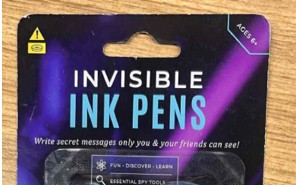
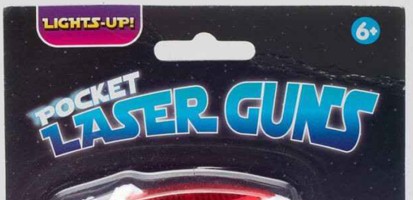
113 Even if the non-compliant products had not been marketed to children, many were novelty and low-value items which were likely to have appeal for children, as they were in the nature of a small toy, such as the “Fidget Spinner Light Up Ball” or the Crocs “LED Jibbitz”. Such products would have been noticed and selected by a child entering a City Beach store with an adult, or an adult could have decided to purchase such a product as a gift for a child.
Benefit received and loss and damage caused
114 City Beach is a significant commercial enterprise and during the contravening years, its revenue exceeded $300 million per annum and its profit was between $21.5 million and $17.6 million. However, City Beach did not make substantial revenue or profit from the sale of the non-compliant products for the period up to 30 June 2024, with the revenue made being only $542,314 and direct profit being only $34,368.
115 Although the parties are not aware of any injuries or deaths which have in fact been caused by the sale of non-compliant products by City Beach, that does not mean that none have occurred.
The circumstances in which the conduct occurred
116 The ACCC accepts that the conduct of City Beach was not deliberate in the sense that it did not involve senior management making a deliberate decision to contravene the law as the directors of City Beach were ignorant of the existence of the Mandatory Standards. However, their ignorance is astonishing having regard to the publicised dangers of button batteries, that the ACCC had issued media releases about infringement notices served on suppliers of non-compliant products, and the Mandatory Standards were subject to an 18-month transition period since 21 December 2020.
117 The contraventions occurred over an extensive period in which City Beach ought to have known of the existence of the Mandatory Standards by reason of it being informed by its suppliers and by it being warned on three occasions by State-based regulators of its failure to comply with the Mandatory Standards. City Beach relies on the fact that each contact was dealt with by the individual City Beach buyer or regional store manager, and that its senior management was not made aware of the correspondence. This does not assist City Beach but rather highlights City Beach’s failure to implement any basic corporate compliance, and for senior management to exercise proper supervision and control over its stores and employees.
118 Once City Beach became aware of the Mandatory Standards and the concerns raised by the ACCC in August 2023, it did not take steps to voluntarily recall products until told by the ACCC on 12 February 2024 that it expected such a recall to occur. That is so despite the letter which was sent by the ACCC on 30 August 2023 including a request that City Beach submit a voluntary recall via the online form linked in that letter (being an agreed fact). Further, City Beach identified in its letter to the ACCC on 21 November 2023 that it ought to recall the products which it had sold and which failed to comply with the Mandatory Standards.
119 Mr Elliott gave evidence in cross-examination that the voluntary recall was not undertaken immediately as City Beach was waiting for further information and permission from the ACCC before it commenced the recall.
120 In circumstances where City Beach was provided with the relevant link on 30 August 2023, this explanation does not assist City Beach which appears, even now, to not appreciate the gravity of the risk to children which arose from its unlawful conduct. The lack of urgency in seeking to recall the non-compliant products is condemnable.
121 Although City Beach advised the ACCC on 21 November 2023 that it had issued directions to all City Beach stores to remove all non-compliant products, 41 product lines that failed to comply with the Safety Standard and 43 product lines that failed to comply with the Information Standard were sold after that date.
122 Despite City Beach commencing a voluntary recall on 1 March 2024, City Beach sold 14 product lines after this date that failed to comply with the Safety Standard and 11 product lines that failed to comply with the Information Standard, despite having issued a recall notice for those product lines. Products in these product lines continued to be supplied by City Beach until 24 October 2024, and one product was supplied in the August 2025 sale.
123 For its part, City Beach submits that the contraventions that occurred after City Beach commenced the voluntary recall were from a combination of human error, technological errors in its point-of-sale block and unforeseen errors in its information system, which City Beach rectified promptly once detected.
124 Although I accept that City Beach did not intend to continue contravening the Mandatory Standards by way of the sales of the June products, the January products and the August 2025 sale, and took steps to remedy the continuing contraventions once detected, the fact that the continuing contraventions occurred is of real concern, and supports a higher penalty being imposed on City Beach for the purpose of specific deterrence.
Whether corporate culture of compliance
125 As City Beach accepts, the contraventions arose out of senior management’s failure to implement appropriate systems that would ensure that City Beach was meeting its responsibilities under the ACL.
126 Moreover, the contraventions were perpetuated as a consequence of a failure to implement any form of compliance program for middle management to escalate their awareness of the Mandatory Standards, despite being notified of their application on more than one occasion. This is entirely unsatisfactory and demonstrates that City Beach’s culture was not one of proactive compliance. City Beach admits that its approach to compliance with the Mandatory Standards was “ill-informed and inadequate”.
127 City Beach submits that it has taken substantial action since its first contact with the ACCC on 30 August 2023 to ensure that its systems and practices promote compliance with the Mandatory Standards and other applicable mandatory standards, and submits that this supports a lower penalty being imposed.
128 The evidence relating to City Beach’s compliance efforts is contained in two affidavits of Mr Elliott, which were affirmed on 10 October 2025 (Elliott 1) and 21 November 2025 (Elliott 2). Mr Elliott was also called by City Beach as a witness at the penalty hearing.
129 In Elliott 1, Mr Elliott outlined that on 27 October 2023, a training guide was issued to members of the buying team and production department which focussed on compliance with the Mandatory Standards. An educational video was also issued to all City Beach employees in early 2024 which concerned ongoing compliance with Mandatory Standards.
130 Since October 2023, it has been City Beach policy that members of the buying team obtain testing certificates from manufacturers or suppliers, which are uploaded to City Beach’s system, and that City Beach does not offer button battery products for sale where it does not have testing certificate compliance on record.
131 An updated audit tool for regional managers was also implemented by City Beach in December 2024, which includes a requirement for regional managers to check legislative and regulatory directives which apply to their store. It also includes a function for regional managers to confirm the removal of all stock which is the subject of an active recall by City Beach.
132 In Elliott 2, Mr Elliott gave evidence that “at various times since the ACCC contact” he discussed with the directors of City Beach that City Beach had not sufficiently invested in compliance measures. Mr Elliott gave evidence that a director of City Beach did not want to employ an internal compliance officer but wanted to investigate “external options” for assisting with City Beach’s compliance procedures.
133 However, an external compliance provider was not engaged until 18 June 2025, when Mr Elliott engaged Black White Engineering Solutions Compliance and Consulting (BWES) to provide advice “in respect of product compliance and ensuring City Beach’s products are compliant with the Button Battery Standards, and other standards and laws applicable to products supplied by City Beach, on an ongoing basis”. On 7 July 2025, BWES was requested to provide a document which outlined the mandatory standards which apply to City Beach and the steps to be taken to ensure that City Beach’s products are compliant, and BWES provided that document on 1 August 2025.
134 Although City Beach has subsequently made attempts to hire an internal compliance manager, these efforts did not commence until 16 October 2025, were unsuccessful, and were aborted on 7 November 2025.
135 City Beach relies on the fact that it has engaged legal representation since August 2023 to provide it with advice on its compliance obligations, and that since 20 November 2025, City Beach has engaged a law firm to develop a procedure to ensure City Beach’s ongoing compliance, which includes a lawyer being present in City Beach’s head office for three days per week until the procedures have been effectively implemented.
136 However, the letter of engagement issued by the law firm and dated 20 November 2025 states that stage 1 of the work to be performed by the law firm is the development of “policies, processes, procedures and checklists” to ensure City Beach’s ongoing compliance. Mr Elliott accepted at the penalty hearing that this was because such policies had not been completed or implemented to date.
137 The law firm was also engaged to provide annual seminars to all City Beach employees and directors dealing with compliance with mandatory safety standards. However, City Beach did not request this until 8 August 2025, and the first seminar was only delivered on 21 November 2025.
138 It was not explained why these steps to facilitate compliance with City Beach’s legal obligations were not pursued until two years after the ACCC first contacted City Beach and City Beach’s directors became aware of City Beach’s obligations to comply with the Mandatory Standards. Therefore, while I accept that internal procedures and compliance information were provided to City Beach’s employees, some of which were undertaken promptly after the ACCC raised its concerns, and that there is evidence of City Beach attempting to embed a culture of compliance since August 2023, there has also been a lack of urgency in City Beach’s response which belies its acceptance of the seriousness of the contravening conduct.
139 Furthermore, there appears to remain a lack of accountability within City Beach for compliance. At the penalty hearing, Mr Elliott was unable to identify the person within the senior management of City Beach who has overall responsibility for the company’s compliance, including compliance by the buying team:
… you’ve said that the buying team and the production team are jointly responsible for product compliance. Does that remain the case?---To a degree.
Okay. If it’s not them, who do you say is now responsible for product compliance at City Beach?---I would say the team is still responsible, but we’ve put additional measures in place to help them manage that.
Right. Is there any individual that takes responsibility for product compliance as a single person?---No.
140 This is of real concern given that the contraventions arose in part due to a lack of sufficient reporting mechanisms.
141 Finally, it cannot be forgotten that all steps taken by City Beach were steps which were taken to ensure that it complied with the law, being what it should have been doing in the first place.
Co-operation with the ACCC
142 City Beach submits that it has co-operated with the ACCC by answering all inquiries and consistently engaging with it. It submits that it has at all material times admitted its liability in relation to the contraventions of ss 106 and 136 of the ACL, has engaged in without prejudice discussions to resolve penalty, agreed relevant facts and joint submissions on liability, and consented to all declarations of contravention and orders on relief, save for penalty.
143 However, as the ACCC submits, City Beach’s admissions do not demonstrate contrition or willingness to facilitate the course of justice for the following reasons.
144 First, City Beach was required to identify the products that it had sold which had not been tested, where testing had failed, and where there were no warnings placed on the products, in accordance with the s 155 notice which has coercive effect: ss 155(5) and (6A).
145 Secondly, while City Beach’s admissions and co-operation has resulted in the saving of time and resources of the regulator and of the Court, the findings of liability were likely, if not inevitable.
146 Thirdly, the co-operation of City Beach is given little weight in circumstances where it continued to engage in contraventions even after it became aware of its obligations to comply with the Mandatory Standards, delayed the voluntary recall and has not addressed its internal management problems with alacrity.
Whether display of contrition
147 City Beach submits that it has demonstrated contrition by conveying its sincere apologies to the ACCC. It also submits that its remedial actions and improved compliance culture evidence its contrition. While I accept that City Beach has demonstrated contrition by expressing regret and a willingness to facilitate the course of justice, I remain concerned about the manner in which it has sought to improve its culture of compliance, for the reasons explained above.
Similar past conduct
148 City Beach has not previously been found by a court to have engaged in any breach of the ACL and nor has City Beach previously been the subject of any investigation or finding of the ACCC.
Discussion
149 Both parties accepted that it was appropriate for me to fix a single pecuniary penalty in respect of all admitted contraventions.
150 In terms of quantification of the penalty, the ACCC submits that the appropriate penalty is $14 million. City Beach submits that the ACCC’s proposed penalty is “excessive and oppressive” and contends that the appropriate penalty for the admitted contraventions is $4.5 million with a 30% discount in recognition of its early admissions and co-operation, resulting in a figure of $3.15 million.
151 In conducting the exercise of instinctive synthesis, each relevant factor must be weighed. In this case, there are several critical aspects deserving of substantial weight.
152 First, this is a case in which general deterrence looms large as the most significant factor and it is important that any pecuniary penalty is more than what would be an acceptable “cost of doing business” if it is to deter potential contraveners “from the cynical calculation involved in weighing up the risk of penalty against the profits to be made from contravention”: Singtel at [62]–[63].
153 Relatedly, the danger to children of the products sold and offered for supply is such that they have been recognised as being deserving of specific regulation in the Mandatory Standards. Those who supply such products need to be put on notice that ignorance of the Mandatory Standards will not suffice as an excuse.
154 Secondly, given the extensive nature of the conduct over about two years, the contraventions in this case are very serious. They involved the sale of over 54,000 products that failed to comply with the Safety Standards—many of which were marketed for or targeted at children. Similarly, over 56,000 products were sold that failed to comply with the Information Standard—many of which were also marketed or intended for children.
155 Given that number of contraventions, the theoretical maximum penalty is far beyond the range of what is required to secure deterrence and would be oppressive. However, just because the maximum penalty does not provide a useful yardstick, it would be an error to assess the need for deterrence, and hence the appropriate penalty, based only on the extent of the benefit obtained, which the evidence showed was not significant in this case.
156 The steady increase in the penalty made available by the legislature to the Court to secure deterrence, as well as the structure of s 224(3A) itself, indicates that the penalty is not tethered to the extent of the contravener’s gain.
157 Thirdly, this is a case with several aggravating factors. Those include the absence of any systems being in place prior to the detection of the contraventions to ensure compliance with the ACL, the failure of staff to escalate serious compliance issues to senior management when those were notified to City Beach, the continued sale of products after the ACCC raised its concerns with senior management, and the continued sale of products after the delayed issuing of recall notices. These incidents demonstrated pervasive failures by City Beach to inform itself of its obligations under the ACL and to comply with its obligations as a retailer of products which may cause serious harm. They also demonstrate a lack of appreciation by City Beach of the manner in which its conduct has put children at risk of physical harm.
158 Fourthly, while co-operation is commendable and relevant, it does not, in this case, demonstrate contrition because the ACCC’s case on liability was compelling. Nor does it demonstrate a willingness on City Beach’s part to remediate its internal corporate culture to a satisfactory standard having regard to the events which transpired after August 2023. In short, the penalty proposed by the ACCC will achieve the objective of specific deterrence in a way that the penalty proposed by City Beach would not.
159 Fifthly, City Beach is a substantial corporation with significant turnover and profits. Its failure to implement compliance programs prior to detection indicates an ongoing failure of corporate compliance and a continuing lack of regard for its obligations under the ACL. It is evident from the lack of compliance programs and processes, and the directors’ ignorance of the Mandatory Standards, that City Beach did not direct resources to the creation or implementation of a compliance program.
160 For these reasons, the appropriate penalty to be imposed for City Beach’s contraventions is $14 million. This figure is less than 1.5 times the maximum penalty for a single contravention for the period until 10 November 2022, and less than 30% of the maximum penalty for a single contravention after that date: see s 224(3A)(a) of the ACL.
161 While this penalty equates to more than half of City Beach’s average annual profit, it does not reach a level of undue severity or oppressiveness having regard to the importance of ensuring that City Beach and other retailers are properly deterred from neglecting to comply with the requirements of the Mandatory Standards so as to ensure the safety of children.
162 In my view, it appropriately balances the various factors, particularly having regard to the seriousness of the contraventions and to the risk created by those contraventions. I am also satisfied that, having regard to the totality principle, the penalty of $14 million is just and appropriate.
OTHER RELIEF SOUGHT
163 The ACCC sought additional relief in the form of declarations, an injunction restraining City Beach from engaging in future contraventions of the Mandatory Standards, an order requiring City Beach to conduct certain compliance measures and an order requiring City Beach to commercially advertise the recall of the non-compliant products.
164 There was agreement between the parties in relation to the form of these orders, and the parties agreed that they should be made at the penalty hearing on 9 December 2025.
165 These are my reasons for making those orders.
166 First, the contraventions which are the subject of the declaratory relief sought are admitted by City Beach and City Beach consents to the declarations being made, being the party which has a proper interest in opposing declaratory relief.
167 Secondly, it is appropriate that the injunction be issued for the purposes of preventing future non-compliance by City Beach with the Mandatory Standards. Such orders are specifically contemplated by the ACL and the jurisdiction to make the orders arises by reason of the contraventions. The fact that City Beach’s contraventions occurred over an extended period of time and that there were continuing contraventions after City Beach became aware of the non-compliant products renders it appropriate that the injunction be issued.
168 Thirdly, pursuant to s 246(2)(b) of the ACL, it is appropriate to order that City Beach have its compliance programs reviewed by an independent expert, considering that prior to August 2023, City Beach did not have any processes, procedures or systems designed to promote compliance with the Mandatory Standards. It is also proposed that City Beach be required to obtain annual training for its employees regarding its mandatory obligations under the ACL and I consider that such order is also appropriate in the circumstances.
169 Finally, pursuant to s 247(2) of the ACL, it is appropriate to make the proposed orders in relation to City Beach advertising the recall of the non-compliant products. This serves to enhance public safety by increasing the likelihood that the voluntary recall will be brought to the attention of consumers, and is important in light of the admitted dangers posed by button batteries.
CONCLUSION
170 The just and appropriate penalty to be paid by City Beach is $14 million.
171 There is no reason that costs should not follow the event, and City Beach accepts that it should pay the ACCC’s costs.
172 There will be orders accordingly.
I certify that the preceding one hundred and seventy-two (172) numbered paragraphs are a true copy of the Reasons for Judgment of the Honourable Justice Downes. |
Associate:
Dated: 22 December 2025
ANNEXURE A
# | Product Name & Number | Quantity Supplied | Date Range of Supplies | Date Range Offered for Supply | Reason for non-compliance | Non-compliance with Safety Standard | Failed Subsequent Test | Non-compliance with Information Standard |
1. | Buy It Now Buy It Now Snapping Gum (LF0079) | 3151 | 22/6/2022 | 22/6/2022 | Not tested in accordance with the Safety Standard. Lacked required warning labels. | YES |
| YES |
23/12/2023 | 23/12/2023 | |||||||
2. | Get It Now Flying Disk (FD001) | 175 | 23/6/2022 | 22/6/2022 | Not tested in accordance with the Safety Standard. Lacked required warning labels. | YES |
| YES |
23/11/2023 | 23/11/2023 | |||||||
3. | Get It Now Flying LED Disk Ball (WJ011) | 1631 | 9/11/2022 | 7/11/2022 | Not tested in accordance with the Safety Standard. Lacked required warning labels. | YES |
| YES2 |
27/11/2023 | 27/11/2023 | |||||||
4. | Get It Now LED Shot Glass Necklace (BC023) | 8133 | 22/6/2022 | 22/6/2022 | Not tested in accordance with the Safety Standard. Lacked required warning labels. | YES | YES | YES |
17/2/2024 | 17/2/2024 | |||||||
5. | Hachette Australia Screaming Goat (9780762459810) | 1064 | 24/6/2022 | 22/6/2022 | Lacked required warning labels | NO |
| YES |
3/12/2023 | 3/12/2023 | |||||||
6. | LED Finger Skateboard Pack (LED-SKATE) | 404 | 18/1/2023 | 16/1/2023 | Not tested in accordance with the Safety Standard. Lacked required warning labels. | YES |
| YES |
2/2/2024 | 2/2/2024 | |||||||
7. | LED Flying Top UFO Toy (TY1330) | 685 | 13/10/2022 | 3/10/2022 | Not tested in accordance with the Safety Standard. Lacked required warning labels. | YES |
| YES |
11/8/2024 | 11/8/2024 | |||||||
8. | LED Light Up Dog Collar (LUDC-MG) | 31 | 1/11/2023 | 25/9/2023 | Tested to a standard other than the Safety Standard. Lacked required warning labels. | YES |
| YES |
8/2/2024 | 8/2/2024 | |||||||
9. | LED Martini Flashing Light Glass (GLOW- DR-2) | 19 | 22/6/2022 | 22/6/2022 | Not tested in accordance with the Safety Standard. Lacked required warning labels. | YES |
| YES |
23/12/2023 | 23/12/2023 | |||||||
10. | LED Running Clips (LED-RC100) | 319 | 26/6/2022 | 22/6/2022 | Not tested in accordance with the Safety Standard. Lacked required warning labels. | YES |
| YES |
22/12/2023 | 22/12/2023 | |||||||
11. | LED Tennis Set (LED-TEN) | 51 | 17/8/2023 | 10/7/2023 | Not tested in accordance with the Safety Standard. Lacked required warning labels. | YES |
| YES |
9/2/2024 | 9/2/2024 | |||||||
12. | Light Up Anklet Hopper Toy (SU/STNLAH) | 892 | 22/6/2022 | 22/6/2022 | Not tested in accordance with the Safety Standard. Lacked required warning labels. | YES |
| YES |
16/11/2023 | 16/11/2023 | |||||||
13. | Miscellaneous Fidget Spinner Light Up Ball (FIDGETLIGHTUP) | 67 | 24/6/2022 | 22/6/2022 | Not tested in accordance with the Safety Standard. Lacked required warning labels. | YES |
| YES |
30/9/2023 | 30/9/2023 | |||||||
14. | Miscellaneous Mini Air Horn: Get Hype (9780762459810) | 253 | 28/5/2023 | 22/5/2023 | Lacked required warning labels. | NO |
| YES |
31/12/2023 | 31/12/2023 | |||||||
15. | Mooloola LED Flyer (LEDFL-W) | 328 | 25/6/2022 | 22/6/2022 | Not tested in accordance with the Safety Standard. Lacked required warning labels. | YES |
| YES |
17/1/2024 | 17/1/2024 | |||||||
16. | Safety LED Sport Light (SAF-L) | 245 | 11/10/2022 | 23/9/2022 | Not tested in accordance with the Safety Standard. Lacked required warning labels. | YES |
| YES |
27/1/2024 | 27/1/2024 | |||||||
17. | Spider Web Ball Light Toy (SU/STNBSH) | 241 | 25/8/2022 | 21/8/2022 | Not tested in accordance with the Safety Standard. Lacked required warning labels. | YES |
| YES |
3/7/2024 | 3/7/2024 | |||||||
18. | Tetris Mini Game Console (TETRIS-1) | 341 | 13/7/2023 | 10/7/2023 | Not tested in accordance with the Safety Standard. Lacked required warning labels. | YES |
| YES |
8/2/2024 | 8/2/2024 | |||||||
19. | Under Water Disco Bulb (DB103) | 1162 | 24/8/2022 | 21/8/2022 | Not tested in accordance with the Safety Standard. Lacked required warning labels. | YES | YES | YES |
29/7/2024 | 29/7/2024 | |||||||
20. | Virtual Pet Toy (VIRT-TOY-1) | 1531 | 13/1/2023 | 9/1/2023 | Not tested in accordance with the Safety Standard. Lacked required warning labels. | YES |
| YES |
14/2/2024 | 14/2/2024 | |||||||
21. | Memory Maze Game (LC6020) | 76 | 16/9/2023 | 15/9/2023 | Not tested in accordance with the Safety Standard. | YES |
| NO |
21/11/2023 | 21/11/2023 | |||||||
22. | Worlds Smallest Memory Game Toy (WS-WS/MG) | 179 | 29/7/2023 | 24/7/2023 | Not tested in accordance with the Safety Standard. Lacked required warning labels. | YES | YES | YES |
22/9/2024 | 22/9/2024 | |||||||
23. | Get It Now Mini Magic Ball Finger Lamp (MAGIC-M) | 85 | 17/7/2022 | 10/7/2022 | Not tested in accordance with the Safety Standard. Lacked required warning labels. | YES |
| YES |
23/7/2023 | 23/7/2023 | |||||||
24. | Get It Now Alien Keyring (JMADE095) | 2125 | 22/6/2022 | 22/6/2022 | Not tested in accordance with the Safety Standard. Lacked required warning labels. | YES |
| YES |
20/1/2024 | 20/1/2024 | |||||||
25. | Get It Now Alpaca Keyring (RT-889) | 928 | 22/6/2022 | 22/6/2022 | Not tested in accordance with the Safety Standard. Lacked required warning labels. | YES |
| YES |
14/9/2023 | 14/9/2023 | |||||||
26. | Get It Now Dark Keyring (JMADE50) | 1954 | 22/6/2022 | 22/6/2022 | Not tested in accordance with the Safety Standard. Lacked required warning labels. | YES |
| YES |
14/1/2024 | 14/1/2024 | |||||||
27. | Get It Now Flamingo Led Keyring (RT-983) | 529 | 23/6/2022 | 22/6/2022 | Not tested in accordance with the Safety Standard. Lacked required warning labels. | YES |
| YES |
12/8/2023 | 12/8/2023 | |||||||
28. | Get It Now LED Saver Keyring (JMD01KRM) | 4352 | 22/6/2022 | 22/6/2022 | Not tested in accordance with the Safety Standard. Lacked required warning labels. | YES |
| YES |
26/1/2024 | 26/1/2024 | |||||||
29. | Get It Now Oink Keyring (JMADE312) | 2369 | 22/6/2022 | 22/6/2022 | Not tested in accordance with the Safety Standard. Lacked required warning labels. | YES |
| YES |
20/2/2024 | 20/2/2024 | |||||||
30. | Get It Now Peekaboo Keyring (JMADE337) | 2886 | 22/6/2022 | 22/6/2022 | Not tested in accordance with the Safety Standard. Lacked required warning labels. | YES |
| YES |
7/8/2024 | 7/8/2024 | |||||||
31. | Get It Now Pineapple Keyring (RT-891) | 231 | 22/6/2022 | 22/6/2022 | Not tested in accordance with the Safety Standard. Lacked required warning labels. | YES |
| YES |
12/11/2023 | 12/11/2023 | |||||||
32. | Get It Now Rabbit Keyring (JMADE612) | 1365 | 22/6/2022 | 22/6/2022 | Not tested in accordance with the Safety Standard. Lacked required warning labels. | YES |
| YES |
18/9/2023 | 18/9/2023 | |||||||
33. | Get It Now Rabbit Keyring (JMJ037) | 422 | 28/4/2023 | 24/4/2023 | Not tested in accordance with the Safety Standard. Lacked required warning labels. | YES |
| YES |
8/1/2024 | 8/1/2024 | |||||||
34. | Get It Now Turtle Keyring (JMADE323) | 2056 | 22/6/2022 | 22/6/2022 | Not tested in accordance with the Safety Standard. Lacked required warning labels. | YES |
| YES |
4/12/2023 | 4/12/2023 | |||||||
35. | Get It Now Unicorn Led Keyring (RT-181) | 651 | 22/6/2022 | 22/6/2022 | Not tested in accordance with the Safety Standard. Lacked required warning labels. | YES |
| YES |
31/5/2023 | 31/5/2023 | |||||||
36. | Miscellaneous Squid Keyring (SQUID02) | 2789 | 22/6/2022 | 22/6/2022 | Not tested in accordance with the Safety Standard. Lacked required warning labels. | YES |
| YES |
24/10/2024 | 24/10/2024 | |||||||
37. | Karyn In LA Whack-AMole Keyring (277- WHACKBLUE) | 1061 | 22/6/2022 | 22/6/2022 | Not tested in accordance with the Safety Standard. Lacked required warning labels. | YES |
| YES |
16/12/2023 | 16/12/2023 | |||||||
38. | Karyn In LA Whack-AMole Keyring (277-WHACKLIL) | 116 | 6/7/2023 | 25/6/2023 | Not tested in accordance with the Safety Standard. Lacked required warning labels. | YES |
| YES |
26/12/2023 | 26/12/2023 | |||||||
39. | Karyn In LA Whack-AMole Keyring (277- WHACKPNK) | 695 | 20/8/2022 | 22/6/2022 | Not tested in accordance with the Safety Standard. Lacked required warning labels. | YES |
| YES |
7/12/2023 | 7/12/2023 | |||||||
40. | Unit Sparky Keying (181136005) | 683 | 30/7/2022 | 28/7/2022 | Not tested in accordance with the Safety Standard. Lacked required warning labels. | YES |
| YES |
10/2/2024 | 10/2/2024 | |||||||
41. | Get It Now LED Flexible Strip Light (SI-LSL) | 1095 | 22/6/2022 | 22/6/2022 | Lacked required warning labels. | NO |
| YES |
28/9/2023 | 28/9/2023 | |||||||
42. | LED 3M Light Strips (LEDSP-03) | 1256 | 24/8/2022 | 21/8/2022 | Tested to a standard other than the Safety Standard. Lacked required warning labels. | YES | YES | YES |
12/8/2024 | 12/8/2024 | |||||||
43. | LED 5M Light Strips (LEDSP-05) | 134 | 27/10/2023 | 25/9/2023 | Tested to a standard other than the Safety Standard. Lacked required warning labels. | YES | YES | YES |
29/9/2024 | 29/9/2024 | |||||||
44. | LED Basketball Hoop Lights (BASK-1) | 1780 | 12/8/2022 | 8/8/2022 | Not tested in accordance with the Safety Standard. Lacked required warning labels. | YES | YES | YES |
4/2/2024 | 4/2/2024 | |||||||
45. | LED Light Orbs (LEDO-P3) | 9 | 7/7/2022 | 22/6/2022 | Not tested in accordance with the Safety Standard. Lacked required warning labels. | YES |
| YES |
17/11/2022 | 17/11/2022 | |||||||
46. | LED Light Strips (LED-12) | 70 | 13/7/2023 | 10/7/2023 | Not tested in accordance with the Safety Standard. Lacked required warning labels. | YES |
| YES3 |
27/11/2023 | 27/11/2023 | |||||||
47. | LED Strip Lighting Pack (K-1349) | 235 | 22/6/2022 | 22/6/2022 | Not tested in accordance with the Safety Standard. Lacked required warning labels. | YES |
| YES |
29/8/2023 | 29/8/2023 | |||||||
48. | MDI Morphing Projection Lamp (RS-MPL) | 23 | 13/9/2023 | 7/9/2023 | Lacked required warning labels. | NO |
| YES |
28/5/2024 | 28/5/2024 | |||||||
49. | Rainbow Party Light (DISCO-1) | 952 | 22/6/2022 | 22/6/2022 | Not tested in accordance with the Safety Standard. Lacked required warning labels. | YES | YES | YES |
9/2/2024 | 9/2/2024 | |||||||
50. | RGB LED Strip Light Sync to Music (LIGHT-6) | 570 | 9/11/2022 | 8/11/2022 | Not tested in accordance with the Safety Standard. Lacked required warning labels. | YES |
| YES |
15/10/2023 | 15/10/2023 | |||||||
51. | Sunset Lamp (SUNSET-1) | 741 | 22/6/2022 | 22/6/2022 | Not tested in accordance with the Safety Standard. Lacked required warning labels. | YES |
| YES |
29/5/2023 | 29/5/2023 | |||||||
52. | USB Mood Light For TV (LIGHT-7) | 425 | 14/11/2022 | 8/11/2022 | Not tested in accordance with the Safety Standard. Lacked required warning labels. | YES |
| YES |
24/12/2023 | 24/12/2023 | |||||||
53. | Crocs LED Fun Jibbitz 5 Pack (10009515) | 645 | 10/1/2023 | 6/1/2023 | Not tested in accordance with the Safety Standard. Lacked required warning labels. | YES |
| YES |
5/7/2023 | 5/7/2023 | |||||||
54. | Crocs Lights Up Under The Sea Jibbitz 5 Pack (10011453) | 51 | 16/6/2023 | 8/6/2023 | Not tested in accordance with the Safety Standard. Lacked required warning labels. | YES |
| YES |
24/9/2023 | 24/9/2023 | |||||||
55. | Crocs Lights Up Cacti Jibbitz 5 Pack (10011592/CACTUS) | 25 | 1/9/2023 | 21/8/2023 | Not tested in accordance with the Safety Standard. Lacked required warning labels. | YES |
| YES |
14/10/2023 | 14/10/2023 | |||||||
56. | Crocs Lights Up Cactus Purple Flower Jibbitz (10011736) | 19 | 24/4/2023 | 17/4/2023 | Not tested in accordance with the Safety Standard. Lacked required warning labels. | YES |
| YES |
3/7/2023 | 3/7/2023 | |||||||
57. | Crocs Light Up Sun Jibbitz (10012239) | 24 | 12/9/2023 | 4/9/2023 | Not tested in accordance with the Safety Standard. Lacked required warning labels. | YES |
| YES |
5/1/2024 | 5/1/2024 | |||||||
58. | Crocs Lights Up Electric Blue Daisy Jibbitz (10011630) | 8 | 10/10/2023 | 4/9/2023 | Not tested in accordance with the Safety Standard. Lacked required warning labels. | YES |
| YES |
11/12/2023 | 11/12/2023 | |||||||
59. | Digital notepad (DIGP-100) | 676 | 16/8/2022 | 22/6/2022 | Tested to a standard other than the Safety Standard. Lacked required warning labels. | YES |
| YES |
17/2/2024 | 17/2/2024 | |||||||
60. | Infinity Colour Pad (DIGP-200) | 1674 | 22/6/2022 | 22/6/2022 | Tested to a standard other than the Safety Standard. Lacked required warning labels. | YES | YES | YES |
17/2/2024 | 17/2/2024 | |||||||
61. | Get It Now Pocket Laser Guns (JK-PLG) | 80 | 23/6/2022 | 22/6/2022 | Lacked required warning labels. | NO |
| YES |
20/6/2023 | 20/6/2023 | |||||||
62. | Hachette Australia Batman Bat Signal (97870762445264) | 24 | 25/6/2022 | 22/6/2022 | Lacked required warning labels. | NO |
| YES |
30/9/2022 | 30/9/2022 | |||||||
63. | Invisible Ink Pen with UV Light (70119) | 285 | 1/12/2022 | 28/11/2022 | Tested to a standard other than the Safety Standard. | YES |
| NO |
21/10/2023 | 21/10/2023 | |||||||
64. | Invisible Ink Pen with Light (IDZ70119) | 23 | 7/9/2023 | 4/9/2023 | Tested to a standard other than the Safety Standard. | YES |
| NO |
23/10/2023 | 23/10/2023 | |||||||
65. | Crocs Lights Up Pink Girly Girl Jibbitz 5 Pack (10011442) | 49 | 5/7/2023 | 10/5/2023 | Not tested in accordance with the Safety Standard. Lacked required warning labels. | YES |
| YES |
2/9/2023 | 2/9/2023 | |||||||
66. | Crocs Lights Up Daisy Jibbitz 5 Pack (10011570/J) | 54 | 22/6/2023 | 12/6/2023 | Not tested in accordance with the Safety Standard. Lacked required warning labels. | YES |
| YES |
11/3/2024 | 15/5/2024 | |||||||
67. | Crocs LED Rainbow Jibbitz (10007373) | 146 | 15/12/22 | 5/12/2022 | Not tested in accordance with the Safety Standard. Lacked required warning labels. | YES |
| YES |
2/6/2023 | 2/6/2023 | |||||||
68. | Crocs LED Cupcake Jibbitz (10007374) | 10 | 28/1/2023 | 19/01/2023 | Not tested in accordance with the Safety Standard. Lacked required warning labels. | YES |
| YES |
10/2/2023 | 10/02/2023 | |||||||
69. | Miscellaneous Desktop Fire Extinguisher (9780762473731) | N/A | N/A | 23/9/2023 | Lacked required warning labels. | NO |
| YES |
N/A | 23/9/2023 | |||||||
70. | Digital Skipping Rope (SR-001) | N/A | N/A | 25/9/2023 | Not tested in accordance with the Safety Standard. Separate instructions do not have warnings. | YES |
| YES |
N/A | 25/9/2023 | |||||||
Total: | 57,358 | N/A | N/A | N/A | 63 | 8 | 67 | |
Compliance with the information was achieved on 29 September 2023. The number of products sold prior to this was 1572.
Compliance with the information was achieved on 29 September 2023. The number of products sold prior to this was 55.


