Federal Court of Australia
Automotive Invest Pty Limited v Commissioner of Taxation (Gosford Classic Car Museum) [2022] FCA 281
ORDERS
Applicant | ||
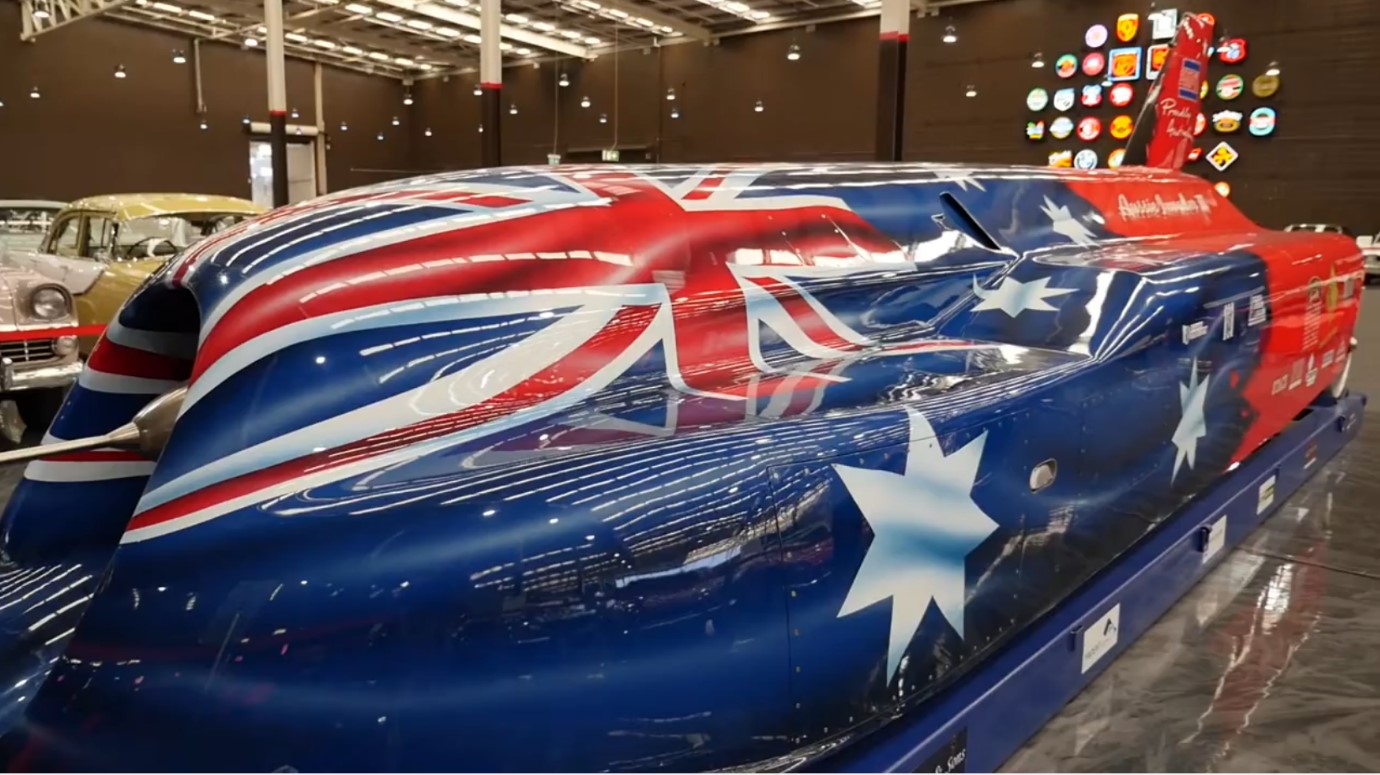
AND: | Respondent | |
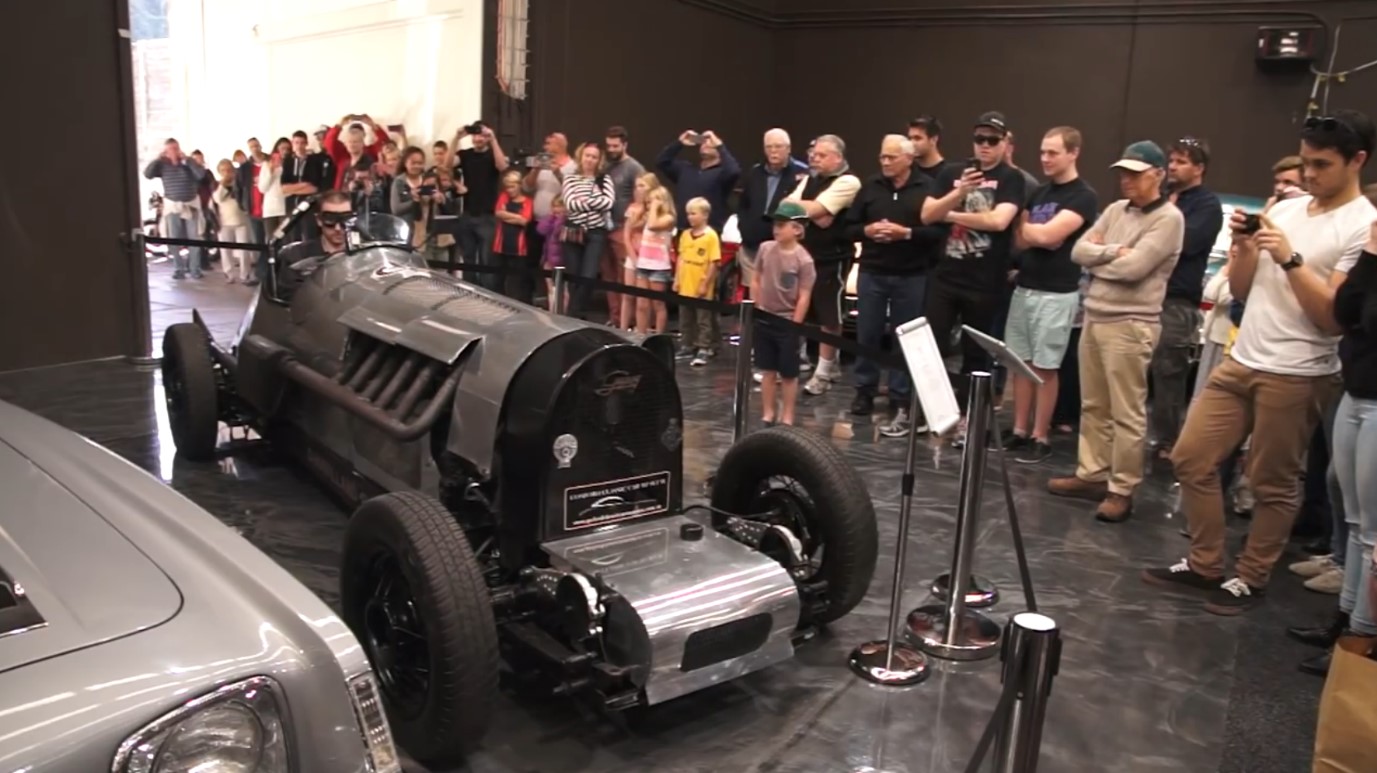
DATE OF ORDER: |
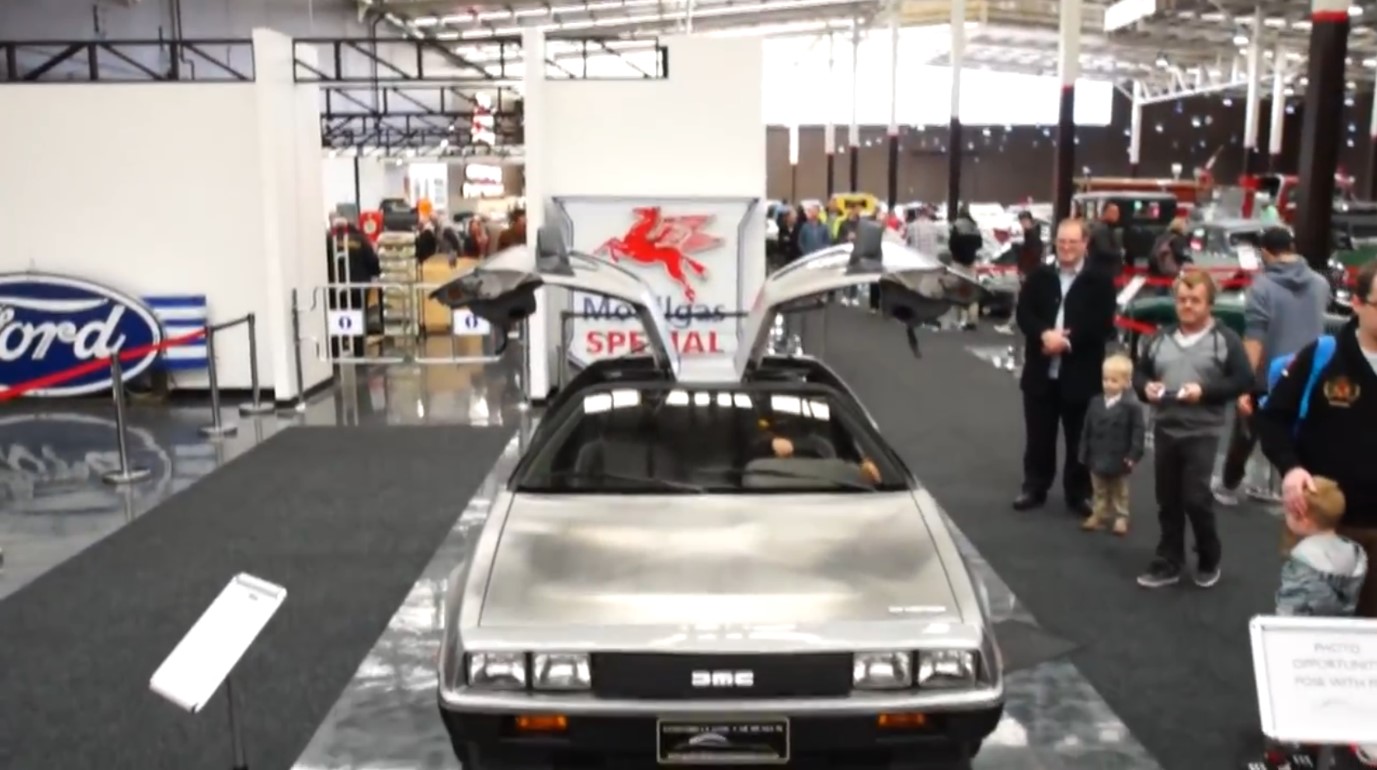
THE COURT ORDERS THAT:
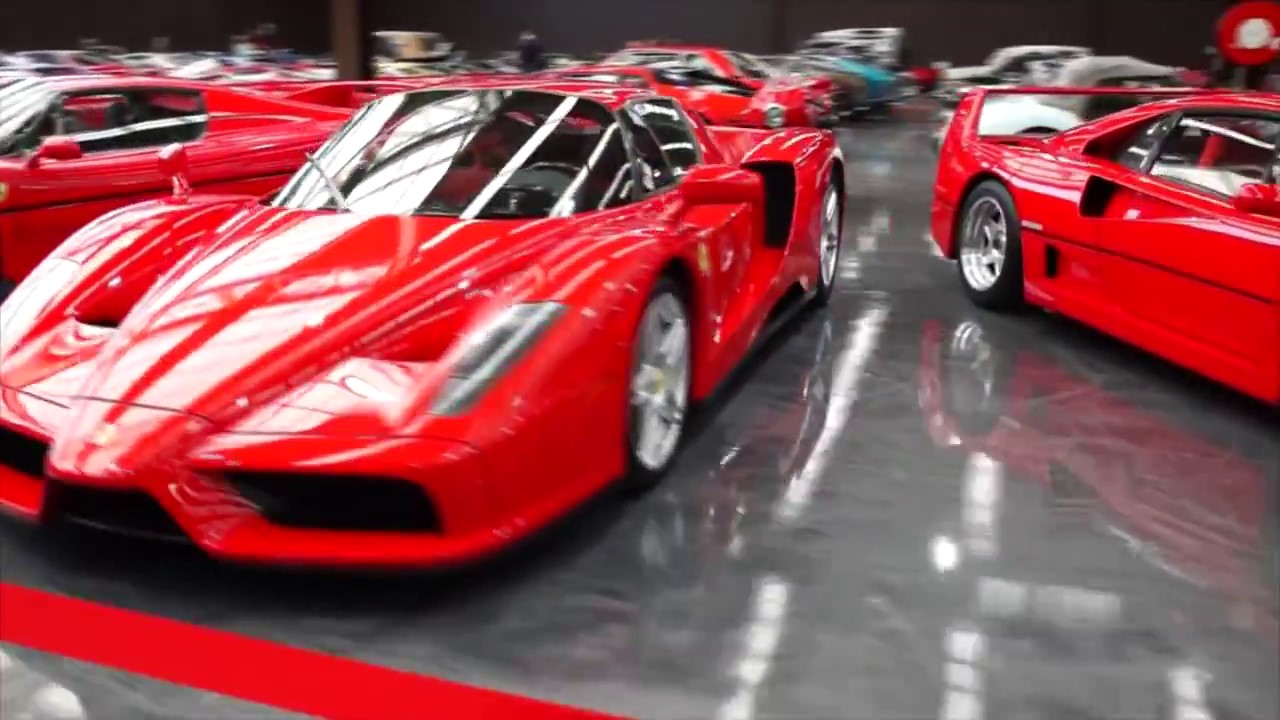
1. The parties confer and submit agreed orders to give effect to these reasons within 7 days of receipt of a written version of the reasons.
Note: Entry of orders is dealt with in Rule 39.32 of the Federal Court Rules 2011.
(Revised from transcript)
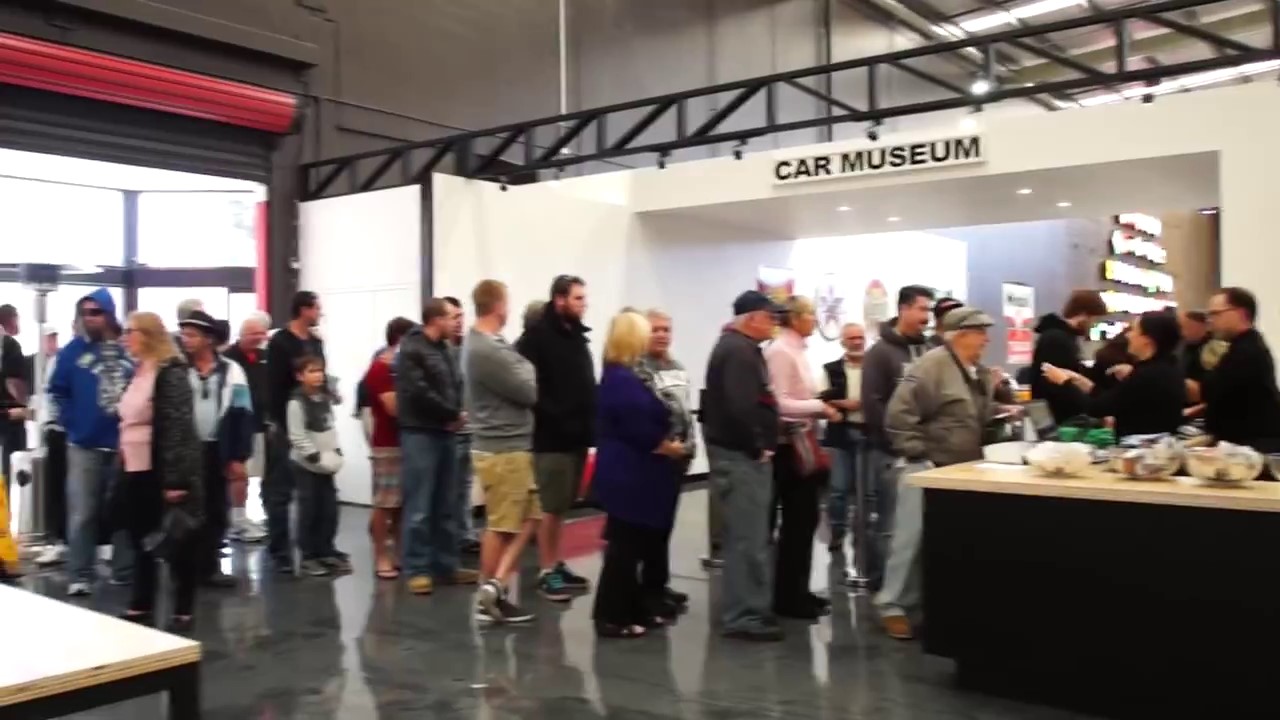
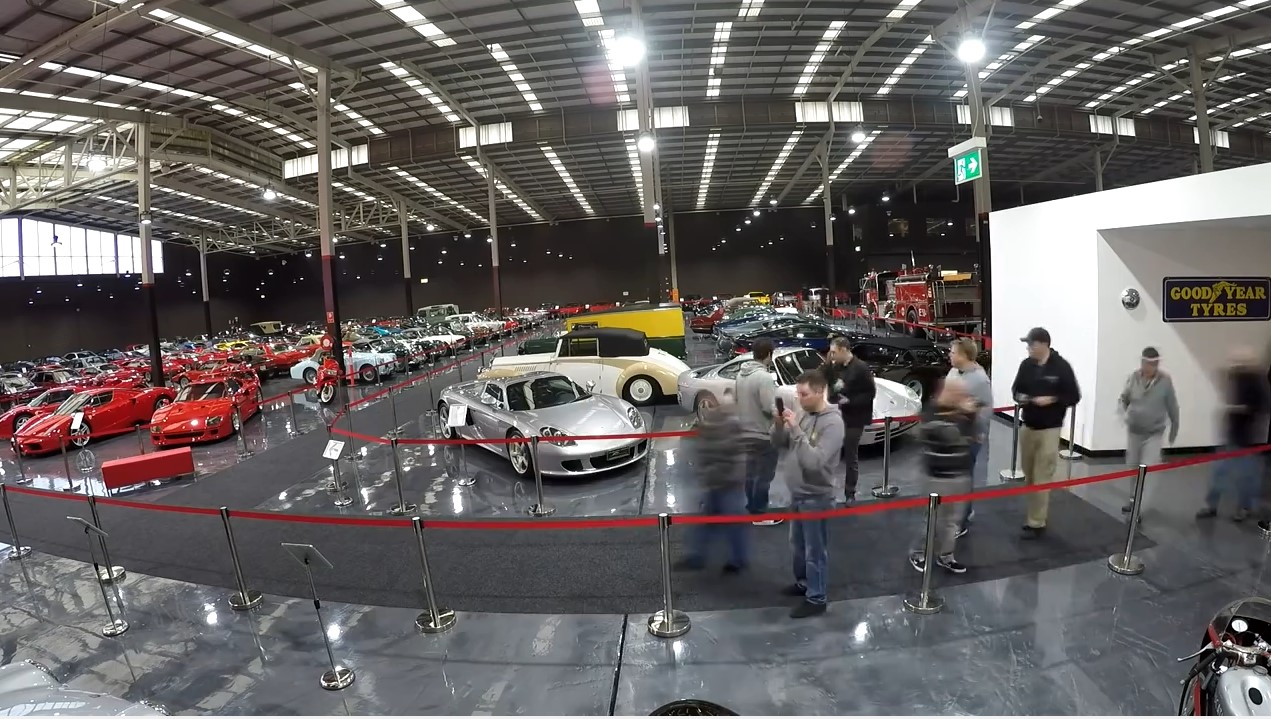
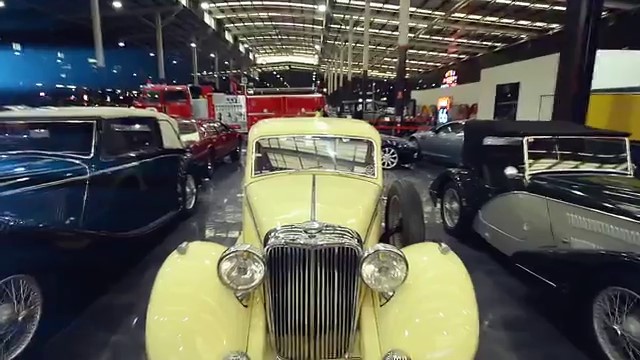
THAWLEY J:
BACKGROUND
1 The “Gosford Classic Car Museum” opened on 28 May 2016 in West Gosford. It was owned and operated by the applicant which had been established by Mr Anthony Denny in early 2015.
2 The museum attracted 13,000 visitors within a month. It posted a report on its website soon after opening with over 300 vehicles on display, noting that it had received a visit from Mike Whitney of the Sydney Weekender:
Successful first month for Gosford Classic Car Museum
It’s been an exciting month at the newly opened Gosford Classic Car Museum, with over 13,000 people from all over Australia and indeed the world through the doors since opening on May 28th. With over 300 vehicles on display, from vintage classics to modern day supercars, patrons have been delighted with the range and versatility on display.
A visit from Mike Whitney and the Sydney Weekend crew was a huge highlight, and it’s been fantastic to see the looks on people’s faces as they walk through the door and are blow [sic] away by the sheer size and quality of the collection.
The Aussie Invader III jet powered car which competed for the World Land Speed Record in 1996, piloted by Australian Roscoe McGlashan to a speed of 1026km/h has been hugely popular, as have other feature cars including the Ferrari Hypercar collection.
Visitors have been eager to share their childhood memories of family Holdens and Fords with our staff as they’ve come flooding back, and the general feedback has been fantastic.
The Museum will continue to evolve, with a turnover of approximately 20 cars per month, ensuring there’s always something new and exciting to see.
It saw its 100,000th visitor about a year later.
3 Soon after, Sydney Weekender aired a feature on the museum, promoting it as an exciting tourist attraction. Within a short time, the museum housed over 400 vehicles.
4 It contained a number of significant and rare pieces in addition to the Aussie Invader III which Mr McGlashan had managed to drive at a speed of 1026km/h:
5 It housed a De Havilland Rapide, powered by a 10 litre aircraft engine This would periodically be powered up for the enjoyment of visitors to the museum:
6 It housed an old New York fire truck and a DMC DeLorean of Back to the Future fame:
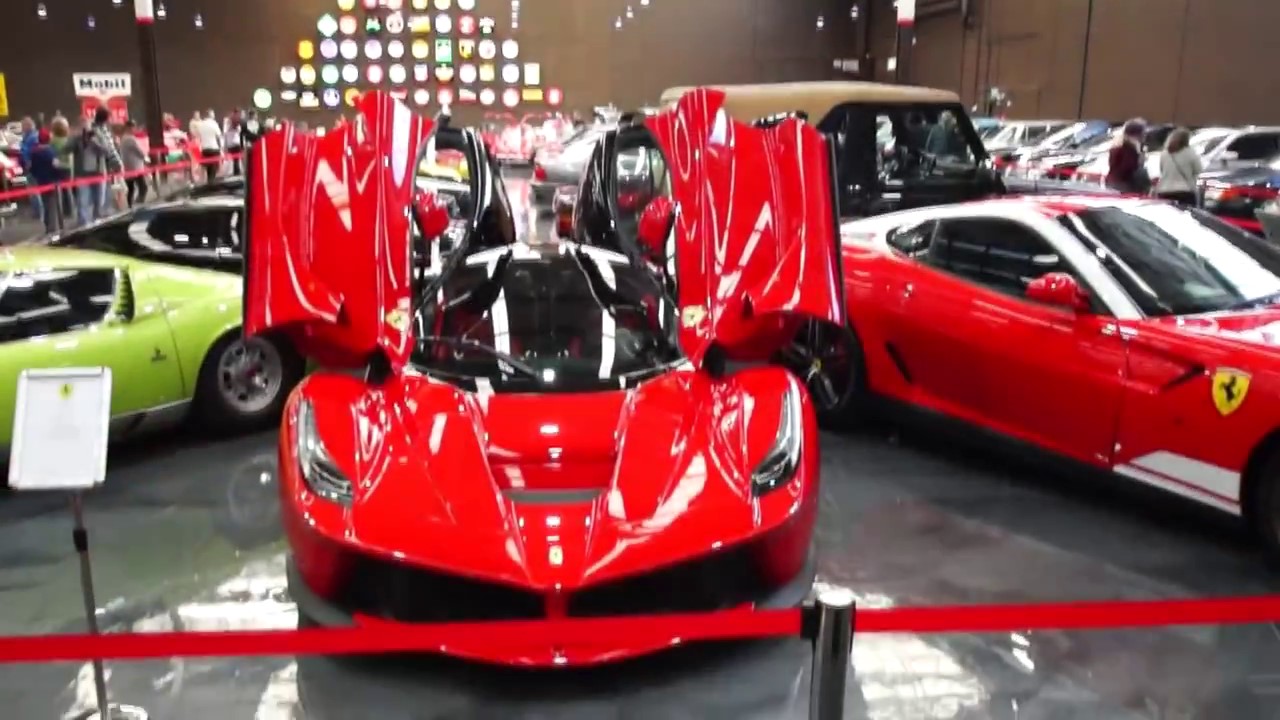
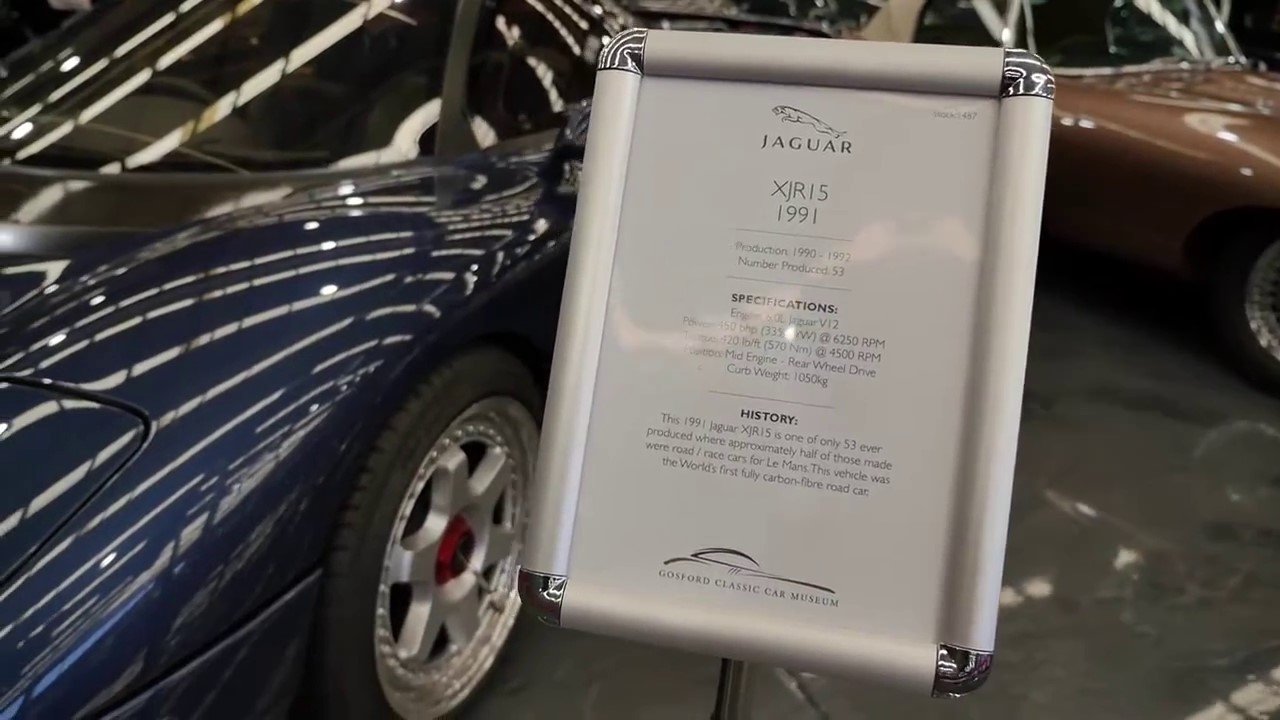
7 It housed 35 Ferraris, including what was reported to be the museum’s most expensive exhibit, a La Ferrari:
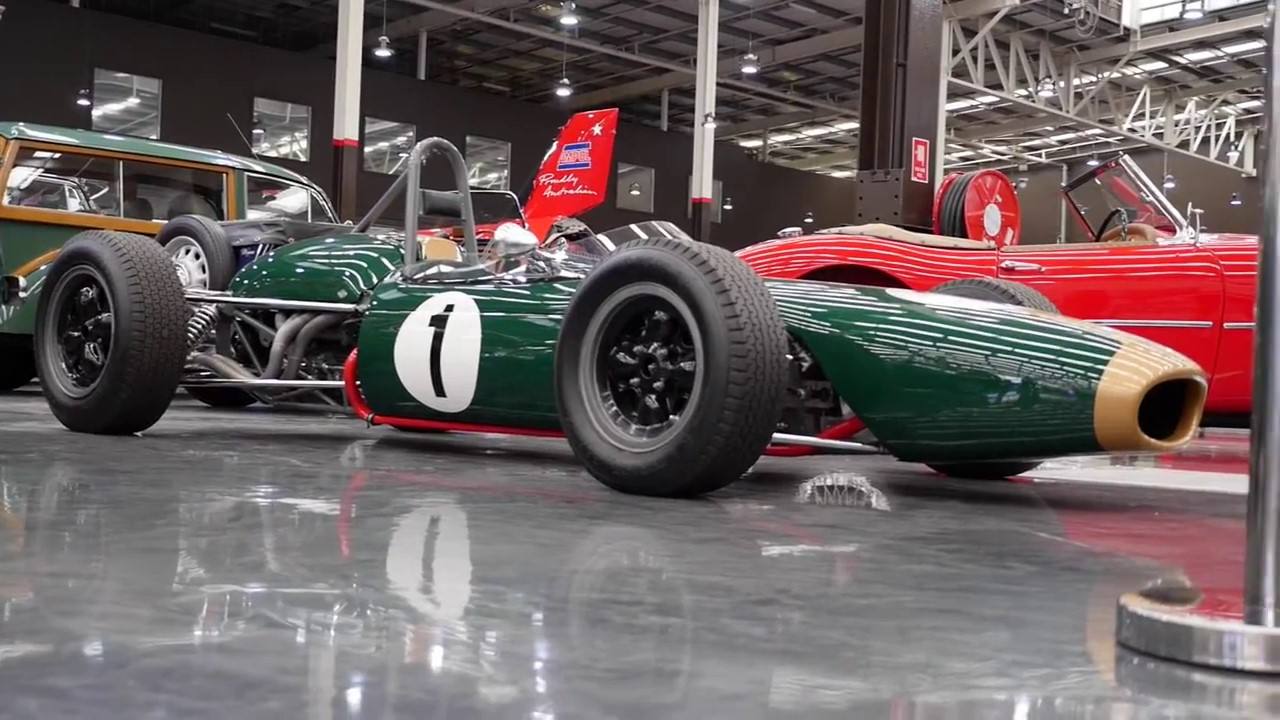
8 It housed the BT7 racing car that Sir Jack Brabham drove in the 1964 Australian Grand Prix:
9 The scale and quality of the pieces were nothing short of spectacular.
10 The applicant promoted its museum as a tourist attraction to the public generally, including through its website and by social media. It had marketing staff whose role it was to promote the museum and who invited media to attend with a view to promoting the museum as a tourist attraction. The applicant had a YouTube channel through which it posted videos, including videos depicting the exhibits and interviews with visitors. The evidence adduced at the hearing included videos of the museum in operation, with queues lined up at the ticket desk, one-way gates which facilitated entry to the museum, visitors walking through lines of exhibits, and interviews with visitors, including children. The visitors were plainly and justifiably impressed. There were signs inviting visitors to review the museum on Google.
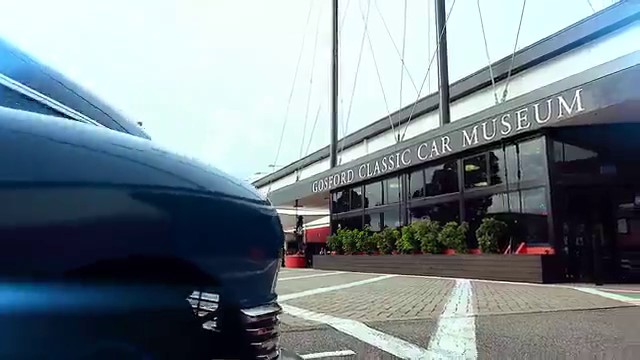
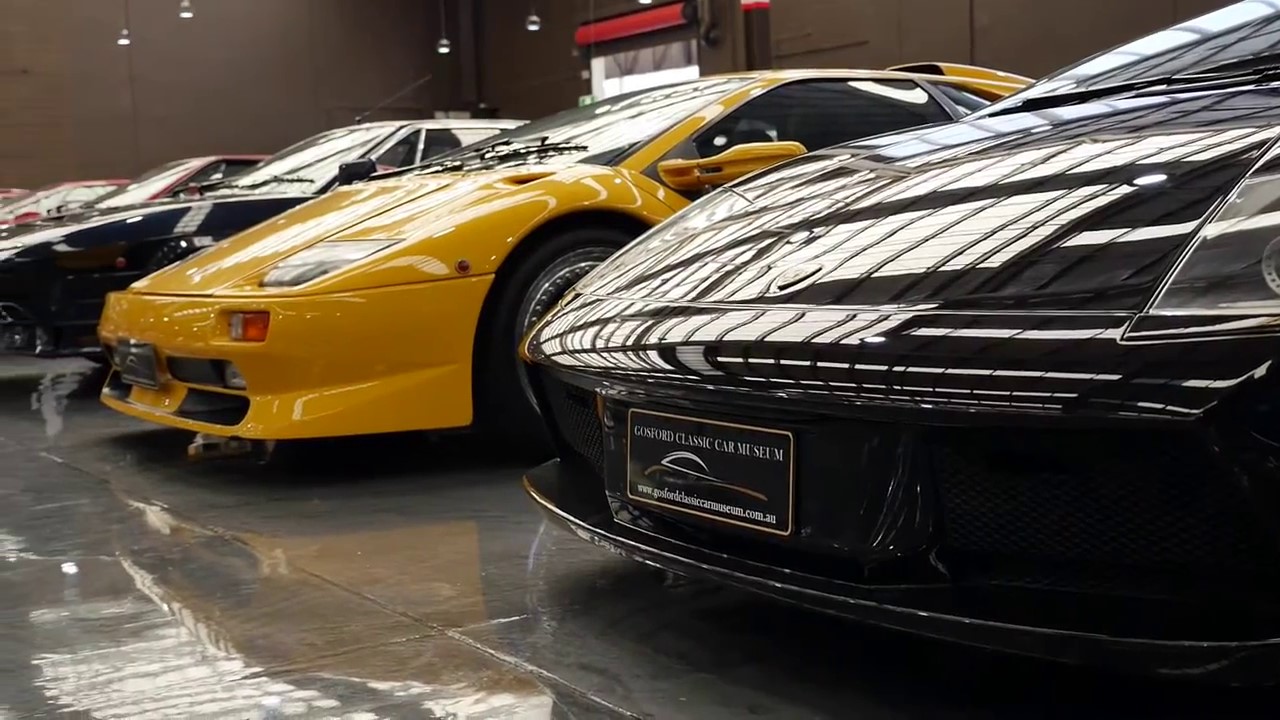
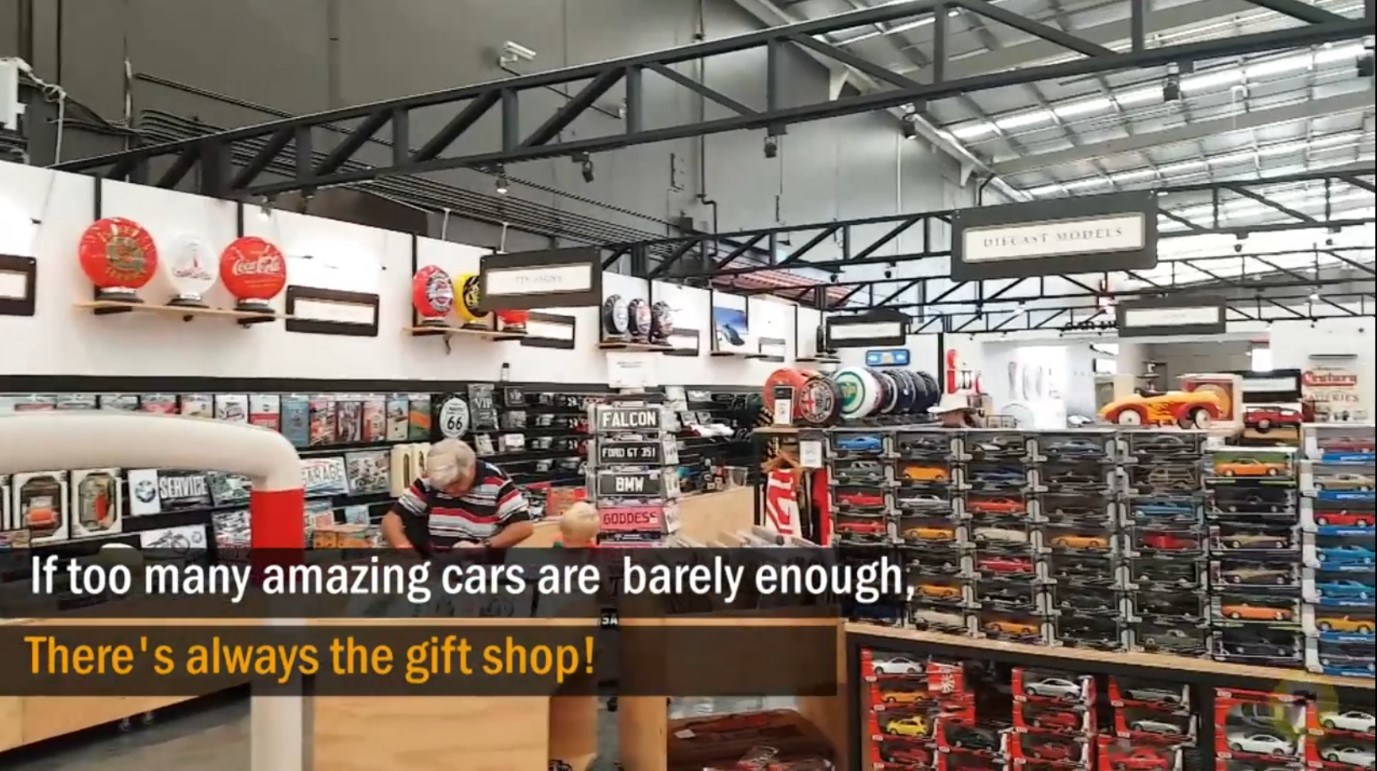
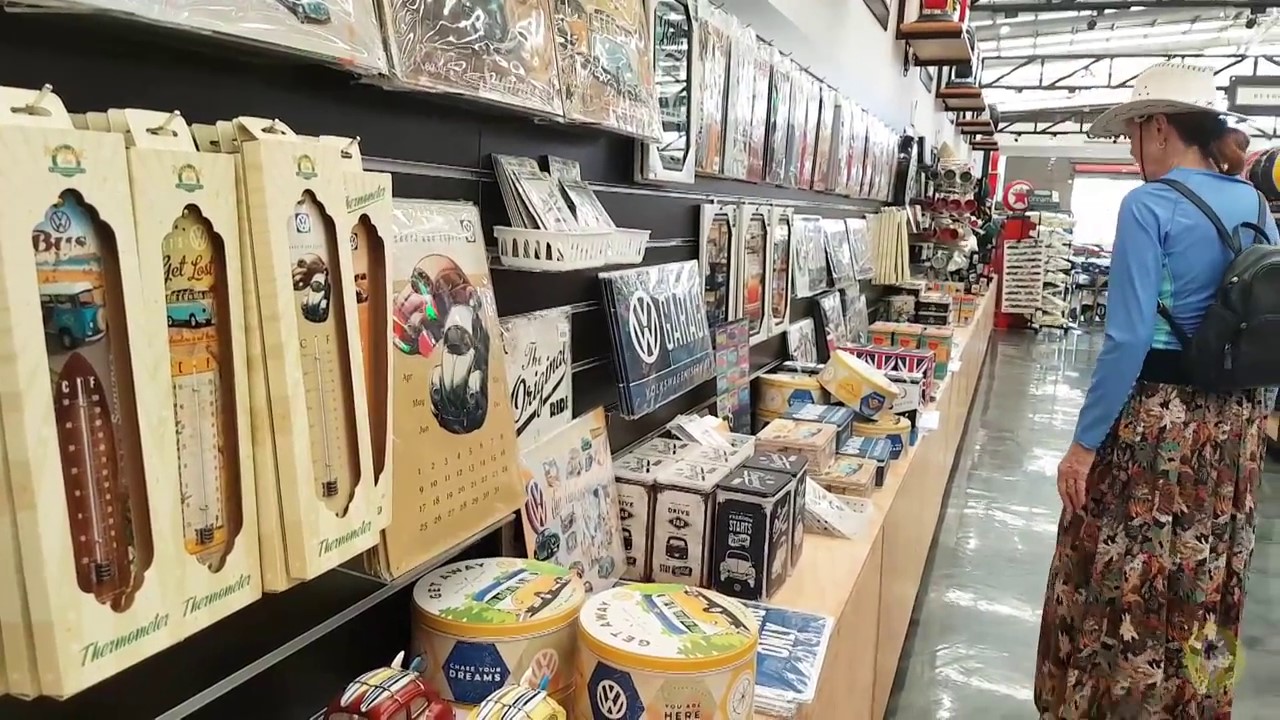
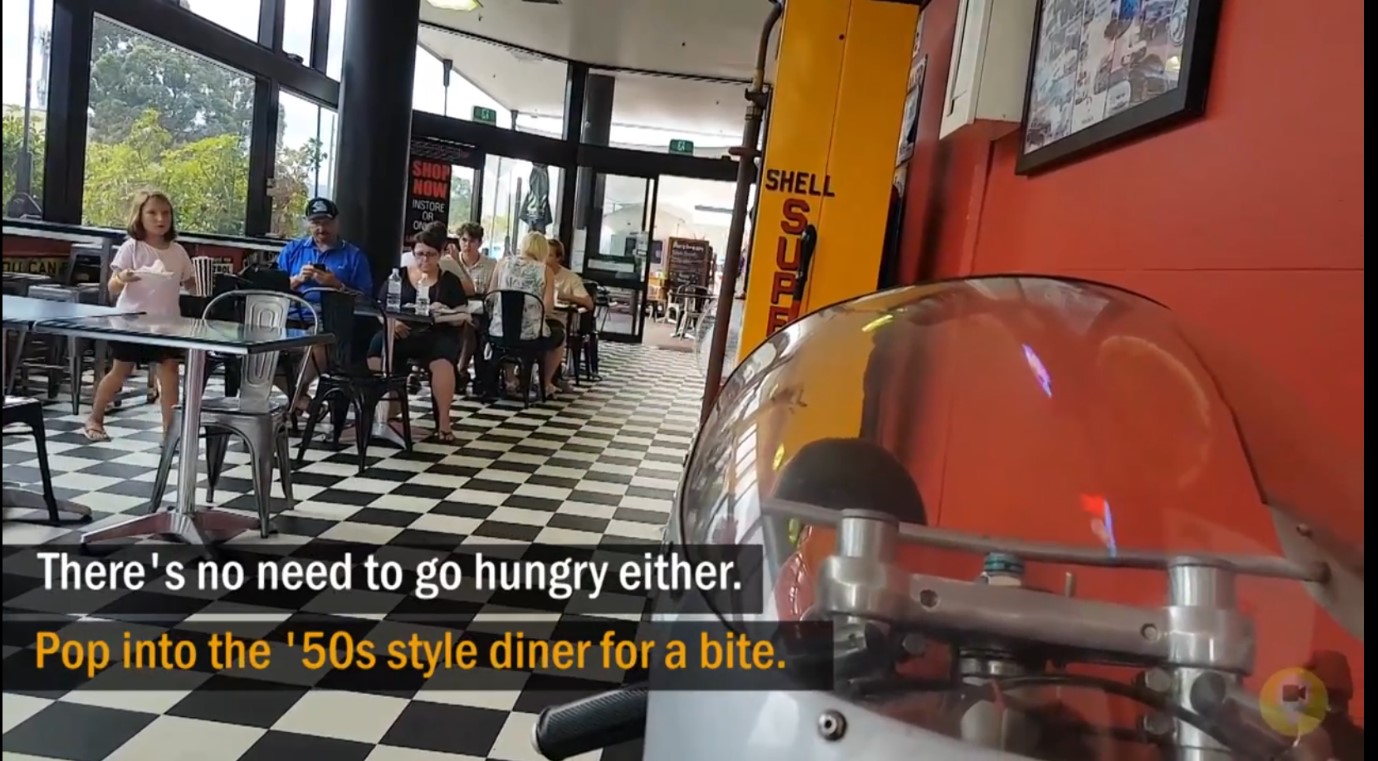
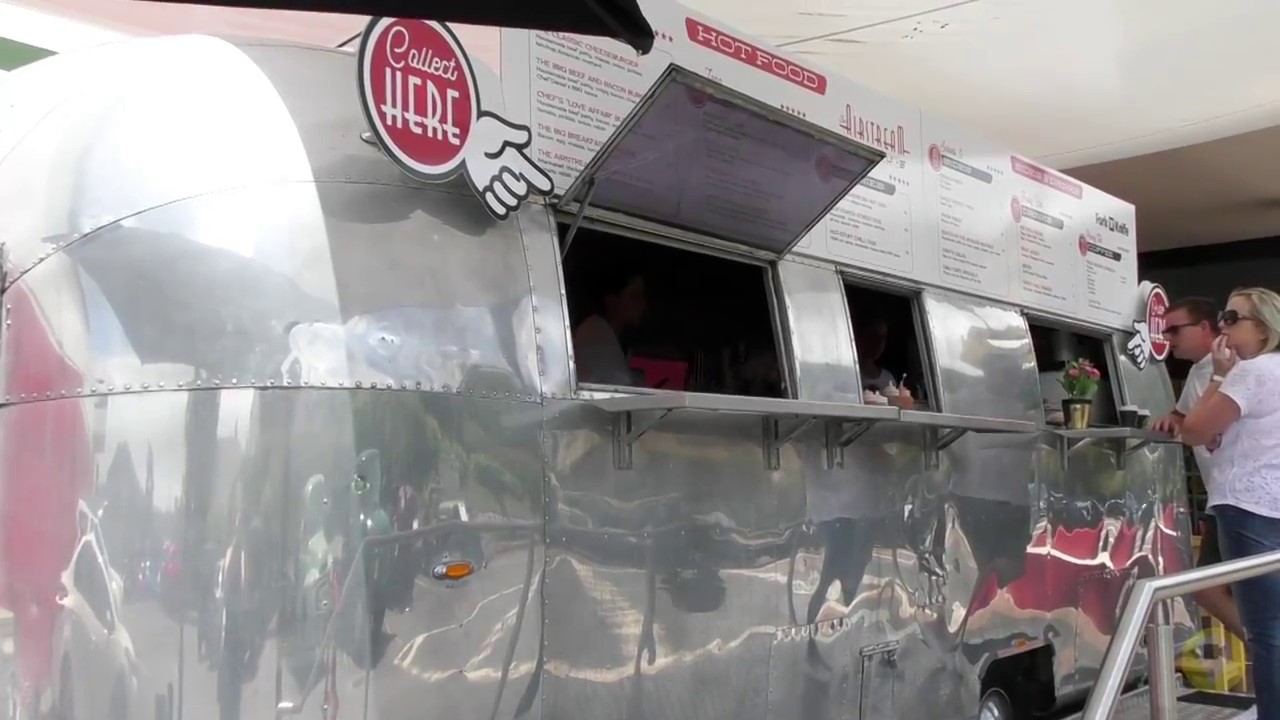
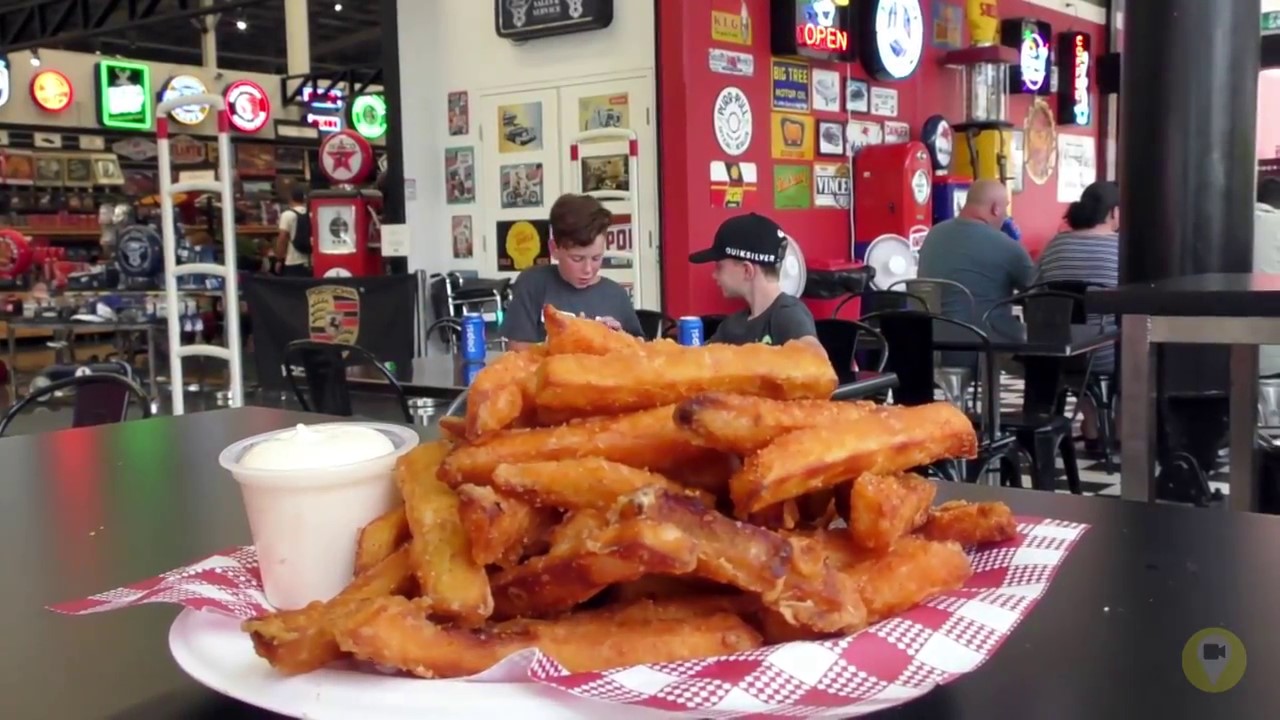
11 The videos also depicted the museum’s merchandise shop and diner – see Annexure A. Goods available for purchase included such things as model cars and merchandise branded “Gosford Classic Car Museum”. The museum featured a 1963 or 1964 Airstream diner from which restaurateur James Nouri offered a 1950’s or 1960’s style burger menu. Before the museum opened, the website advertised that the “Gosford Classic Car Museum will feature 1950’s style dining by Jimmy G’s”. The website later invited visitors to “feast at our classic diner” and “[e]njoy the iconic 1950’s diner setting with menu offers from breakfast to burgers and lunch classics”.
12 The content of the applicant’s website changed from time to time, but involved common themes. The applicant’s website marketed the museum as a desirable location for a “day out” and for a “break” from Sydney. Its website included:
ABOUT THE AREA
The Gosford Classic Car Museum is located on the beautiful Central Coast of New South Wales. The area offers a gorgeous coastline with golden beaches, clear lakes, lush wilderness, and extensive wildlife. If you’re looking for a break from the bustle of nearby Sydney, though we’re only a short one-hour drive from the capital, the Central Coast offers a distinct break from the city.
13 The website provided links to facilitate travel bookings to proximate locations by ferry, train, helicopter, private jet and seaplane and noted that the museum could be contacted “to arrange a shuttle or limousine for pickup”. The website noted that ample off street parking was available as were bus spaces and that VIP secure and undercover parking was available at a flat fee of $10.
14 The website provided links to various hotel websites where people might stay in order to visit. The applicant’s Facebook page stated that the museum was “school holiday fun” and invited viewers to “Bring the whole family, there’s something for everyone!” The Gosford Classic Car Museum and its founder, Mr Denny, were the subject of articles in Escape and the The Daily Telegraph.
15 Leveraging off another local tourist attraction, Mr Denny was reported in Escape as having stated that, just as the Australian Reptile Park had alligator feeding time, so too the applicant’s museum was going to have “car feeding twice a day”.
16 At the time of opening, the website stated:
NOT JUST A MUSEUM
Home to over 400 classic, veteran and modern cars and motorcycles, Gosford Classic Car Museum is one of Australia’s largest collection of privately owned cars. The collection contains a number of rare vehicles, most in their original condition.
Not just a museum, we’re a car lovers dream. Whether you’re a collector, an enthusiast or just a car nut, Gosford Classic Car Museum is the place you want to be. Ideally situated just off the M1 in West Gosford, Gosford Classic Car Museum has been created for car lovers, by car lovers and we guarantee an unforgettable experience. With so many vehicles under one roof, we have something everyone can get excited about.
17 The website stated that the museum was the largest car museum in Australia and one of the five largest car museums in the world:
The Museum
The site for the museum is the former Bunnings Warehouse building and was purchased in 2015. Mr Tony Denny and his team viewed approximately 5000 vehicles and hand-selected over 400 rare cars at an investment of $70 million to establish Gosford’s curated collection.
The Gosford Classic Car Museum is one of the 5 largest car museums in the world, and the largest in Australia. 95% of the collection has been purchased from within Australia. The only imported vehicles are the Soviet and Eastern European motorcars, as well as some of the Ferraris. …
As of May 2016, the 35 Ferraris currently in the museum make up approximately 30% of the value of our entire collection, and include F40, F50, Enzo and LaFerrari.
The museum is home to a collection of the full range of Holdens from 1948 to approximately 1978. The museum also features approximately 25 Communist Cars, including a ‘Zil’ Russian Stretched Limousine previously used by the Politburo of the Communist Party of the Soviet Union pre-1992.
18 The website likened its museum to a “museum of fine art”, with its exhibition of cars being a “curated collection of remarkable cars”:
Discover the beauty, diversity, and innovation of the automobile. Much like visiting a museum of fine art, the Gosford Classic Car Museum offers the opportunity to explore a curated collection of remarkable pieces, each unique and noteworthy in its own way. The expert workmanship, talent and artistry that goes into each vehicle is akin to that of a distinguished artist. The museum endeavours to open your eyes to the beauty of each car as a functional work of art.
19 One of the applicant’s employees was referred to as the “curator”. This employee also acted as a car salesman and the evidence indicated that he sold various cars.
20 The website also noted that functions and weddings could be arranged at the museum, although the evidence did not indicate that a wedding was in fact hosted. Some functions were held. The Daily Telegraph reported on 26 October 2016 that then Prime Minister, Malcolm Turnbull, celebrated his 62nd birthday at the museum at a function with 500 guests.
21 Up until around October 2016, the website did not state that the cars at the museum were for sale. Nor was there any prominent marking in the museum at the time stating that the cars were for sale. Indeed, the thrust of Mr Denny’s evidence was that it was part of his marketing strategy not to have prominent for sale signs in the museum.
22 From around October 2016, the website recorded that “many museum cars are for sale”. One version of the website in October 2016 stated the following concerning the applicant’s buying and selling activities:
BUYING CLASSICS
It is part of the museum’s mandate to facilitate the purchase [of] exceptional vehicles. This process allows us to display a rotating selection of fine automobiles for our visitors and members to view and appreciate.
If you are interested in selling your vehicle, please contact us with the details of the car in question via this page and we will be pleased to review the request.
SELLING CLASSICS
With so many exceptional vehicles on the museum floor, we have excess stock that we simply do not need. These classic cars are available now for sale via this page.
PROTECTING YOUR CLASSIC
Many of the cars in the collection have been accumulated from people who are excited about the museum and have approached us to purchase individual cars and collections. As part of our agreement with some of these vehicle owners, many of the cars have been committed to the display floor for a minimum of 5 years before they will be released for purchase.
23 Another version of the website stated:
WE BUY AND SELL PREMIUM CLASSIC CARS
Part of the culture of the Gosford Classic Car Museum is to facilitate the sale and purchase of exceptional vehicles. This allows us to constantly update our collection and display a rotating selection of vehicles for our visitors to appreciate.
Many of the cars in our collection have been purchased from owners who are proud to have their vehicle on display in the museum. As part of an agreement with some of these owners, we’ve committed to displaying their cars for a minimum of 5 years before they will be released for sale to the general public.
With so many remarkable vehicles on the museum floor, we do, however, have an abundance of stock that exceeds our direct needs. This provides you with an opportunity to purchase a classic car that has been restored to perfection and maintained impeccably.
Browse through our range of cars for sale, and please contact us for any sale or purchase inquiries.
24 Mr Denny was quoted in the Daily Telegraph on 24 November 2016 in relation to his development plans at the museum site which included “two floors of showroom, a café, memorabilia shop, office space over three levels, and potentially a world-class Asian-style restaurant and bar on the top floor with an outdoor terrace where we’d have live jazz music with amazing views of Brisbane Water”. He was reported to have indicated that visitor rates had been strong and that “we’ll be launching our online memorabilia shop next week with 1500 product lines”. The article was consistent with a view that the Gosford Classic Car Museum was a museum rather than a car dealership from which cars could be purchased. Like most of the media reporting at this time, it does not mention the sale of cars.
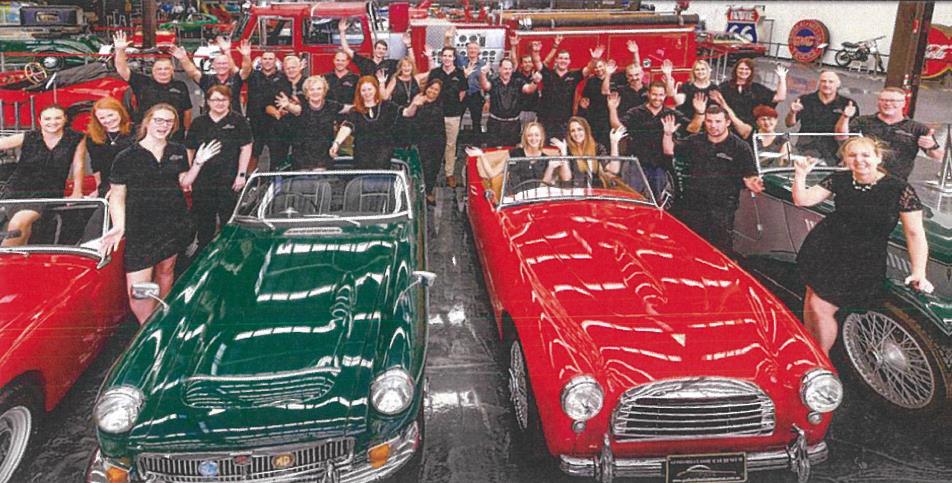
25 The applicant employed staff who worked at the museum’s admission/ticket desk and at the gift shop. Museum staff wore uniforms with the words “Gosford Classic Car Museum”. The employees discussed the exhibits with visitors and ensured that visitors did not touch the exhibits (although there were some exhibits which could be touched). The exhibits had a stand next to them describing the exhibit. The public was encouraged to seek out staff who were, the website noted, “more than happy to share” their “vast knowledge of automotive history” with visitors. The website described the “museum team” in the following way:
There are over 30 hard working and dedicated staff members employed by the museum, as well as 10 passionate volunteers. Many of the staff are motoring enthusiasts themselves and have a vast knowledge of automotive history they are more than happy to share with you.
26 It contained a picture of the team:
27 Adults were charged $20 in admission fees and children $12. Family tickets were $55. The applicant’s website encouraged online bookings, although tickets were “available at the door”. The museum was initially open 7 days a week, but soon thereafter was only open Wednesday to Sunday. It was busiest on the weekends.
28 The museum also put on special events, which attracted the usual admission charges. For example, it put on a “Royal Favourites Exhibition” from 10 to 12 June 2017. This was promoted through Eventfinda in the following way:
Looking for something fun and unique to do this Queen’s Birthday long weekend? Why not head to Gosford Classic Car Museum to view some of the Queen’s favourite cars? Exact and similar models of trademark Royal classics will be on show.
The 1924 Rolls-Royce Springfield Ghost has pride of place at the Museum - the same model owned by the Royal family. This fabulously flamboyant four door two tone silver and black vehicle is an example of what was at the time the most expensive collectible car in the world. Similar have been sold throughout the world for over $1M.
You can also check out a Royce Phantom VI, presented to The Queen in 1978 for her Silver Jubilee by the Society of Motor Manufacturers and Traders. It still resides in the Royal household and was used for the wedding of Prince William and Catherine Middleton in 2011.
Bentleys, a favourite of the Queen, are also on show at the Museum with line-up of eight models. The most significant being our stunning 1937 Derby Bentley 4 ¼. The Queen was recently presented with the first Bentley Bentayga off the production line as a reward for her loyalty to the marque brand.
The Museum invites families, car clubs and motor enthusiasts to visit and enjoy the collection. Just one hour north of Sydney, the Museum is the number one rated tourist attraction on TripAdvisor for the Central Coast. It is already Australia’s biggest private car collection and the largest car museum in the southern hemisphere, showcasing 450 vehicles valued at more than $70 million.
29 It had an Australia Day exhibition and hosted a Vintage Fair in 2017.
30 In February 2017, the applicant started a monthly newsletter. This would report on the events which had been occurring and included letters or notes from Mr Denny. For example, the February 2017 newsletter reported:
WHAT’S BEEN HAPPENING
January was a huge month for the museum, and set the tone for a great 2017!
Last Thursday we held our inaugural Australia Day at the museum, and it was a fantastic success! The Museum was packed and we had a great turnout for the revving of our Aussie muscle cars! Make sure you check out the video round up of our Monaro starting up here.
We have had a lot of new cars arriving at the museum this week, from the vintage classic; a 1938 Lancia Astura Cabriolet, to some quintessential Aussie muscle with our new 1971 Chrysler Valiant Charger R/T E-37! So make sure you head to the museum to get a glimpse of these new beauties!
31 Mr Denny’s note in the February 2017 Newsletter was:
Hi from Tony,
Firstly, I would like to introduce you all to our inaugural newsletter, a way for us to keep you up to date with everything occurring at the Museum.
It’s been extraordinary watching the Museum come to fruition and I am truly thankful to all of our visitors in helping make this dream come true.
I hope that you will all continue to enjoy the Museum as we move forward, and I really feel as though the Museum has become a true ‘car heaven’.
Tony Denny,
Museum Owner
32 The newsletter included a feature car of the month:
FEATURE CAR OF THE MONTH
1970 Holden HG
Monaro GTS350
The HG Monaro series, released in July 1970 was the last of the original coupé design concept.
This 1970 Lakeside Green Holden HG Monaro GTS350 with houndstooth interior is featured on display now!
It has only had three owners, and has been continually registered every year since it was bought new in 1970.
Only restored once fifteen years ago, this beauty still has complete matching numbers and is in excellent condition.
Make sure you watch its arrival here!
33 The February 2017 Newsletter noted that the applicant had by that time “launched the most comprehensive auto-memorabilia online store in Australia”.
34 The March 2017 Newsletter noted that the 1979 Trans Am Pontiac Firebird had been reintroduced and contained a link for viewers to see or listen to it “revving off against our 1984 Red Camaro”. It noted that the museum had “also taken our 1989 Humvee out for a spin around Gosford to blow out some cobwebs on this beast” and contained a link for readers to view what it is like being “behind the wheel of this war machine”. The March Newsletter noted that the museum was to have “a very special exhibition for a limited time only” of a new 2017 Audi R8.
35 The April 2017 Newsletter reported:
WHAT’S BEEN HAPPENING?
March saw the delivery of several rare and iconic cars entering the Museum.
The 1968 Holden Monaro HK GTS 327 (the first Holden to win the Bathurst 500) is a true Australian icon. A magnificent 1968 red Jaguar E-Type arrived as well as a 1984 Caterham Super 7 Sprint.
We also welcomed a 1969 Ford Mustang Mach 1 in the iconic Black Jade colour, and it has become a popular highlight of our display. You can listen here as it pulls into the Museum.
Feedback has been encouraging, visitors are telling us how exciting it is to watch the collection grow as we continue to add new classics each month.
36 Mr Denny’s note stated:
Hi from Tony,
We are proud to be taking part in NSW Kids in Need World’s Largest Open House on Sunday April 30.
It’s a day where you can support a number of NSW children’s charities as well as explore buildings and spaces in the Sydney area that aren’t regularly open to the public like the RAAF Base at Richmond, a Navy ship at Garden Island, fire stations, and this year the Gosford Classic Car Museum.
All proceeds from tickets will go to the charities involved including our own Central Coast Kids in Need who help struggling families with sick children who need to travel to Sydney or Newcastle for vital hospital treatment.
For one day only, tickets to the Museum will be $10 (half the adult admission price) and all the takings will be going to the group of children’s charities.
We will be also be open everyday [sic] of Easter this year including Good Friday and Easter Monday so bring along your families and friends and take in all the fantastic new models in the Collection. I’d like to take this opportunity to thank all our customers for your support of the Museum and wish everyone a very Happy Easter.
Tony Denny, Museum Owner
37 The April 2017 Newsletter reported that the museum had become the “No 1” attraction on TripAdvisor for the Gosford and surrounding Central Coast area.
38 In June 2017, the applicant’s marketing manager prepared a submission for the Central Coast Business Excellence Awards to put the museum in the category of “Start Up Superstar”. It contained the following company description:
Gosford Classic Car Museum is a world class, diverse and evolving collection of rare and classic cars offering visitors a unique and inspiring experience of automotive engineering excellence. It is the largest privately owned car collection in Australia and the Southern Hemisphere with 400 motor vehicles on display worth over $60M. The Museum also features an Airstream Cafe and an Automobilia store on site and is earning a reputation as a venue for events staged by external corporations. Gosford Classic Car Museum was recently rated by TripAdvisor as the number one visitor attraction in Gosford and the surrounding Central Coast. In June, just over a year after opening, the 100,000th customer walked through the door.
39 It included the following questions and draft answers:
Q2. How did you come up with this business idea?
…
The Bunnings store in West Gosford became available and was the perfect site to house not only Tony’s personal cars, but a whole collection of motoring history. With the help of a small group of local experts, he set about acquiring a large number of rare and interesting classic cars and motorcycles to provide a unique offering on the Central Coast for local residents and tourists to enjoy. It soon became apparent that this new venture had the potential to become a world-class Museum capable of attracting many new visitors to the area.
Q3. What problem (or need) is your business solving?
…
The wide variety of exhibits and “something for everyone” philosophy means visitors of all types and ages are interested, including families, seniors, motor heads, car clubs as well as international tourists who come to especially see the cars or are passing through the area on their travels. The Museum has become a popular destination because it creates an emotional journey for people, a destination for car clubs and other interest groups and in particular a bonding experience for groups of males.
Q4. What kinds of people, groups, or organisations have that problem? How many are there, where are they, what do they do about it now?
The Gosford Classic Car Museum has been able to reach out to a number of social groups and fulfil certain needs:
• Families - providing a great family day out where there is something of interest for each member.
• Seniors - as well as an enjoyable outing many are able to connect emotionally to the Museum’s collection with a walk down memory lane
• Clubs and Groups (Probus, Rotary, etc) - again an enjoyable outing which connects people
• Car Clubs - cruise destination for groups connected by a love of motoring
• Museum Volunteers - the Museum's team of volunteer car experts are valued for their knowledge and passion as they act as guides and share this enthusiasm and knowledge with our customers
• Car lovers - appealing to many individual's appreciation of design and advancements in technology
• Car motorheads - an experience to share with mates, bonding over a shared interest has shown to be beneficial for mental health
This audience is from all walks of life and all corners of the world but especially NSW. Everyone loves to be entertained and an uplifting experience is healthy for the soul.
Q5. What is unique about your business and how does it demonstrate excellence? Who will you compete with? How are they different?
Our mission statement defines our resolve to strive for excellence in everything we do – “to showcase a world class, diverse and evolving collection of rare and classic cars offering our visitors a unique and inspiring experience of automotive engineering excellence.”
Competitors, as well as other automotive collections and shows, include tourist attractions on the Central Coast such as Australian Reptile Park, Glenworth Valley Outdoor Adventures and Treetop Adventure Park, however within this sector we have a unique offering which has enabled us to become the number one attraction* in Gosford and the Central Coast in a very short period of time.
We anticipate we will be able to maintain this position not only due to our investment in marketing and expanding the museum program but also due to the constant turnover of classic cars - there is always something new to see.
When choosing which cars to include in the Museum acquisitions are judged on appearance and presentation, authenticity and originality, as well as ability to appeal to a mass audience, allowing the Museum to build a credible and high quality collection.
* according to global tourism website TripAdvisor which is based on positive reviews from visitors
Q8. Detail how your business has the potential to scale and achieve financial sustainability.
The Museum has been able to extend audience reach via a comprehensive range of marketing strategies designed to reach local, national and international visitors. For example low cost marketing streams such as Facebook advertising are having an immediate and successful impact on our turnover. By extending current successful strategies and researching and implementing new technologies we will continue to drive business growth.
The business model has expanded to include new income streams by staging external events and corporate functions, operating a global online store, growing the range of in-store product lines offered at the Museum shop (including initiating branded merchandise production), and offering visitors food and beverages in the on-site Cafe.
The greatest potential to grow income lies in the selling of Museum vehicles in order to purchase new exhibits. A dynamic exhibition strategy requires that vehicles are regularly sold to car lovers and investors leading to an [sic] revolving display of new and exciting rare vehicles. The expertise of the Curator and Head of Acquisitions ensures items are often deaccessioned with a high profit margin (sometimes up to hundreds and thousands of dollars.)???
40 In a Statement of Environmental Effects prepared for a proposed development dated November 2017, the museum was described as a “major attraction for the Central Coast” attracting visitors of all ages and backgrounds, with the “dominant existing use” of the premises being “for the display of classic motor vehicles”:
The Gosford Classic Car Museum was established in 2016, and is one of the 5 largest privately-owned car museums in the world, and is the largest in Australia and the Southern Hemisphere. The museum houses over 400 rare and classic cars from Australia and across the world, with a value of approximately $70 million. The museum is a major attraction for the Central Coast, and attracts visitors from locally, within NSW, from interstate and internationally, with up to 2,500 visitors per week. Visitors are from all ages and backgrounds, and the Museum is particularly popular for car enthusiasts and their partners and families and also for car clubs.
The dominant existing use of the site is for the display of classic motor vehicles, and most vehicles in the museum are available for sale, and a dedicated area at the rear of the museum building is used for the sale of specific vehicles, and classic car auctions are also run from the site. Within the car museum building there is also a merchandise shop, café seating area, administration offices, sales office and repairs and maintenance are carried out on the display cars. The car museum currently has 32 employees.
41 An “Assessment of Traffic and Parking Implications” dated November 2017 addressed the proposed development which contemplated, amongst other things, “construction of a new mixed use building” and “retention of the existing motor vehicle museum use in the building on the central and western part of the site”. This report described the existing uses on the site as: (a) the “Gosford Classic Car Museum which occupies the central part of the site”; and (b) a “car sales showroom and offices which occupy the eastern part”.
42 One of the museum’s more significant pieces was a 2015 La Ferrari, imported pursuant to an “exhibition purposes only” import approval issued on 16 May 2016 for $4.894 million. That approval had been sought urgently given the impending opening of the museum. Whilst most of the cars in the museum were generally available for sale, although not marked as such, the La Ferrari was displayed as “For Exhibition Purposes Only”, consistently with what had been represented to the then Commonwealth Department of Infrastructure and Regional Development when seeking the import approval.
43 Visitors on weekdays typically numbered in the hundreds and at times over a thousand on a Saturday or Sunday. Typically, the museum would see between one and two thousand visitors a week. By comparison with those numbers, the museum received 10 to 15 car sales inquiries a week.
44 During its first full financial year of operation the applicant received about $1.32 million in admission fees. Its revenue from the sale of cars in that period (approximately $28,249,359), less the cost of sales ($23,857,392), was approximately $4.39 million.
45 The museum was described by the applicant’s counsel as Mr Denny’s “brainchild”. Mr Denny had commenced his career in motor vehicle sales in his early twenties in Sydney and moved to Europe in 1992. He enjoyed great success in Europe, in particular through business interests in Prague, buying and selling mostly second hand vehicles. Mr Denny decided to return to Australia in 2014. He considered that Australian dealerships were quite unsophisticated, in being passive operations. He stated that he decided to embark on a venture dealing in exclusive “high-end” classic and luxury cars. In 2014, Mr Denny located a former Bunnings warehouse in West Gosford which was purchased by a related entity and subsequently developed to house the museum. The applicant began purchasing stock in later 2014 or early 2015. Before the “Gosford Classic Car Museum” opened on 28 May 2016, the applicant’s stock was advertised for sale over the internet.
46 Mr Denny had observed what he described as a similar marketing technique being used at the Lincoln Hotel in Las Vegas in 2013. Mr Denny explained in his first affidavit:
In or about 2013, I came across what I thought was a particularly clever and novel way of marketing vehicles at the Lincoln Hotel in Las Vegas. A dealership had cordoned off a section of the hotel and used that section to house a collection of classic cars. The section was referred to as a “museum”, with the vehicles arranged to highlight the changing look of them at their different times of manufacture. However, despite the presentation all of the cars were for sale …
Even though I was a very experienced car dealer, when viewing the vehicles in this setting I was struck by the manner in which the cars were presented, as it gave the impression of each of the vehicles displayed having a greater provenance and value than they might otherwise have. When I use the term “provenance”, I mean that the vehicle’s authenticity, historical service records, state of repair and prior ownership were readily ascertainable and able to be verified. I considered that there was a certain panache attached to buying a luxury vehicle from such a display.
I formed the view that any potential purchaser looking at these vehicles, placed within premises containing a number of other distinguished vehicles, would be more likely to be immediately impressed with the vehicle and more willing to buy at a higher price. I considered that potential purchasers might consider it a privilege to purchase the vehicle from that sort of display.
47 Mr Denny’s evidence was that his “main intention” behind the museum concept, and the charging of admission fees, was “to create a level of exclusivity and attract genuine potential customers”. According to Mr Denny, the charging of admission fees also discouraged “tyre kickers”.
48 Counsel for the applicant submitted that “[t]he applicant’s sole purpose at all relevant times was to sell the vehicles for the maximum price it could obtain” and that “[t]he display of the vehicles at the Gosford showroom was no more than a unique and inventive means of selling stock employed for the sole purpose of distinguishing the applicant’s business and giving the applicant a marketing edge over its competitors”. Although the applicant conducted its activities referred to above under the name “Gosford Classic Car Museum”, and marketed the museum as such, the applicant’s appeal statement and submissions referred to the museum as the “Gosford showroom” or the “dealership”. This description is accurate in that luxury and classic cars were available for sale and the applicant conducted car trading activities from the premises. The applicant had 5 or so sales staff on the museum floor at any one time and the museum contained a sales office. At least generally, the cars housed in the main area of the museum had a Form 5 Motor Dealer’s Notice for Motor Vehicles in them. These were located on the back seats or back window so that they were not visible to museum visitors. At least until the Australian Taxation Office (ATO) suggested in around February 2017 that the cars might be being used for a purpose additional to any use as trading stock, the signage did not clearly inform visitors that the cars in the main area of the museum were for sale. The signage did make it clear that the cars kept in a separate area at the Eastern part of the site were for sale. The cars which were located in that area had the Form 5 Notices clearly visible on the dashboard or front seat. The videos which were tendered showed that visitors to the museum were under the impression that only some of the vehicles were for sale and, by necessary implication, that some were not.
49 As mentioned, the Statement of Environmental Effects referred to earlier noted that the existing uses of the site were as the “Gosford Classic Car Museum” which occupied the central part of the site (some 8,417 square metres) and a car sales showroom and offices which occupied the Eastern part of the site.
50 Mr Frank Cavasini, a tax agent who for a time communicated with the ATO on the applicant’s behalf in relation to the present dispute, and apparently had some expertise in LCT, sent an email to Mr Denny on 6 April 2017 which stated that he had recently met with the ATO in relation to Mr Denny’s affairs. In the email, Mr Cavasini reported that he had spent the afternoon at the museum walking through the premises with Ms Karen Evans. He stated that there were issues which obviously needed to be addressed before a scheduled ATO inspection. Mr Cavasini stated that Mr Denny should “remove the bulk of signs which state[d] [that] … cars are not for sale”. These were said to be “the majority of cars in the centre display area”. Mr Cavasini advised: “you should put in this area, more signs stating, that cars are for sale!!!” He advised: “You … need more signs scattered around the place on stands stating the same”. He stated that the problem he and Ms Evans had found was that it was “clear … that the cars in the centre area were not for sale”, but “it was more than clear” that the cars in the caged area (which I infer to be the Eastern part of the site) were for sale. In the caged area there were, according to the email, multiple signs and prices on each car. The email also noted that there was a large wall sign with an arrow to the caged area which had the cars for sale and suggested it be relocated at the entrance to the left of the counter such that it would indicate that the cars in the museum were for sale.
51 Ms Evans gave evidence that she did not recall signs in the museum stating that the cars were not for sale. Her recollection some years after the relevant events should not be preferred over the contemporaneous record, being Mr Cavasini’s email, which is likely to be more accurate. Mr Cavasini had no reason to misrepresent what he saw to Mr Denny or the applicant, for whom he was then acting.
52 It is also relevant to mention that 6 cars were, according to the then current instructions of the owners of those cars, not to be sold for between three to five years.
53 The description of the museum as a “showroom” or “dealership” does not furnish a complete picture of the activities conducted at the “Gosford Classic Car Museum”.
THE ISSUES IN THE PROCEEDING
54 This proceeding is an “appeal” brought in the Court’s original jurisdiction under Part IVC of the Taxation Administration Act 1953 (Cth). The proceeding concerns the applicant’s liability to luxury car tax (LCT) and goods and services tax (GST) for confined tax periods from June 2016 to November 2017. The two issues in dispute between the parties are whether:
(1) the applicant had “increasing luxury car tax adjustments” under ss 15-30 and 15-35 of the A New Tax System (Luxury Car Tax) Act 1999 (Cth) (LCT Act) and
(2) the input tax credits which the applicant could claim were limited by s 69-10 of the A New Tax System (Goods and Services Tax) Act 1999 (Cth) (GST Act).
The LCT issue
55 If an entity can “quote” its ABN when acquiring or importing a car, it will not be subject to LCT. The system of quoting is designed to prevent LCT becoming payable until the car is imported or sold at the retail level.
56 Where an entity was supplied with, or imported, a luxury car and no LCT was payable because the entity quoted for the supply, the entity will have an “increasing luxury car tax adjustment” if it later “use[s] the car for a purpose other than a *quotable purpose”: s 15-30(3) (supply); s 15-35(3) (importation).
57 The term “quotable purpose” means “a use of a *car for which you may *quote under section 9‑5”: s 27-1. Section 9-5(1) provides for the circumstances in which an entity is entitled to quote:
You are entitled to *quote your *ABN in relation to a supply of a *luxury car or an *importation of a luxury car if, at the time of quoting, you have the intention of using the car for one of the following purposes, and for no other purpose:
(a) holding the car as trading stock, other than holding it for hire or lease; or …
58 Leaving the La Ferrari aside, the Commissioner does not dispute that the applicant was entitled to quote at the time of importation or acquisition for those cars imported or acquired by the applicant before the museum commenced operations on 28 May 2016. The issue in respect of those cars is whether the applicant has an increasing adjustment on the basis that, once the cars were placed in the “museum”, the applicant started to “use the car[s] for a purpose other than a *quotable purpose”: s 15-30(3); s 15-35(3).
59 As to the La Ferrari, the Commissioner contends that the applicant was not entitled to quote for the La Ferrari because, at the time of quoting, the applicant did not have the intention of using it for a quotable purpose because the applicant did not intend to import it for the purpose of holding it as trading stock or, if it did, it also had a purpose of displaying the La Ferrari in the museum which meant that the applicant was not importing the La Ferrari for the purpose of holding it as trading stock “and for no other purpose”: s 9-5(1).
The GST issue
60 By reason of s 69-10 of the GST Act, if a taxpayer acquires or imports a car, the value of which exceeds the “car limit”, and the taxpayer was not entitled to quote under the LCT Act, the input tax credit to which it is entitled is limited to 1/11 of the “car limit”.
61 The Commissioner contends that this limitation on claiming input tax credits applies in relation to each car acquired or imported by the applicant after 28 May 2016 in the relevant tax periods and to the La Ferrari.
62 The principal issue in relation to these cars is whether, when the applicant imported or acquired the relevant car, it had the intention of using the car for the purpose of holding it as trading stock “and for no other purpose”: s 9-5(1).
Penalties
63 The applicant’s liability to administrative penalty arising from any shortfall amounts is the subject of a proceeding in the Administrative Appeals Tribunal which was heard at the same time as these proceedings with evidence in one proceeding being evidence in the other. The decision in the Tribunal proceedings is Automotive Invest Pty Limited and Commissioner of Taxation (Taxation) [2022] AATA 672.
CONSIDERATION
64 The applicant’s case, as put in written submissions filed before hearing, implicitly accepted that, if there was a purpose additional to one of holding the car as trading stock, then the applicant must lose. The applicant’s case was, however, that each car was used only for the purpose of holding it as trading stock and that the “museum concept” was “no more than a unique and inventive means of selling stock”.
65 In its opening submissions at hearing, and without abandoning its previous case, the applicant put a new case. Mr Bloom QC frankly acknowledged that the new argument had only occurred to his team over the weekend. The new argument was that the word “other” in the phrase “and for no other purpose” in s 9-5(1) should be read as “alternative” rather than “additional”. The argument was that there was no “alternative” use of any of the cars: each car was held as trading stock and any additional use of the car was not “alternative” to the purpose of holding the car as trading stock. Put another way, or perhaps by way of variation, each of the cars was held as trading stock and any use of the cars for any additional purpose was not a use which took it out of trading stock.
66 Although the LCT question concerns actual use and the GST question concerns intended future use, the parties were agreed that, on the facts of the present case, the LCT and GST questions will be answered in the same way. It follows that the central question can be summarised as whether the applicant used or intended to use each car for the purpose of holding the car as trading stock and for no other purpose.
67 The answer to the central question is that each car was not used for no other purpose than holding the car as trading stock. Each car was also used for the purpose of displaying the car, together with other cars, as exhibits in a museum, being operated commercially as a museum.
68 The word “other” is not properly construed as meaning “alternative”. The statutory language, including the word “other” and the phrase “and for no other purpose”, is unambiguous. There is no need to resort to different words to understand what is intended. The legislative scheme, so far as concerns LCT, is to permit a taxpayer to quote only if, at the time of quoting, the taxpayer has the intention of using the car for one of the purposes identified in s 9-5(1) “and for no other purpose”. If there is a second purpose in addition to one of the purposes identified in the subparagraphs in s 9-5(1) then the taxpayer cannot quote. The statute does not provide relief where there are multiple purposes at the time of quoting. Albeit perhaps not a central issue in those cases, this was the understanding of the legislative scheme mentioned by Jessup J in Melbourne Car Shop Pty Ltd v Federal Commissioner of Taxation (2010) 76 ATR 42 at [35] and Senior Member O’Loughlin in Re Davsa Forty-Ninth Pty Ltd (as Trustee for the Krongold Ford Business Unit Trust) and Commissioner of Taxation [2014] AATA 337; 98 ATR 671 at [60]. Indeed, it was the understanding of the parties to this litigation over the years of dispute and until shortly before the hearing. Reading the word “other” as “alternative” creates ambiguity where none existed.
69 If, at the time of quoting, the taxpayer has the intention of using the car for one of the purposes identified in the subparagraphs in s 9-5(1) “and for no other purpose”, but later uses the car for an additional purpose then an increasing adjustment will happen: s 15-30(3)(c); s 15-35(3)(c). It does not matter that the additional purpose might not be inconsistent with the original purpose which was a “quotable purpose” (s 27-1). By way of example, it would not be inconsistent with holding a car as trading stock to begin using a car for private purposes outside of the hours of operation of a car dealership, for example between the hours of 5pm and 10am and on weekends. The use of the vehicle for that private purpose has the consequence that an increasing adjustment would happen, notwithstanding that the car might still be held as trading stock.
70 The carve out in paragraph (a) of s 9-5(1) of cars held for hire or lease is made because there might be circumstances in which a car held as trading stock is used for hire or lease. If this happened, then the car would not be used for a “quotable purpose”. In this situation, the car is being used in substance for reward at the time it is also held as trading stock. The statutory objective is not to permit quoting if the intended use on acquisition or importation includes hiring or leasing the car and to impose an increasing adjustment if there is a change in use which includes a purpose of hire or lease. If I understood the applicant correctly, it submitted that a car held as trading stock could not also be hired or leased without it ceasing to be trading stock and that goods held for hire alone were not trading stock. It referred to Hyteco Hiring Pty Limited v Commissioner of Taxation (1992) 92 ATC 4216. Even if it is not possible for an item of trading stock to be hired or leased on occasion without the car thereby ceasing to be trading stock (which I doubt), and even if goods held only for hire are not trading stock, the point of the carve out in paragraph (a) of s 9-5(1) is simply to make clear that hiring or leasing a car would be an impermissible use of the car for the purposes of attracting the relief intended to be provided by the system of quoting.
71 The applicant submitted that its construction promoted the underlying policy of the statutory regime for LCT, in particular the system for quoting. The policy was identified as being to ensure that the tax was levied at the retail level. Reference was made to [5.8] and [5.9] of the explanatory memorandum which state that the “tax will generally be levied at the point of retail sale” and that this is the reason for introducing the “system of quotation”. There is no doubt that this is one of the statutory objectives. Another objective, revealed by the language of the statute, is only to permit quoting in the case of cars acquired as trading stock, where there is no other purpose additional to holding the car as trading stock.
72 The applicant relied on Brayson Motors Pty Ltd v Commissioner of Taxation (1985) 156 CLR 651, in particular at 657-659. Brayson Motors turned on a conclusion that a literal application of the statute would be inconsistent with the statutory object with the result that the statute should be construed otherwise than in accordance with its literal meaning or otherwise confined. The object of the relevant statute was to levy the tax at the point of wholesale sale. Brayson Motors was a retailer of motor vehicles who also happened to be registered as a wholesale merchant in respect of its wholesale business in vehicle spare parts. The High Court held that Brayson Motors was not liable to pay sales tax on its retail sales of vehicles in addition to paying sales tax on its wholesale sale of spare parts. The policy of the relevant Sales Tax Assessment Act 1930 was to impose a tax upon the last relevant wholesale sale, not to cause a retail sale to attract tax simply because the seller happened to be registered as a wholesale merchant in relation to other activities. The High Court concluded that the legislation should be read down to exclude sales of goods distinct from the business or activity by reason of which the vendor was registered under that legislation.
73 The present case is different. The statutory object is not simply to levy LCT at the point of retail sale. Other statutory objectives include not permitting LCT to be deferred until the point of retail sale if a car is intended to be used for a purpose additional to one of holding the car as trading stock and bringing forward the point of levy if there is a change in use where the initial quoting on acquisition or importation was permissible. Additionally, the system of quoting introduced by the LCT Act is a quite different statutory mechanism to that considered in Brayson Motors.
74 If the statute is read in the way the applicant contends, one result would be that a dealer could use a luxury vehicle for private purposes whilst also holding the vehicle as trading stock. The statute cannot be construed as intending such a result.
75 The applicant’s submission proceeds from an assumption as to the statutory object, and a narrow one at that, and a reading of the statute to seek to make that assumption good, rather than divining the statutory objective from the language used – as to which, see: Certain Lloyd’s Underwriters v Cross (2012) 248 CLR 378 at [26].
76 The applicant submitted that the Commissioner’s case involved three “fundamental” errors. The errors were said to be:
First, the respondent’s argument is that the display of the cars in the showroom was an “other purpose” for the purposes of s 9-5 of the LCT Act because the showroom was styled as a “museum” and visitors were charged a small admission fee to enter the premises. This contention is based on an excessively narrow and uncommercial factual characterisation of the applicant’s activities. The applicant sold cars via an enterprising marketing strategy intended to increase the sale and price of the cars. The factual matters relied on by the respondent – such as displaying the vehicles in a showroom called a “museum”, charging a modest entry fee to the premises and promoting the showroom extensively to potential customers (including families with children) – support that conclusion. The novelty of the marketing concept does not derogate from the fact that each car for which LCT has been assessed … was at all times held as trading stock and thus used for a “quotable purpose”. It is trite law that the Commissioner ought not direct a taxpayer how to conduct its business for the purposes of the income tax acts – similarly here it is not for the Commissioner to dictate how luxury cars ought to be held for the purposes of sale or exchange.
Secondly, the respondent approaches the question of whether there is an increasing adjustment (or limitation to input tax credits) by reference to the vehicles located in the showroom in Gosford as a “unified exhibit” or indivisible group, rather than considering the application of the LCT Act (and GST Act) to each vehicle individually as the legislation requires. This approach is flawed and contrary to the scheme of the LCT Act which considers the position of each vehicle individually.
Thirdly, while it is accepted that the Court will construe “quotable purpose” in ss 15-30(3)(c) and 15-35(3)(c), by reference to s 9-5(1) of the LCT Act, the respondent construes that provision in an unduly narrow and artificial fashion, such that any use of a vehicle beyond mere possession of that vehicle would be a use for a purpose other than a “quotable purpose”. This is plainly wrong …
77 As to the first contended error, and leaving the La Ferrari aside, a characterisation of the purpose of the applicant’s use of each car as one which, in addition to holding the car as trading stock, included displaying the car, together with others, as an exhibit in a museum being operated as a commercial museum venture is neither “narrow” nor “uncommercial”. It is an objective characterisation of one of the substantial purposes of the applicant’s use of each displayed car.
78 As was explained by Gleeson CJ in News Ltd v South Sydney District Rugby League Football Club Ltd (2003) 215 CLR 563 at [18] and by the High Court in Commissioner of Taxation v Sharpcan (2019) 269 CLR 370; [2019] HCA 36 at [49], the purpose of an activity is the end that is sought to be accomplished by the activity, not the reasons for engaging in the activity. The reasons for a person engaging in an activity explains the person’s motive, but is distinguishable from, even if it might inform, the purpose of the activity. The statutory question is not why the applicant engaged in the activities it did. The question is whether the cars were used for the purpose of holding them as trading stock and for no other purpose.
79 Given the ordinary frailties of human recollection and the pull, even if subconscious, towards self-interest, the most reliable method of determining purpose is generally to examine and draw inferences from the objective facts. That is not to exclude subjective evidence which might properly inform an assessment of purpose; it is merely to observe that inferences from objective facts can prove to be more reliable.
80 Contrary to the submissions advanced on behalf of the applicant, the museum was not solely an “enterprising marketing strategy intended to increase the sale and price of the cars”. The charging of admission fees was not a device to discourage “tyre kickers”. I do not accept Mr Denny’s evidence that the admission fees were raised from $16 to $20 because “we were still getting people that weren’t potential buyers coming in” or that when it was “raised … to $20 there were more affluent people coming through, more potential for selling the car” or that $16 was rejected in favour of $20 in order to reduce the number of “tyre kickers” and increase the number of affluent visitors.
81 As one would expect, the videos suggest that the overwhelming majority of visitors were not visiting the museum to consider a potential purchase of a car at all. Objectively assessed, the museum sought to attract as many visitors as it possibly could and from all walks of life. The museum was a tourist attraction. Indeed, it was spectacular and justifiably successful in attracting customers. It would naturally have attracted many people who were uninterested in buying a car.
82 The purpose of the applicant’s use of each car must be assessed in the context of the surrounding circumstances. Contrary to the applicant’s submission, it does not matter that one might not be able to tie the use of a particular car to a particular admission fee.
83 The applicant operated a museum, marketing it broadly to the public, charging substantial admission fees, explaining its exhibits through museum-like display signs, staff and volunteers, providing associated services including the 1950’s Airstream diner, operating a substantial physical and online gift shop and engaging in museum-like activities such as demonstrating the engine of the De Havilland Rapide, publishing newsletters and demonstrations of its vehicle or the sound of their engines. The museum activities were marketed and directed to an audience far broader than those who might buy or sell vintage or classic cars.
84 None of that is to deny that Mr Denny and the applicant intended to trade cars through the “Gosford Classic Car Museum” or that they considered that the museum would assist in maximising the number of sales and the sale price. Mr Denny made clear, as is obvious in any event from the objective facts, that he wanted to profit from the sale of cars and considered that the “museum concept” would be the best way to achieve that objective. The question though is whether, in implementing the museum concept in the way that it did, the applicant “use[d] the car[s] for a purpose other than a quotable purpose”: s 15-30(3)(c); s 15-35(3)(c). The answer is that, in displaying each car in the museum, together with other cars, in the manner described earlier, the applicant did use the cars for a purpose additional to holding the cars as trading stock.
85 Contrary to the submissions advanced on behalf of the applicant, the Commissioner is not dictating how luxury cars ought to be held for the purposes of sale. The commercial and business decisions were made entirely by the applicant, mostly through Mr Denny. The real question is whether those choices had the result that each car was used for a purpose additional to holding the car as trading stock.
86 As to the second contended error, there is no question that one needs to consider the position of each car individually. That does not mean that one must ignore the fact that each car available for sale was also used as an exhibit in the museum.
87 As to the third contended error, it is not necessary to determine the outer boundaries of what “other purposes” might be such as to result in a car being used for something other than a “quotable purpose”. It is sufficient to record that the “other purpose” in this case was one of substance. The museum component of the applicant’s activities was substantial. It was directed to more than the mere sale of cars, even if that was the primary commercial objective. The museum activities gave rise to significant revenue.
88 In Randwick Municipal Council v Rutledge (1959) 102 CLR 54 at 94 a case to which the applicant referred, Windeyer J said (citations omitted):
The words “exclusively” and “solely” are familiar in fiscal and rating law. Where an exemption from rating depends upon the use of land exclusively for a particular stated purpose, then the use must be for that purpose only … The question arises, for example, when part of the subject land is used for the relevant purpose and another part for a different purpose … The presence of “exclusively”, “solely”, or “only” always adds emphasis; and is not to be disregarded … When such words are present, it is a question of fact whether the land is being used for any purpose outside the stipulated purpose … As Kitto J said in Lloyd v Federal Commissioner of Taxation, such words confine the use of the property to the purpose stipulated and prevent any use of it for any purpose, however minor in importance, which is collateral or independent, as distinguished from incidental to the stipulated use. Even without such words, an exemption from rating based upon use or occupation for a particular purpose or in a particular manner can only apply when the property is so used that it can properly be described as used for that purpose or in that manner, any other user being merely incidental, or at least not inconsistent with such main user.
89 The last sentence of that passage, and the notion of a use being “merely incidental” and “not inconsistent” with the main use, is an observation concerning statutes which do not use language such as “exclusively” or “solely” or, to return to the present case, a statute which states that the use must be for holding as trading stock “and for no other purpose”. In any event, the use of each car by the applicant in its museum activities is not accurately described as “merely incidental” to the use of the cars as an item of trading stock even if the applicant’s museum activities and sales activities were in many respects complementary. The use of each car in the museum is properly described as “additional” to the purpose of holding the car as trading stock.
90 Neither is the applicant’s case significantly advanced by the decisions in Down v Attorney-General (Qld) (1905) 2 CLR 639 at 652 and Ryde Municipal v Macquarie University (1978) 139 CLR 633 at 644. Down concerned a situation where land was granted to trustees in trust “for cricket and other athletic sports and for no other purposes whatsoever”. It was held that the trustees were entitled to permit the use of the land for any lawful purpose not inconsistent with its use when required as a place for holding athletic sports and for any purpose which, while not interfering with such use, is conducive to the main object of the trust. The present case is one of statutory construction, namely what the legislature should be presumed to have intended by the words it used. The decision in Down, dealing with a quite different issue in a different context, does not directly engage with what is required in the process of construing a statute, albeit it shows that the words can have the meaning for which the applicant contends in a context such as Down.
91 In Ryde, it was concluded that Macquarie University used land “solely” for a particular purpose notwithstanding that it could be said that it derived a “subsidiary and incidental benefit”; it was still used “exclusively for University purposes”: at 644. It is not the preferable construction of the LCT Act that the phrase “and for no other purpose” permits a second purpose which is “subsidiary and incidental”. In any event, there was in the present case a second purpose which was substantial and which is not properly characterised as “incidental”.
92 The La Ferrari requires individual mention. The import approval specified that it was for “exhibition purposes”. The conditions of approval were:
1. The vehicle must not be registered for use in Australia;
2. The vehicle must not be driven on public roads in Australia;
3. The vehicle must not be supplied to the market in Australia, within the meaning of the Act [the Motor Vehicles Standards Act 1989 (Cth)]; and
4. The holder of this approval shall advise the Administrator in writing within 2 business days of the vehicle being exported or destroyed.
93 Mr Denny’s evidence was that he did not understand that the applicant was “proscribed from selling the La Ferrari either overseas or to an Australian collector, and the reference to “exhibition purposes” was in contradistinction to the car being driven on Australian roads”. It should be accepted that the La Ferrari could lawfully have been sold, at least overseas or to an Australia exhibitor. Mr Denny’s LCT defence file did not contain any Form 5 for the La Ferrari and none was otherwise in evidence. As mentioned, at least for a substantial time, the La Ferrari was displayed as “For Exhibition Purposes Only”. There were records in evidence, the earliest dated in February 2017, which indicated that the La Ferrari was available for sale. The probabilities favour that, when the applicant purchased the La Ferrari and quoted for it, the applicant’s intention was to use the La Ferrari as a central exhibit in the museum for a substantial time and that it would not be sold during that period. It is likely, however, that when it purchased the La Ferrari, the applicant also intended to sell the La Ferrari at some time.
94 It cannot be said that there was a “quotable purpose” at the time of importation because, at that time, even if there was an intention to hold the car as trading stock, there was an additional purpose. It is not necessary for this proceeding to resolve the question whether the La Ferrari was intended to be held as trading stock at the time of quoting.
CONCLUSION
95 The cars were not used only for the purpose of holding them as trading stock. The Commissioner was correct to conclude that the increasing luxury car tax adjustments identified in Annexure A to his Appeal Statement “happened” because the applicant used those cars for a purpose other than a quotable purpose.
96 Likewise, the Commissioner was correct to conclude that the applicant’s input tax credits were limited as identified in Annexure A to his Appeal Statement because the applicant was not entitled to quote in relation to those supplies and importations because it intended to use the cars for a purpose additional to holding the cars as trading stock.
97 Were it not for the next matter to be mentioned, the applicant’s appeal would have been dismissed. The Commissioner assessed the applicant on the basis that the limit under s 69-10 of the GST Act also applied in relation to so-called “notional GST acquisitions”, being acquisitions by the applicant that were not taxable supplies to it (for example, because they were second-hand vehicle sales by a supplier not carrying on an enterprise). While such acquisitions would not ordinarily be creditable acquisitions as the supplies to it were not taxable supplies (s 11-5(b)), by reason of s 66-5 those acquisitions were creditable acquisitions and so the applicant was entitled to input tax credits calculated under s 66-10. The Commissioner accepted that the limit under s 69-10 did not apply in relation to those acquisitions because that section does not apply where the relevant supply to the taxpayer is not a taxable supply. The Commissioner accepted that the relevant assessments were to that extent excessive. For that reason, the applicant’s appeal must be allowed in part. Nevertheless, as a matter of substance, the applicant has lost on the major issues and should pay the Commissioner’s costs.
98 The formal order of the Court is that the parties confer and submit agreed orders to give effect to these reasons within 7 days of receipt of a written version of the reasons.
I certify that the preceding ninety-eight (98) numbered paragraphs are a true copy of the Reasons for Judgment of the Honourable Justice Thawley. |
Associate:
ANNEXURE A
The museum:
Gift / Merchandise shop:
Diner:
Ticket counter: