

FEDERAL COURT OF AUSTRALIA
Bullen on behalf of the Esperance Nyungar People v State of Western Australia [2014] FCA 197
| IN THE FEDERAL COURT OF AUSTRALIA | |
| DATE OF ORDER: | |
| WHERE MADE: | ESPERANCE, WESTERN AUSTRALIA |
THE COURT NOTES THAT:
A. The Applicant in proceeding WAD 6097 of 1998 has made a native title determination application (Esperance Nyungar Application).
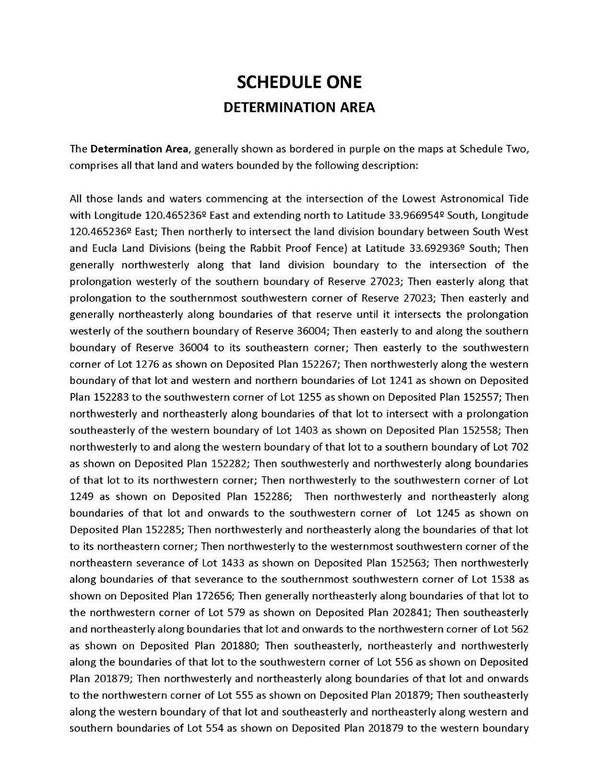
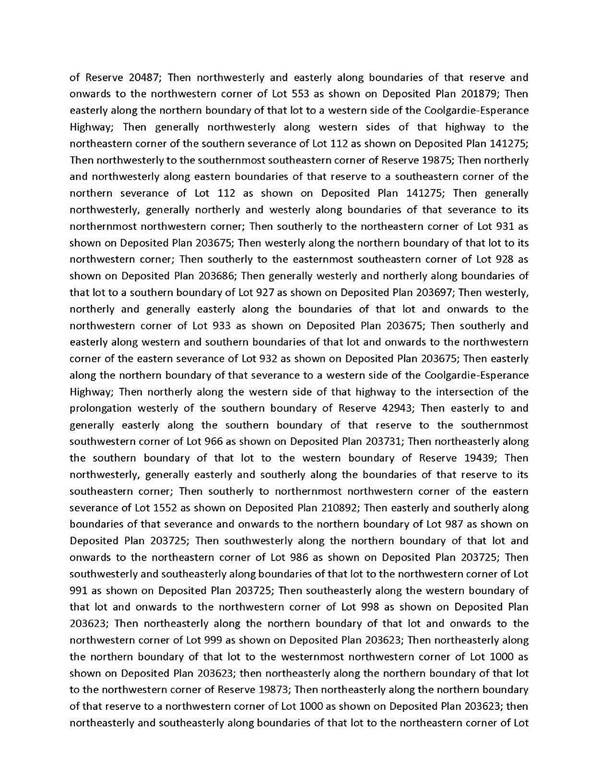
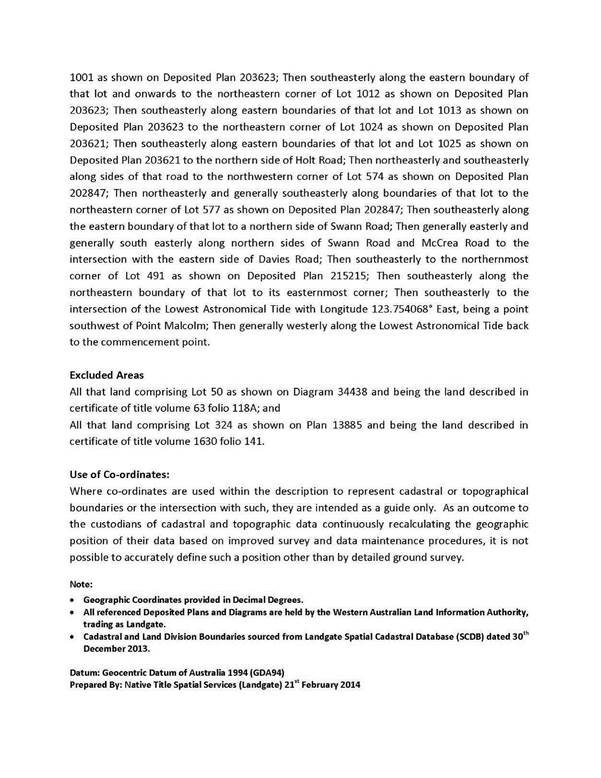
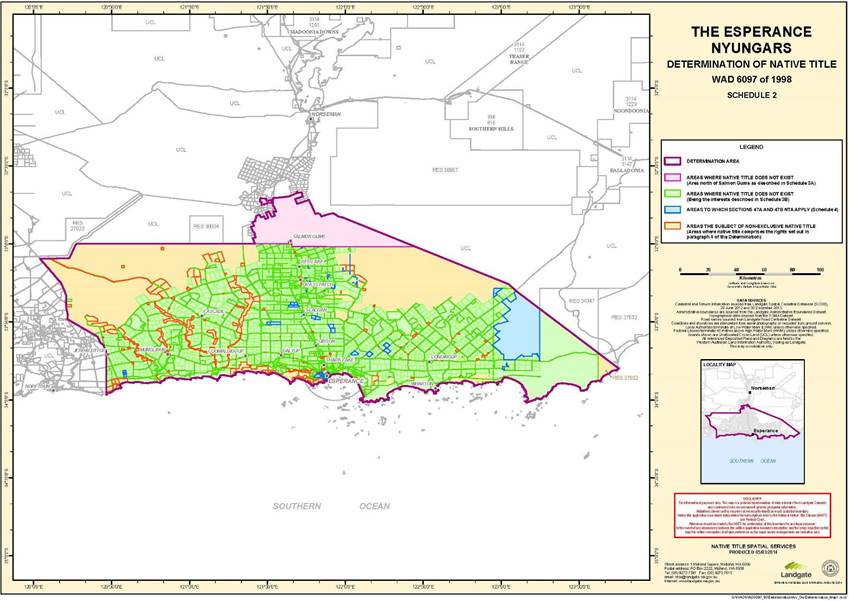
B. The Applicant in the Esperance Nyungar Application, the State of Western Australia and the other Respondents to the proceedings (the parties) have reached an agreement as to the terms of the determination which is to be made in relation to the land and waters covered by the Esperance Nyungar Application (the Determination Area). The external boundaries of the Determination Area are described in Schedule One to the determination.
C. Pursuant to s 87(1) of the Native Title Act 1993 (Cth), the parties have filed with this Court an agreement in writing setting out the terms of the agreement reached by the parties in relation to the Esperance Nyungar Application.
D. The terms of the agreement involve the making of consent orders for a determination pursuant to s 87 and s 94A of the Native Title Act 1993 (Cth) that native title exists in relation to the land and waters of the Determination Area.
E. The Applicant in the Esperance Nyungar Application has also negotiated Indigenous Land Use Agreements with both the State of Western Australia (First Respondent) and FQM Australia Nickel Pty Ltd (Ravensthorpe Nickel Operations Pty Ltd, the Fourth Respondent, is wholly owned by FQM Australia Nickel Pty Ltd), which were necessary conditions to obtaining the consent of those parties to the s 87 agreement.
F. The parties acknowledge that the effect of the making of the determination is that the members of the native title claim group, in accordance with the traditional laws acknowledged and the traditional customs observed by them, should be recognised as the native title holders for the Determination Area as set out in the determination.
G. Pursuant to s 87(2) of the Native Title Act 1993 (Cth), the parties have requested that the Court determine the proceedings that relate to the Determination Area without holding a hearing.
BEING SATISFIED that a determination of native title in the terms set out in Attachment A would be within the power of the Court and, it appearing to the Court appropriate to do so, pursuant to s 87 and s 94A of the Native Title Act 1993 (Cth):
BY CONSENT OF THE PARTIES THE COURT ORDERS THAT:
1. In relation to the Determination Area, there be a determination of native title in WAD 6097 of 1998 in terms of the determination as provided for in Attachment A.
2. The determination is to take effect immediately upon the making of a determination under s 56(1) or s 57(2) of the Native Title Act 1993 (Cth) as the case may be.
3. Notwithstanding order 2, the determination will only take effect in relation to those parts of the Determination Area which are the subject of mining leases M74/169 and M74/172 upon registration of the Esperance Nyungar People Mining Validation Indigenous Land Use Agreement (Area Agreement) as an Indigenous Land Use Agreement on the Register of Indigenous Land Use Agreements under the Native Title Act 1993 (Cth).
3A. In the event that all of the agreement referred to in order 3 is not registered on the Register of Indigenous Land Use Agreements within nine (9) months of the date of this order or such later time as this Court may order, the matter is to be listed for further directions.
4. Within 12 months of the date upon which these orders are made, a representative of the common law holders of the native title rights and interests shall indicate whether they intend to have the native title rights and interests held in trust or by agent. They are invited to do so by:
(a) nominating in writing to the Federal Court a prescribed body corporate to be trustee or agent of the native title rights and interest; and
(b) including within the nomination the written consent of the body corporate.
5. If a prescribed body corporate is nominated in accordance with order 4, it will hold the native title rights and interests described in order 1 in trust or as agent (as the case may be), for the common law holders of the native title rights and interests.In the event that there is no nomination within the time specified in order 4, or such later time as the Court may order, the matter is to be listed for further directions.
6. There be no order as to costs.
Dated: 14 March 2014
_____________________________
The Honourable Justice McKerracher

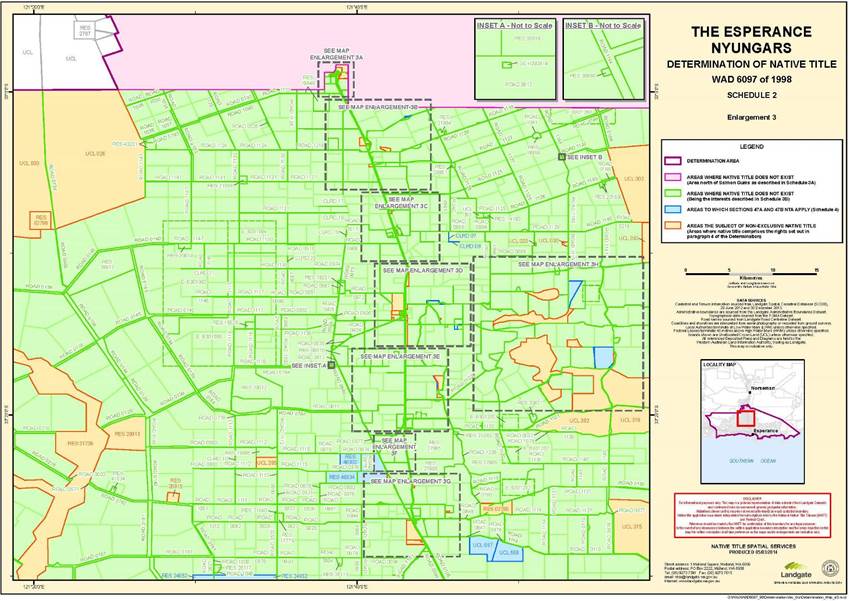
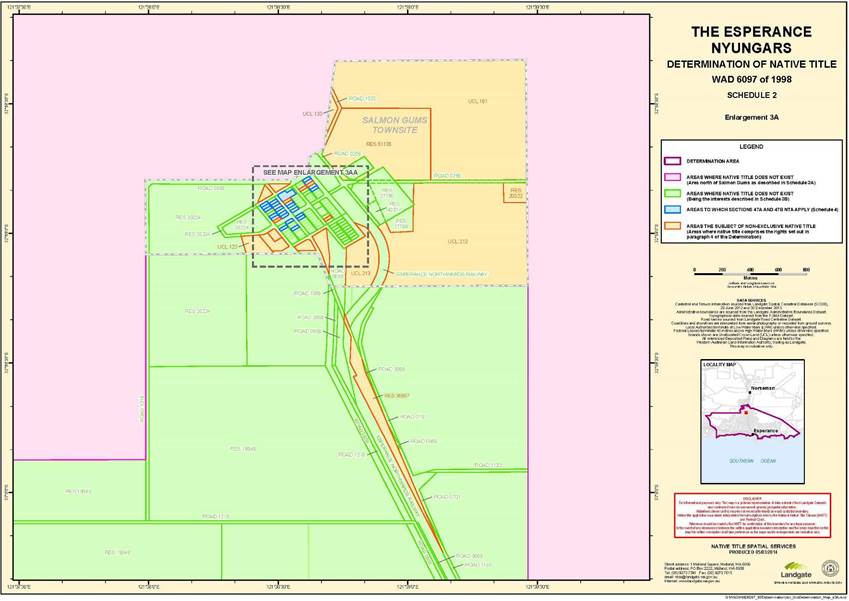
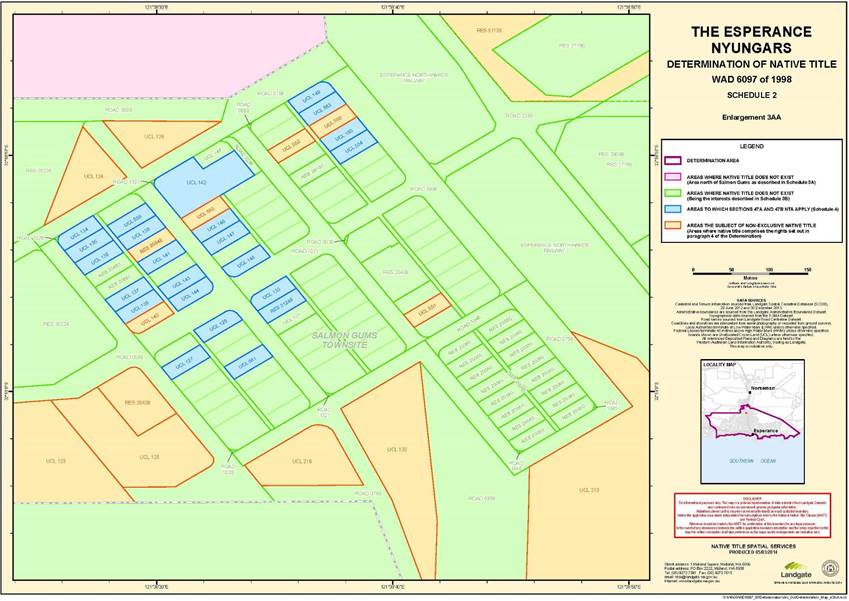
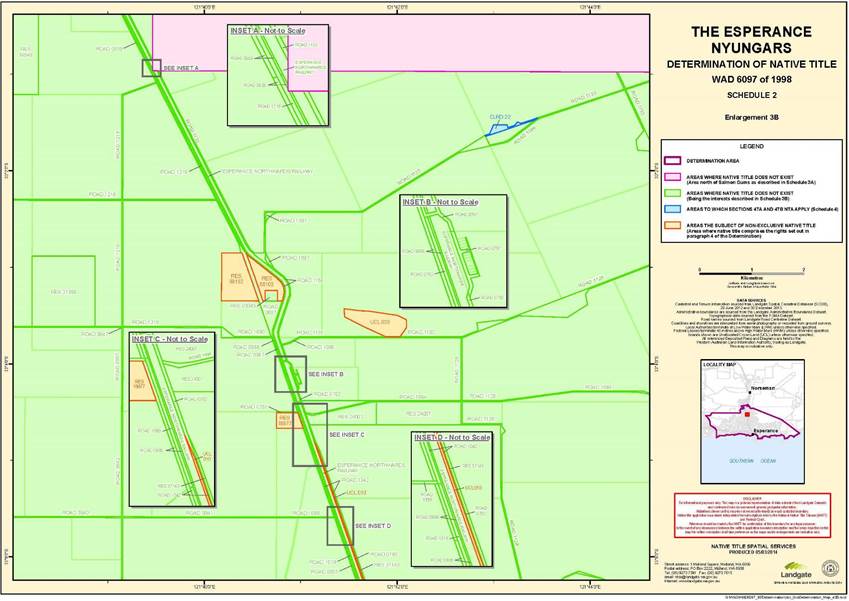
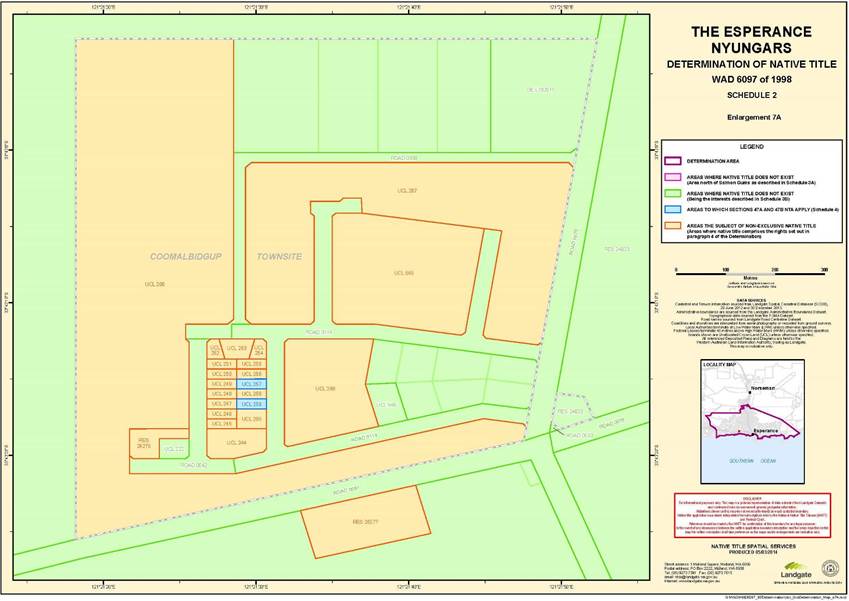
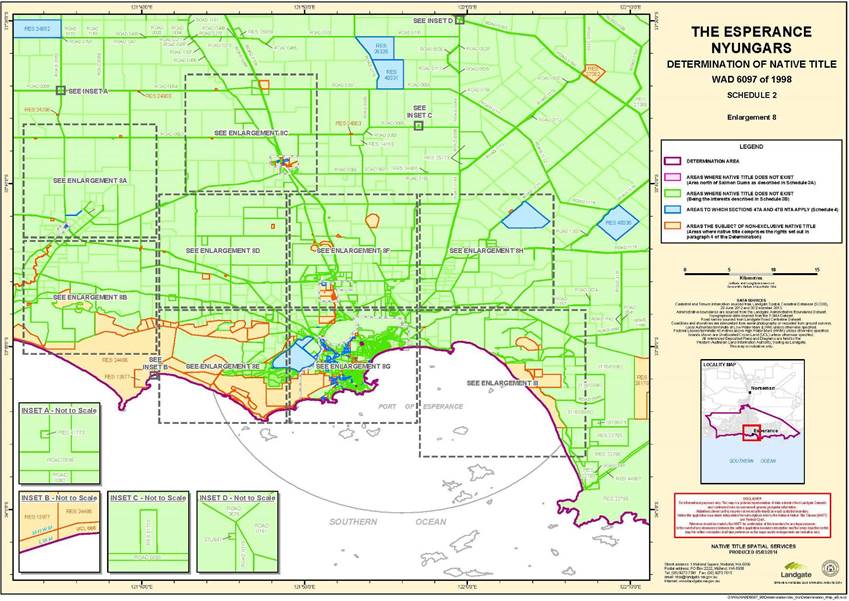
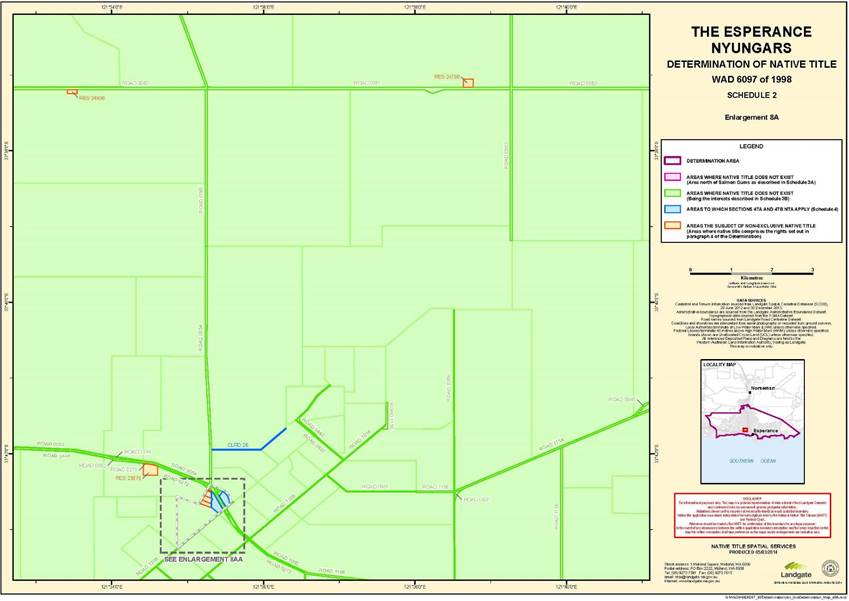
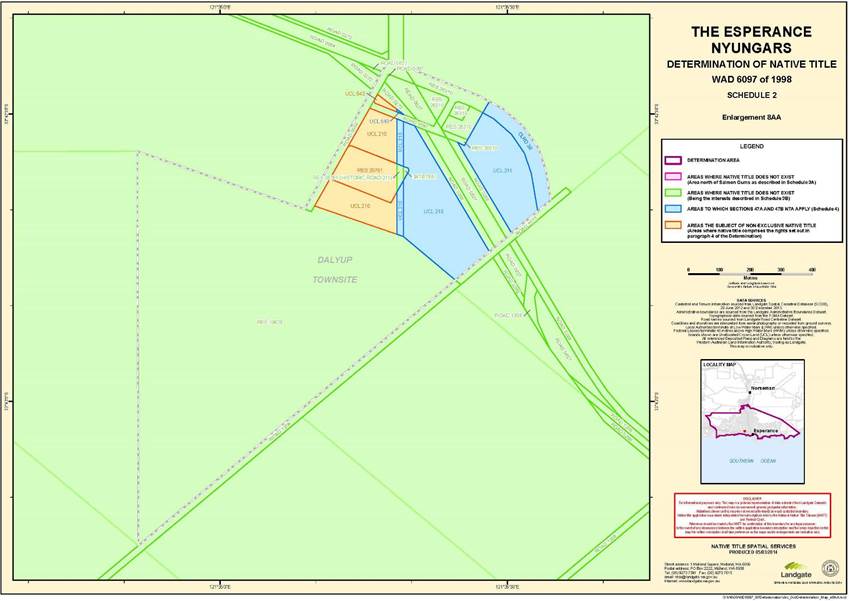
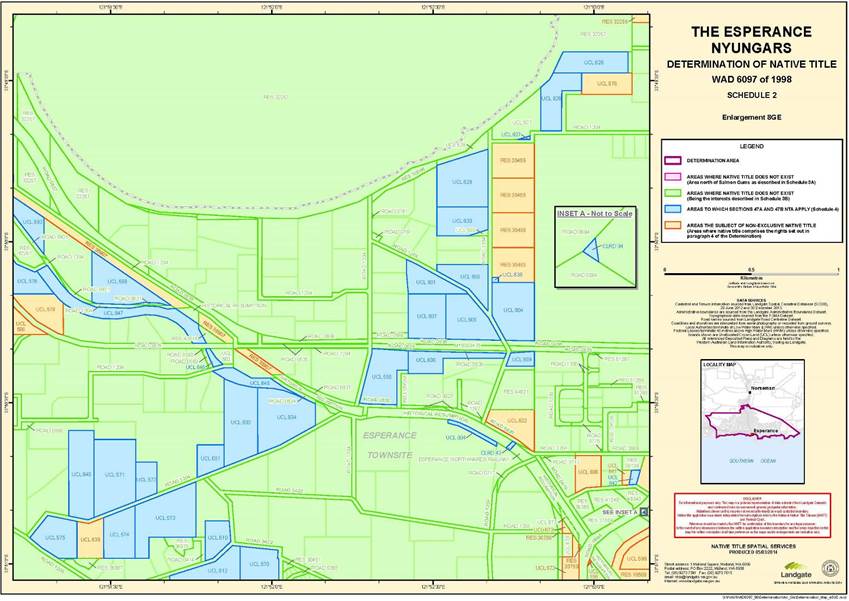
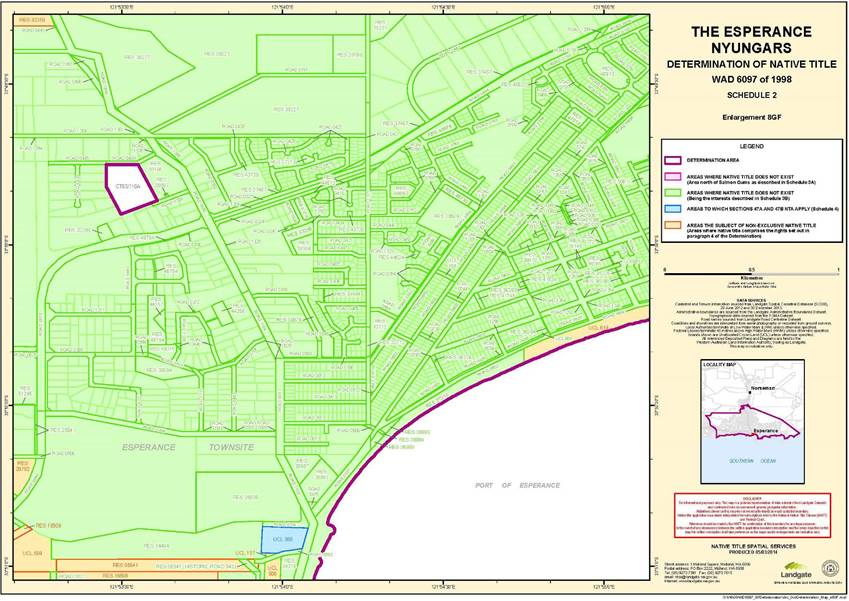
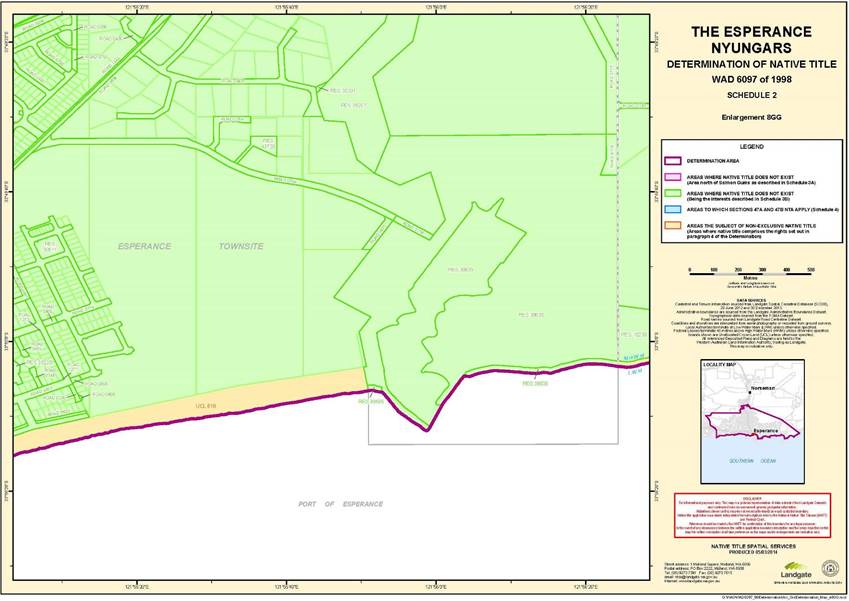
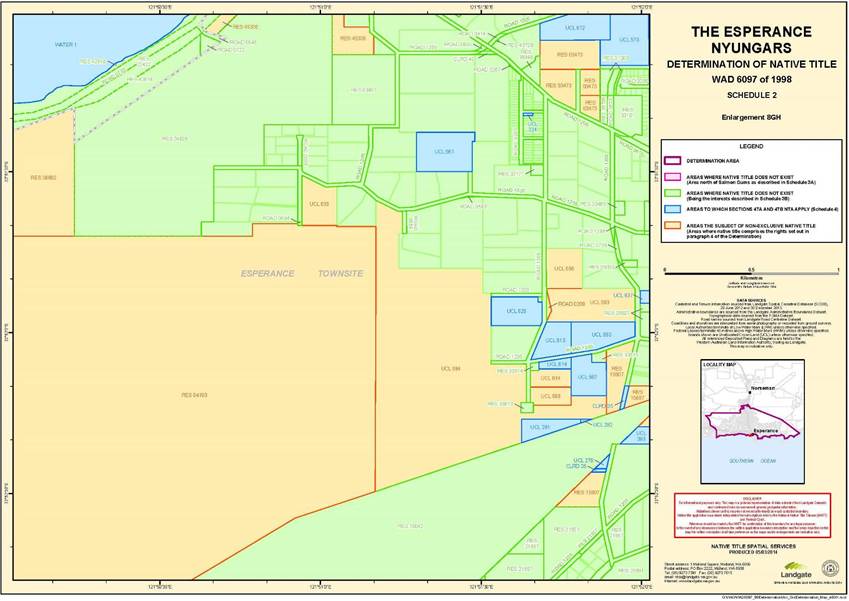
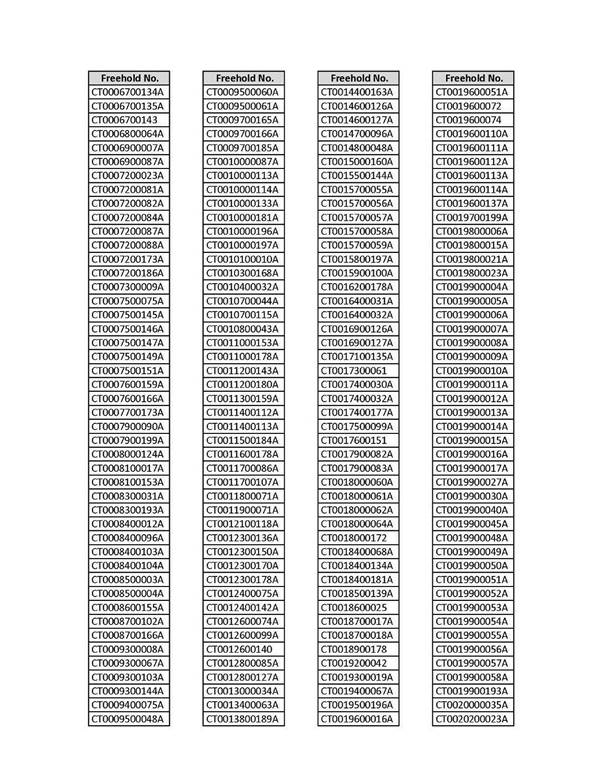
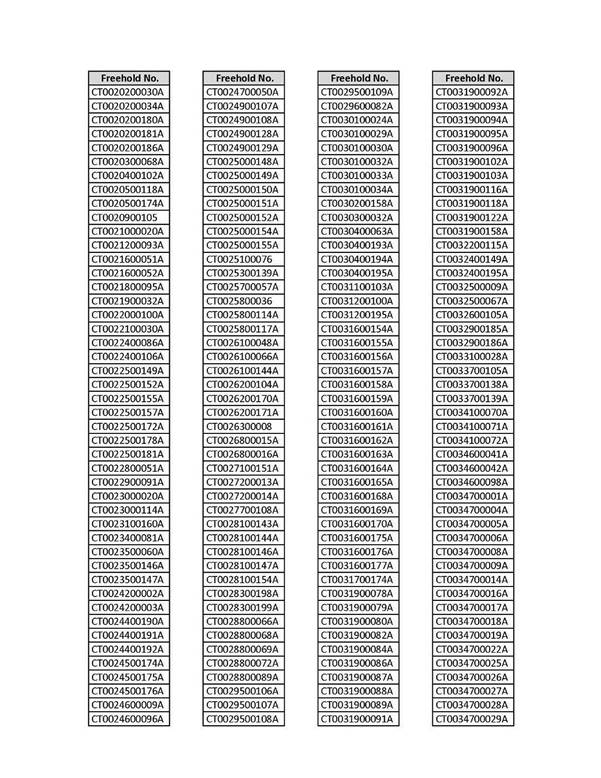
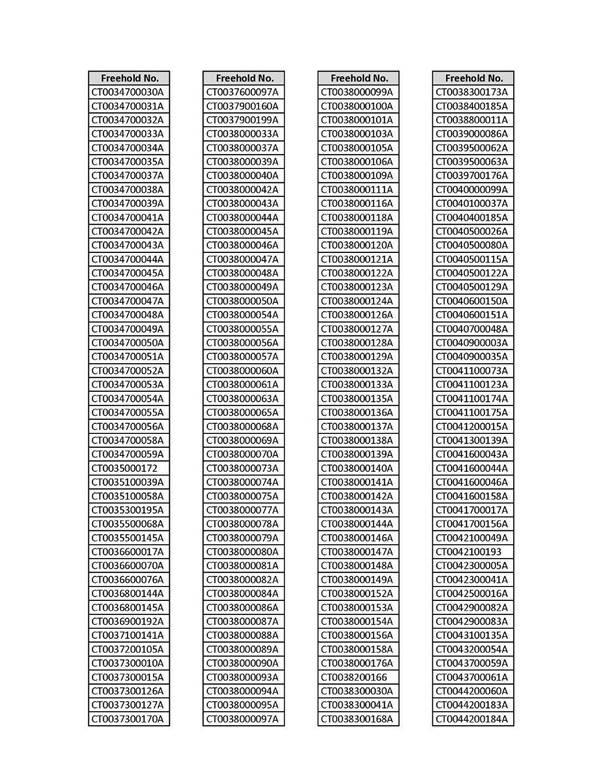
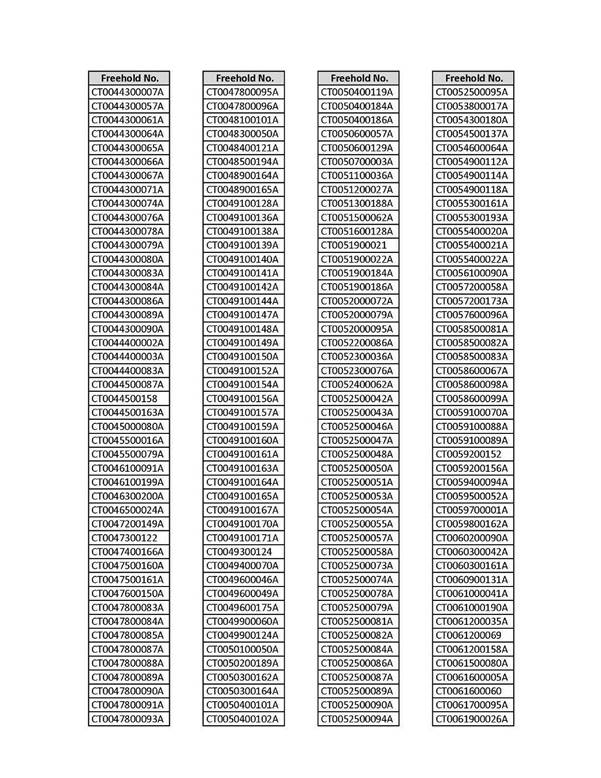







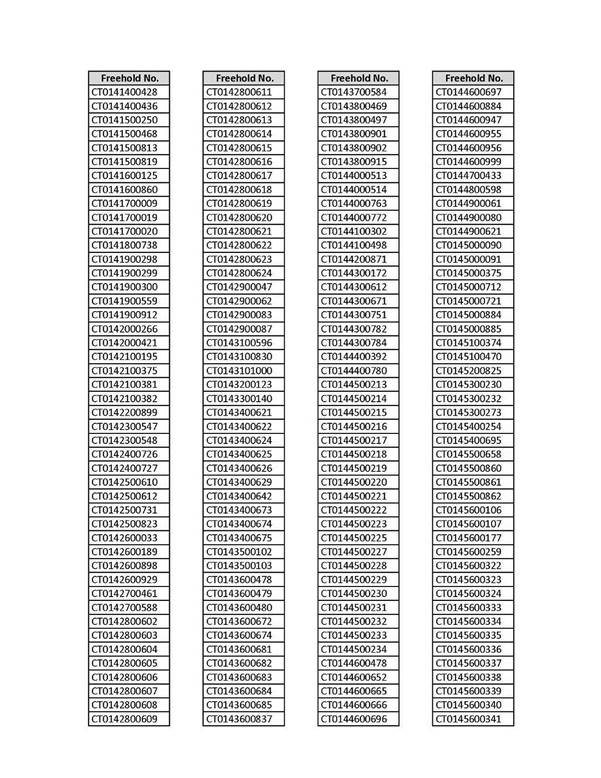






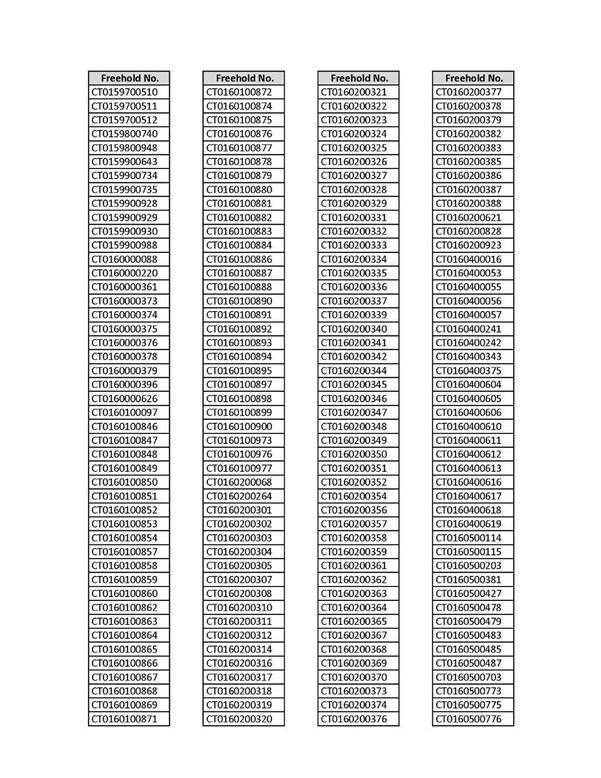
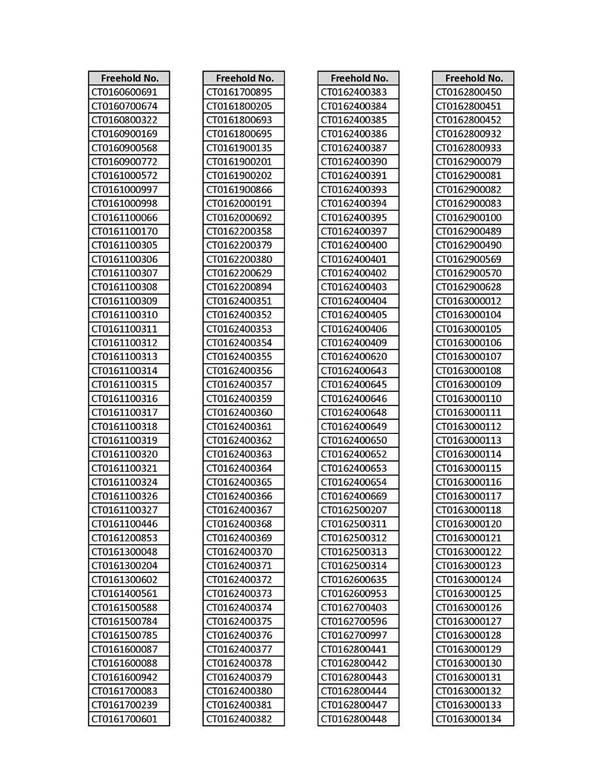
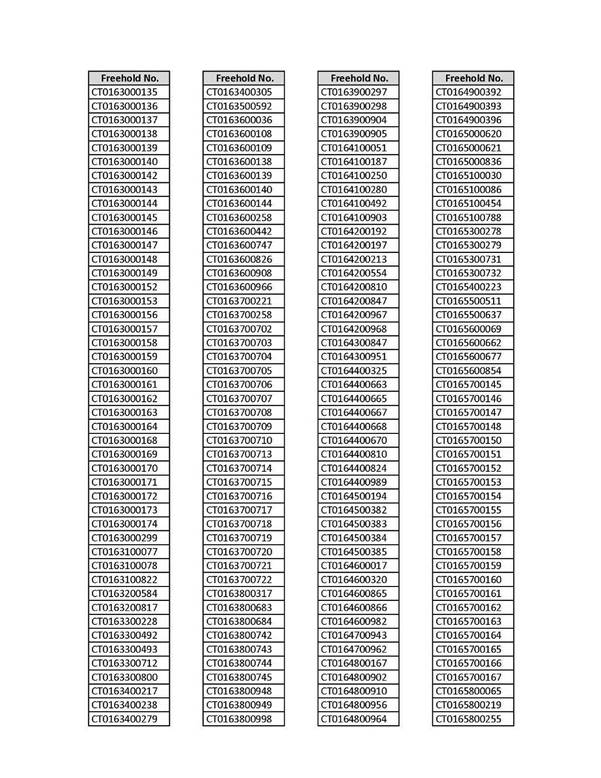
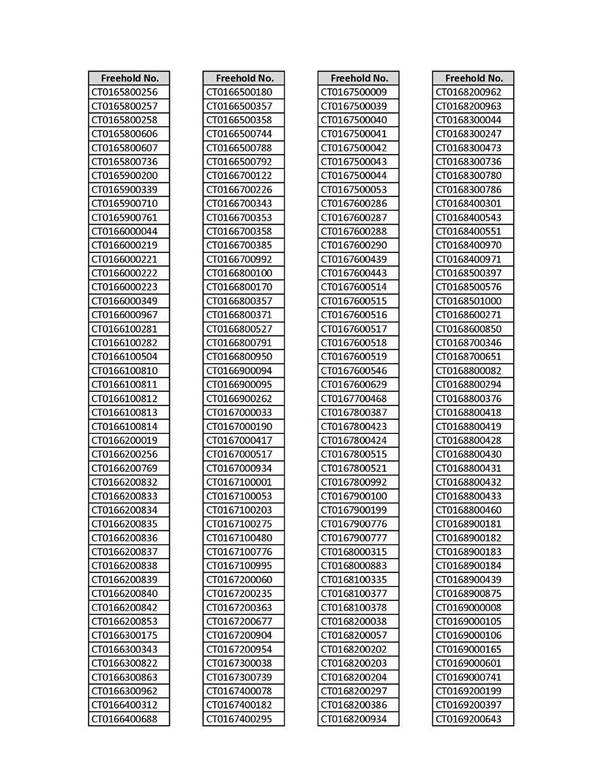



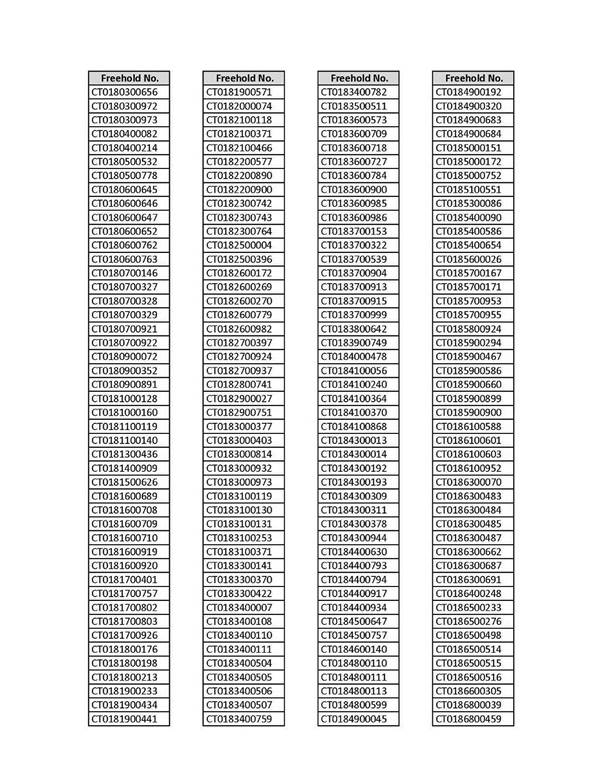


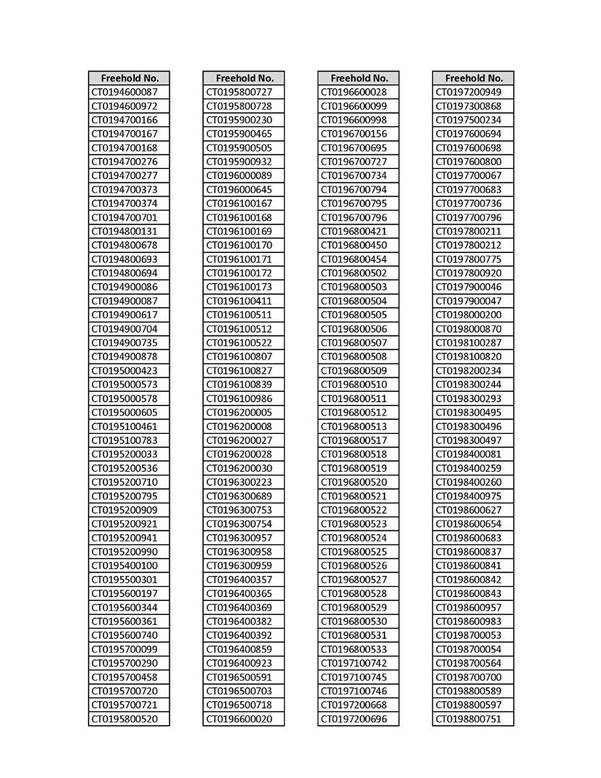
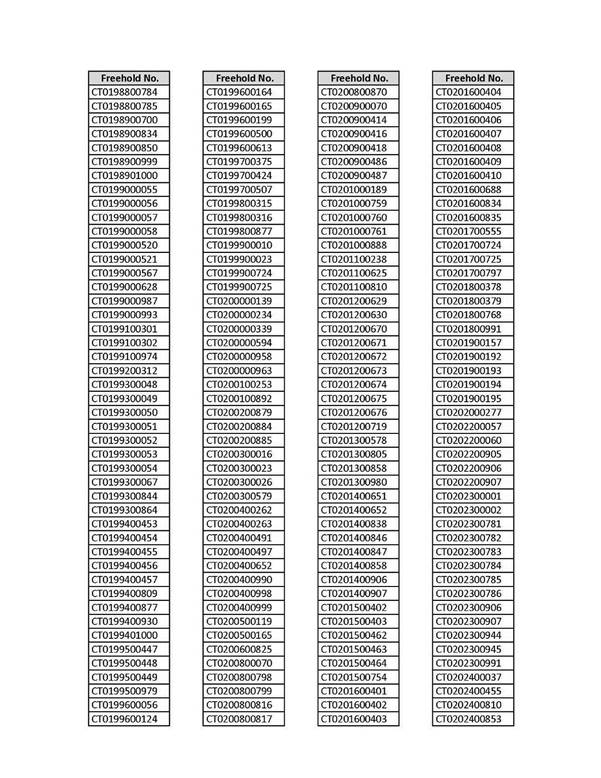
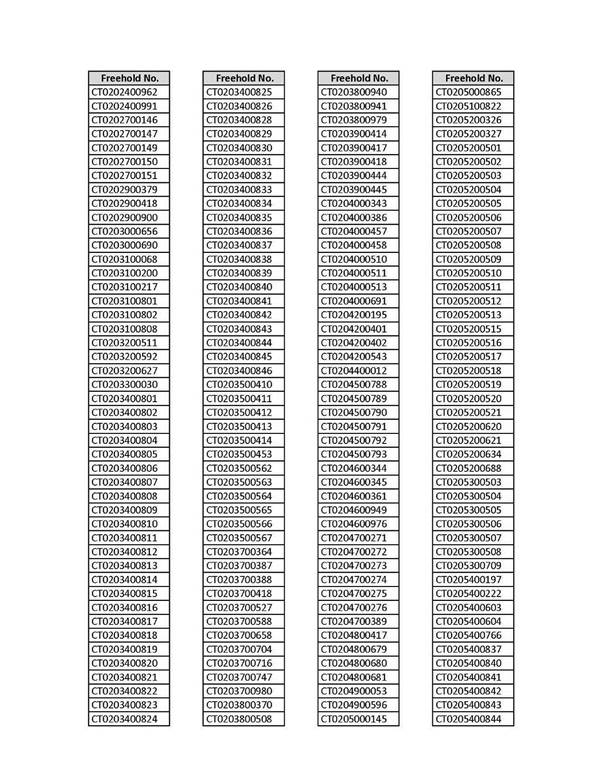

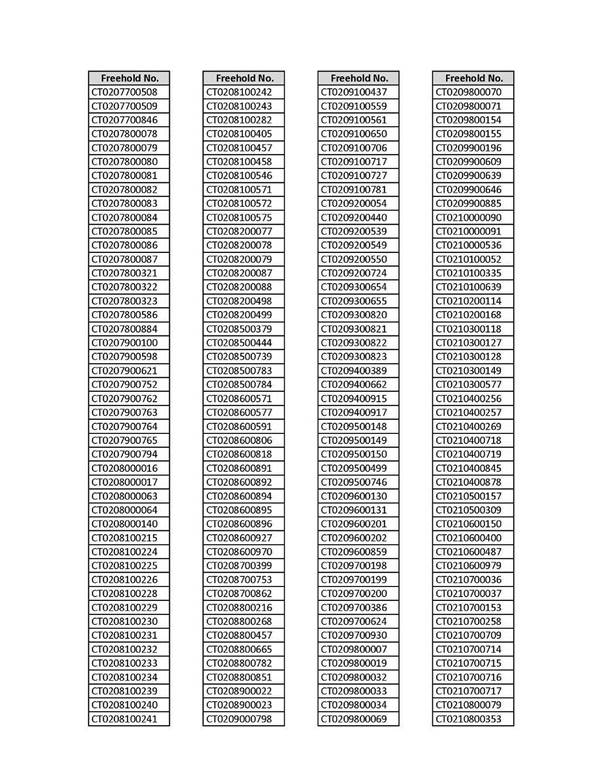





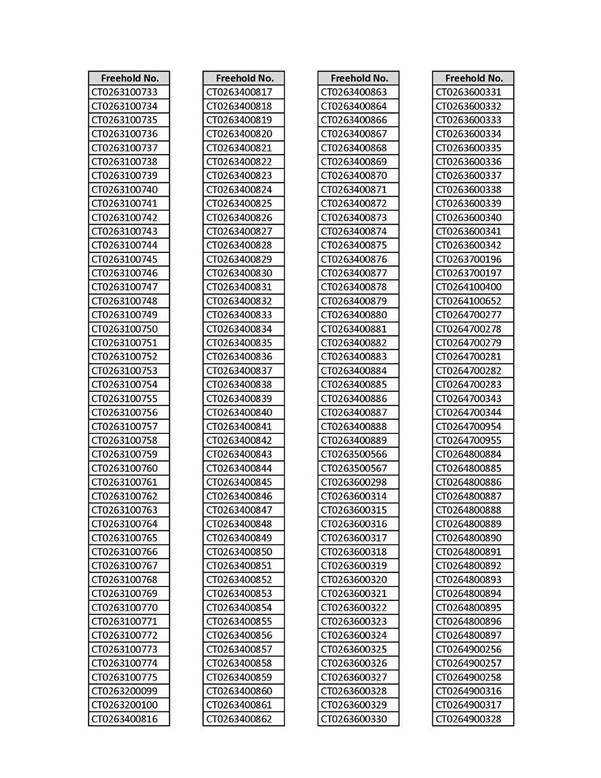




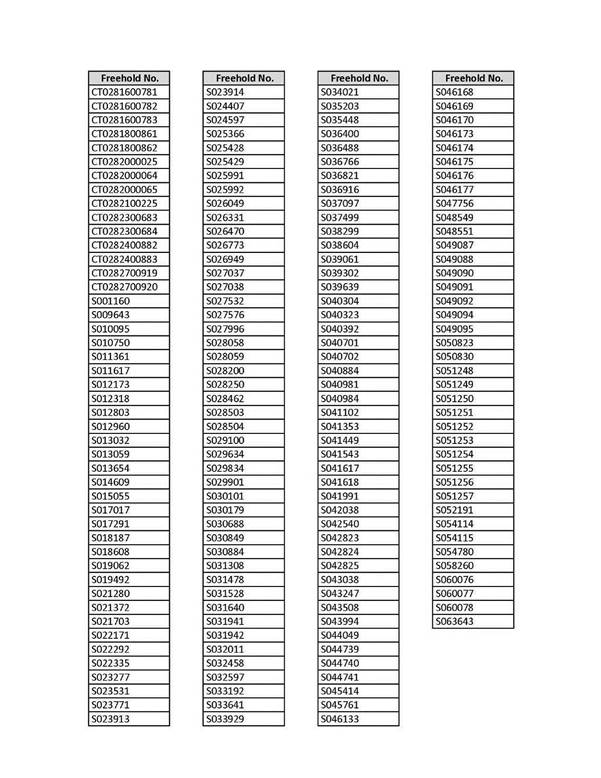
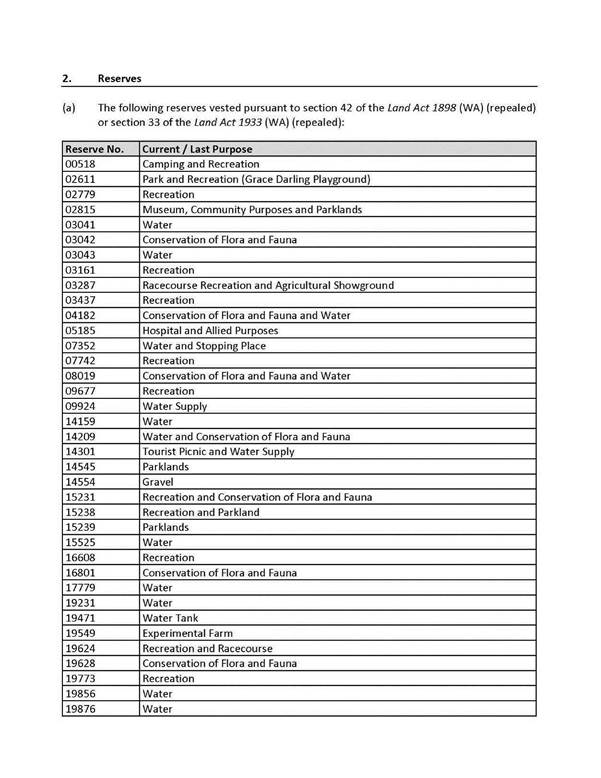
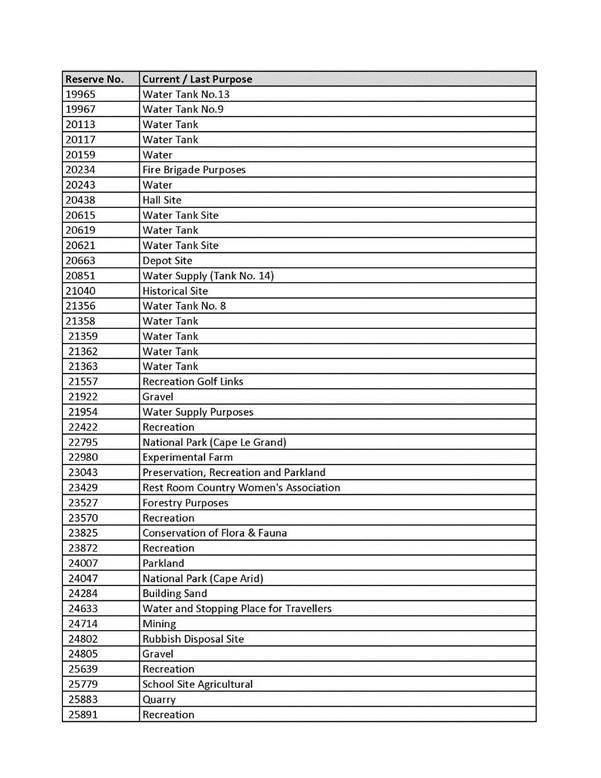
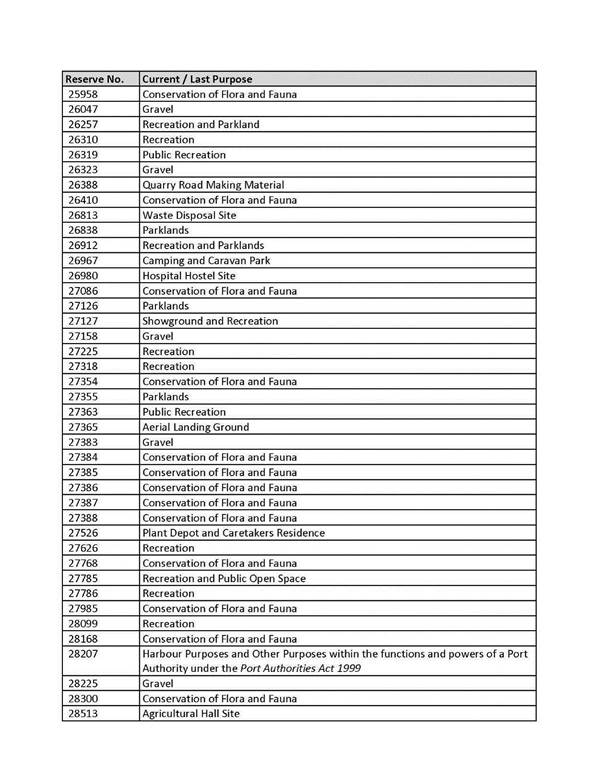
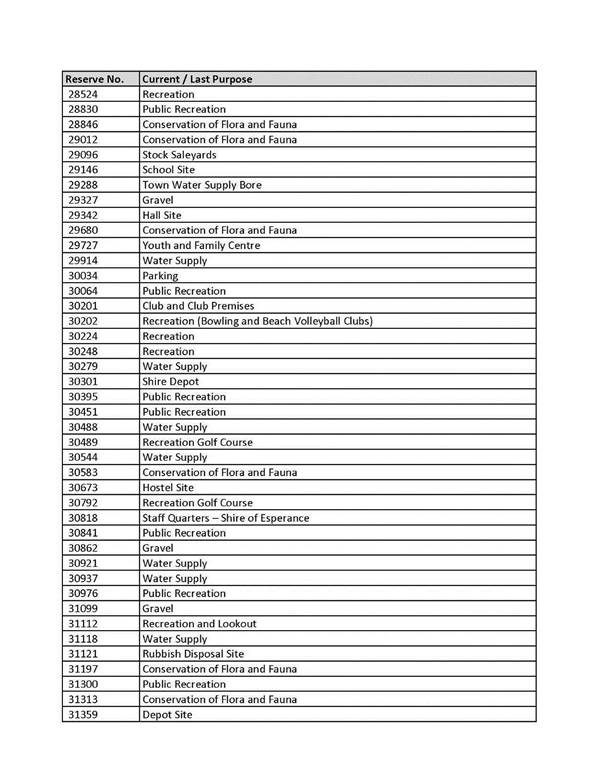
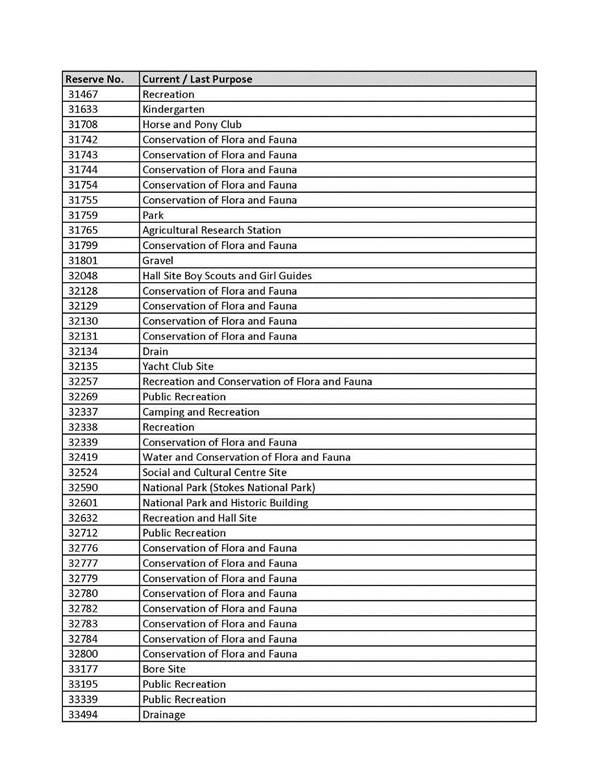
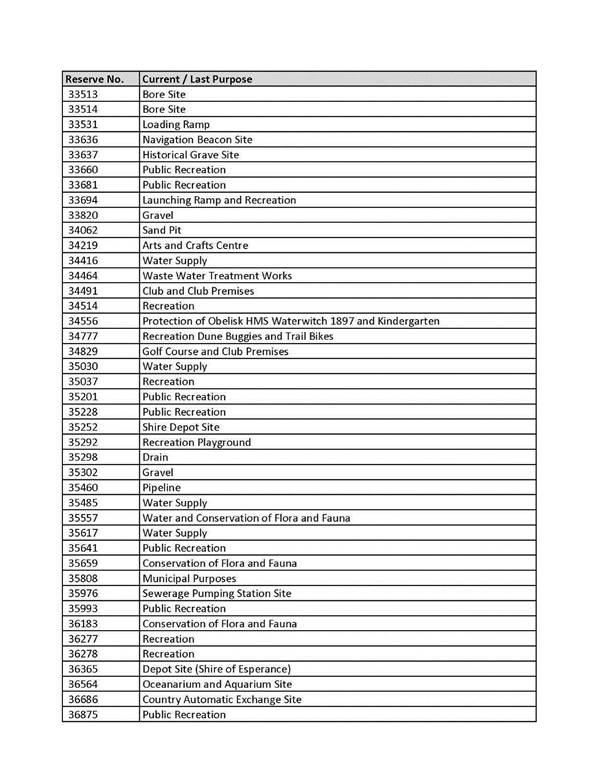
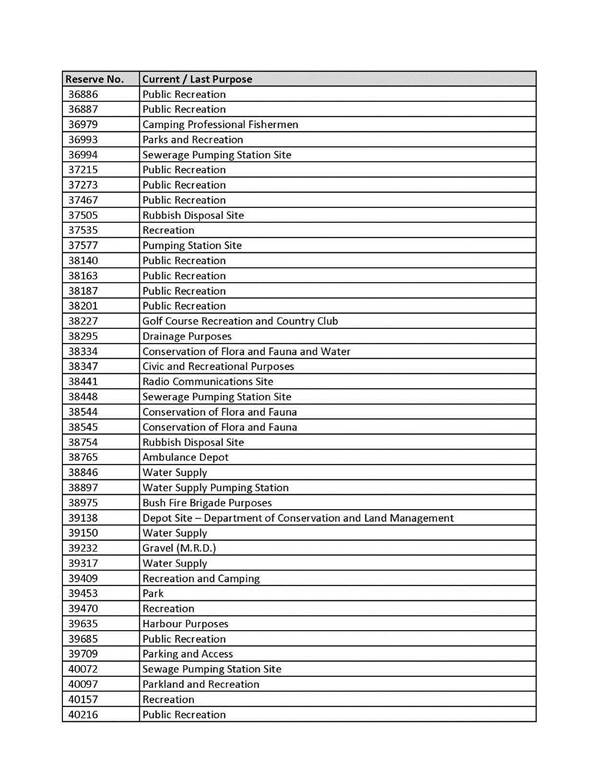
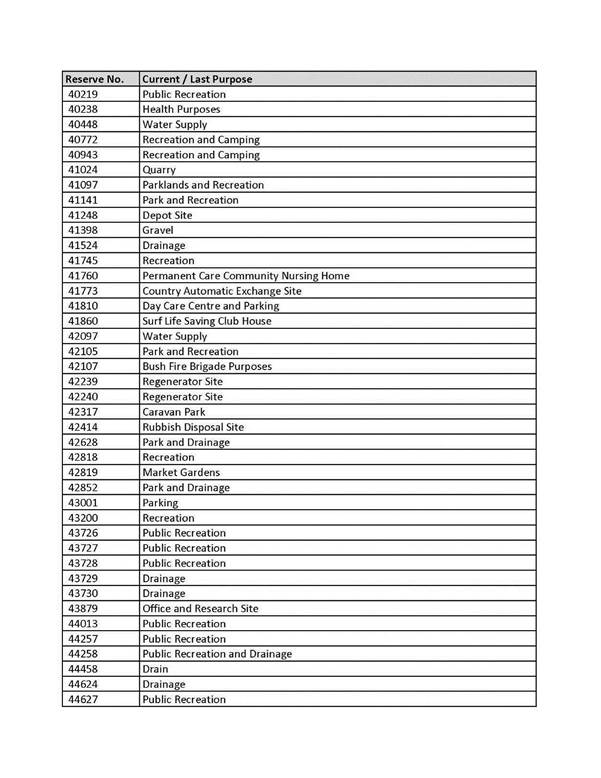
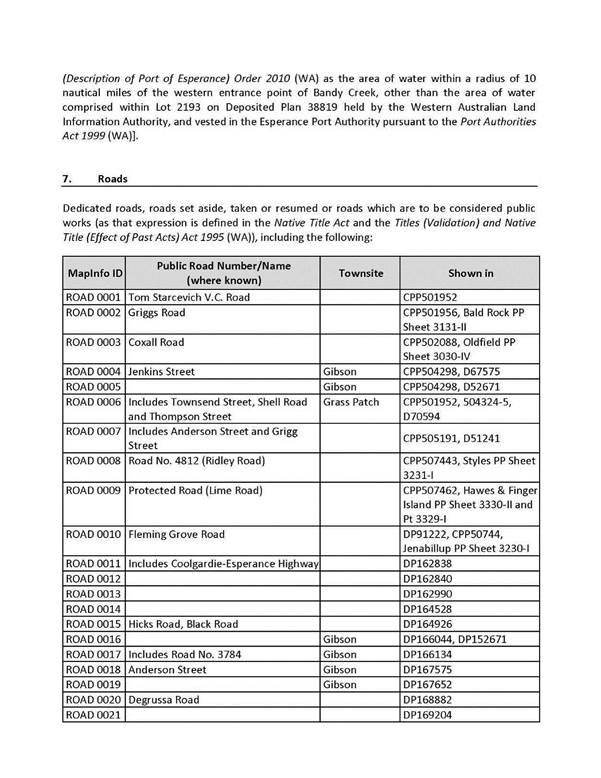
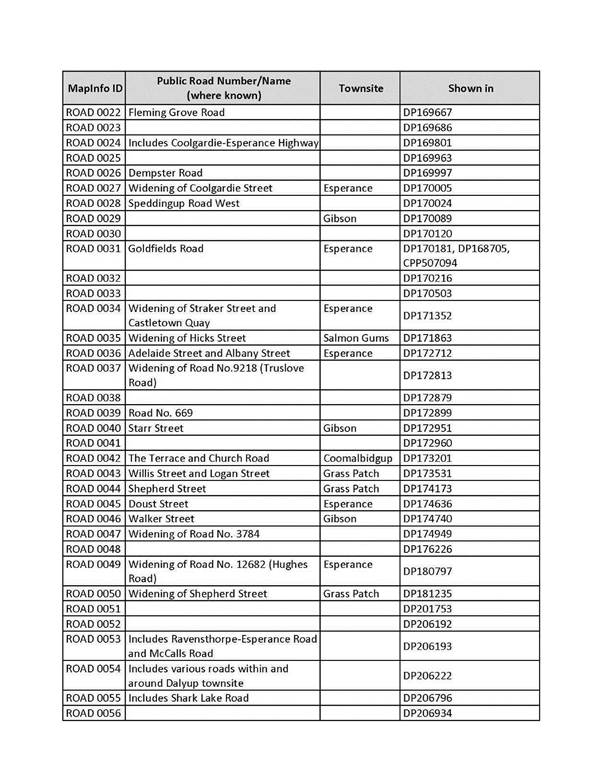
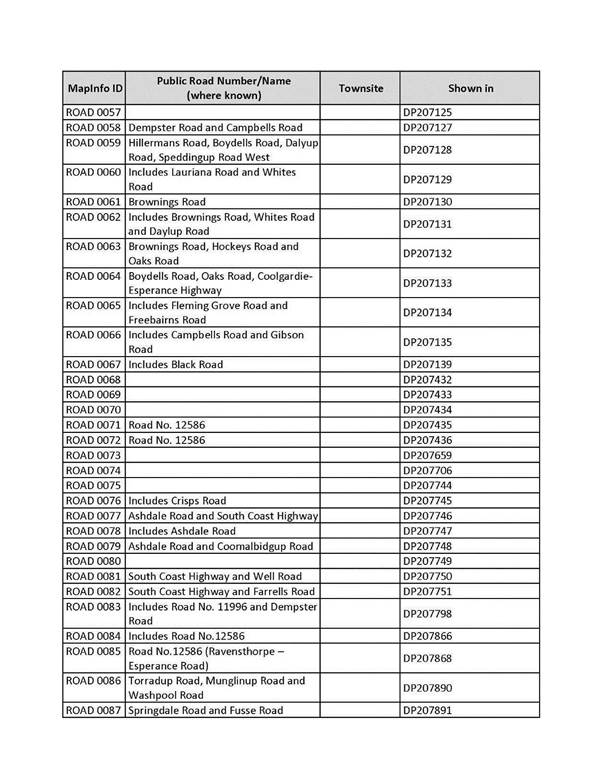
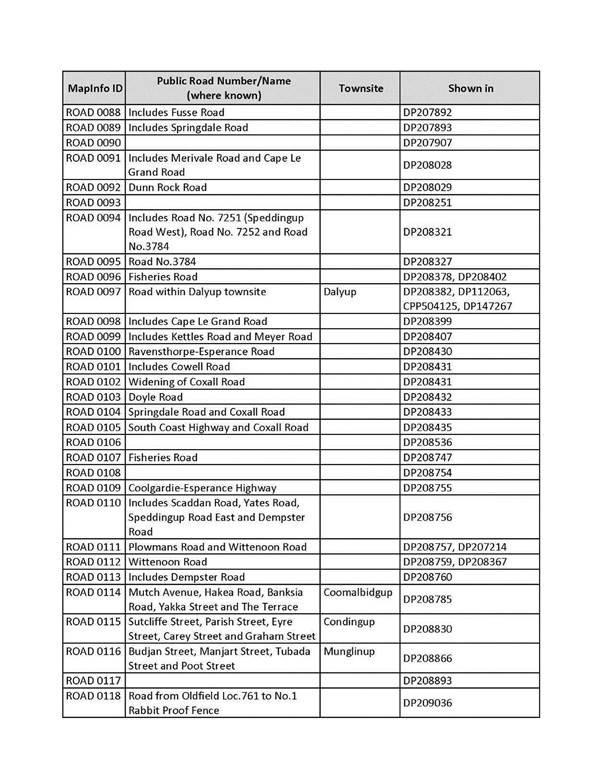
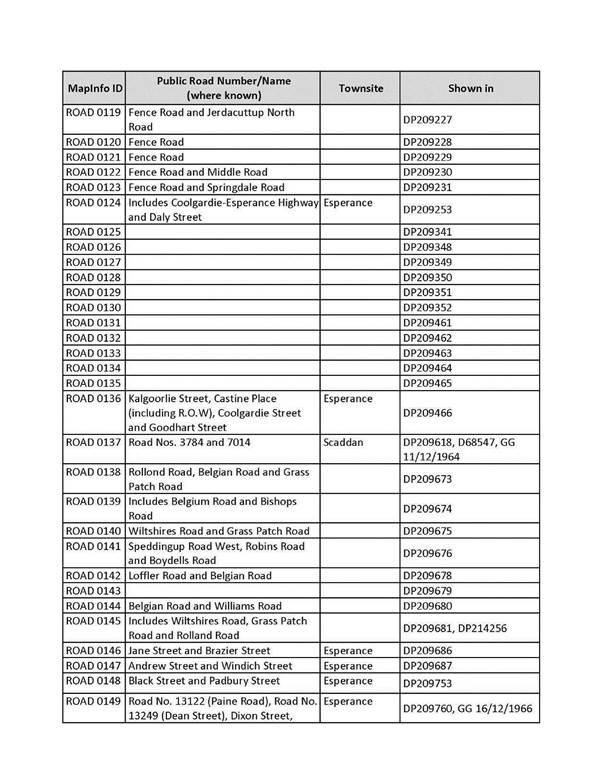
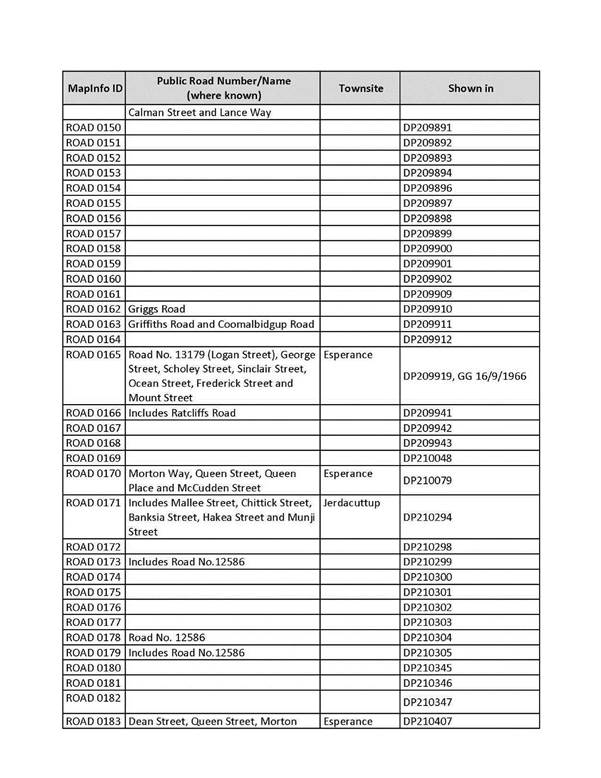
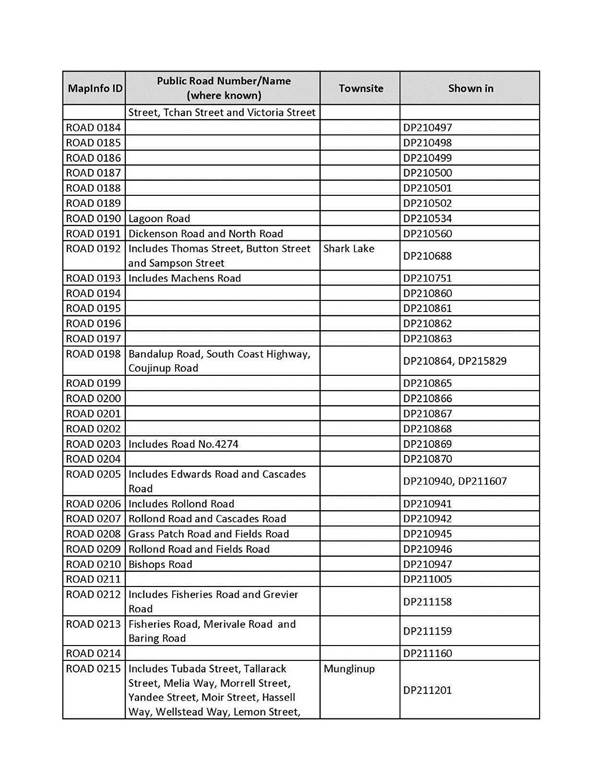
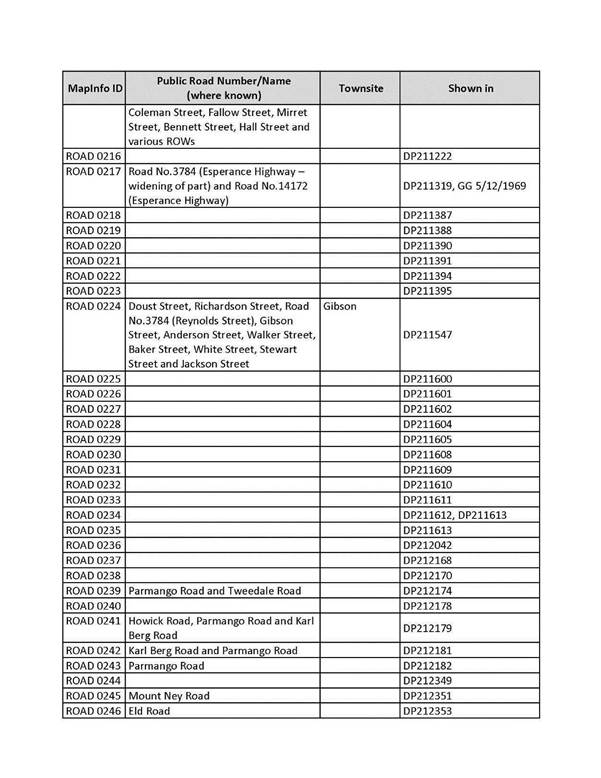
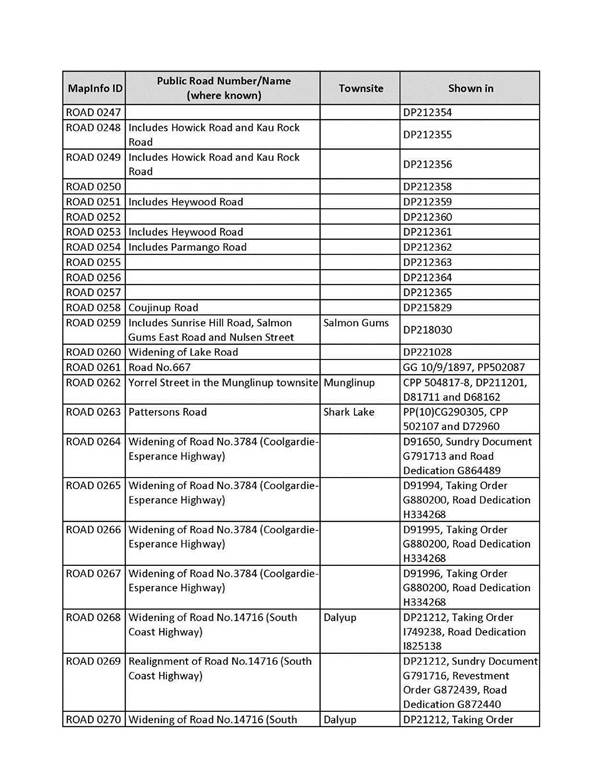
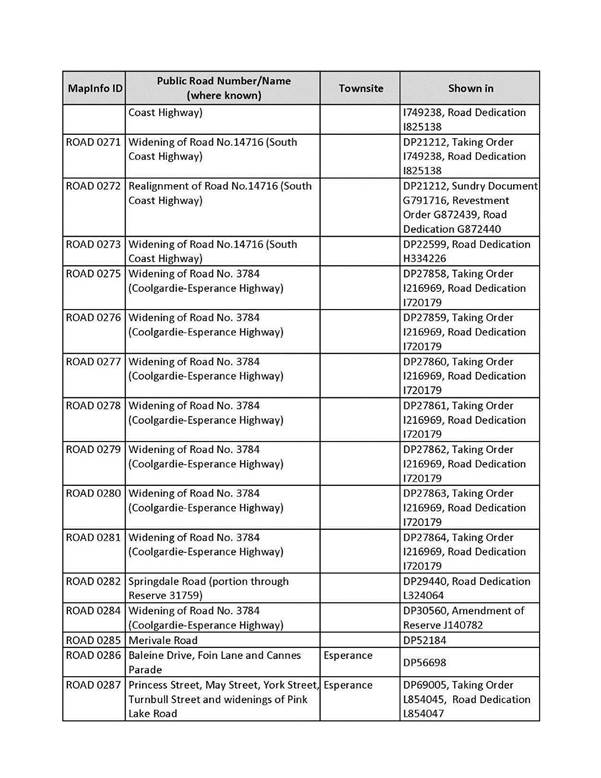
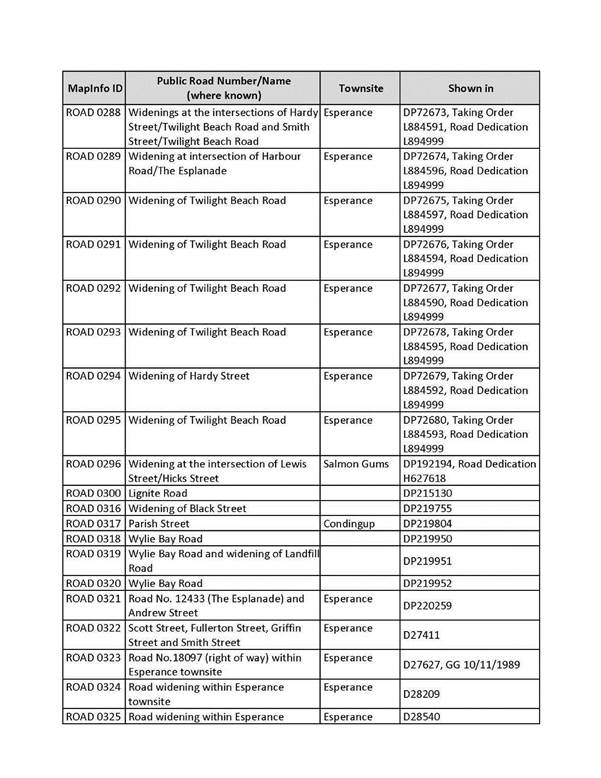
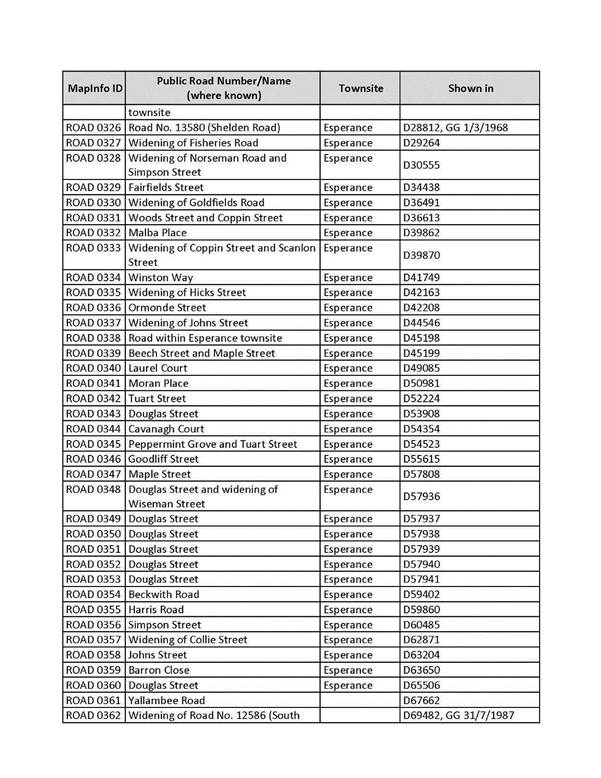
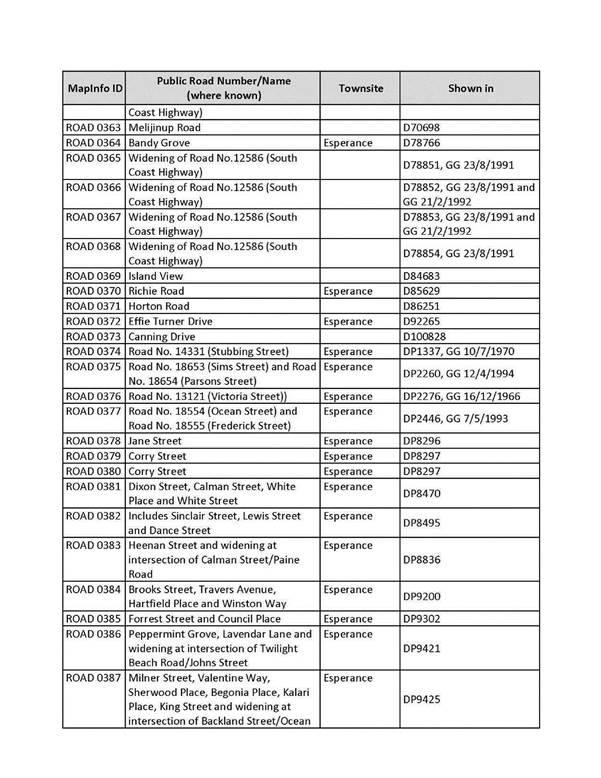
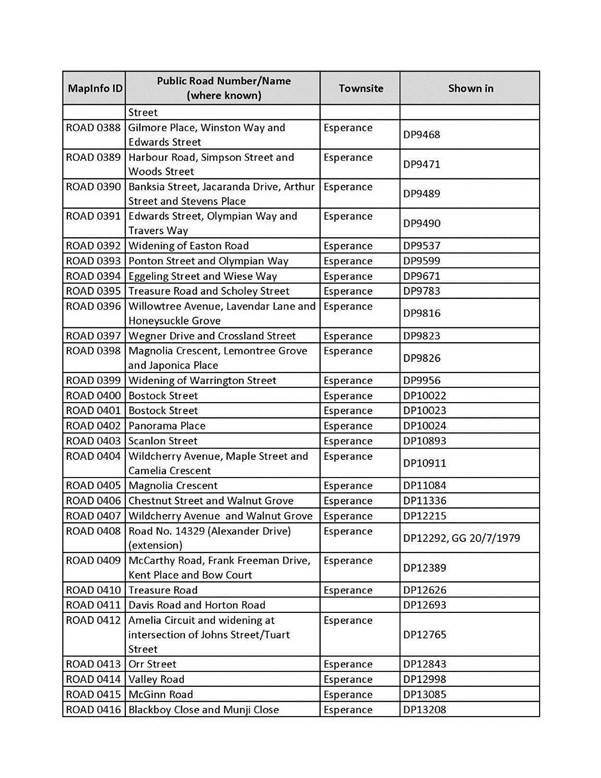
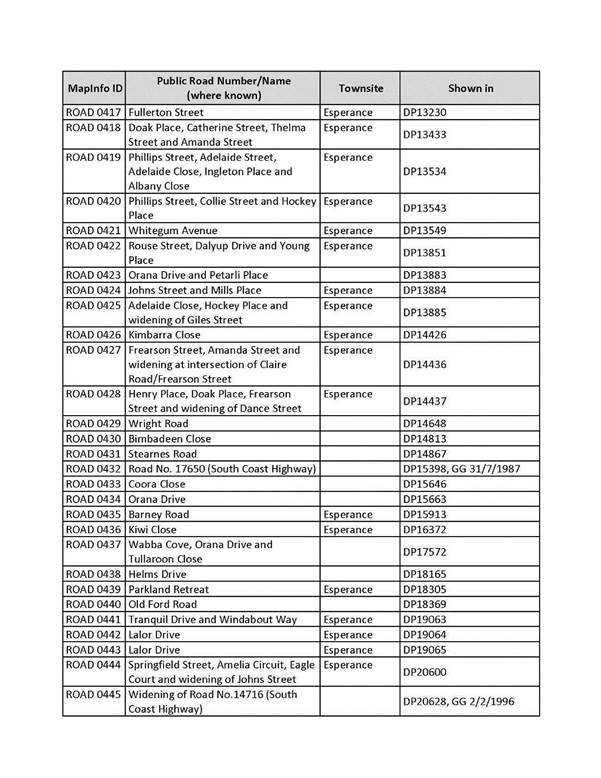
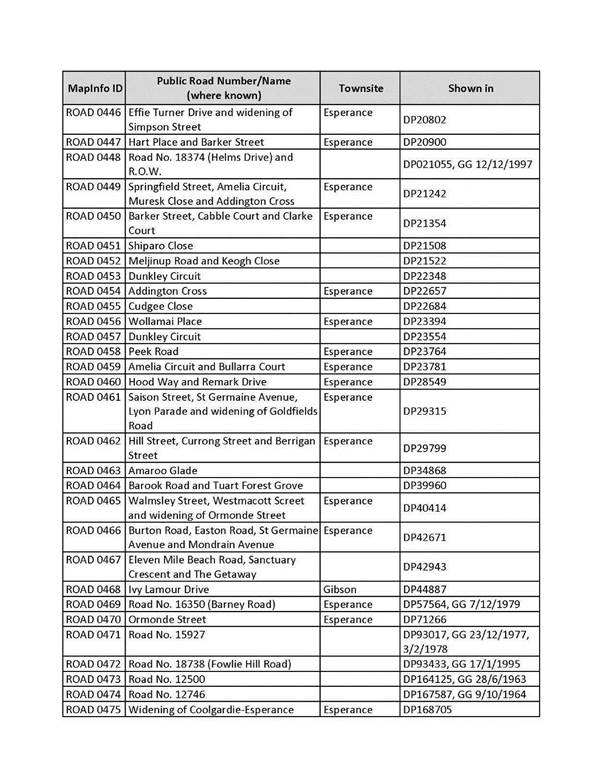
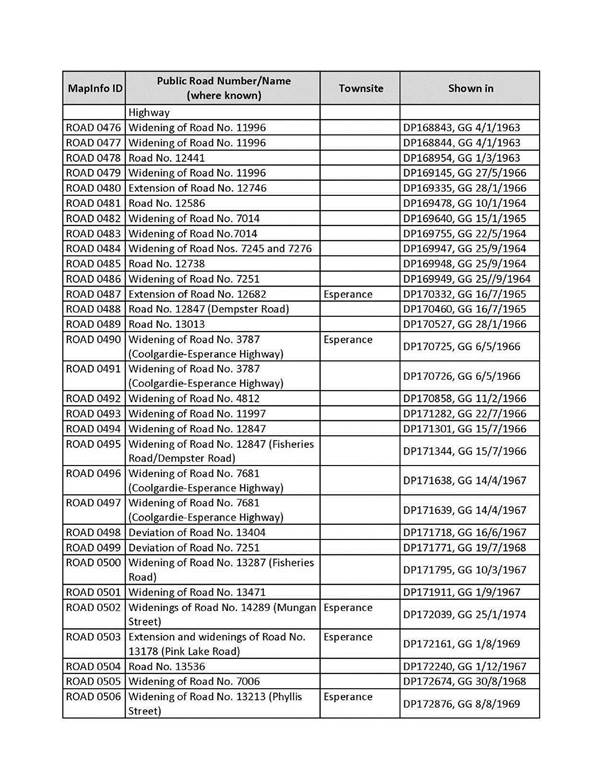
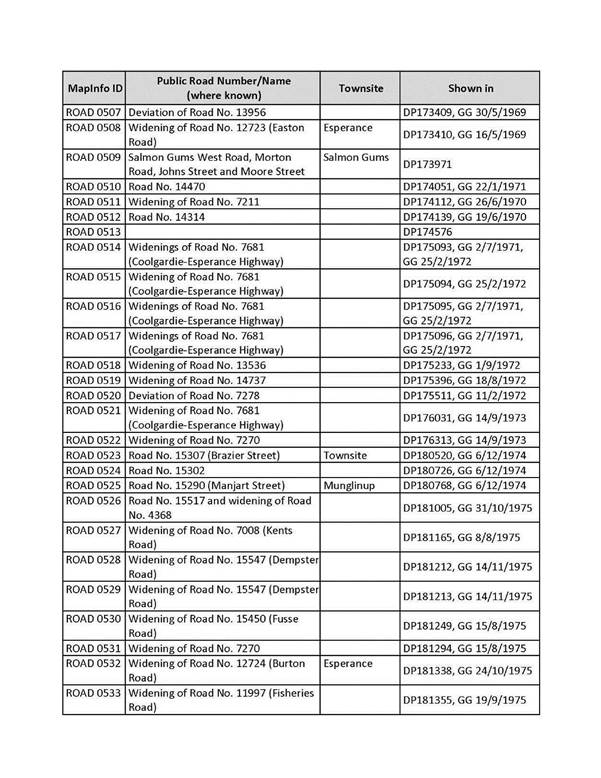
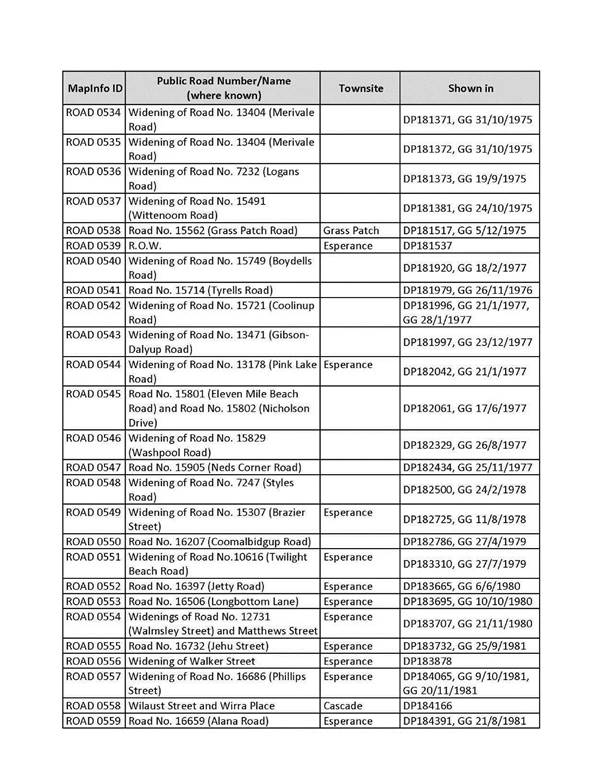
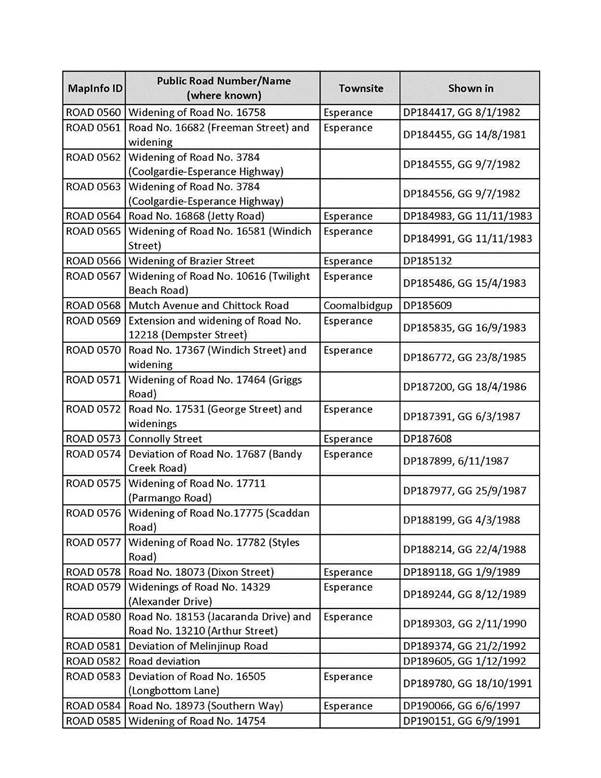
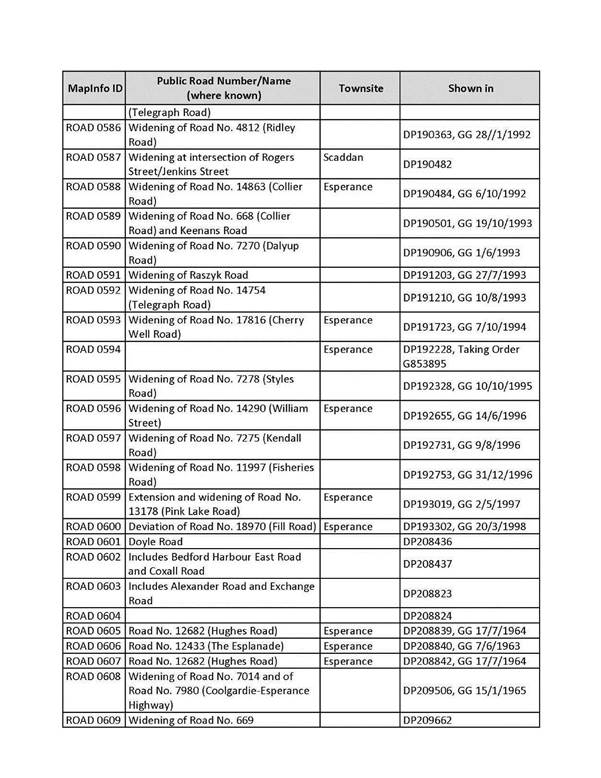
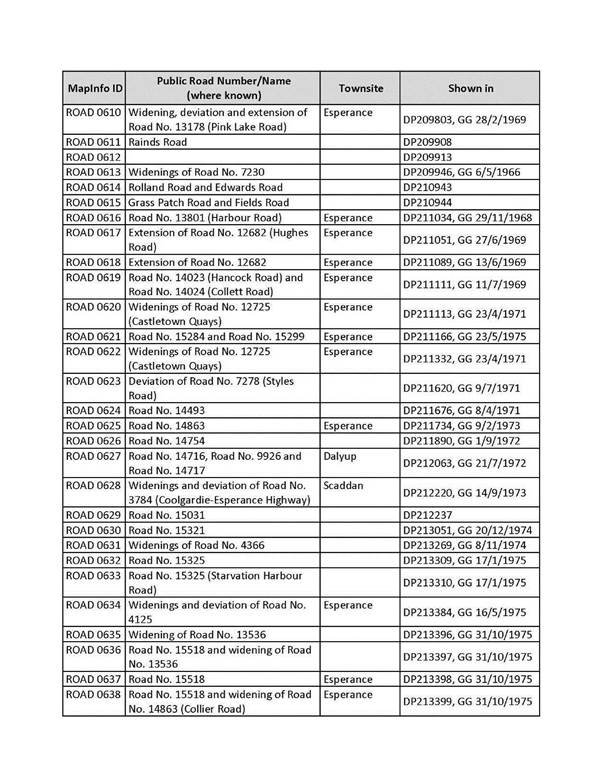
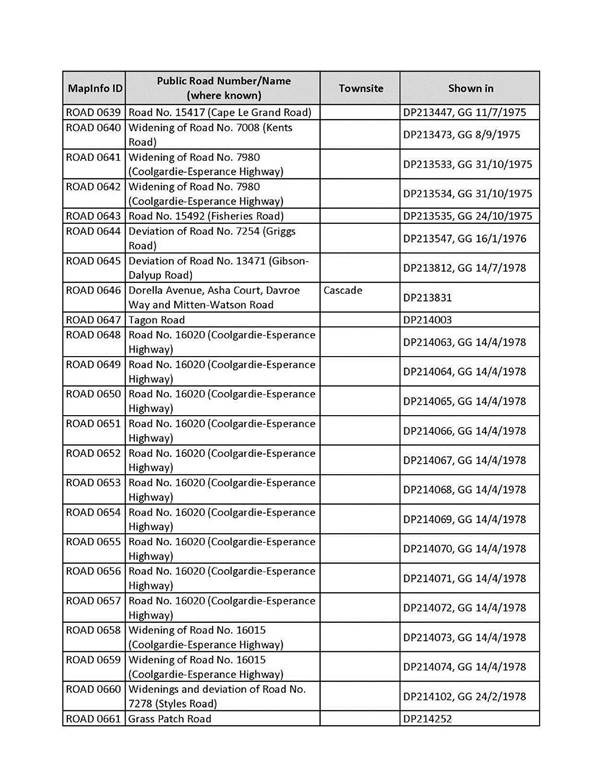
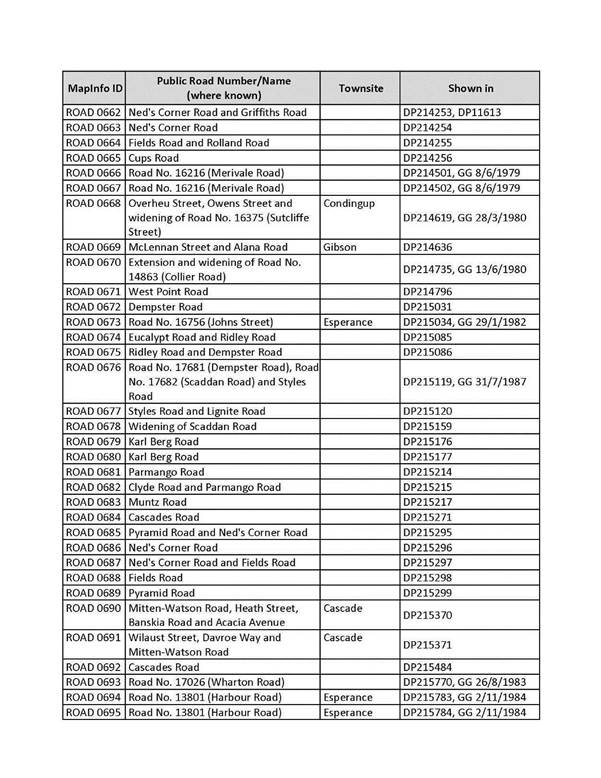
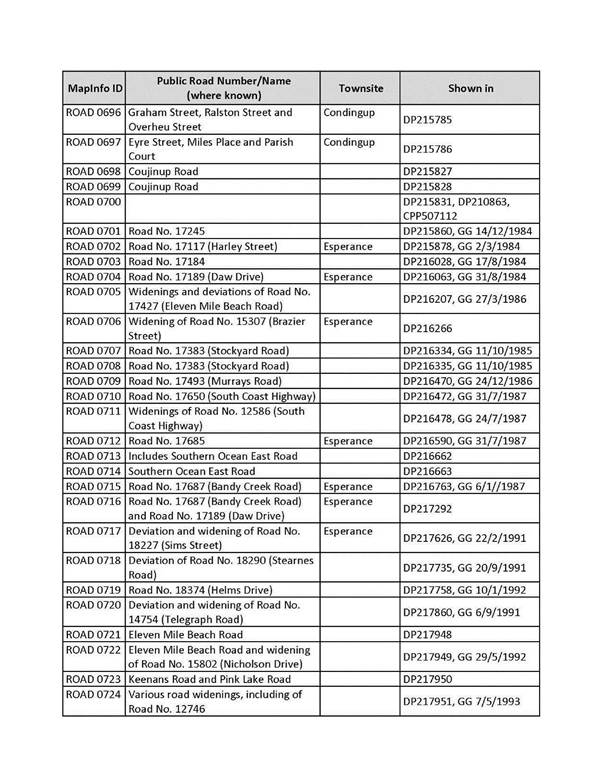
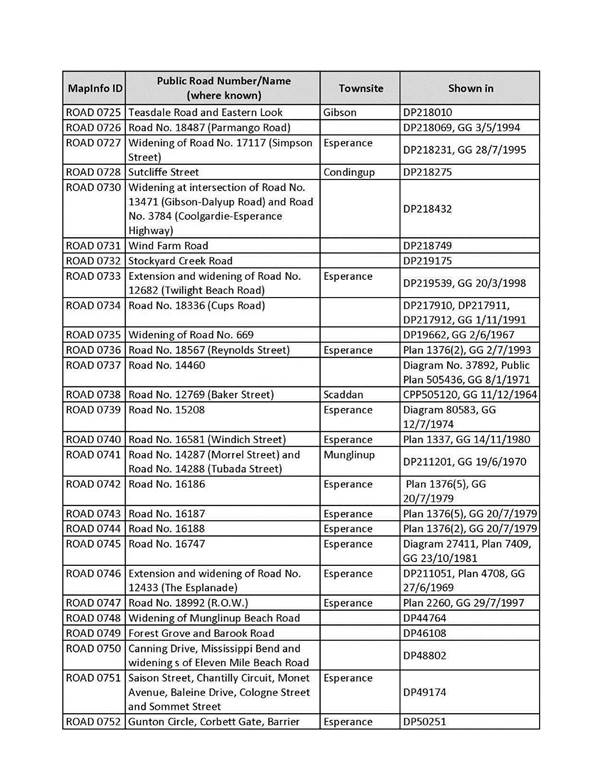
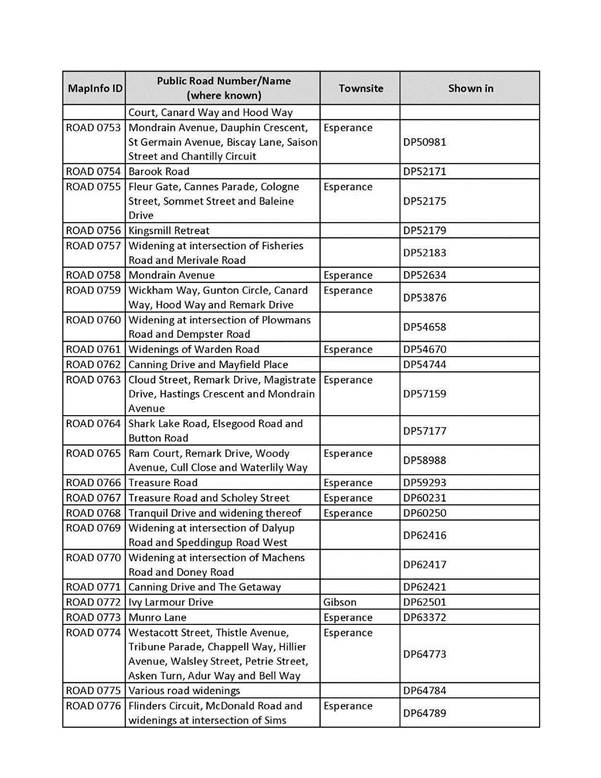
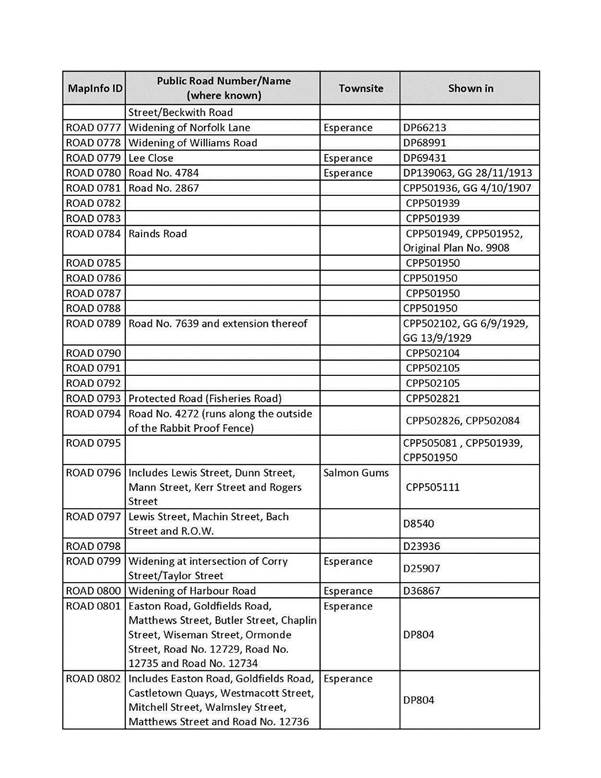
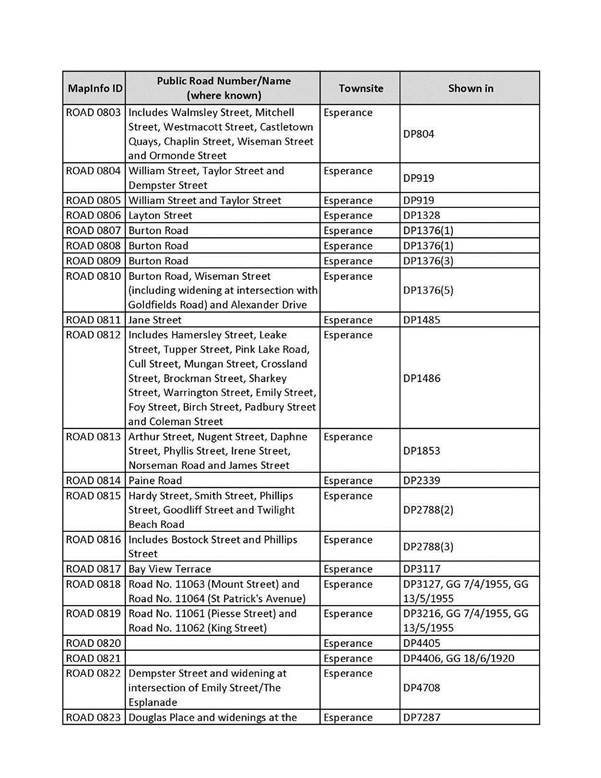
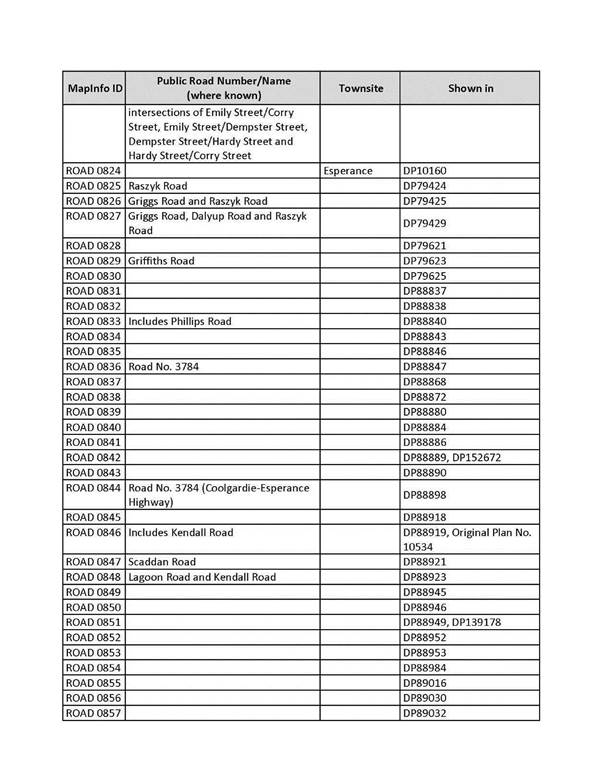
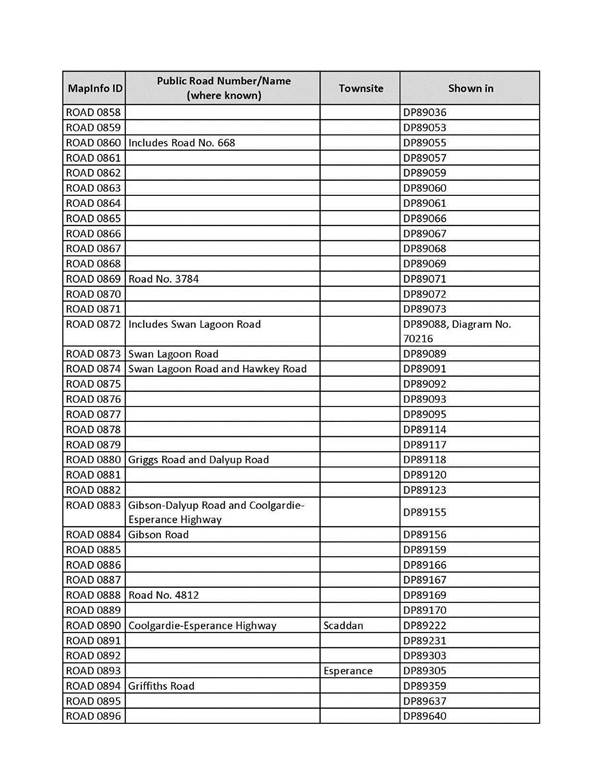
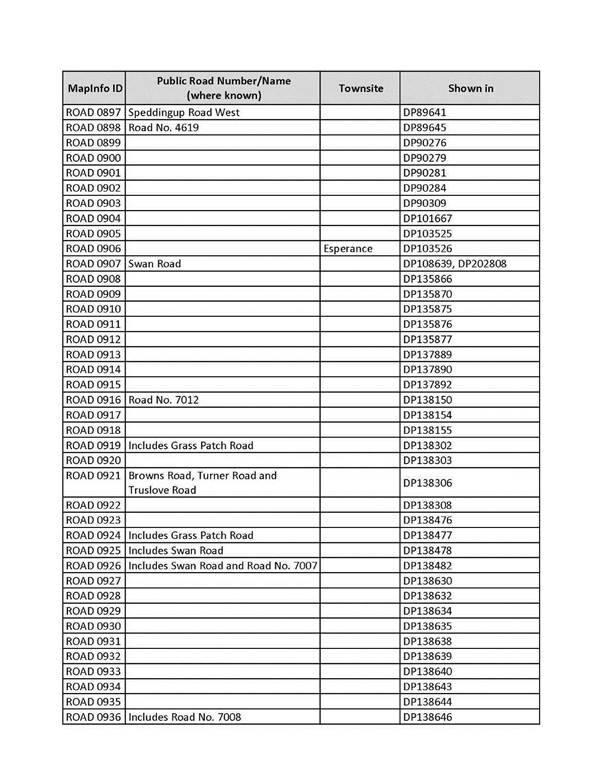
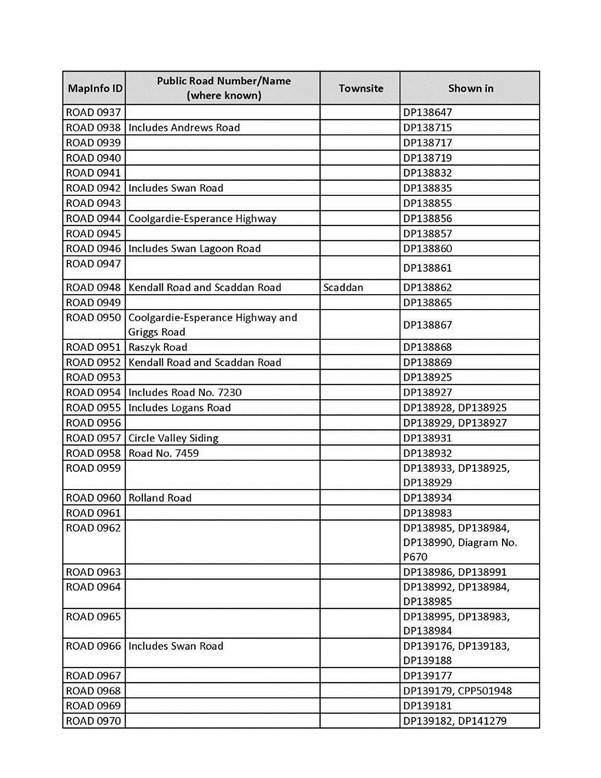
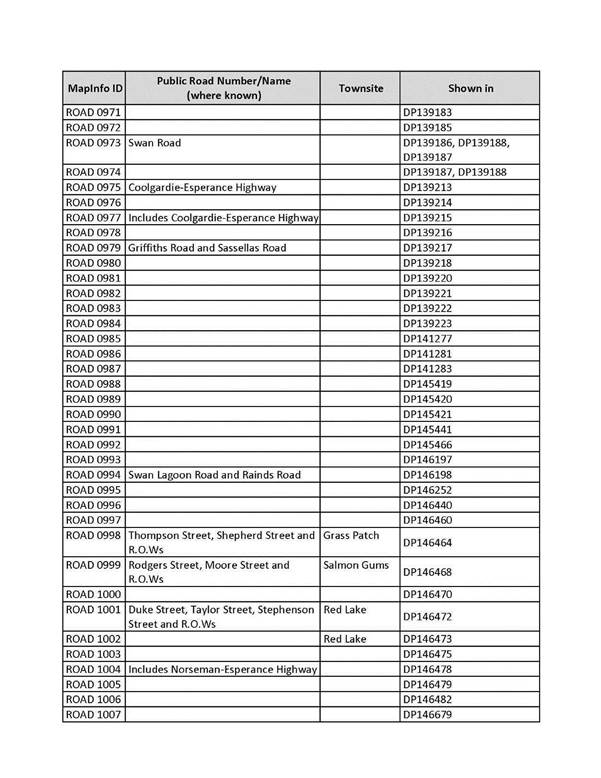
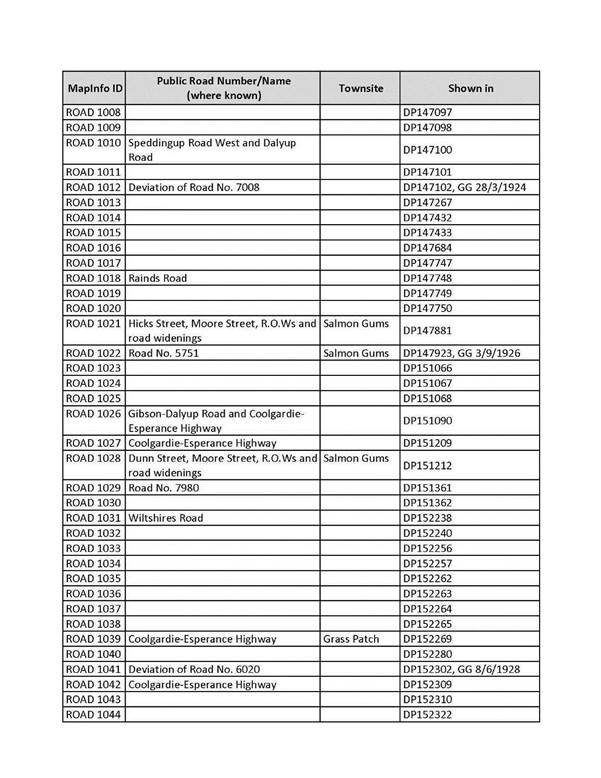
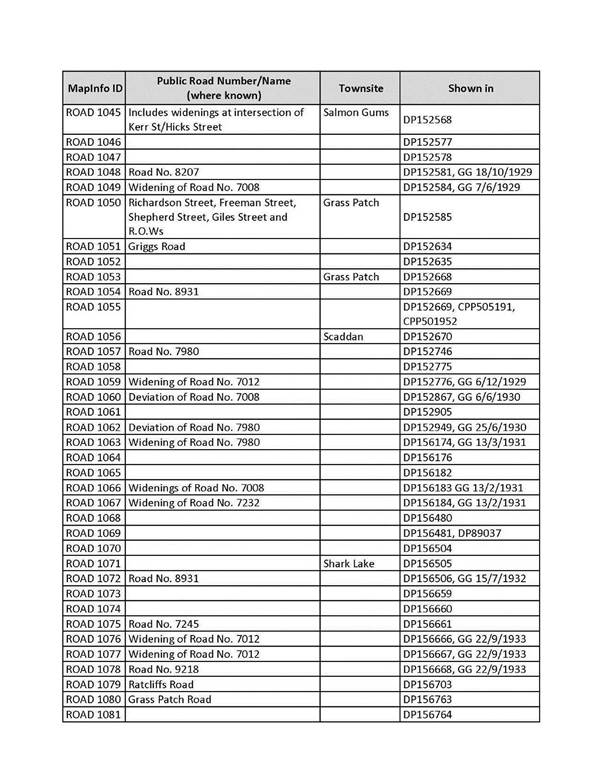
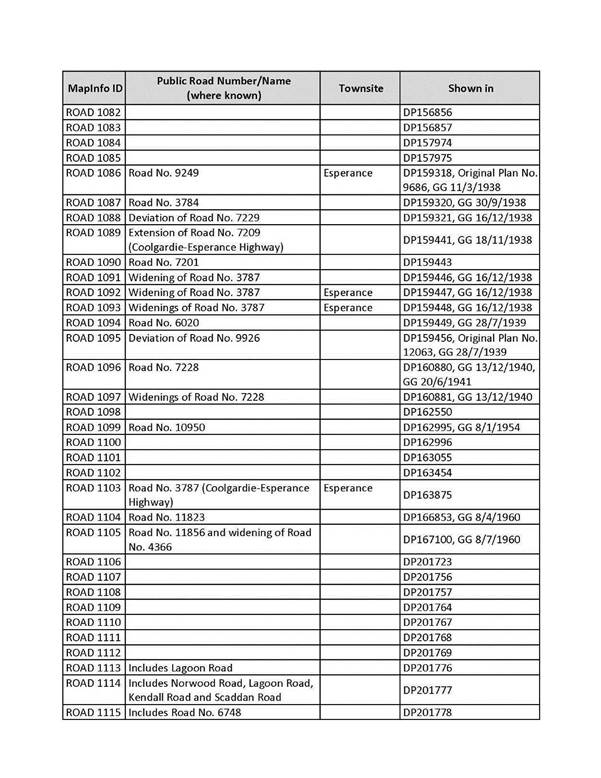
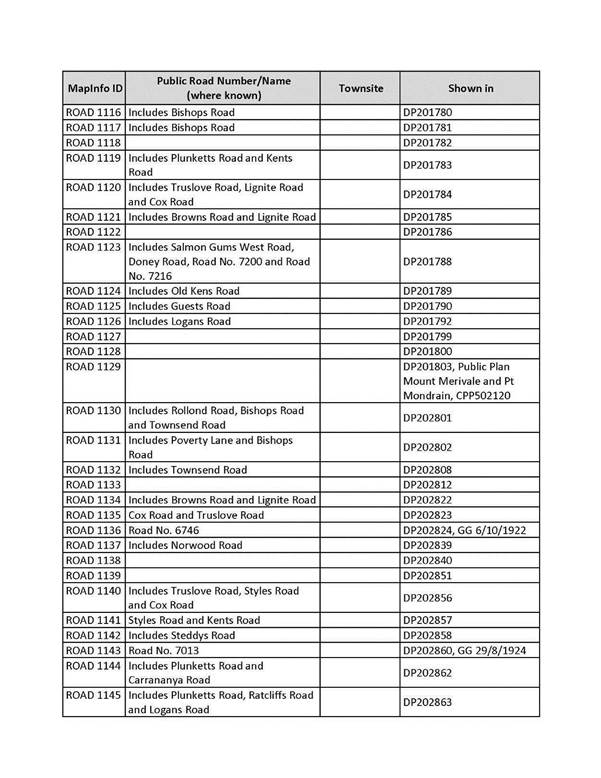
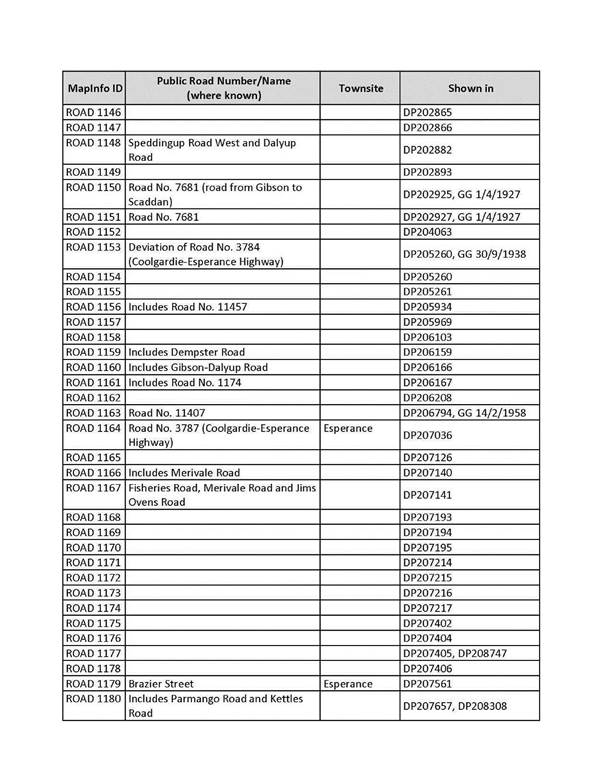
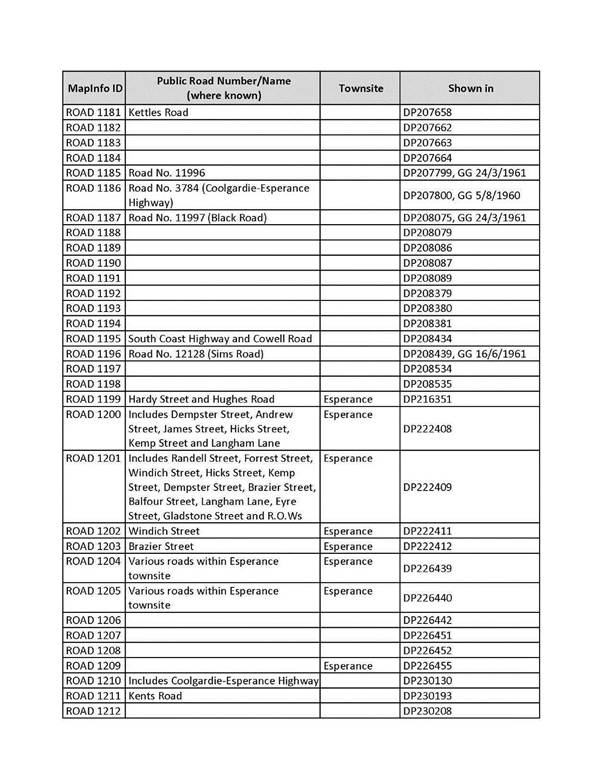
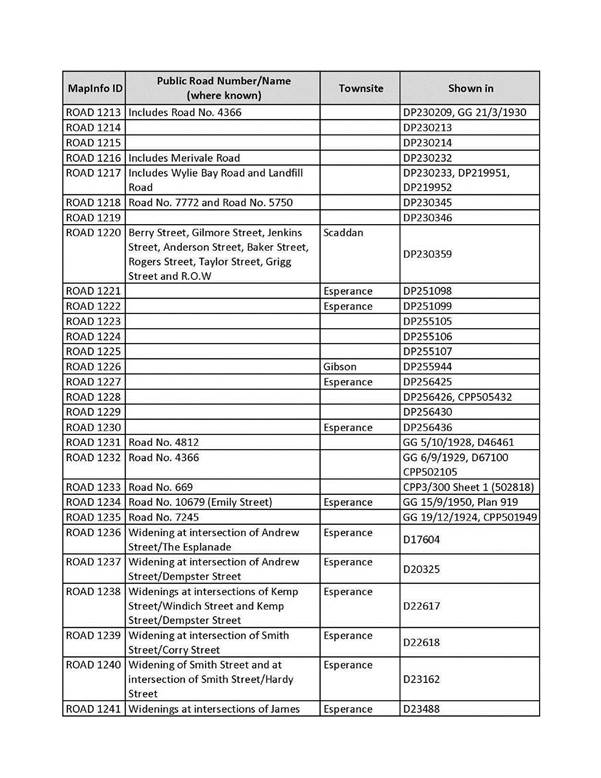
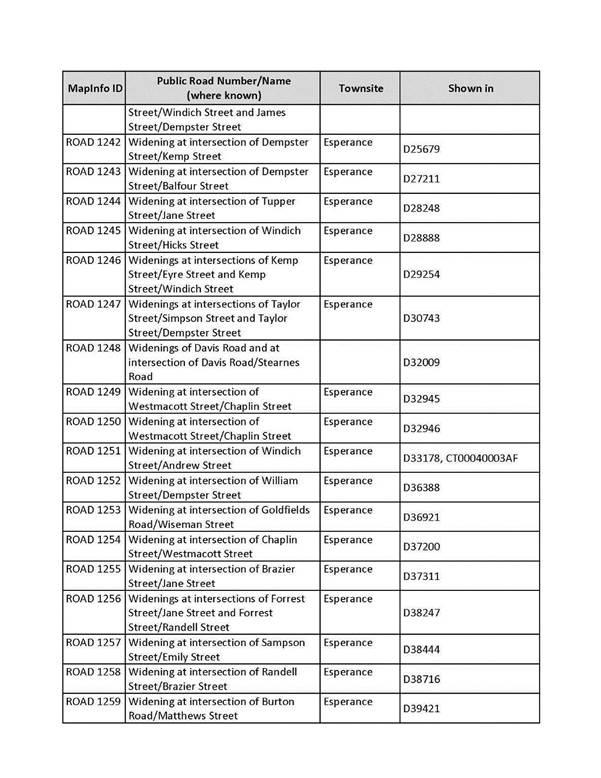
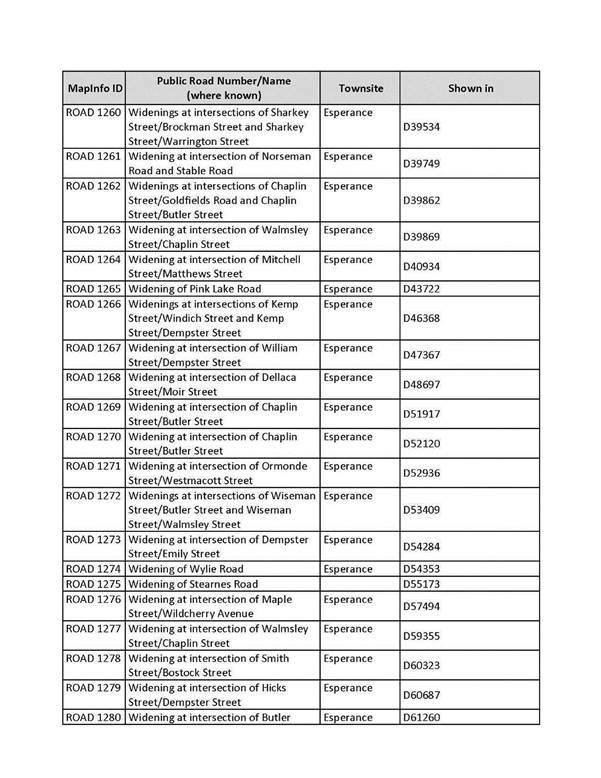
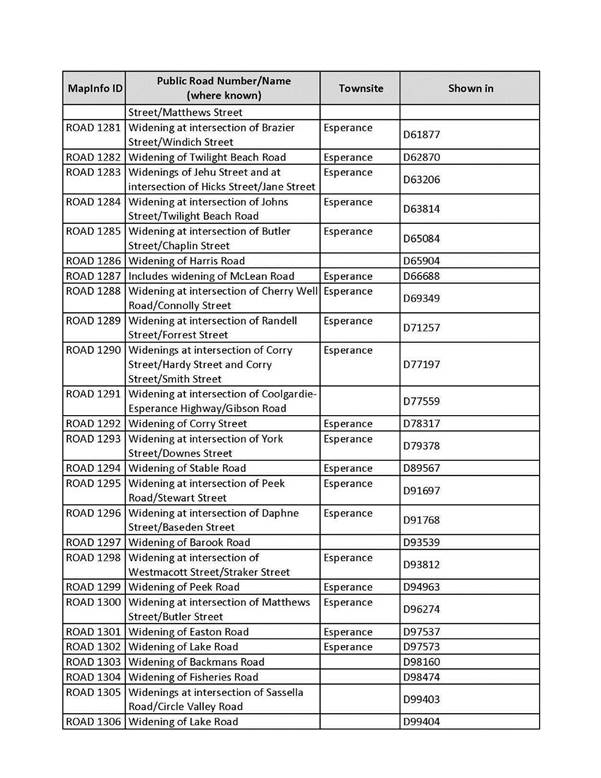
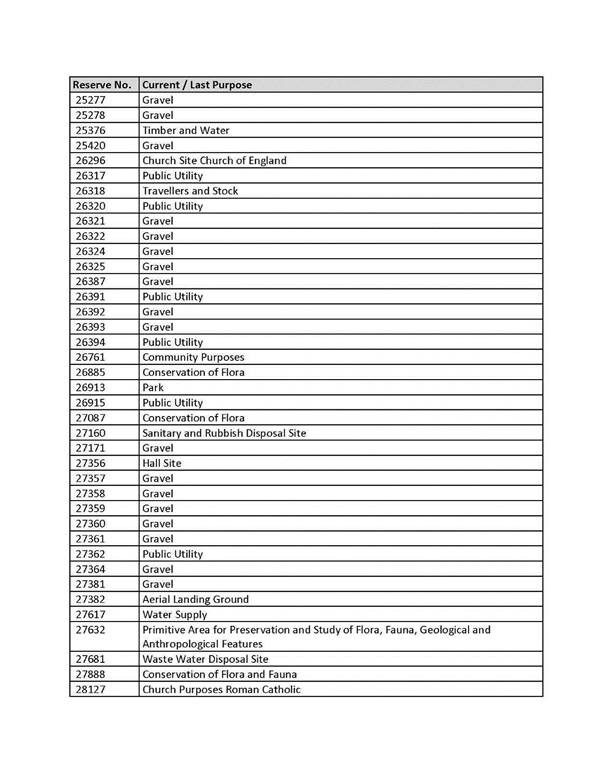
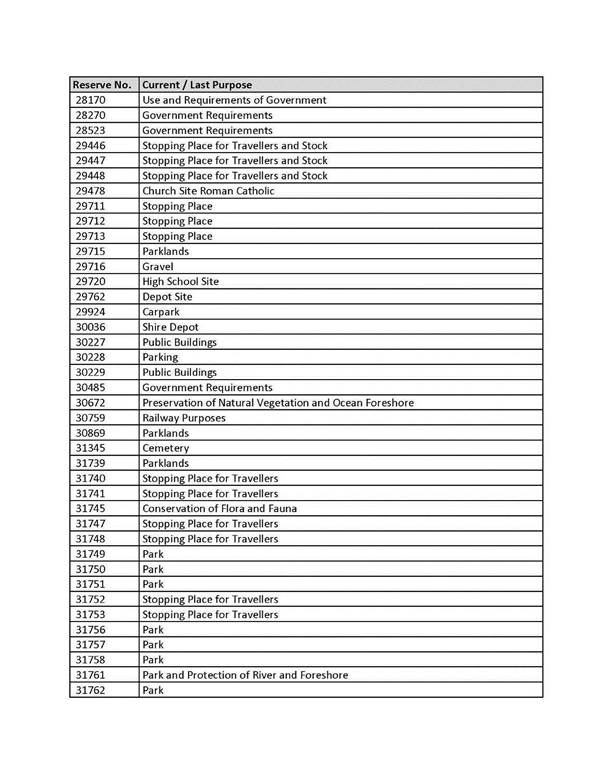
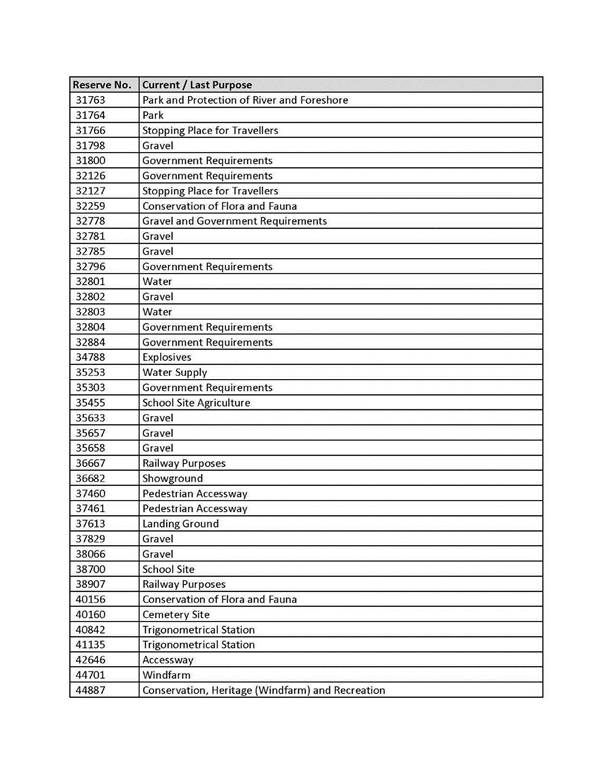
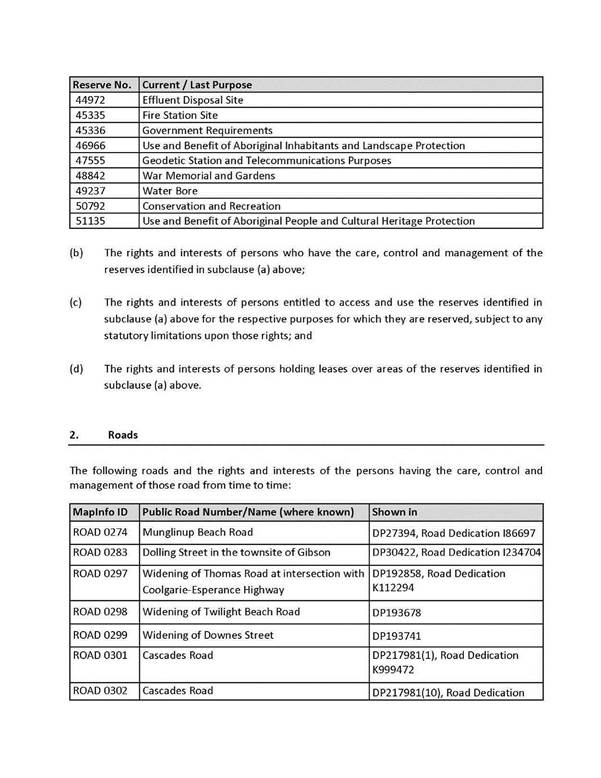
| IN THE FEDERAL COURT OF AUSTRALIA | |
| WESTERN AUSTRALIA DISTRICT REGISTRY | |
| GENERAL DIVISION | WAD 6097 of 1998 |
| BETWEEN: | ELAINE BULLEN, DIANE CLINCH, JARMAN JAMIESON, GRAHAM TUCKER, VERONICA WILLIAMS-BENNELL AND JENNY WOODS ON BEHALF OF THE ESPERANCE NYUNGAR PEOPLE Applicant |
| AND: | STATE OF WESTERN AUSTRALIA, SHIRE OF ESPERANCE, SHIRE OF RAVENSTHORPE, RAVENSTHORPE NICKEL OPERATIONS PTY LTD AND THE SHELL COMPANY OF AUSTRALIA LIMITED Respondents |
| JUDGE: | MCKERRACHER J |
| DATE: | 14 MARCH 2014 |
| PLACE: | ESPERANCE, WESTERN AUSTRALIA |
REASONS FOR JUDGMENT
INTRODUCTION
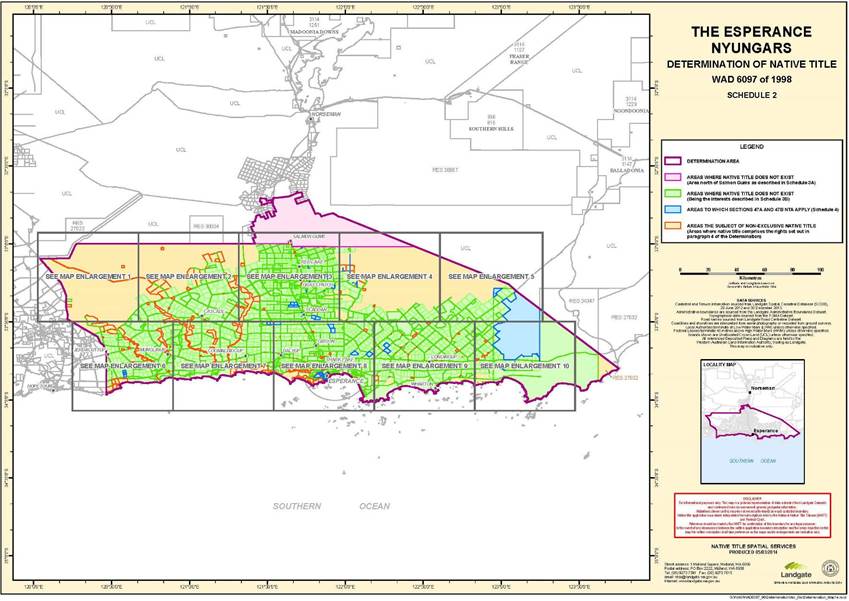
1 The Esperance Nyungar application is before the Court for determination pursuant to s 225 of the Native Title Act 1993 (Cth) (Native Title Act). The application covers an area of approximately 28,895 square kilometres of land and waters extending east from Esperance to Israelite Bay, west from Esperance to around Ravensthorpe and north through to Salmon Gums.
2 The application was lodged with the National Native Title Tribunal on 6 June 1996 and two substantial amendments to the application followed on 23 October 2008 and 31 March 2009 which amongst other things allowed for the replacement of the applicant for the application under s 66B of the Native Title Act and amendments to the boundary of the claim area and the claim group description.
Agreement to resolve the application
3 The parties to the application have reached an agreement through mediation as to the terms of the determination of native title pursuant to s 87 and s 94A of the Native Title Act in relation to the land and waters covered by the Esperance Nyungar Application (the proposed Determination Area). Indigenous land use agreements have also been negotiated between the applicant, State of Western Australia and FQM Australia Nickel Pty Ltd (the fourth respondent, Ravensthorpe Nickel Operations Pty Ltd which is a wholly owned subsidiary of FQM Australia Nickel Pty Ltd).
4 In support of the agreement reached, the State of Western Australia has filed the following documents:
(a) a Minute of Proposed Consent Determination of Native Title (the Minute) which has been signed by each of the parties to the application; and
(b) an affidavit of Mr Adrian John Murphy sworn on 6 March 2014, attesting to the basis on which the State agreed to enter into the agreement the subject of the Minute.
5 In support of the agreement reached the applicant has filed the following documents:
(a) an affidavit of Mr Mark Andreas Rumler affirmed 7 March 2014 deposing to the process undertaken by the applicant to authorise the agreement reached and the status of the nomination of a prescribed body corporate;
(b) an affidavit of Mr Charles George Wilde affirmed 7 March 2014 deposing to the decision making process of the applicant and the attendance of the applicant at authorisation meetings;
(c) Updated version of report titled ‘Expert Anthropological Report’ by Dr Suzi Hutchings dated March 2003 (previously filed 5 August 2003); and
(d) Report titled ‘Further Supplementary Anthropological Report to the Goldfields Land and Sea Council, Western Australia’ by Dr Hutchings dated December 2008.
6 In addition the applicant and the State have filed joint submissions in support of the Minute of Proposed Consent Determination of Native Title (the joint submissions).
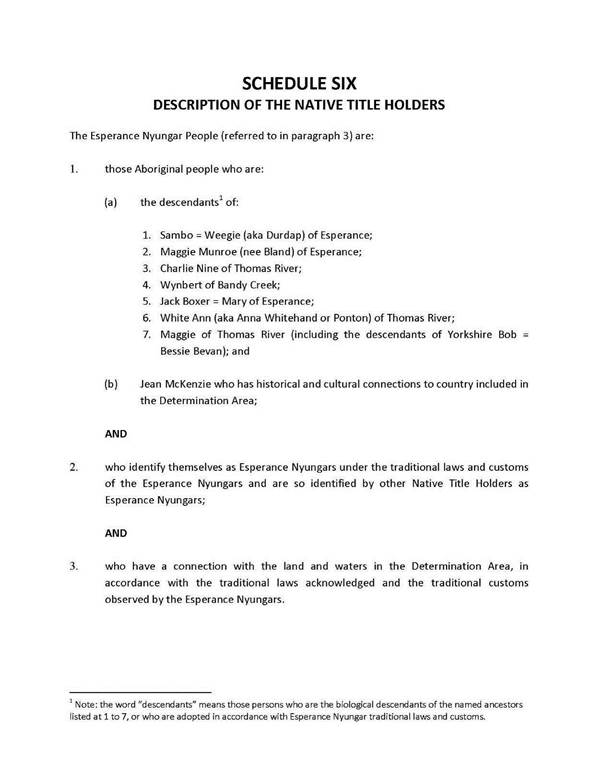
7 The parties agree that the Esperance Nyungar people are persons who are:
(i) descended from named apical ancestors described in Schedule Six of the Minute; and
(ii) self-identify as an Esperance Nyungar person and are so identified by other Esperance Nyungar people; and
(iii) have a connection with the land and waters in the proposed Determination Area in accordance with the traditional laws acknowledged and the traditional customs observed by the Esperance Nyungar people.
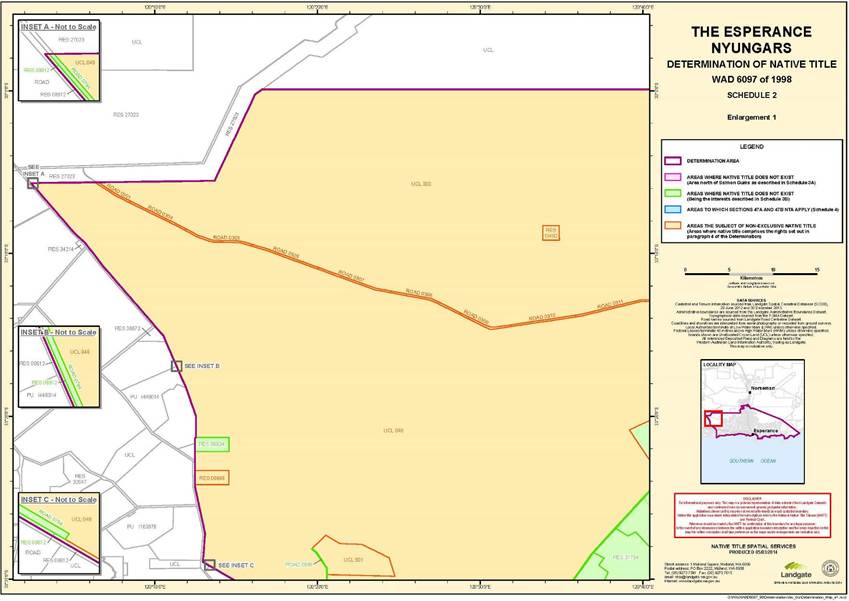
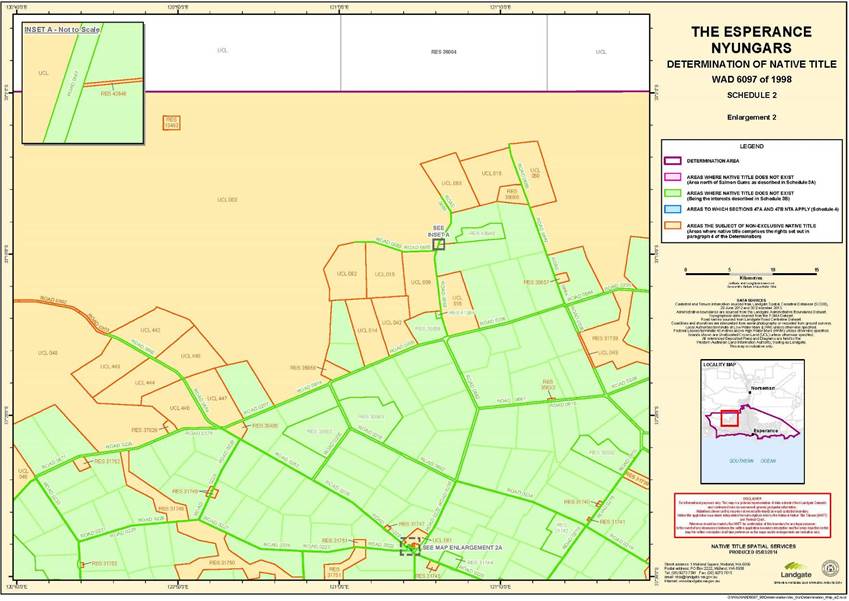
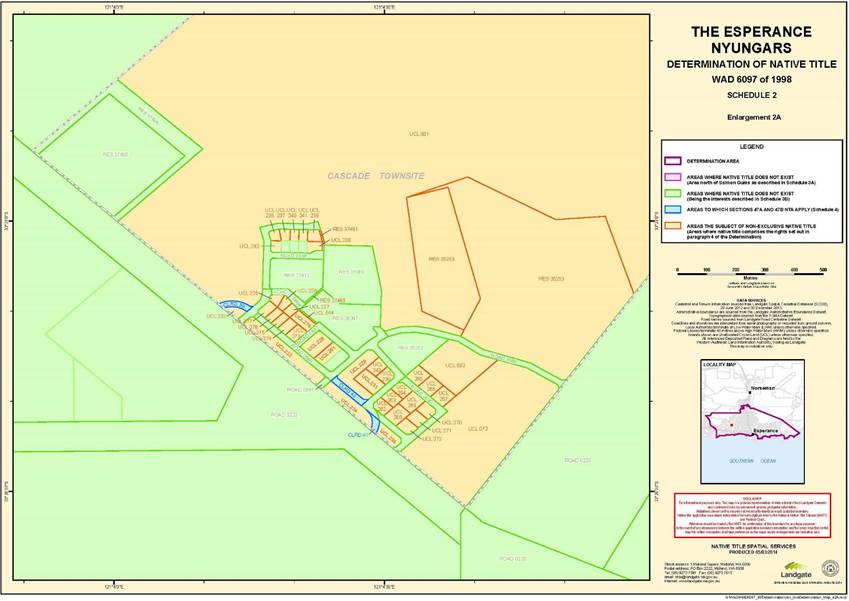
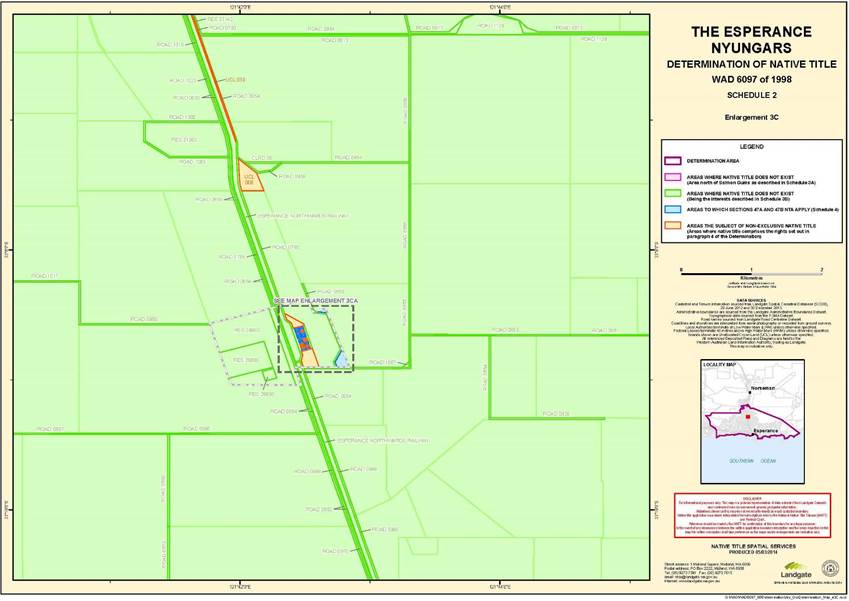
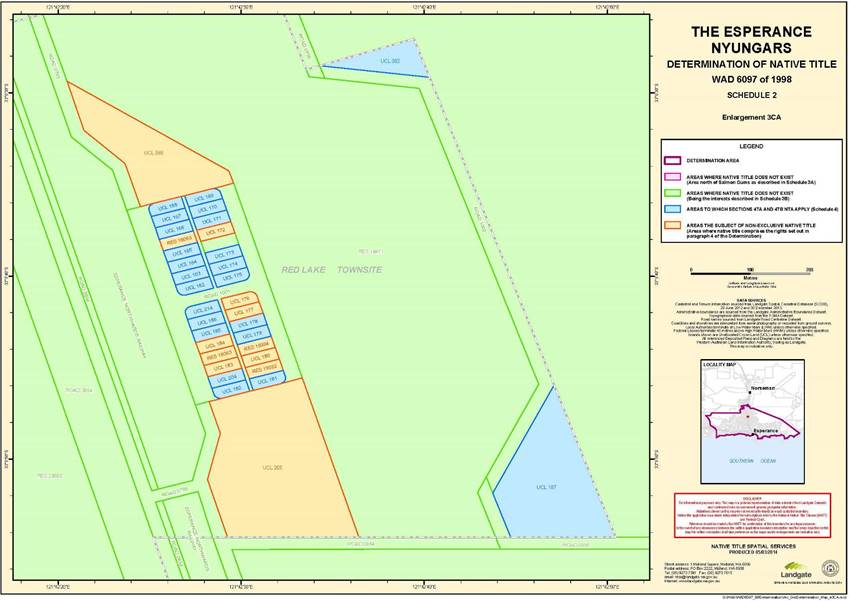
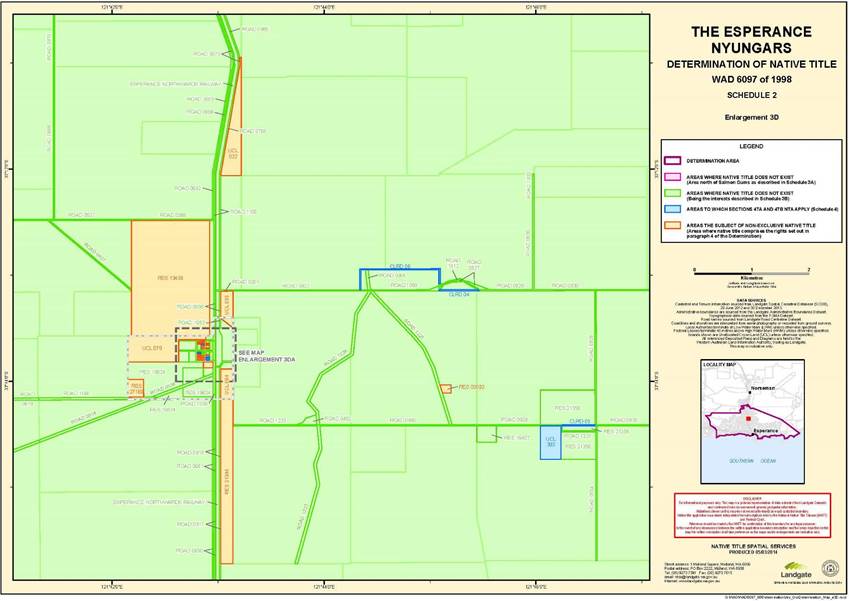
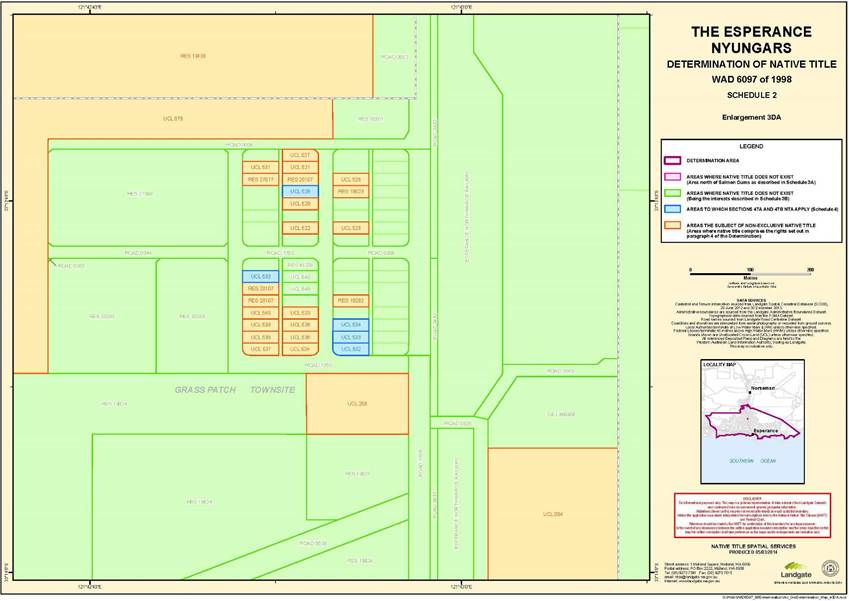
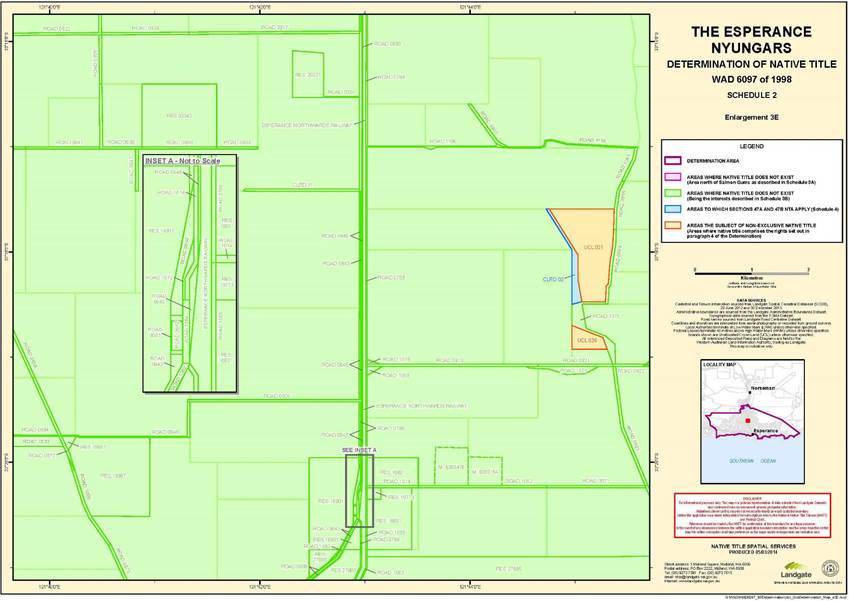
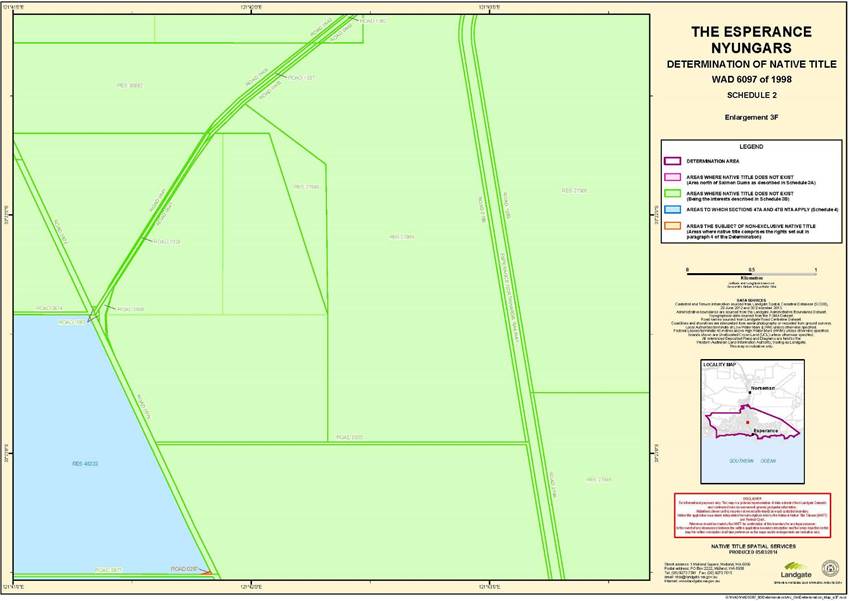
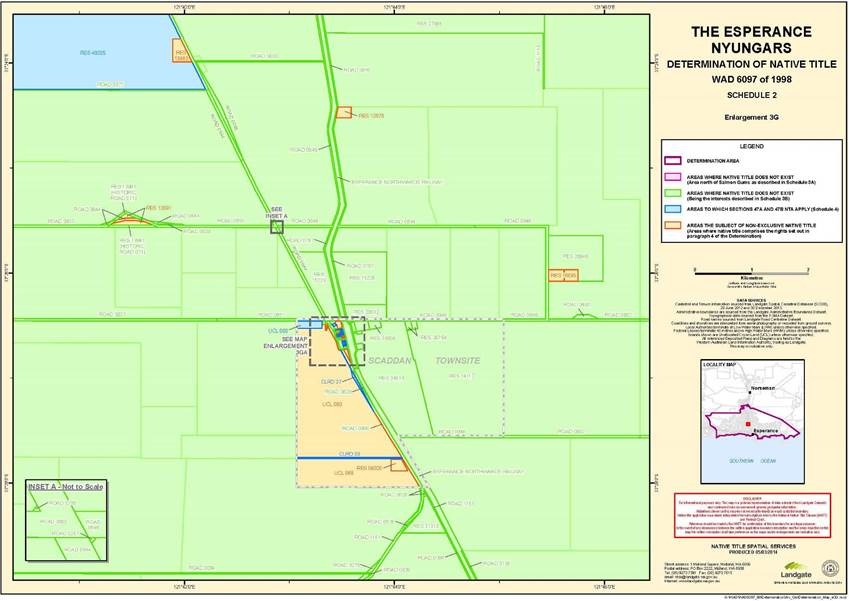
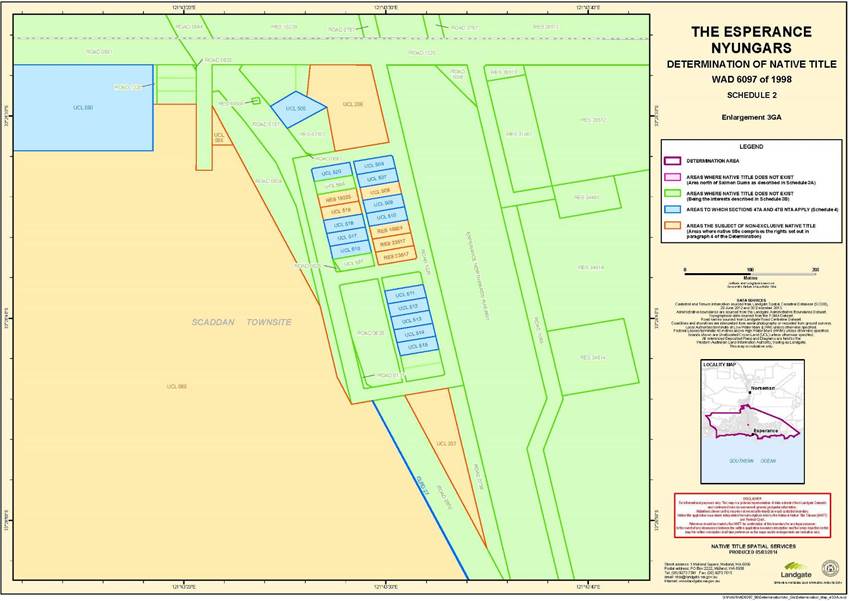
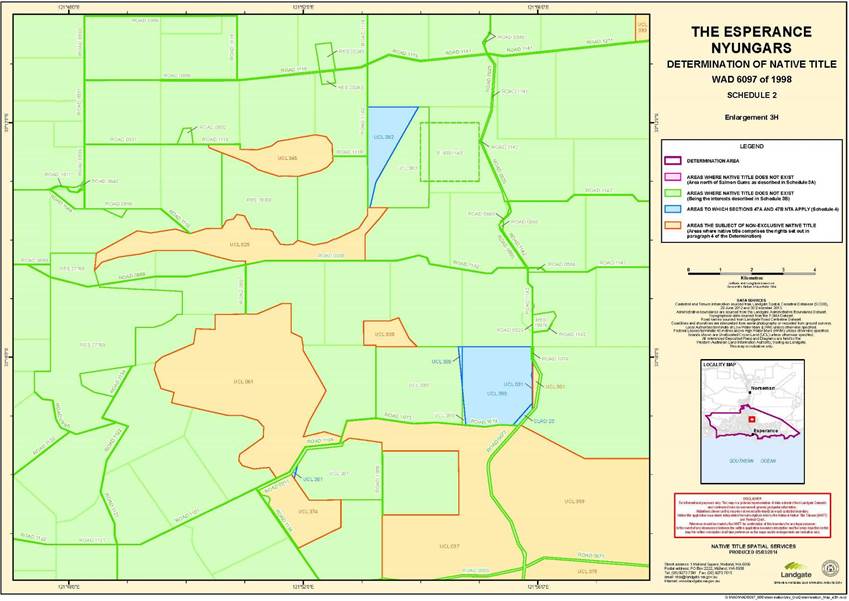
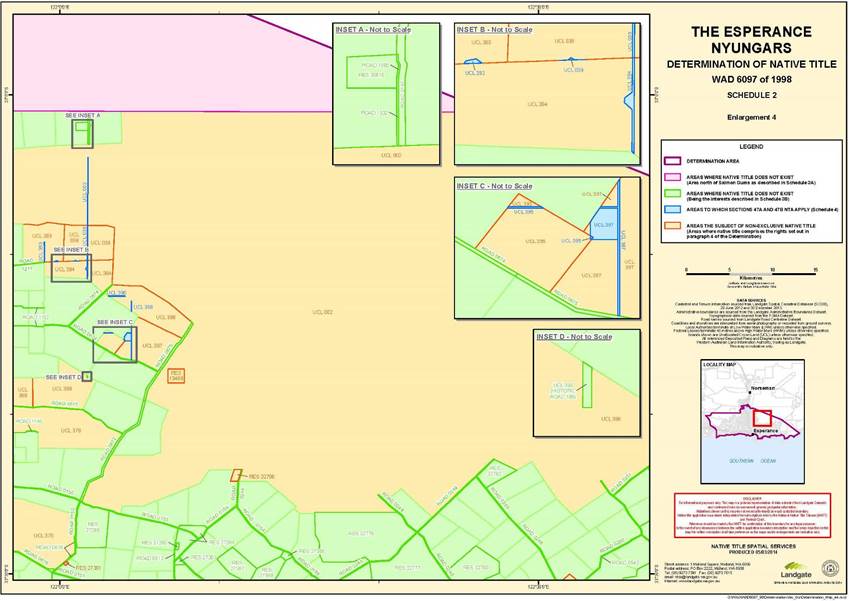
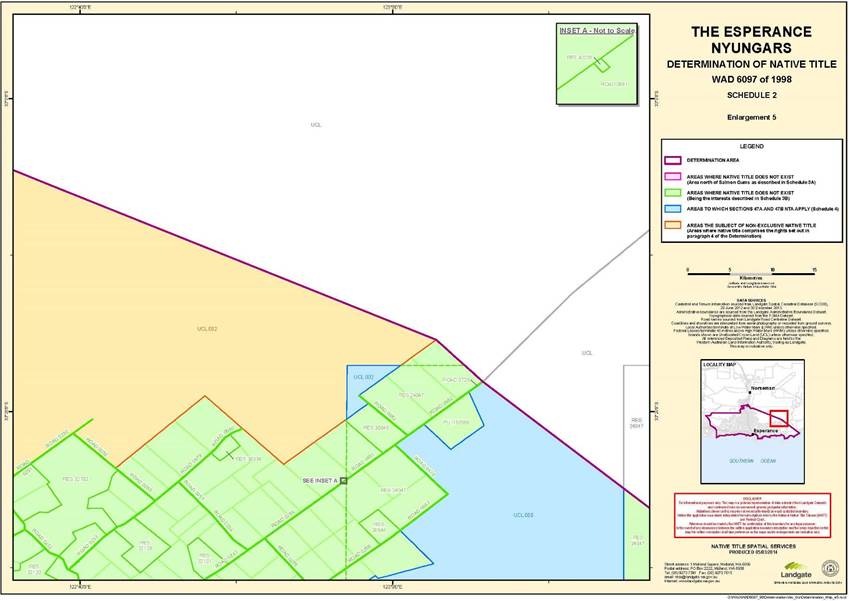
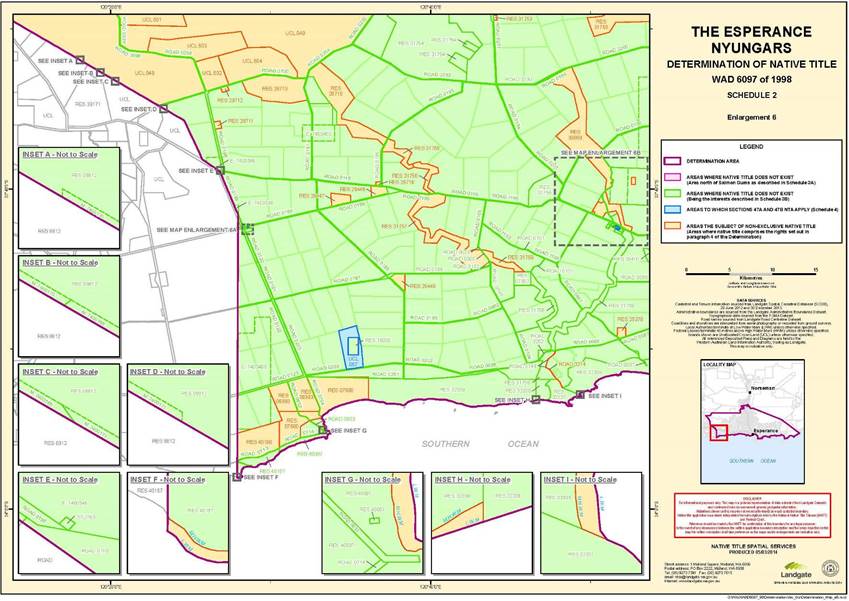
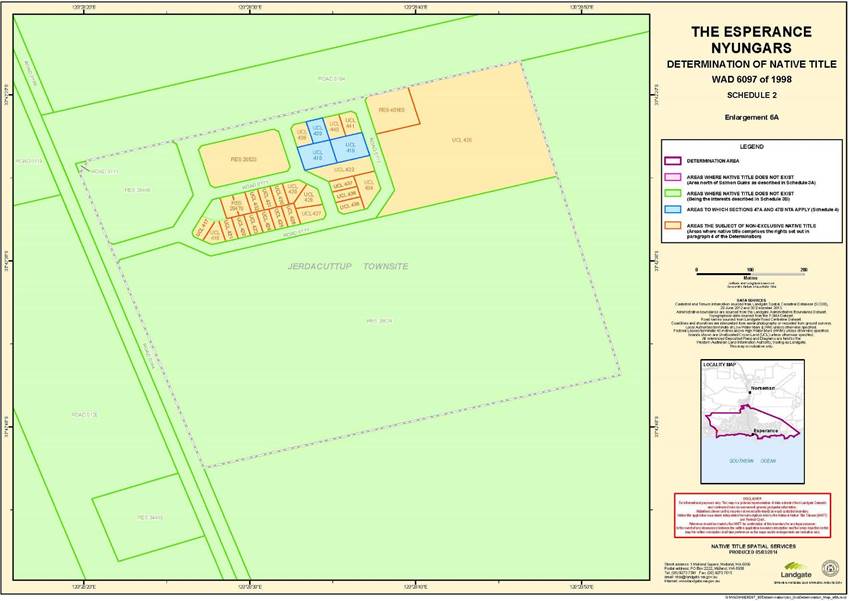
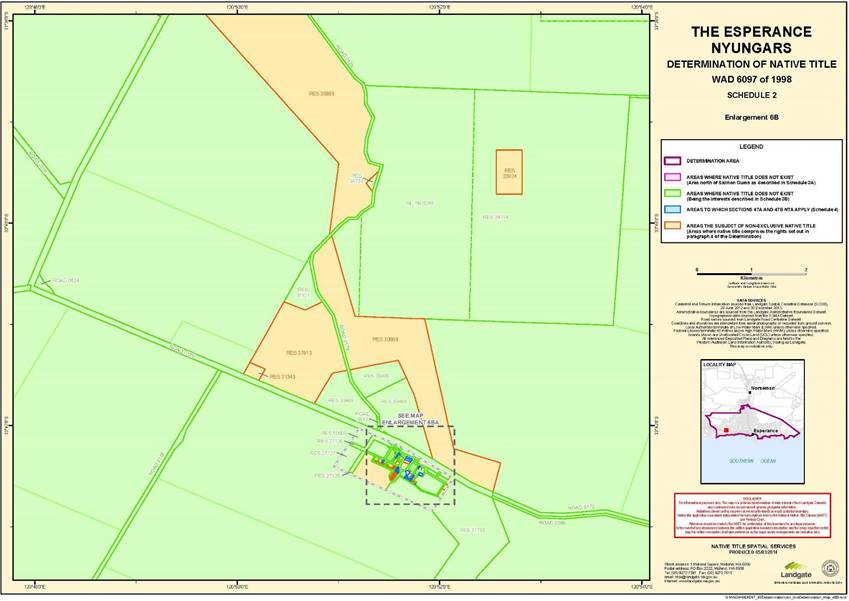
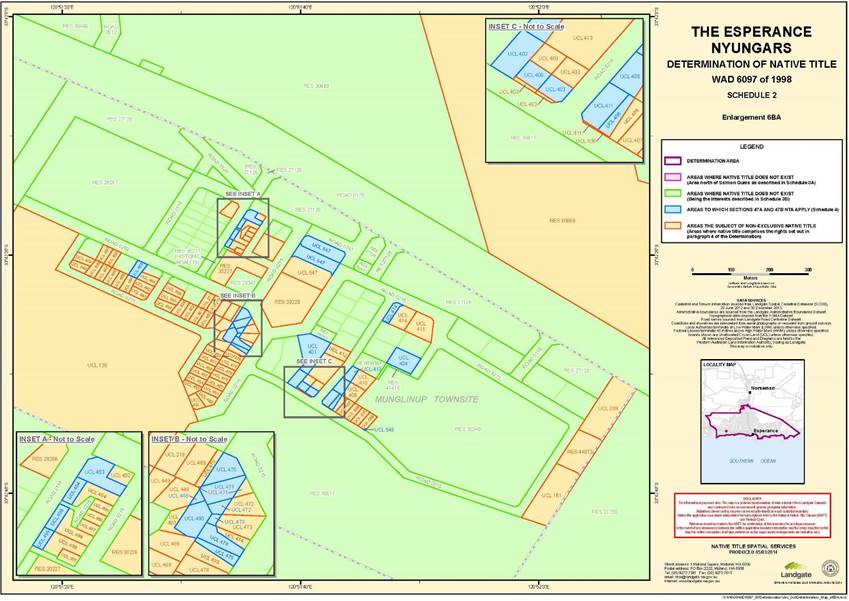
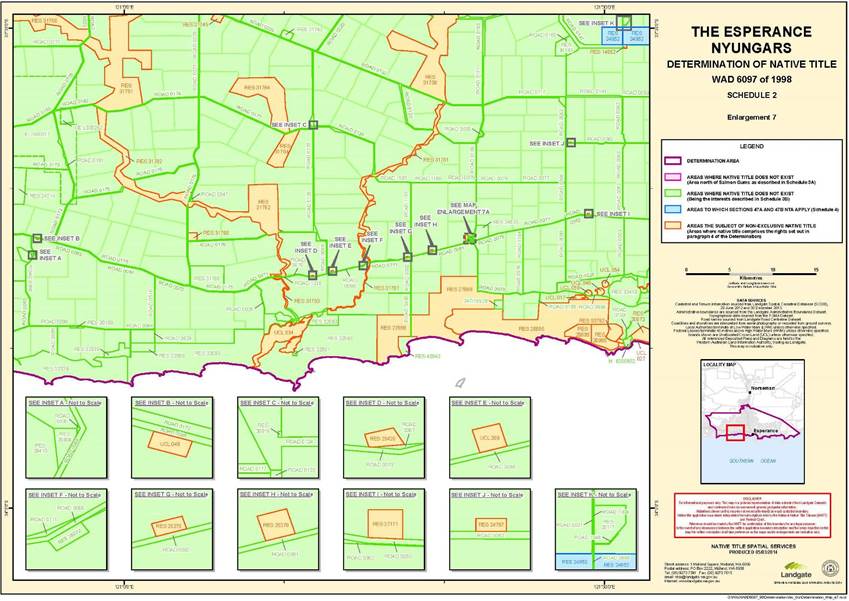
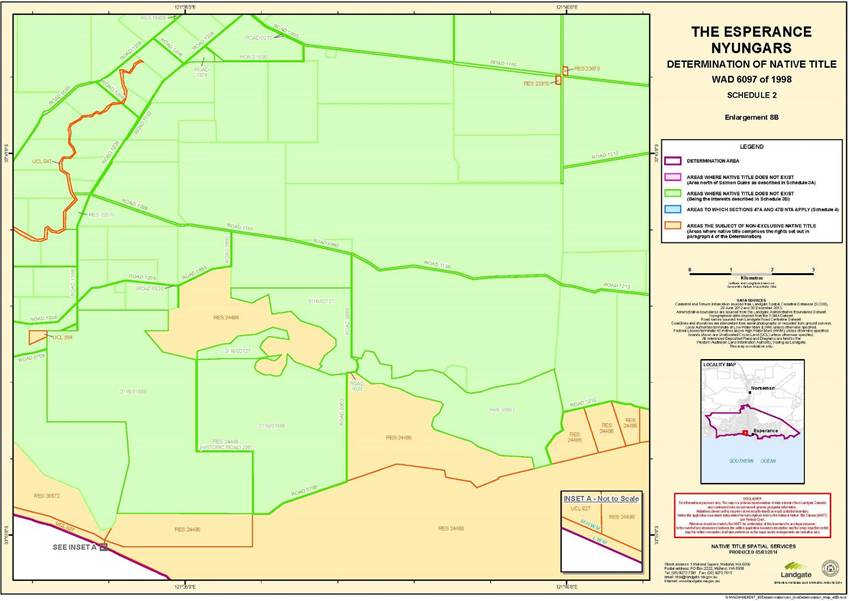
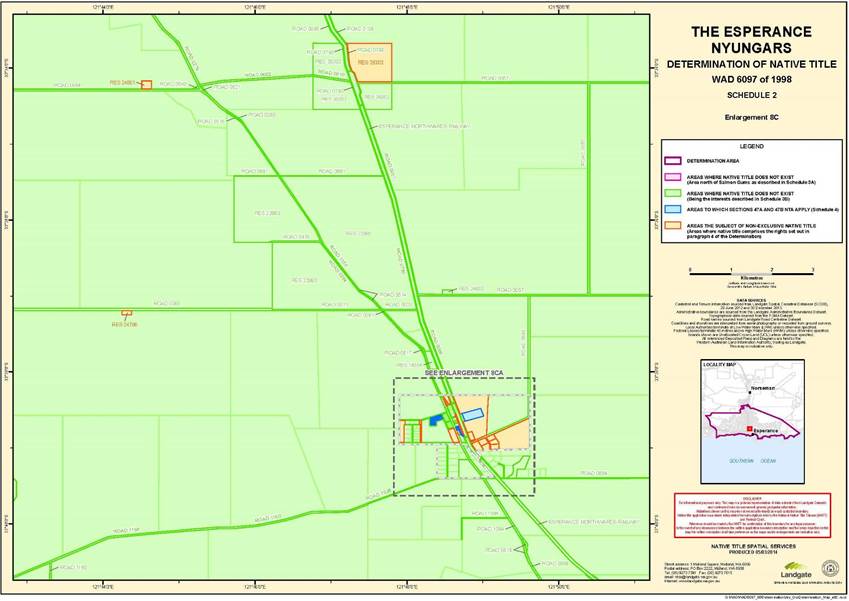
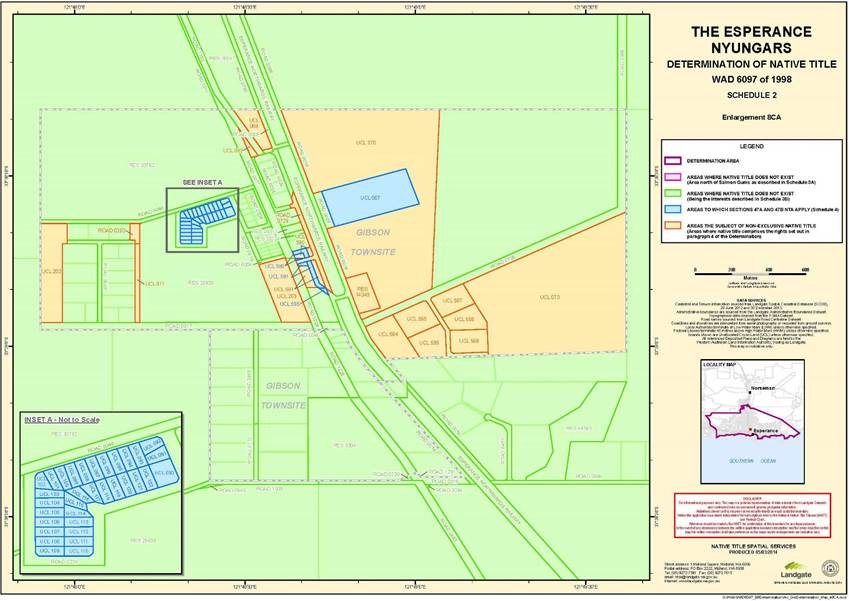
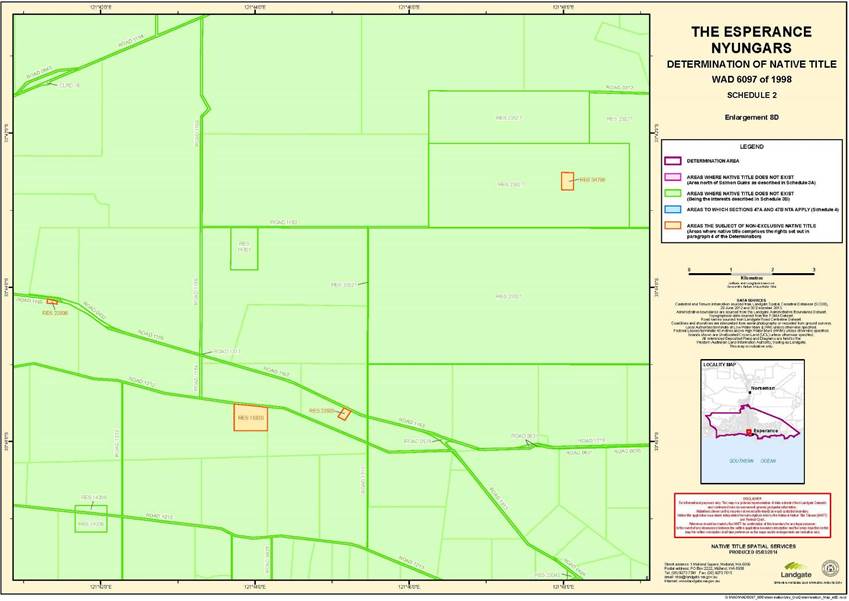
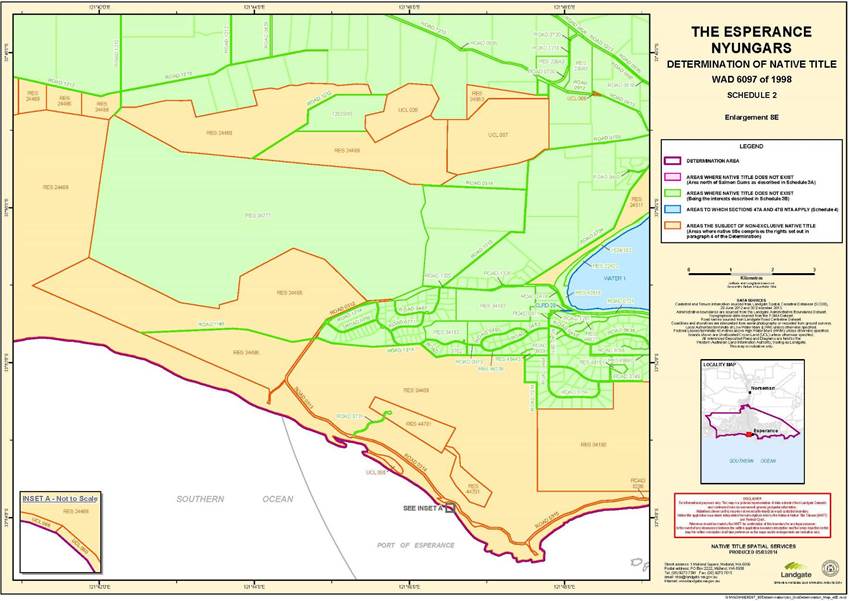
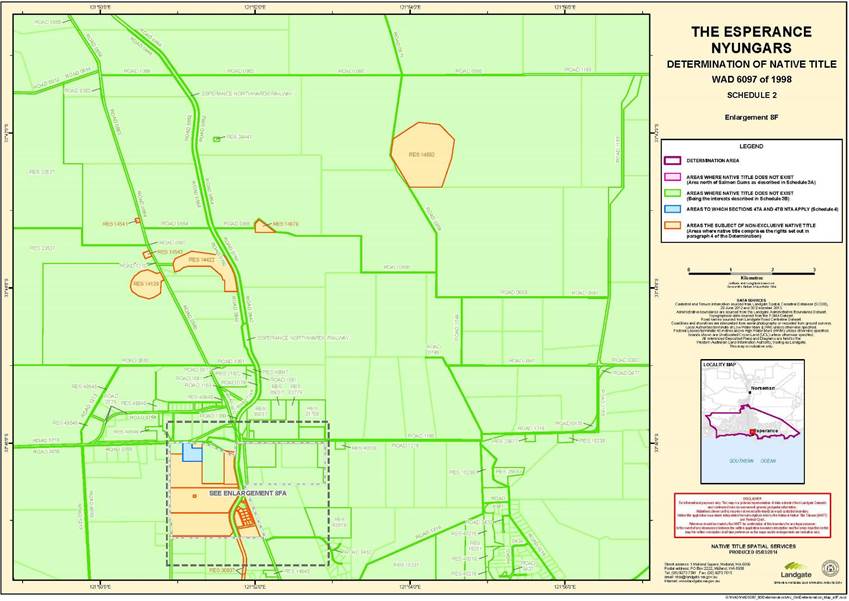
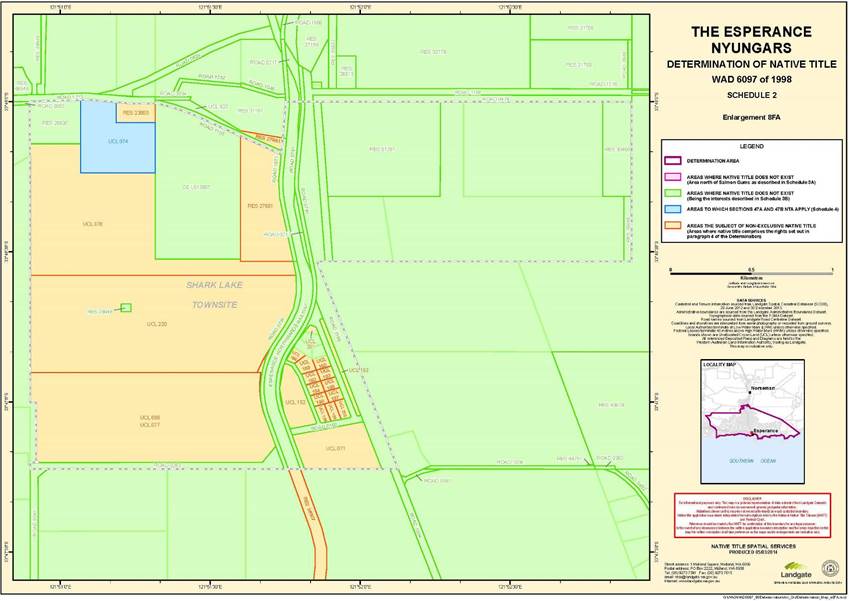
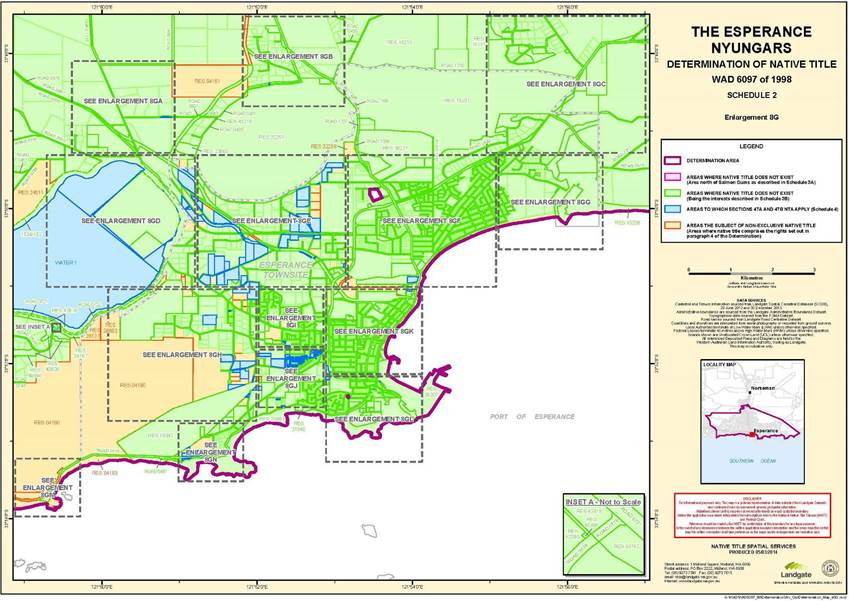
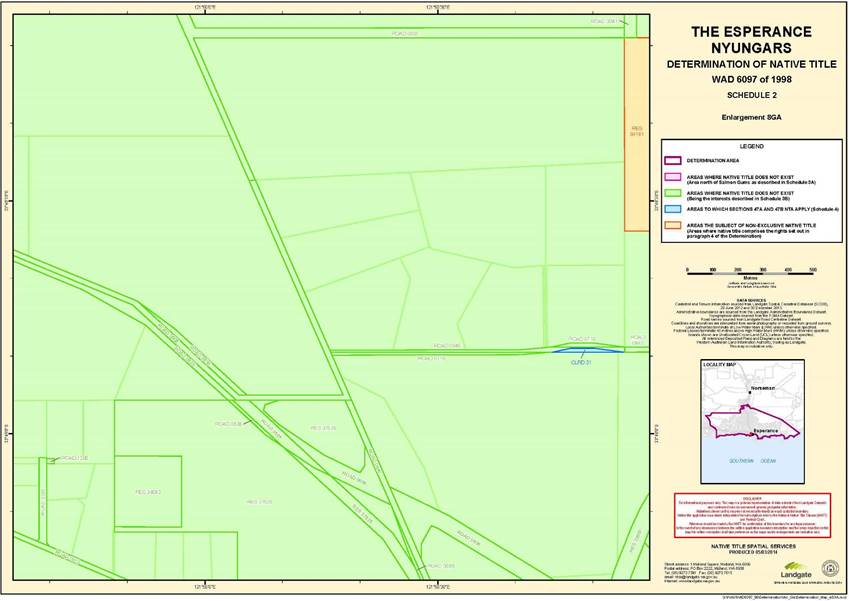
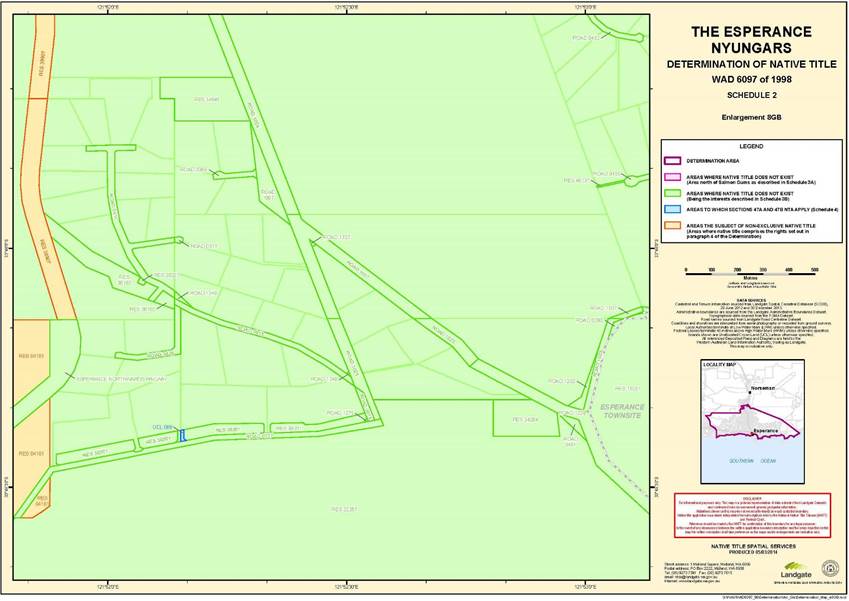
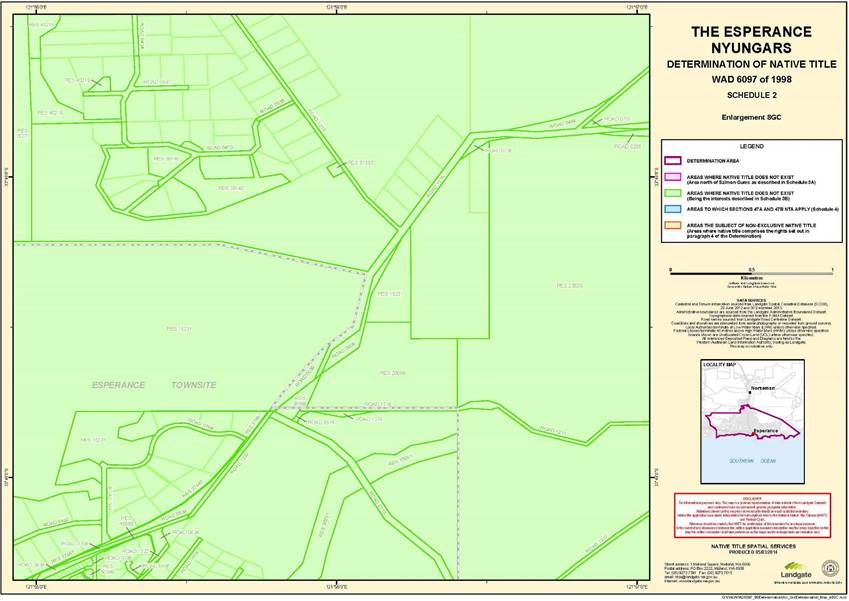
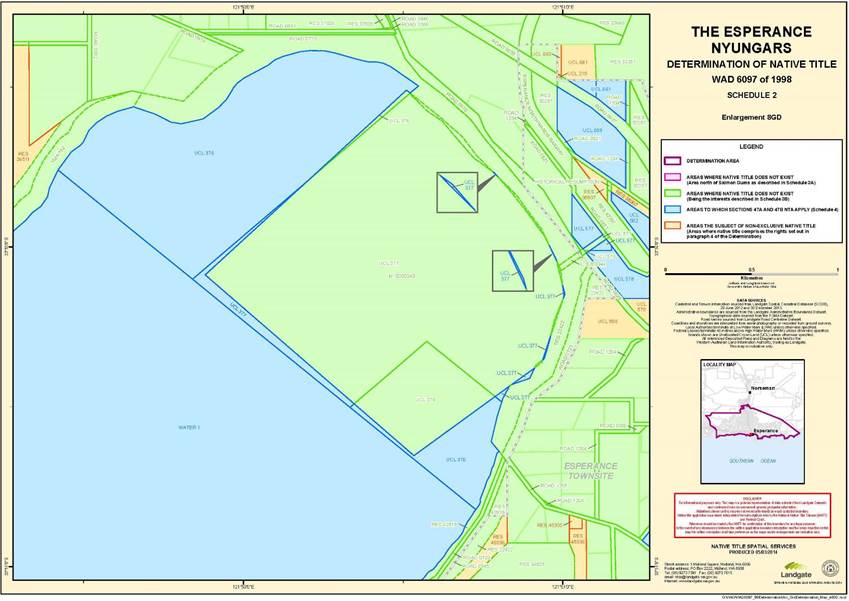
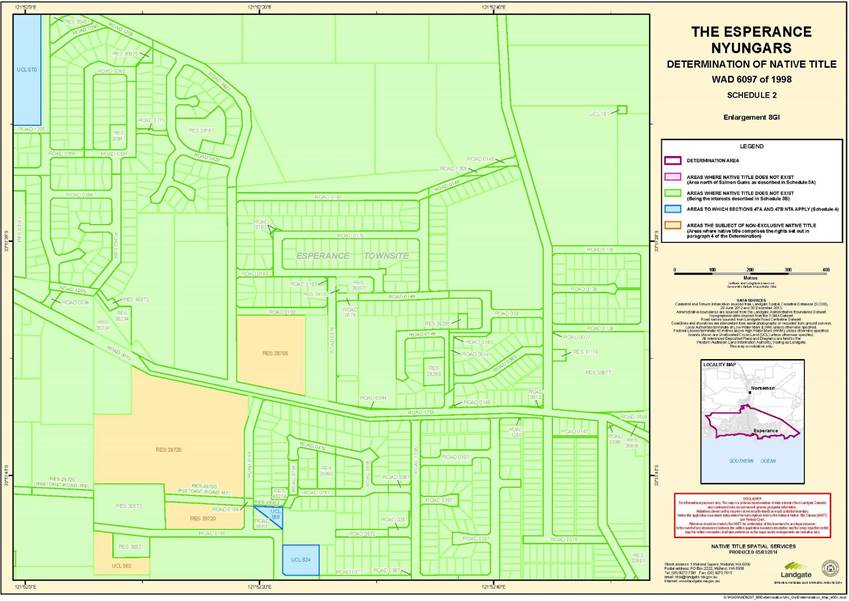
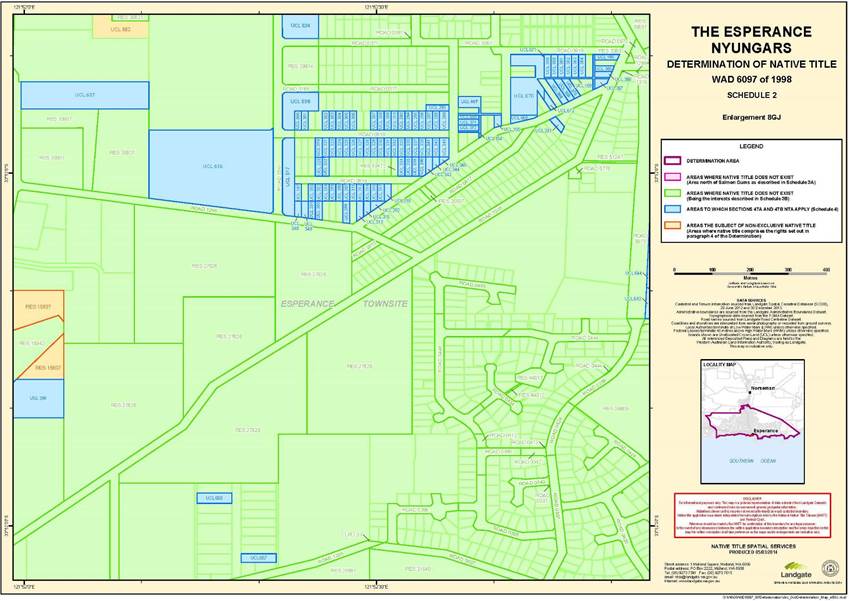
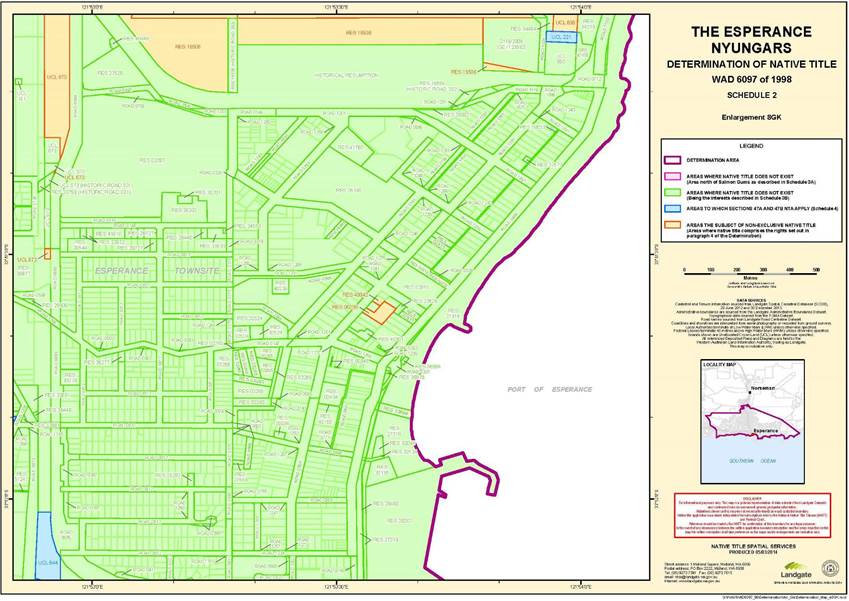
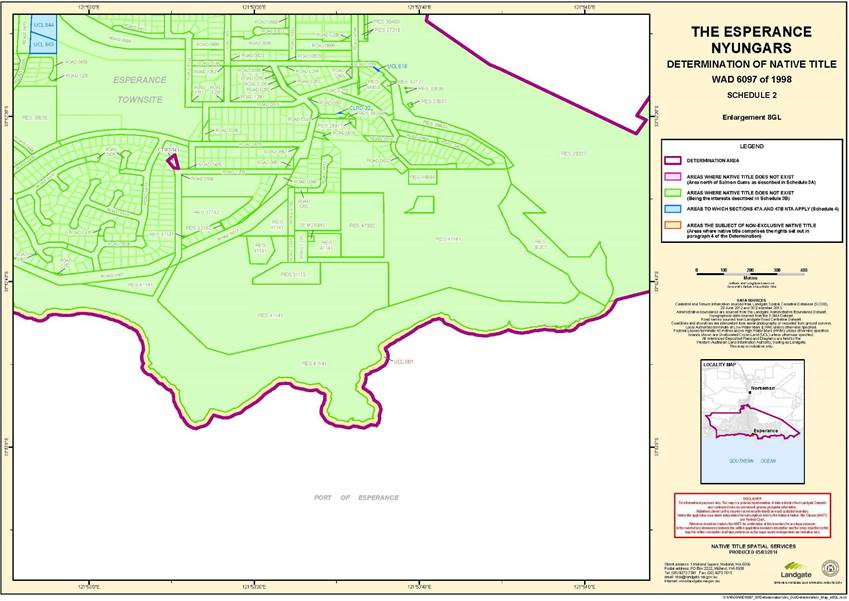
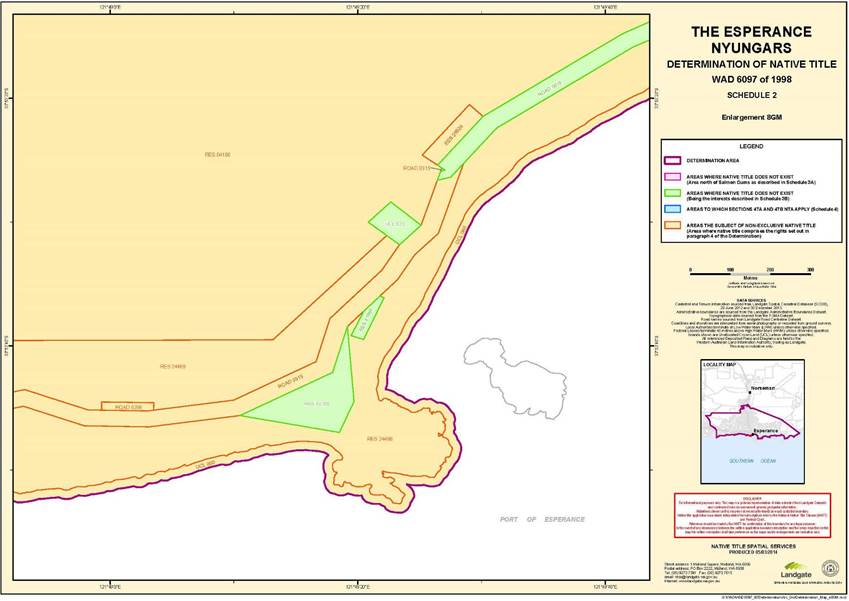
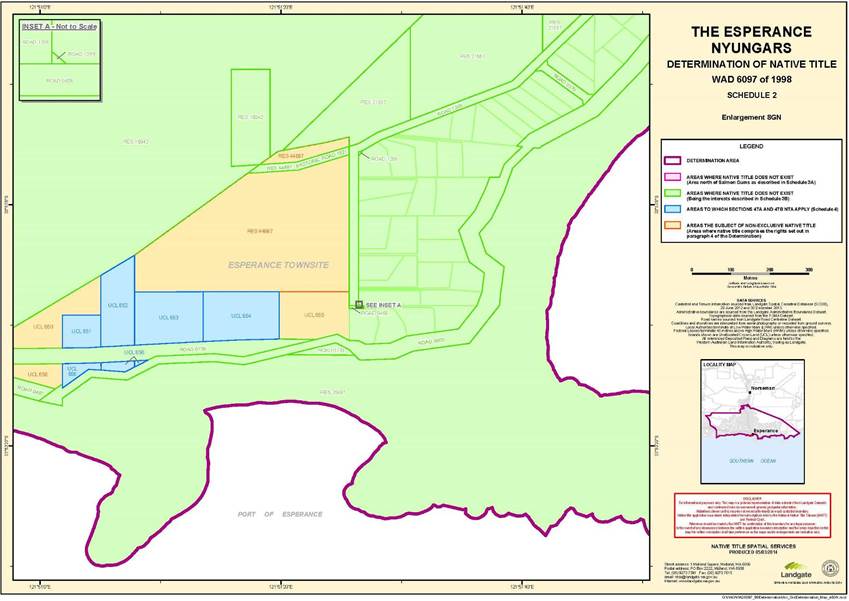
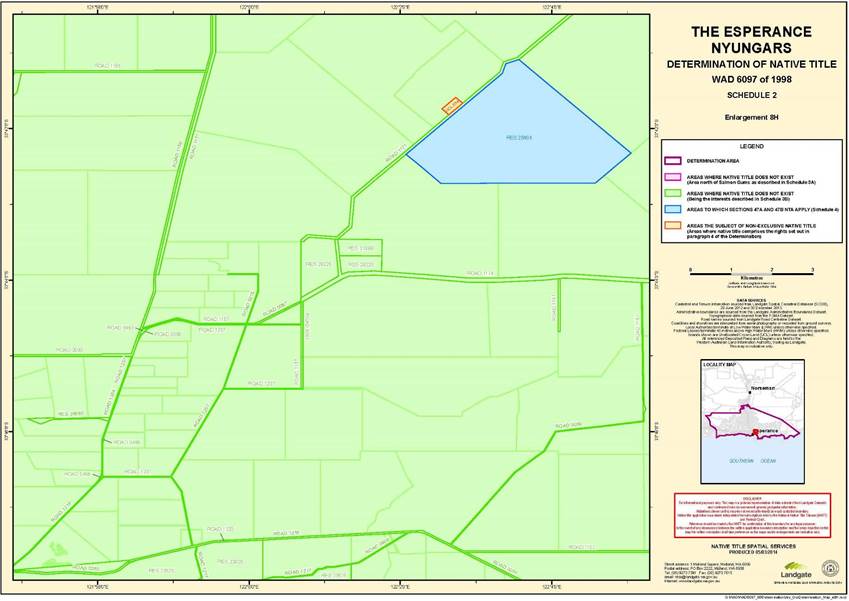
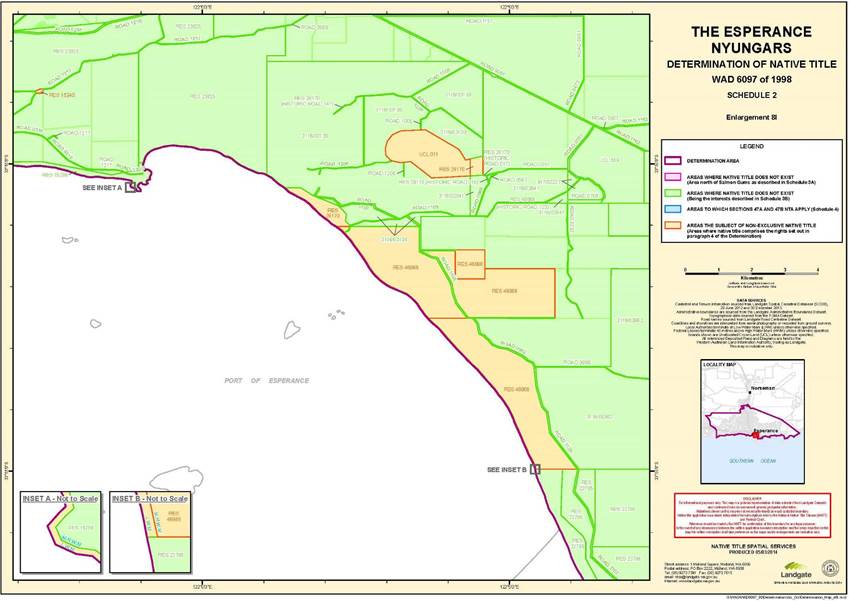
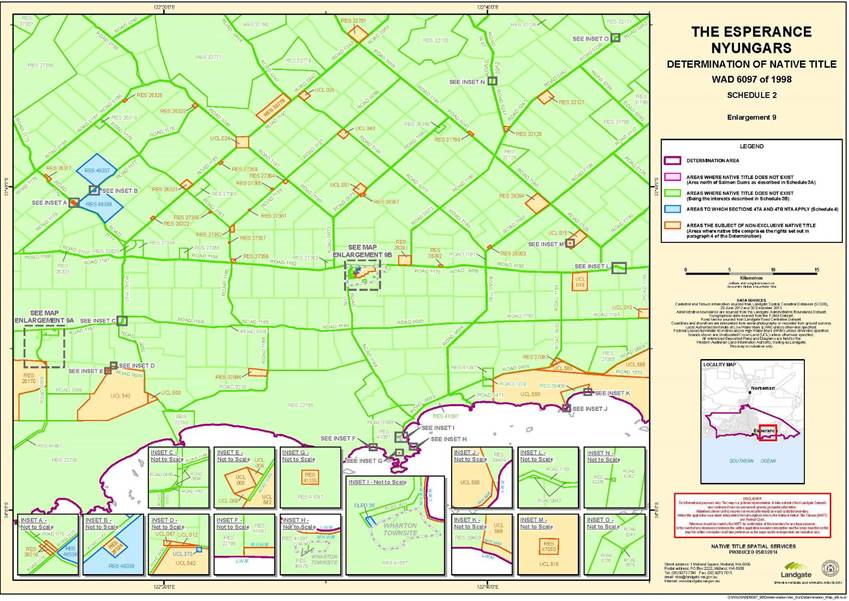
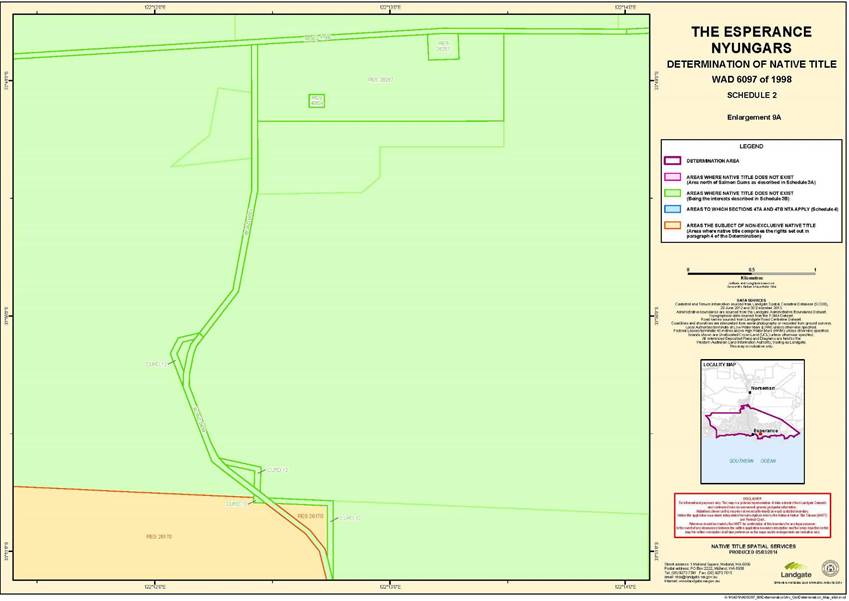
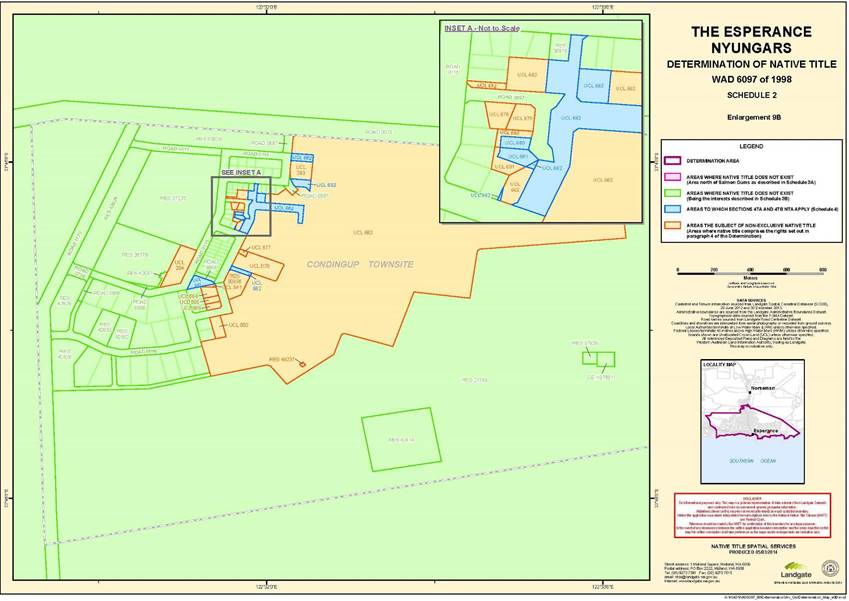
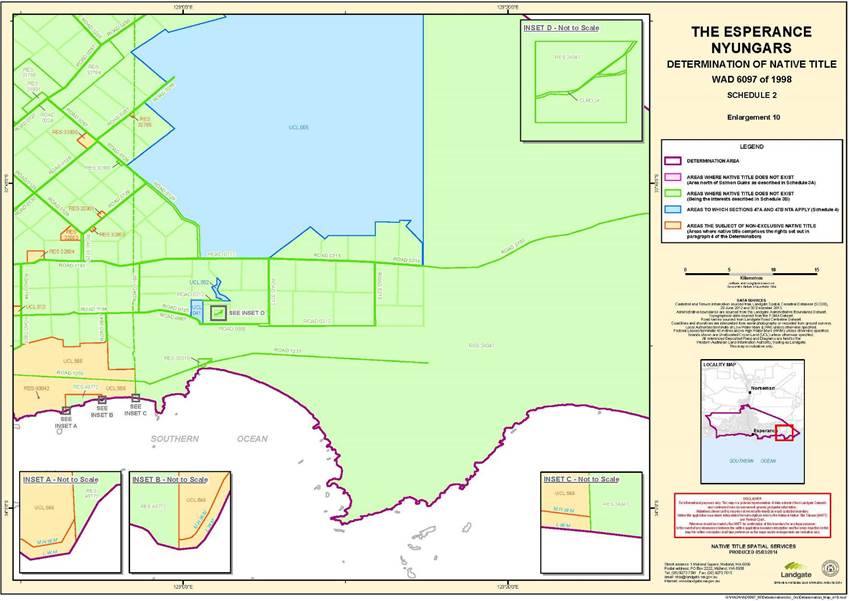
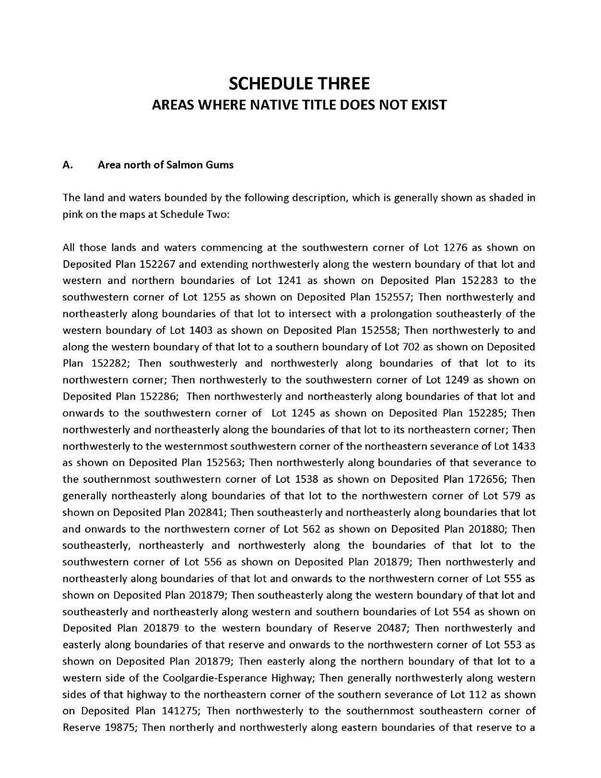
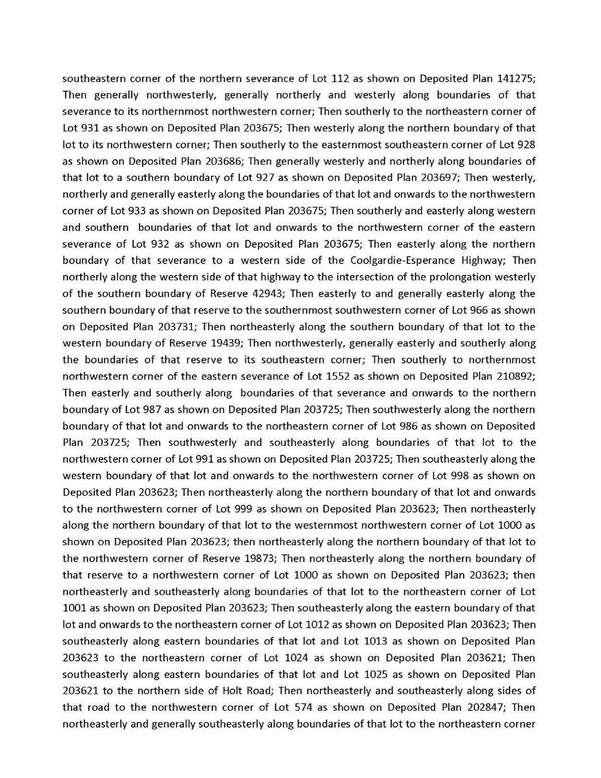
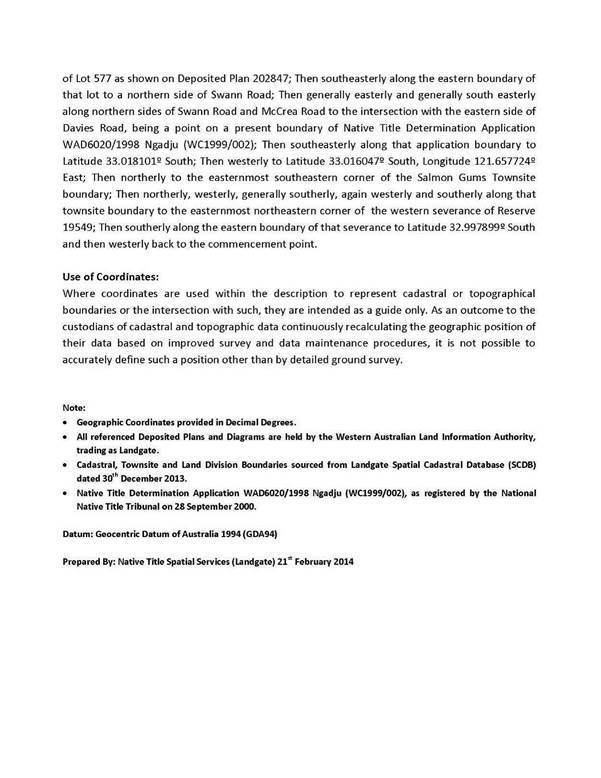
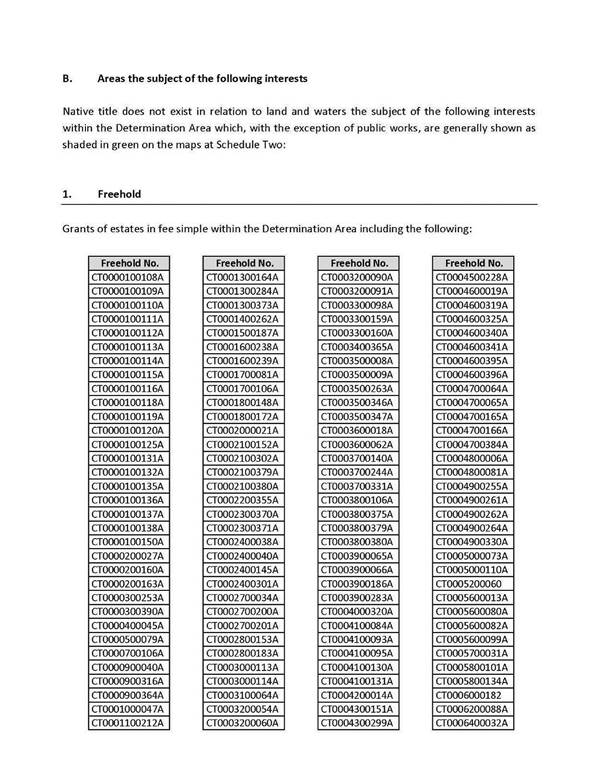
8 The external boundary of the proposed Determination Area is described in Schedule One to the Minute, which corresponds with the area of the Esperance Nyungar application. The parties agree that native title should be recognised in relation to the proposed Determination Area, except in those parts identified in Schedule Three of the Minute. The 57 maps in Schedule Two of the Minute provide a pictorial representation of the proposed Determination Area. The maps distinguish between those areas where the parties agree that native title does and does not exist.
9 One of the conditions to obtaining the State’s consent to the s 87 agreement was that there be a determination that native title does not exist in the northern part of the claim area, on the basis that the State was not satisfied that connection had been proven in respect of that area. The area in question is shaded in pink on the maps at Schedule Two to the Minute, and is more fully described in Schedule Three (A) to the Minute. The claimants agreed not to claim that this area was traditionally their country, notwithstanding the long term cultural heritage importance of that area to the group.
10 Regarding determination of a prescribed body corporate pursuant to ss 55, 56 and 57 of the Native Title Act, the Minute includes agreement that within twelve months of the date the determination is made, the common law holders of the native title rights and interests will nominate a prescribed body corporate pursuant to s 56 or s 57 of the Native Title Act. Until the nomination is made the determination of native title will not take effect and in the event that no nomination is made within twelve months of the date the determination is made, or such time as the Court may order, the matter is to be listed for further directions.
11 In addition to the requirement for the nomination of a prescribed body corporate for the determination of native title to take effect, the Minute also includes agreement that the determination will only take effect over those parts of the claim area subject of mining leases M74/169 and M74/172 once the Esperance Nyungar People Mining Validation Indigenous Land Use Agreement (Area Agreement) is registered as an Indigenous Land Use Agreement (ILUA) on the Register of Indigenous Land Use Agreements under the Native Title Act.
Assessment of connection material
12 In April 2003 a preservation evidence hearing before Justice Gyles took place in Esperance and various locations in the claim area including Bandy Creek, Twilight Beach Rockhole, Wylie Bay, Pink Lake, Frenchman's Peak, Lucky Bay, Monjinup Lake and Dalyup River Pioneer Reserve. A number of witnesses gave evidence including Allan Bullen (deceased), Betty Bullen (deceased), Linda Wicker (deceased), Phyllis Wicker, Lurlene Dawn Graham, Jean Newman/McKenzie and Gail Yorkshire-Selby.
13 Following the preservation evidence hearing the application was referred to mediation including an early neutral evaluation which was conducted by former Federal Court judge, the Hon John Lockhart QC, who considered material including the transcript of the preservation evidence, filed expert anthropological reports and submissions made by the parties. A report was provided to the parties with the evaluation in March 2004.
14 Mr Murphy’s 6 March 2014 affidavit on behalf of the State attests that in the years that followed, the applicant provided the State with a variety of connection material in support of the application and that the connection material was assessed by the State in accordance with its Guidelines for the Provision of Information in Support of Applications for a Determination of Native Title dated October 2004. In addition as Mr Murphy deposes, in March 2008 representatives of the State attended a three day on-country meeting with members of the Esperance Nyungar claim group during which further information relevant to the claimants’ connection to the land and waters was elicited from the claimants by Dr Hutchings for the applicant and Mr Robinson for the State. The meeting included site visits, the telling of Dreaming stories associated with those sites, and the performance of traditional Esperance Nyungar songs and dances.
15 It is apparent from the joint submissions and Mr Murphy’s affidavit that substantial connection material was assessed by the State which included:
(a) Expert Anthropological Report by Dr Hutchings (filed 5 August 2003, updated version filed 7 March 2014);
(b) Expert Historian's Report by Mr Craig Muller (filed 18 July 2003);
(c) Expert Historian's Report by Dr Anna Haebich, reviewing colonial and State legislation, policies and practices impacting on Aboriginal people in Western Australia (filed 30 June 2003);
(d) Expert Linguistic Report by Dr Nick Thieberger (filed 4 July 2003);
(e) Expert Archaeologist's Report by Dr Kate Morse (filed 10 July 2003);
(f) Report Esperance Nyungar Native Title Claim (WAG 6097/98) Connection Report prepared by Goldfields Land and Sea Council (provided to the State October 2005);
(g) Supplementary Anthropological Report by Dr Hutchings (provided to the State February 2007);
(h) Six witness statements by Esperance Nyungar claimants (provided to the State September 2008);
(i) Further Supplementary Anthropological Report by Dr Hutchings (provided to the State December 2008 and filed 7 March 2014);
(j) DVD and film guide of 3 day on-country meeting in March 2008;
(k) Legal submissions prepared by counsel for the applicant; and
(l) Five Supplementary Witness Statements by Esperance Nyungar claimants regarding occupation for the purposes of s 47A and s 47B of the Native Title Act (provided to the State 13 December 2013).
16 In April 2010 following completion of an assessment of the totality of the connection material the State informed the applicant that the applicant had a credible basis to enable the Court to order a consent determination of native title pursuant to s 87 of the Native Title Act. As Mr Murphy attests, the State proposed a settlement package comprising a consent determination subject to conditions including an ILUA which the applicant advised it was prepared to negotiate in June 2010. On 18 August 2010 the Court ordered that the proceeding be referred to an initial mediation conference by a Registrar of the Court and the matter remained in mediation by subsequent orders of the Court from 1 December 2010 onwards.
Connection to Country
17 The joint submissions and the two reports by Dr Hutchings provide the following information regarding the Esperance Nyungar connection to country:
(a) European settlement in the claim area initially began with the establishment of sealing and whaling colonies and later with the development of pastoralism and extensive farmland. Accounts by European explorers and early ethnographers including those of Antoine D'Entrecasteaux, Edward Eyre, John Forrest, and John Septimus Roe, record the presence of Aboriginal people in the coastal and inland regions of the Determination Area at the time of first European incursions.
(b) Ancestors of the contemporary claim group were described by researchers, including Daisy Bates in the early 1900s, Professor Norman Tindale in the 1930s and 1960s, and Carl Georg von Brandenstein in the 1970s. References to the ancestors also appear in other records from the 19th and 20th centuries including employment registers of the Dempster family (prominent pastoralists in the region), which refer in the 1880s - 1890s to several of the Esperance Nyungar ancestors including Wynbert (an ancestor of the Bullen family) and Joe Dabb (an ancestor of the Dabb family).
(c) Esperance Nyungar people’s resistance to settlement intensified during the 1870s - 1890s, but over time they gradually took an increasing role in the pastoral and agricultural economy. Settlement in the region however had a clear impact on the lives and movement of Esperance Nyungar people. During the 20th century many of them moved (or were moved) to missions outside their traditional country, and some travelled to other areas for work or schooling. Nevertheless, by returning to their country when they could, and by learning from older relatives, many Esperance Nyungar people were able to retain knowledge of and connection to their country.
(d) There is a distinct Esperance Nyungar society whose members are united in and by their observance and acknowledgement of a body of law and custom. This common legal and customary heritage covers a range of areas including language, rules about group membership, land tenure, spiritual beliefs, mythologies, totemism and food preparation. There are important elements of traditional cultural practice, law and custom that the Esperance Nyungar people share with the broader Nyungar cultural bloc. Nevertheless, Esperance Nyungar law and custom also possesses certain unique attributes that justify its recognition as a distinct Esperance Nyungar society.
(e) The geographical distribution of the tjaltjraak or tallarack tree correlates closely to the boundaries of Esperance Nyungar country. This blue-leafed mallee has special significance and is an important symbolic marker for Esperance Nyungar country.
(f) The holding and transmission of cultural knowledge is an important matter for Esperance Nyungar people. Those people entrusted with this knowledge are respected for it, and the task of safeguarding important knowledge is taken seriously. Cultural knowledge is passed on amongst both men and women.
(g) Esperance Nyungar people today maintain their connection with the claim area both through their acknowledgement and observance of traditional norms and in their physical occupation and use of the claim area and its resources.
(h) Esperance Nyungar people traditionally, and today, acquire rights and interests by demonstrating biological or adopted descent from a known Esperance Nyungar ancestor and by self-identifying and being identified by others as an Esperance Nyungar with rights and responsibilities in the claim area. This identification is consistent with the way in which the early writers have described how rights and interests in land were acquired throughout the State's south west.
(i) Importantly, the descent system under which Esperance Nyungars obtained rights and interests in country has a religious or spiritual basis. The system is based on a belief that ancestors are spiritual beings who are present in the country and in order to be safe in an area of country, an Aboriginal person needs to be related to and also known by, those ancestors. There are serious consequences for those who are not related to the spirit ancestors or though related, are not known by them. When visiting significant places on their country, Esperance Nyungar people will take the precaution of formally speaking to introduce their children to the ancestral spirits and may even ‘smoke’ the children to disguise them from potentially malevolent spiritual forces.
(j) Traditionally and today, the Esperance Nyungar people embrace mythologies that form part of their religious world view and are physically represented by sites that exist throughout the Esperance Nyungar landscape. Snakes feature prominently in the Esperance Nyungar mythologies. The Esperance Nyungar Norrun, is an important snake mythology associated with the creation and the maintenance of watercourses and bodies of water.
(k) Esperance Nyungars have spiritual beliefs about Wudartji or Mumari. In Esperance Nyungar belief, Wudartji are distinguished from other spirits as they hover between the spiritual and non-spiritual realm. As such, they have the potential to both protect children from danger but can also pull children back into the spiritual world. Wudartji can play a variety of roles, both good and wicked. They will warn people to stay away from certain special places.
(l) Members of the claimant group continue to hunt, gather and otherwise utilise the natural resources of the claim area. The nature and the range of activities which they are engaged in demonstrate a close connection with and knowledge of what the claimants regard to be their traditional country. In carrying out those activities, the claimants continue to follow what they describe as Nyungar ways. Some of the Nyungar ways of food preparation are clearly unique including preparing and cooking kangaroo.
Description of the proposed native title holders
18 An issue identified in the joint submissions is that the native title claimant group, as described in the Esperance Nyungar application, does not include two additional requirements which the applicant and State have agreed an individual must possess in order to be a native title holder.
19 The Esperance Nyungar application has not been amended since 31 March 2009. The applicant has provided evidence that an authorisation meeting was held on 20 November 2013 and 21 November 2013 for the purpose of authorising the agreement reached including the terms of the Minute. The authorisation was made by the claim group based on traditional decision making processes which by consensus authorised the agreement including the terms of the Minute.
20 The joint submissions in respect of the description of the proposed native title holders in Schedule Six of the Minute amongst other things provides:
(a) that the description accurately reflects the position as described in the connection materials;
(b) that the description captures all proposed native title holders; and
(c) that the group of proposed native title holders is, in substance, the same group as the native title claimant group described in the Esperance Nyungar application.
21 Furthermore the affidavits of Mr Rumler affirmed 7 March 2014 and Mr Wilde affirmed 7 March 2014 provide evidence that the notices advising of the authorisation meeting held on 20 November 2013 and 21 November 2013 were widely distributed; the meeting was widely represented by Esperance Nyungar people; and a resolution was passed at the authorisation meeting authorising agreement to the terms of the Minute including Schedule Six of the Minute.
22 The Court is not limited to making a determination in the form sought in the application and may proceed to make a determination in such form as it sees fit based on the evidence, provided the application is valid: Billy Patch and Others on behalf of the Birriliburu People v State of Western Australia [2008] FCA 944 (at [18]). Having considered the material it appears appropriate for the Court to make the determination sought in the Minute for the following reasons:
(a) the group of proposed native title holders is, in substance, the same group as the native title claimant group described in the Esperance Nyungar application;
(b) the description accurately reflects the position as described in the connection materials;
(c) the description captures all proposed native title holders;
(d) the claimant group authorised the terms of the Minute including the proposed native title holders in Schedule Six at an authorisation meeting which was sufficiently notified and widely represented by Esperance Nyungar People; and
(e) the State is satisfied that the proposed native title holders are the persons described in Schedule Six of the Minute.
ILUA relating to Mining Leases held by FQM
23 The fourth respondent, Ravensthorpe Nickel Operations Pty Ltd, is a wholly owned subsidiary of FQM Australia Nickel Pty Ltd (FQM).
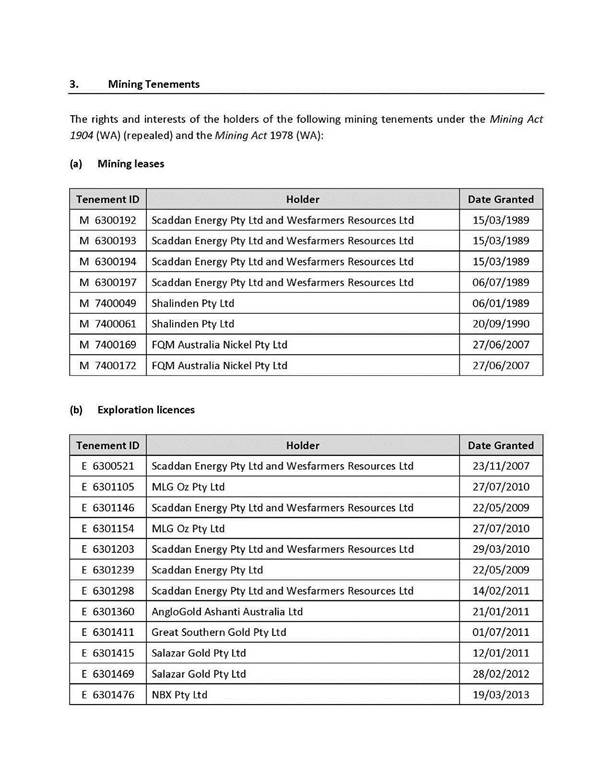
24 On 27 June 2007, the State granted two mining leases to FQM under the Mining Act 1978 (WA) in relation to the claim area, without having reached an agreement with the applicant under s 31 of the Native Title Act for that act to be done. The State claimed that because both persons comprising the applicant were deceased at the time of the grant of the mining leases, s 28(1)(b) of the Native Title Act applied, and there was, accordingly, no need to reach such an agreement before granting the mining leases. On 20 August 2010, Justice Siopis, in Bullen v State of Western Australia [2010] FCA 900, made a declaration that:
On 26 June 2007, immediately before the grant of mining leases M74/169 and M74/172, there was a registered native title claimant as defined by s 253 of the Native Title Act 1993 (Cth) in respect of the areas to which the mining leases relate.
25 The State and FQM appealed that decision, however the appeal was dismissed on 9 March 2011.
26 Through mediation convened by Federal Court Registrars, the applicant and FQM have entered into an ILUA as part of the consent determination negotiations, namely, the Esperance Nyungar People Mining Validation Indigenous Land Use Agreement (Area Agreement). The ILUA relates to the claim area subject to mining leases M74/169 and M74/172 and the proposed determination will only take effect over these areas once the Esperance Nyungar People Mining Validation Indigenous Land Use Agreement (Area Agreement) is registered as an ILUA on the Register of Indigenous Land Use Agreements under the Native Title Act.
Nomination of Prescribed Body Corporate
27 As noted, the Minute includes agreement that a prescribed body corporate pursuant to ss 55, 56 and 57 of the Native Title Act will be nominated by the common law holders within twelve months of the date the determination is made. Order 2 of the Minute requires that until a determination of the prescribed body corporate is made, the determination of native title will not take effect. In the event that no nomination is made within twelve months of the date the determination is made, or such time as the Court may order, the matter is to be listed for further directions.
28 As observed in WF (Deceased) on behalf of the Wiluna People v State of Western Australia [2013] FCA 755 (at [20]), the delay in giving effect to a determination of native title because of the delay in determining the prescribed body corporate is not an ideal situation. Notwithstanding this, based on the agreement reached as reflected in the Minute and the joint submissions, the Court will make the orders accordingly.
Requirements pursuant to s 87 Native Title Act
29 The joint submissions seek that a determination of native title should be made pursuant to s 87 of the Native Title Act. Section 87 of the Native Title Act provides, in effect, that the Court may make a determination of native title by consent over an area covered by a native title application without holding a hearing where:
(a) the period specified in the notice given under s 66 of the Native Title Act has ended and an agreement has been reached regarding the proceeding or part of the proceeding (s 87(1)(a));
(b) the terms of an agreement, in writing signed by or on behalf of the parties, are filed with the Court (s 87(1)(b));
(c) the Court is satisfied that an order in, or consistent with, those terms would be within the power of the Court (s 87(1)(c)); and
(d) it appears appropriate to the Court to make the orders sought (s 87(1A) and s 87(2)).
30 Regarding these requirements, pursuant to s 87(1) of the Native Title Act, the notification period ended on 15 December 1996. The Minute reflecting the agreement reached for a proposed determination has been filed in the Court, is in writing and is signed on behalf of the parties to the application (s 87(1)(b) of the Native Title Act). The agreement for a proposed determination is in relation to the land and waters claimed in the Esperance Nyungar application (s 87(1)(a)).
31 The orders sought in the Minute of Proposed Consent Determination of Native Title are consistent with the terms of the agreement pursuant to s 87(1)(c) of the Native Title Act for the following reasons:
(a) the proposed determination complies with s 94A and s 225 of the Native Title Act;
(b) the Esperance Nyungar application pursuant to s 251B of the Native Title Act is validly made having been authorised by the native title claimant group according to a decision-making process that, under the traditional laws and customs, authorised the applicant in to make the application.
(c) as required by s 61A(1) of the Native Title Act the Esperance Nyungar Application is for a determination of native title in relation to an area for which there is no approved determination of native title; and
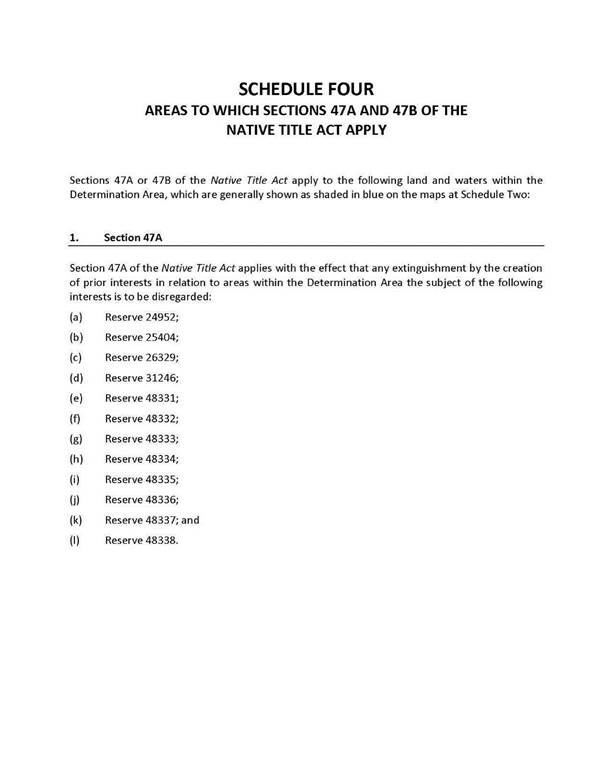
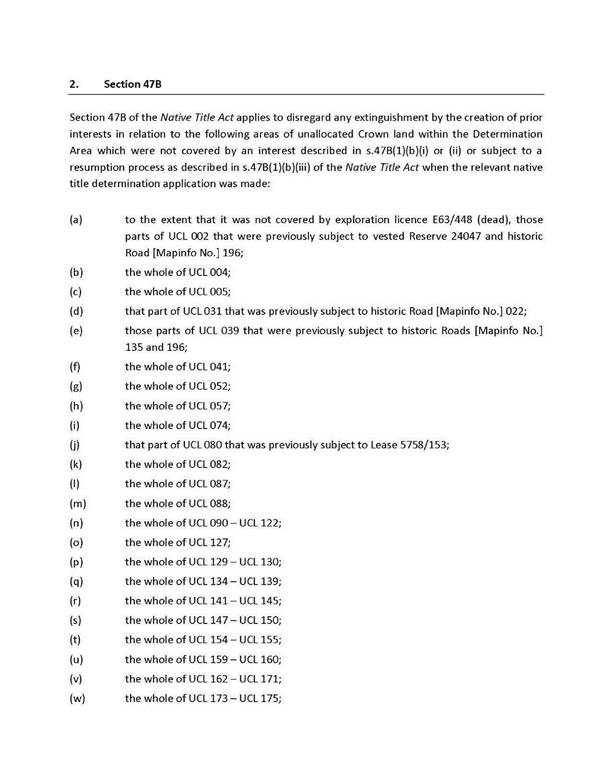
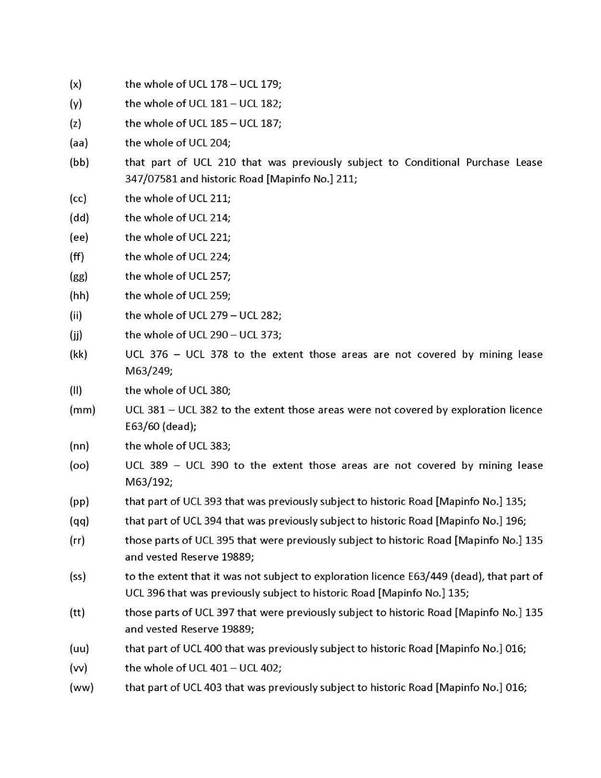
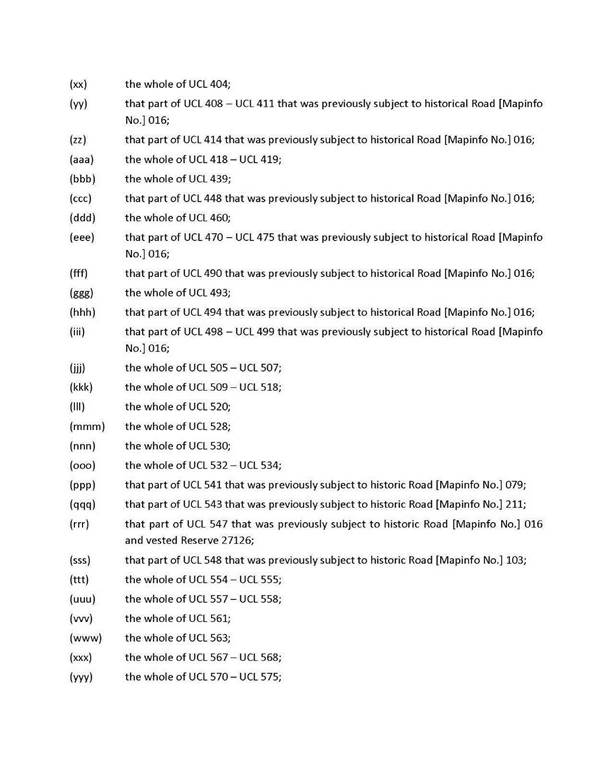
(d) the parties agree that the pre-conditions for the application of s 47A and s 47B have been met in relation to the land described in Schedule 4 of the Minute, with the result that any extinguishment of native title in relation to those areas must be disregarded in accordance with those provisions.
32 The Court’s focus in considering the appropriateness of the orders sought is on the making of the agreement by the parties: Lander v State of South Australia [2012] FCA 427 (at [11]). This is because the Native Title Act is designed to encourage parties to take responsibility for resolving proceedings without the need for litigation. When the Court is examining the appropriateness of an agreement, it is not required to examine whether the agreement is grounded on a factual basis which would satisfy the Court at a hearing of the application. Rather the primary consideration of the Court is to determine whether there is an agreement and whether it was freely entered into on an informed basis: Hughes (on behalf of the Eastern Guruma People) v State of Western Australia [2007] FCA 365 (at [9]).
33 In Nelson v Northern Territory of Australia [2010] FCA 1343 his Honour Justice Reeves agreed with the reasoning of Justice North in Lovett on behalf of the Gunditjmara People v State of Victoria [2007] FCA 474 relating to significantly less material being necessary to satisfy a State party of a credible basis for an application than a judicial determination. In particular his Honour commented (at [13]) that ‘it would be perverse to replace a trial before the Court with a trial conducted by the State party respondent and I do not consider that is what is intended by the provisions of s 87 of the Act’.
34 Therefore it is not necessary for the Court to embark on its own full inquiry as to the merits of the claim made in the application to be satisfied that the orders sought are supportable and in accordance with the law: Cox on behalf of the Yungngora People v State of Western Australia [2007] FCA 588 (at [3]) per Justice French. However the Court may consider evidence for the limited purpose of being satisfied that the State is acting in good faith and rationally: Munn for and on behalf of the Gunggari People v Queensland (2001) 115 FCR 109 (at [29]-[30]) per Justice Emmett.
35 In relation to the Esperance Nyungar Application, all parties have been legally represented throughout the mediation process which, since August 2010, has been convened by Registrars of the Court. In particular, the State has played an active role in the negotiation of the proposed determination, an important factor also referred to by Justice Emmett in Munn (at [29]). In doing so, the State acting on behalf of the community generally, having regard to the requirements of the Native Title Act and having conducted a rigorous assessment process, has satisfied itself that the proposed determination is justified in all the circumstances.
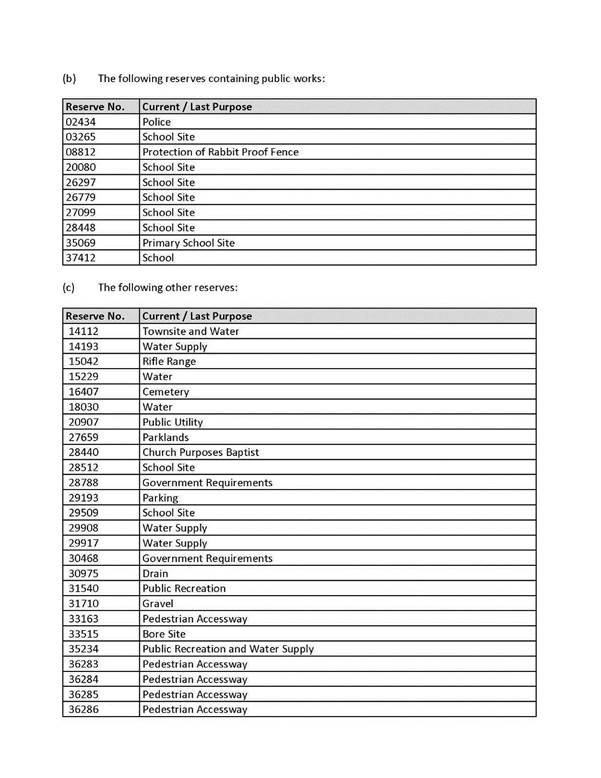
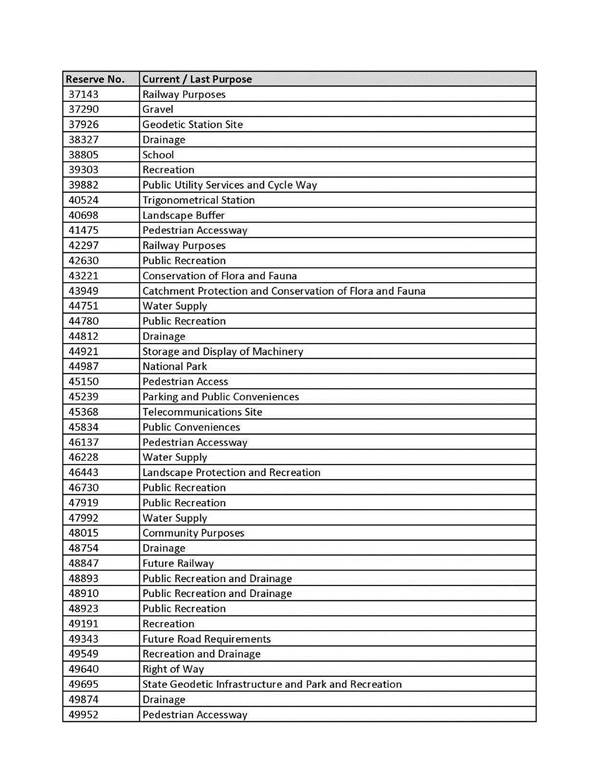
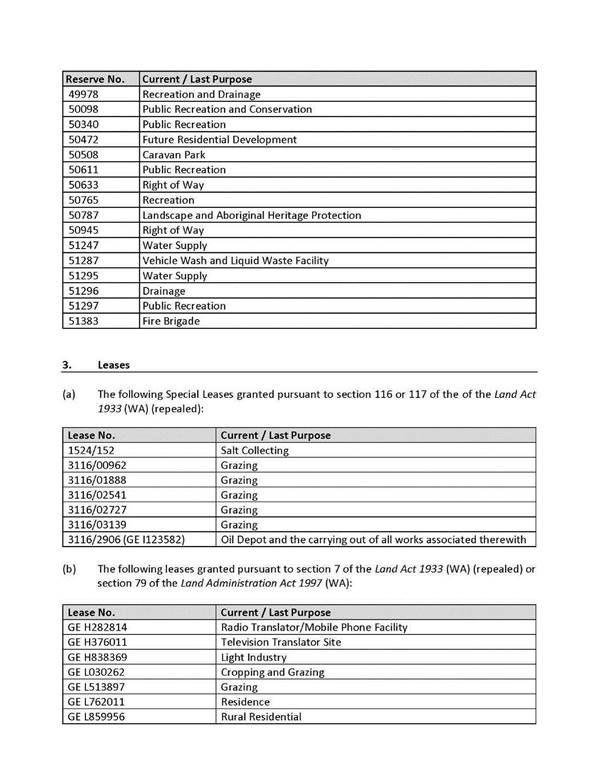
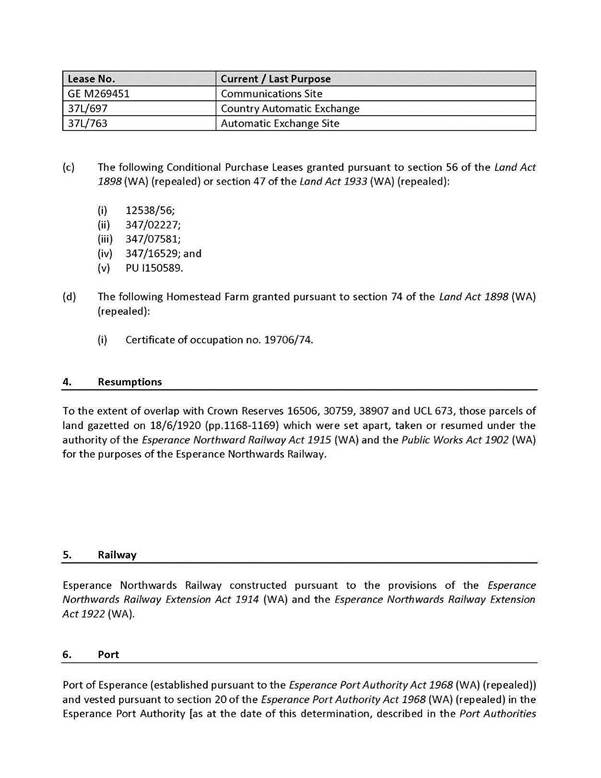
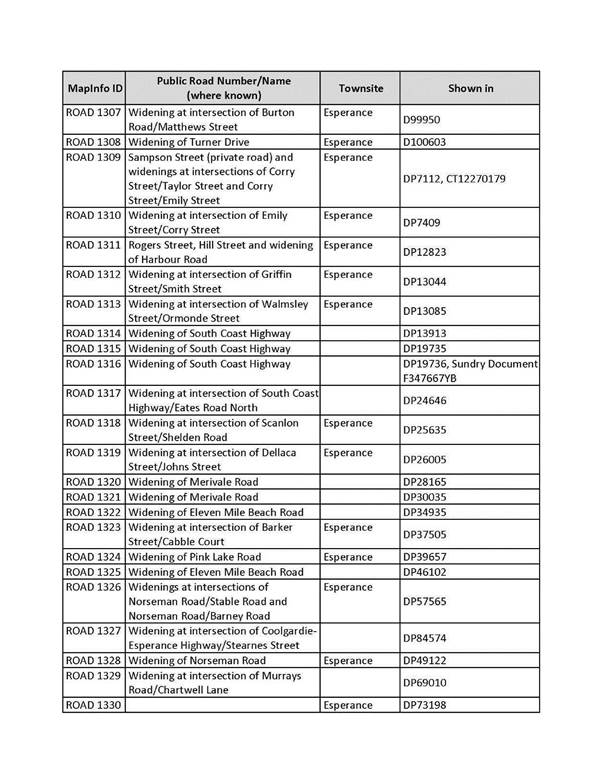
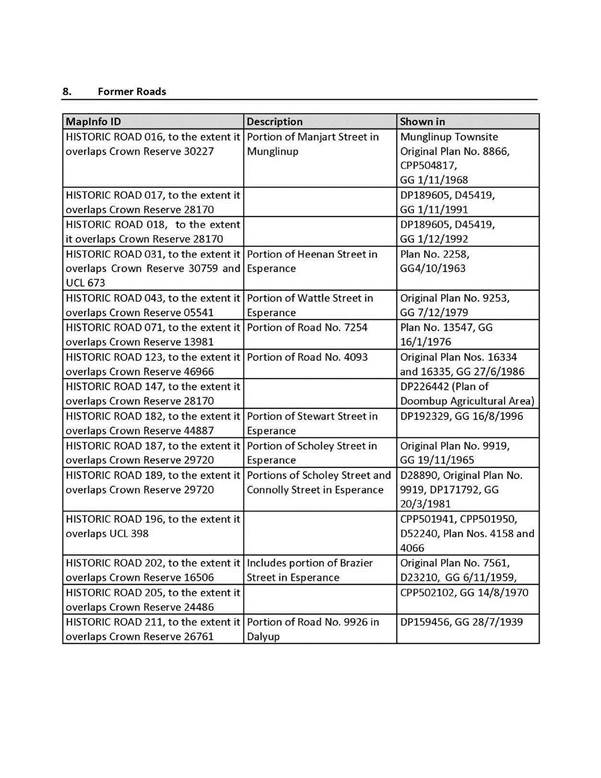
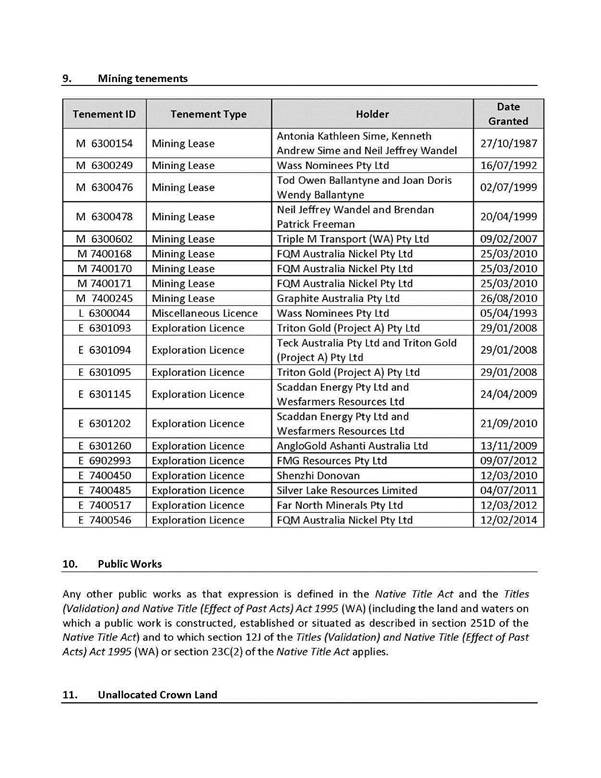
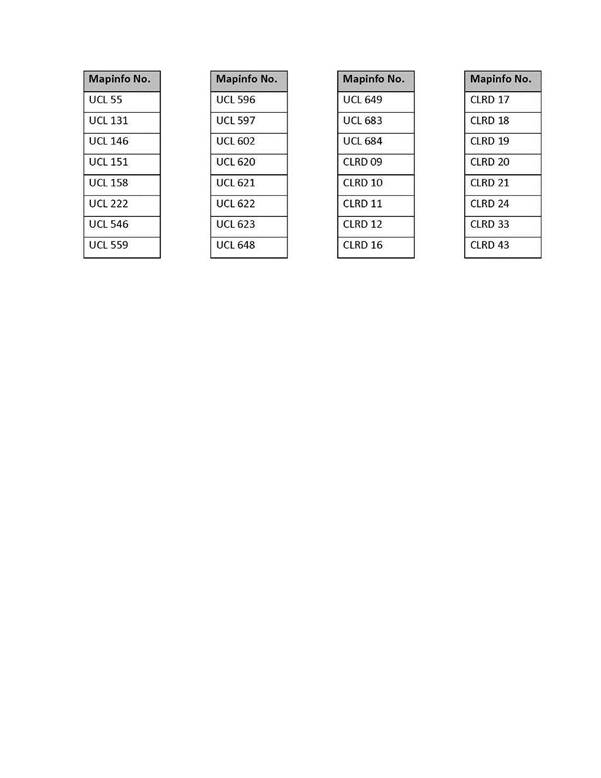
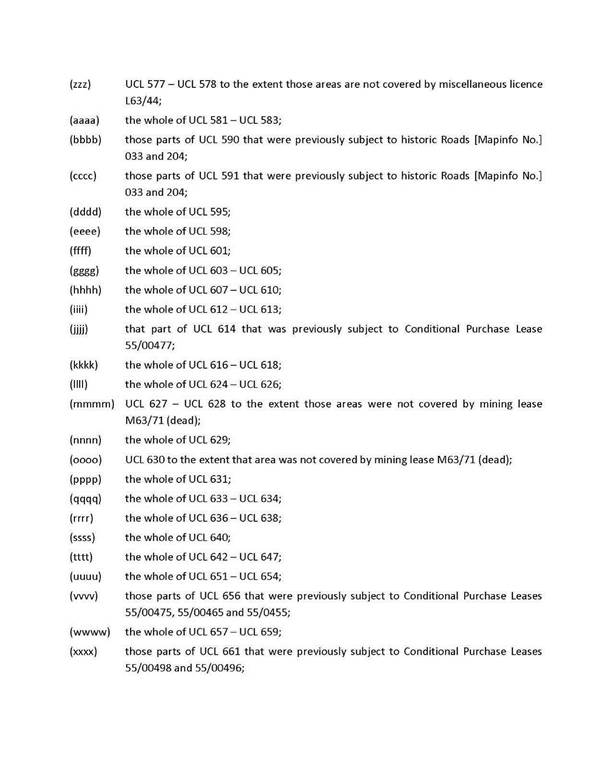
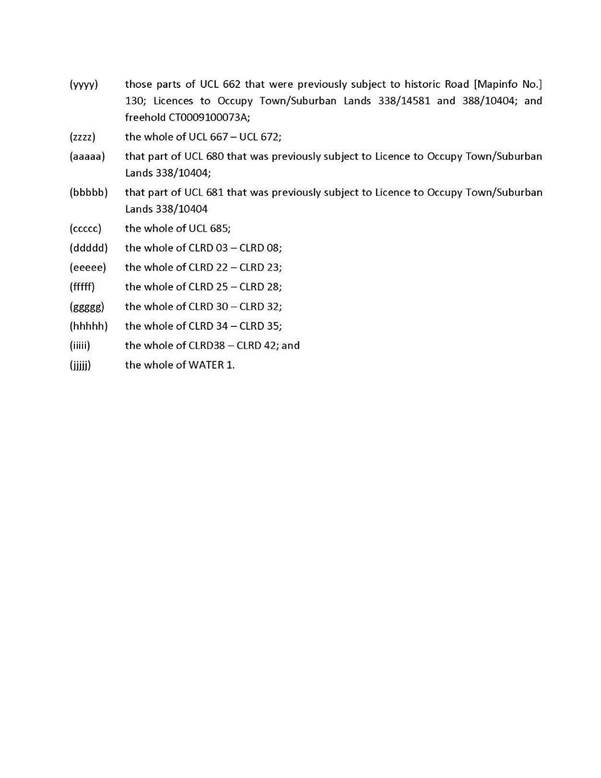
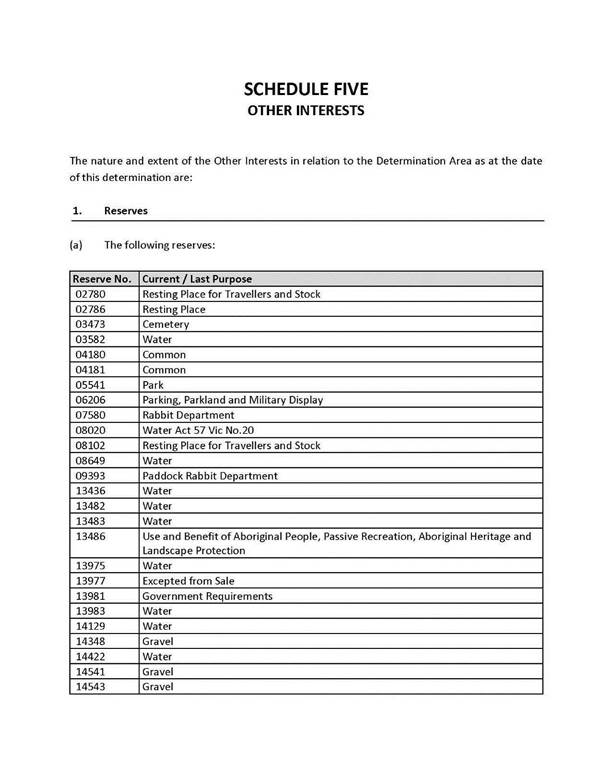
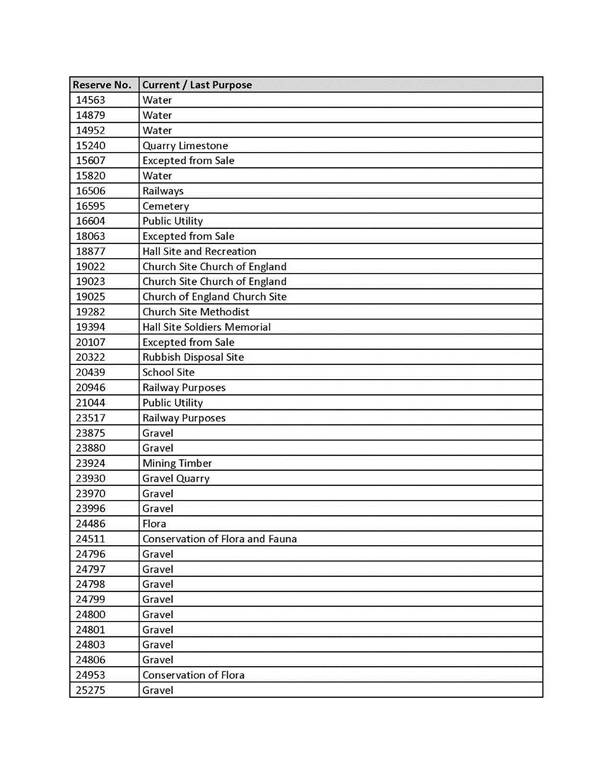
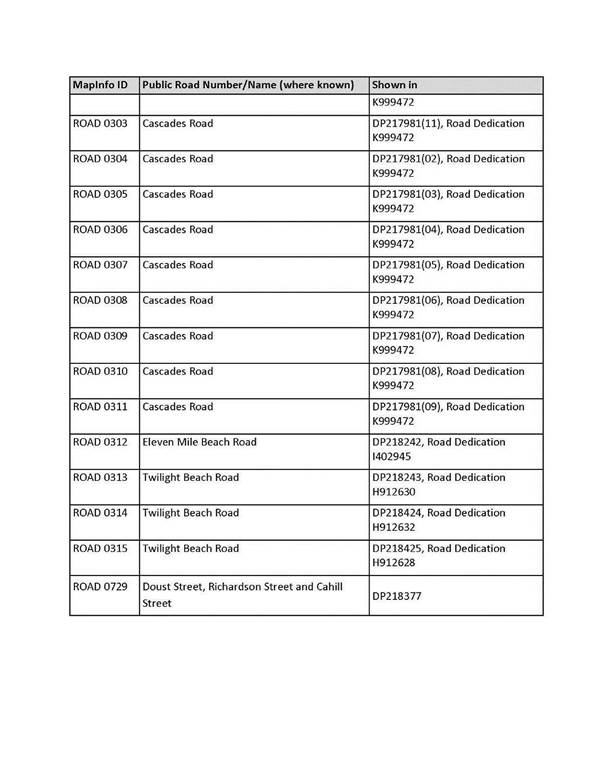
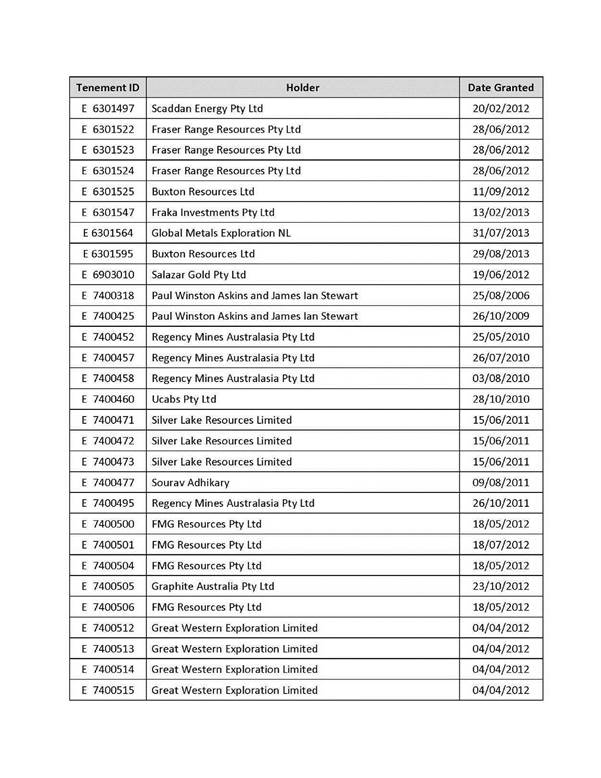
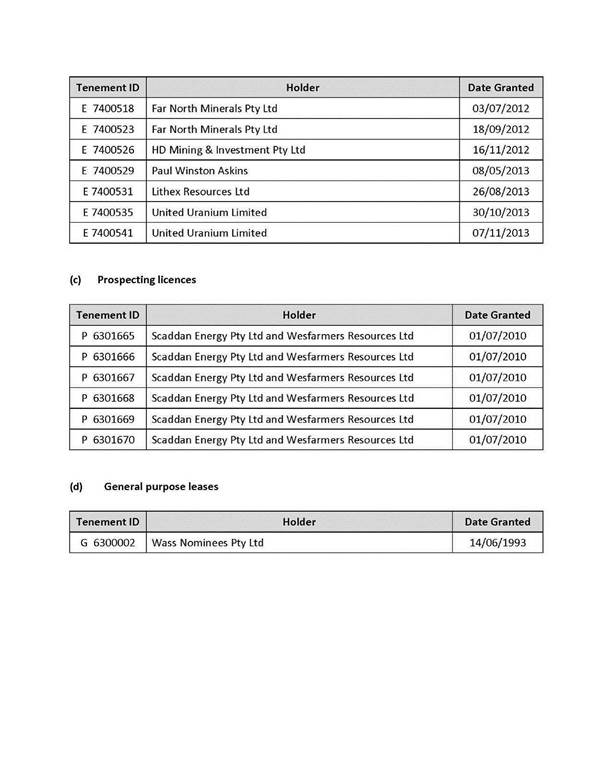
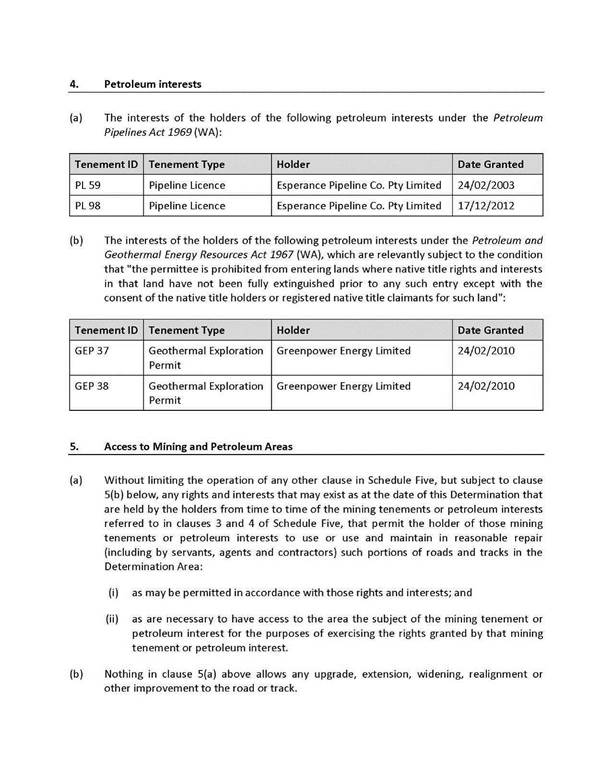
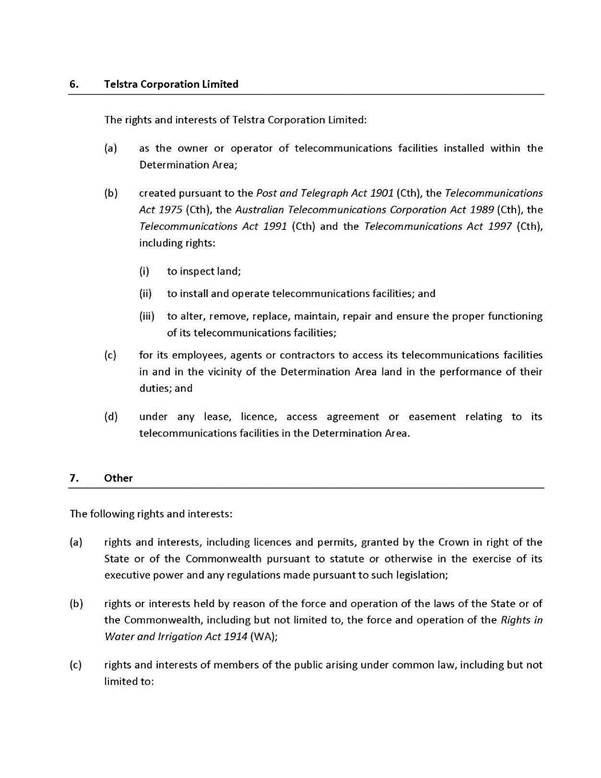
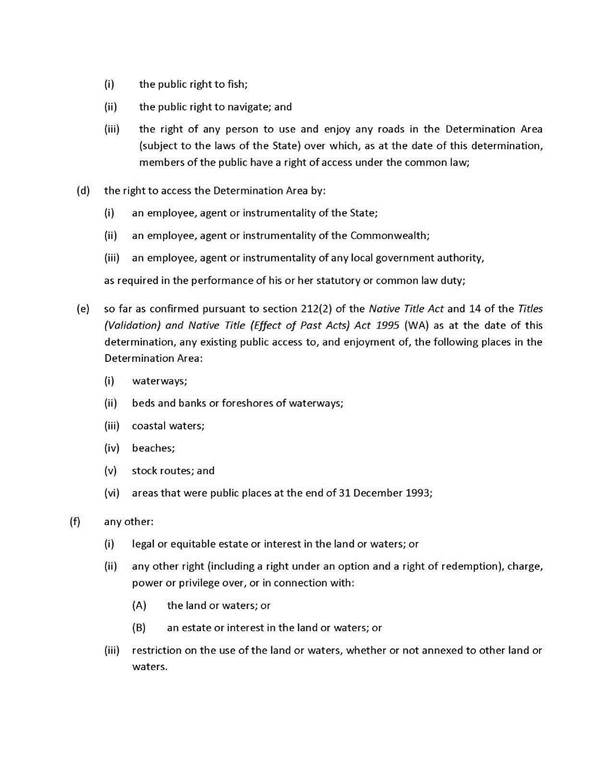
36 The State has conducted searches of land tenure, mining and petroleum registries to determine the extent of ‘other interests’ (s 225(c) of the Native Title Act) within the proposed Determination Area, and those interests are included in the proposed determination, as outlined in Schedule Five to the Minute.
37 The Court is satisfied that pursuant to s 87 of the Native Title Act, it is appropriate to make the orders sought by the parties in the Minute. The Court is satisfied that the agreement reached by the parties as reflected in the Minute has been freely entered into on an informed basis. In particular the State has played an active role in the negotiation of the proposed determination in mediation and has acted in good faith and rationally.
Mediation of the proceeding
38 The Native Title Act encourages the resolution of proceedings by agreement. This application has been in mediation convened by Registrars of the Court since August 2010 and the agreement reached includes both a proposed determination of native title and various ILUAs. There is no doubt that the successful mediation of this application has required not only the commitment of Registrars of the Court but significantly the commitment of all parties, particularly the applicant and State of Western Australia, to resolve the proceedings without the need for litigation.
39 In December 2013 when this application was before the Court for a directions hearing, an order was made listing this proceeding for a consent determination on 14 March 2014. The order was made based on a joint report by the applicant and State which attached a timetable for consent determination detailing the steps and timeframes to reach a determination by 14 March 2014. The timetable required a steadfast focus and commitment to the determination date and it is evident that this has been achieved by the parties. The applicant, the State, the non-State respondent parties, legal representatives and all those involved in assisting the successful mediation of this application are congratulated.
40 It is also pertinent to note s 37M of the Federal Court of Australia Act 1976 (Cth) which provides that the overarching purpose of civil practice and procedure is to facilitate the just resolution of disputes according to law and as quickly, inexpensively and efficiently as possible. The parties seek the proposed determination by consent, without undertaking the significant expense of litigation, and adhering to the overarching purpose of s 37M of the Federal Court of Australia Act 1976 (Cth). By seeking the proposed determination by consent, parties have also acted consistent with the overarching purpose of civil practice and procedure as required by s 37N of the Federal Court of Australia Act 1976 (Cth). The result is that this application will be efficiently resolved in a timely manner according to the law.
CONCLUSION
41 By signing the Minute all other parties to the proceeding have indicated their agreement and their involvement is not to be forgotten. In the circumstances the Court considers it appropriate to make the determination of native title in the terms proposed. It is significant to note that in making a determination of native title, the Court is recognising what has always existed. Additionally, the nature of the determination recognises not just the rights of the applicant but how the rights operate in relation to other interests, including those of the respondents with whom agreement has been reached.
42 For these reasons I make the orders in the terms of the Minute submitted to the Court being satisfied that the proposed determination is both within power and appropriate.
| I certify that the preceding forty-two (42) numbered paragraphs are a true copy of the Reasons for Judgment herein of the Honourable Justice McKerracher. |
Associate:


