FEDERAL COURT OF AUSTRALIA
Zippo Manufacturing Co v Jaxlawn Pty Ltd [2011] FCA 1125
IN THE FEDERAL COURT OF AUSTRALIA | |
| Applicant | |
AND: | JAXLAWN PTY LTD (ACN 010 757 123) Respondent |
DATE OF ORDER: | |
WHERE MADE: |
THE COURT DECLARES THAT:
1. The Respondent, whether by itself, its directors, officers, employees or agents or otherwise, has by its importation of the goods identified in the two letters from the Australian Customs and Border Protection Service dated 21 June 2010 addressed to Watermark Intellectual Property Lawyers (the Imported Goods) engaged in conduct that infringed each of the Registered Zippo Word Trade Marks, the Registered Zippo Logo Trade Mark and the Registered Zippo Shape Trade Mark listed in Annexure A to these Orders.
AND THE COURT ORDERS THAT:
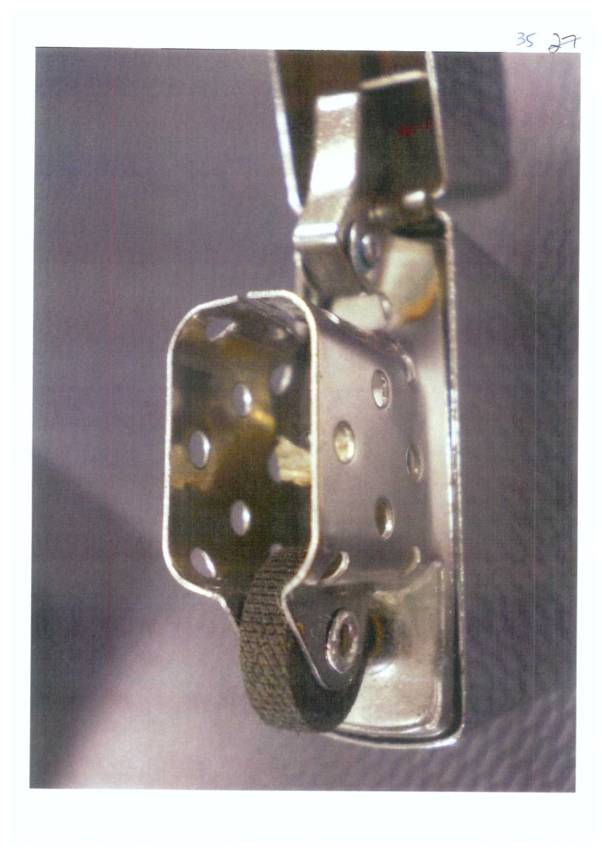
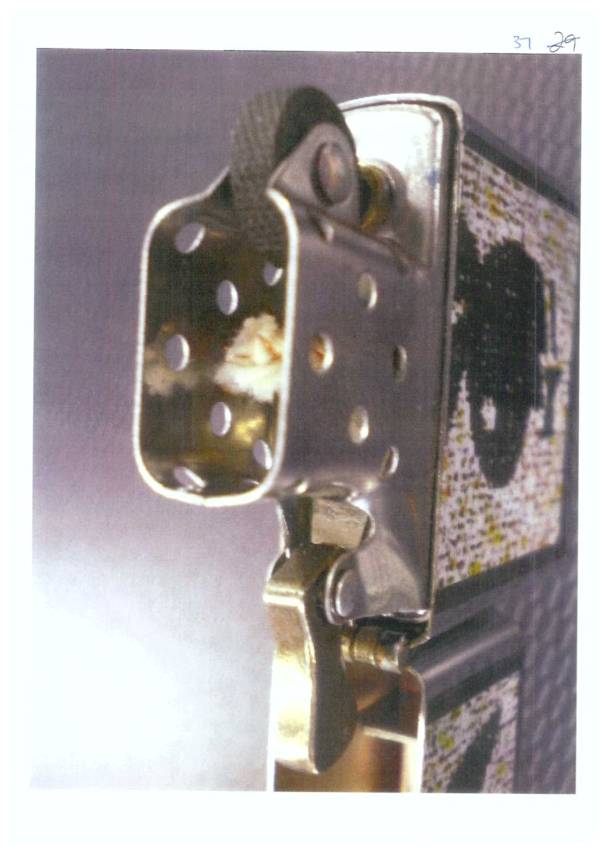
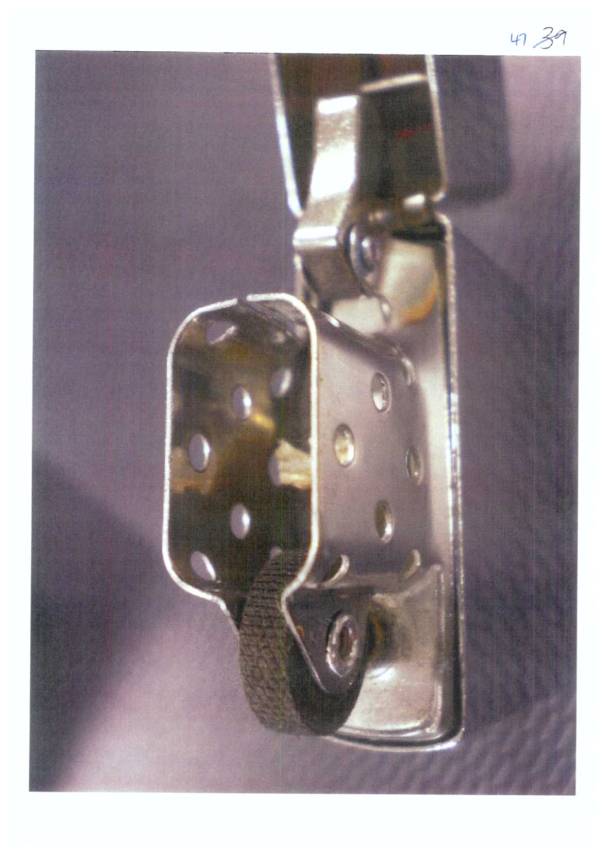
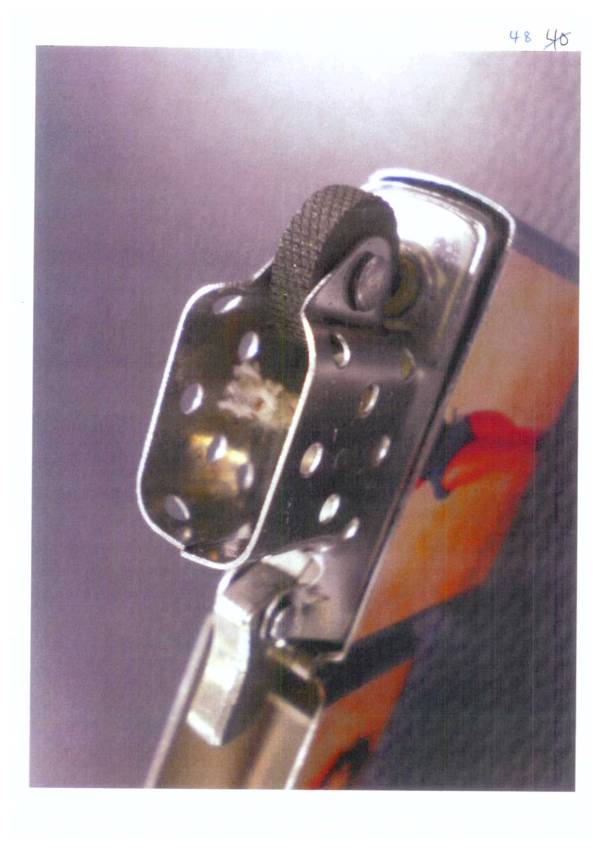
2. The proceeding be reinstated.
3. Pursuant to r 26.01 of the Federal Court Rules 2011, judgment be entered against the Respondent.
4. The Respondent, whether by itself, its servants, agents or howsoever otherwise be restrained from importing, selling, offering for sale, supplying, displaying, advertising, promoting any lighters or accessories (or goods of the same description):
(a) under and by reference to the Registered Zippo Word Trade Marks or any substantially identical or deceptively similar trade mark;
(b) under and by reference to the Registered Zippo Logo Trade Mark or any substantially identical or deceptively similar trade mark; or
(c) having the shape the subject of the Registered Zippo Shape Trade Mark or any substantially identical or deceptively similar shape.
5. The Respondent deliver up on oath to the solicitors for the Applicant all stocks of Imported Goods, packaging or printed matter and all advertising and promotional material used or intended to be used in the sale and promotion of those products in the possession, custody or control of the Respondent, the use of which would offend against the injunction in paragraph 4 above.
6. There be an inquiry into damages suffered by the Applicant or an inquiry into the profits made by the Respondent in respect of the conduct the subject matter of this proceeding and that the Respondent pay to the Applicant any such amount determined in that inquiry.
7. Within 14 days of the date of this Order, the Respondent file and serve an affidavit disclosing each and every importation of goods falling within the undertaking given to the Court on 13 August 2010 which occurred in the period four years prior to the date of this Order and, for each such importation, include:
(a) the name and address of the entity from which it purchased those goods;
(b) copies of purchase documents relating to the purchase of those goods; and
(c) a description of the goods in each shipment.
8. The goods referred to in paragraph 24 of the Affidavit of Robynne Lyndsay Sanders sworn on 5 September 2011 as the “Second Shipment of Seized Goods” presently held by the Chief Executive Officer of the Australian Customs Services be delivered to the solicitors for the Applicant.
9. The Respondent pay the Applicant’s taxed costs of the Interlocutory Application, such costs to be paid on an indemnity basis.
10. The Respondent pay the Applicant’s taxed costs of the proceeding (other than the costs covered by Order 9).
Note: Entry of orders is dealt with in Rule 39.32 of the Federal Court Rules 2011.
ANNEXURE A
1. Trade marks for the word “ZIPPO” in respect of the following goods:
Trade Mark Number | Class |
92309 | Class 34: Cigar and cigarette lighters. |
538008 | Class 18: Products made from leather or imitation leather, wallets, bags, and all other goods in this class. |
594069 | Class 11: Lighters, goods and devices for lighting barbeques. |
603699 | Class 11: All goods in class 11; flashlights and torches. |
899227 | Class 34: Smokers’ articles including cigarette papers and cigarette filters. |
975994 | Class 18: Smokers’ requisites, matches. |
(the Registered Zippo Word Trade Marks).
2. The trade mark 1021077 for the following stylised version of the word “ZIPPO” in respect of the following goods:
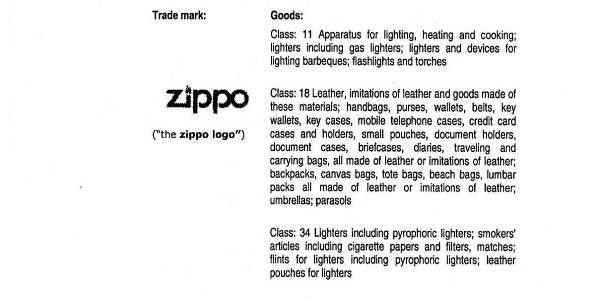
(the Registered Zippo Logo Trade Mark).
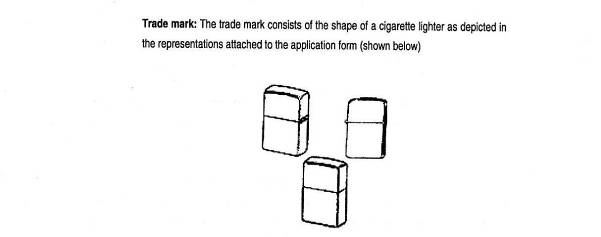
3. The trade mark 904846 for the shape of a cigarette lighter shown below:
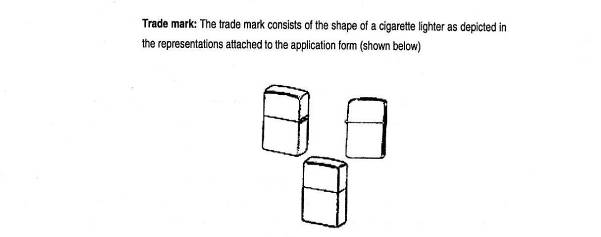
(the Registered Zippo Shape Trade Mark).
VICTORIA DISTRICT REGISTRY | |
GENERAL DIVISION | VID 601 of 2010 |
BETWEEN: | ZIPPO MANUFACTURING CO Applicant
|
AND: | JAXLAWN PTY LTD (ACN 010 757 123) Respondent
|
JUDGE: | GORDON J |
DATE: | 29 SEPTEMBER 2011 |
PLACE: | MELBOURNE |
REASONS FOR JUDGMENT
INTRODUCTION
1 Zippo Manufacturing Co (Zippo) is the owner of the following trade marks in respect of various smokers’ articles, including cigarette, cigar and tobacco pipe lighters:
1. the trade marks for the word “ZIPPO” in respect of the following goods:
Trade Mark Number | Class |
92309 | Class 34: Cigar and cigarette lighters. |
538008 | Class 18: Products made from leather or imitation leather, wallets, bags, and all other goods in this class. |
594069 | Class 11: Lighters, goods and devices for lighting barbeques. |
603699 | Class 11: All goods in class 11; flashlights and torches. |
899227 | Class 34: Smokers’ articles including cigarette papers and cigarette filters. |
975994 | Class 18: Smokers’ requisites, matches. |
(the Registered Zippo Word Trade Marks).
2. the trade mark 1016905 for the following stylised version of the word “ZIPPO” in class 11, 18 and 34 in respect of the following goods:
(the Registered Zippo Logo Trade Mark).
3. the trade mark 904846 for the shape of a lighter shown below:
(the Registered Zippo Shape Trade Mark).
2 On 22 July 2010, Zippo filed an application against Jaxlawn Pty Ltd (ACN 010 757 123) (Jaxlawn) for alleged breaches of the Trade Marks Act 1995 (Cth) (the Trade Marks Act) and alleged conduct contrary to ss 52 and 53(a), (c) and (d) of the Trade Practices Act 1974 (Cth) (the TPA). The proceeding concerned a shipment of goods seized by the Chief Executive Officer of Australian Customs (Customs) on 21 June 2010 (the First Shipment of Seized Goods). The proceeding was listed for 13 August 2010.
3 Shortly prior to 13 August 2010, the parties exchanged terms of settlement to resolve the proceeding (the Deed of Settlement). The counterparts of the Deed of Settlement were signed on or before 16 November 2010. The Deed of Settlement provided, inter alia, that Zippo would compromise the proceedings subject to Jaxlawn complying with undertakings not to repeat the infringing conduct the subject of the proceedings. Further, in cl 1.1(c) of the Deed of Settlement, Jaxlawn agreed that it would cease from importing, retailing, distributing, promoting for sale, offering, displaying, advertising, selling and supplying:
any lighters having the shape the subject of Australian Trade Mark No. 904846 or any shape that is substantially identical or deceptively similar to that shape…
4 On 13 August 2010, by consent of the parties, Jaxlawn gave certain undertakings to refrain from importing any infringing goods in the future (the Undertakings) and the Court ordered, by consent, that the First Shipment of Seized Goods be forfeited, that the proceeding be discontinued with a right of reinstatement and there be no order as to costs.
5 On 17 June 2011, Zippo’s solicitors received an email from Customs enclosing photographs of products allegedly imported by Jaxlawn that Customs believed may have infringed Zippo’s rights (the Second Shipment of Seized Goods). Customs requested Zippo’s solicitors to advise whether or not the products were infringing. After receiving additional photographs of the Second Shipment of Seized Goods, Zippo’s solicitors formed the view that the Second Shipment of Seized Goods were within the scope of the Registered Zippo Shape Trade Mark. Zippo’s solicitors received instructions from Zippo that it had formed the view that the Second Shipment of Seized Goods were not licensed or authorised by Zippo. Zippo’s solicitors communicated with Customs and subsequently Jaxlawn agreed to forfeit the goods.
6 By way of an interlocutory application filed on 9 September 2011, Zippo sought the following orders (the Proposed Orders):
1. The proceeding be reinstated.
2. Pursuant to r 26.01 of the Federal Court Rules 2011 or otherwise judgment be entered against Jaxlawn.
3. A declaration that Jaxlawn, whether by itself, its directors, officers, employees or agents or otherwise, has by its importation of the goods identified in the two letters from Customs dated 21 June 2010 addressed to Watermark Intellectual Property Lawyers (the Imported Goods):
(a) engaged in, or alternatively threatened to engage in, conduct that infringes each of the Registered Zippo Word Trade Marks, Registered Zippo Logo Trade Mark and Registered Zippo Shape Trade Mark;
(b) threatened to engage in conduct contrary to ss 52 and 53(a) (c) and (d) of the TPA; and
(c) threatened to wrongfully pass off the Imported Goods as products made or otherwise originating or associated with Zippo.
4. An injunction restraining Jaxlawn, whether by itself, its servants, agents or howsoever otherwise from importing, selling, offering for sale, supplying, displaying, advertising, promoting any lighters or accessories (or goods of the same description):
(a) under and by reference to the Registered Zippo Word Trade Marks or any substantially identical or deceptively similar trade mark;
(b) under and by reference to the Registered Zippo Logo Trade Mark or any substantially identical or deceptively similar trade mark; or
(c) having the shape the subject of the Registered Zippo Shape Trade Mark or any substantially identical or deceptively similar shape.
5. There be an inquiry into damages suffered by Zippo or an inquiry into the profits made by Jaxlawn in respect of the conduct the subject matter of the proceeding and that Jaxlawn pay to Zippo any such amount determined in that inquiry.
6. Within 14 days of the date of this Order, Jaxlawn make file and serve an affidavit disclosing each and every importation of goods falling within the Undertakings which occurred in the period six years prior to the date of this order and, for each such importation, including the following (a) the name and address of the entity from which it purchased those goods; (b) copies of purchase documents relating to the purchase of those goods; and (c) a description of the goods in each shipment.
7. The goods referred to in paragraph 24 of the Affidavit of Robynne Lyndsay Sanders sworn on 5 September 2011 as the “Second Shipment of Seized Goods” presently held by Customs be delivered to the solicitors for Zippo.
8. Jaxlawn pay Zippo’s indemnity costs of the proceeding and of this Interlocutory Application.
7 Jaxlawn was served with a copy of the Interlocutory Application and the affidavit in support of that application. A representative of Jaxlawn contacted the Court and informed the Court that it would not be defending the application. Jaxlawn did not appear at the hearing of the Interlocutory Application. I will deal with each order / declaration in turn.
Paragraph 1 of the Proposed Orders: application for reinstatement of the proceedings
8 The Court may reinstate the proceedings as an alternative to Zippo instituting separate proceedings dealing with these issues. The Court is not seeking to overturn a previous order because paragraph 3 of the Orders made on 13 August 2010 expressly provided a right of reinstatement: cf Sharbutt v Supatech Holdings Pty Ltd [2010] FCA 957. Zippo seeks to exercise that right. The Deed of Settlement provided (at cl 4.1) that any release was subject to Jaxlawn complying with its obligations and expressly stated that if any term was breached then Zippo had the right to commence or reinstate proceedings against Jaxlawn.
9 It is therefore necessary to consider whether Jaxlawn breached the Deed of Settlement. As noted earlier, under cl 1.1(c) of the Deed of Settlement, Jaxlawn agreed that it would cease dealing with:
… any lighters having the shape the subject of Australian Trade Mark No. 904846 or any shape that is substantially identical or deceptively similar to that shape.
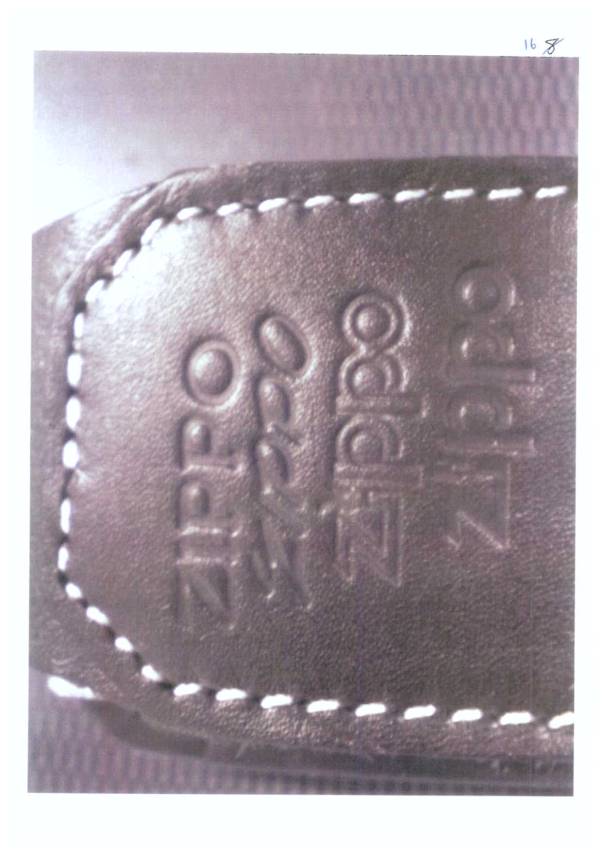
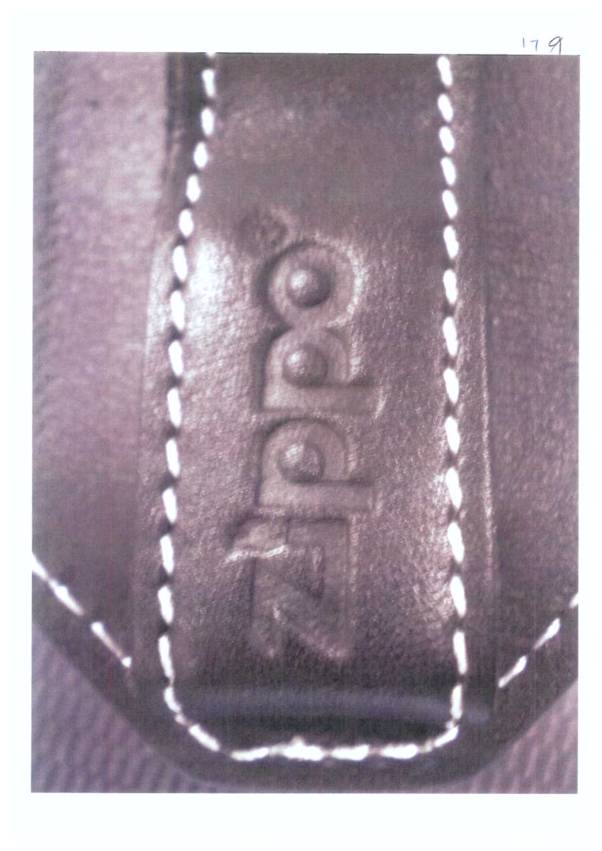
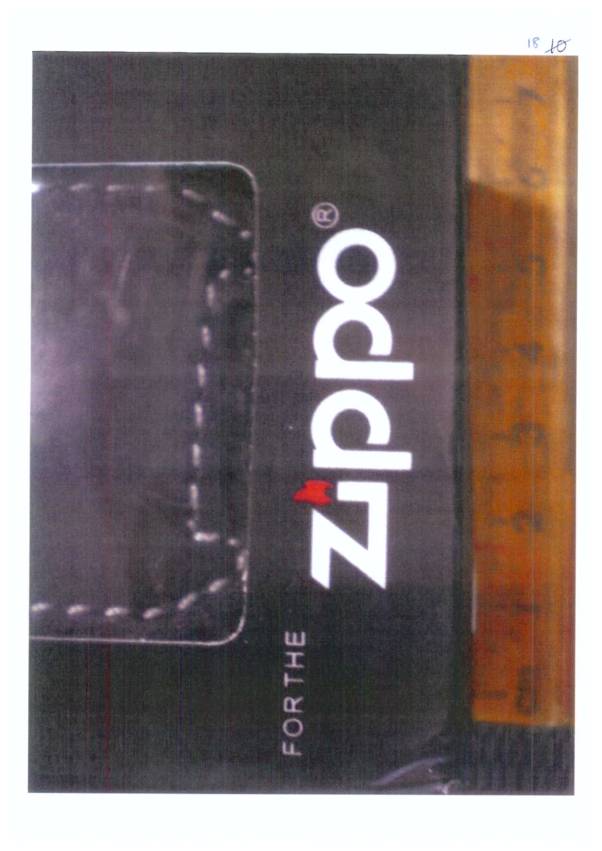
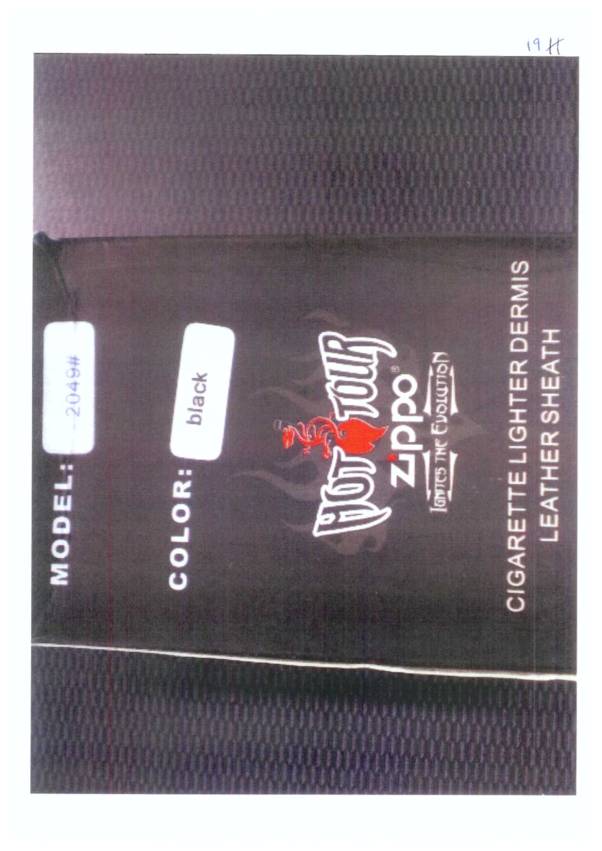
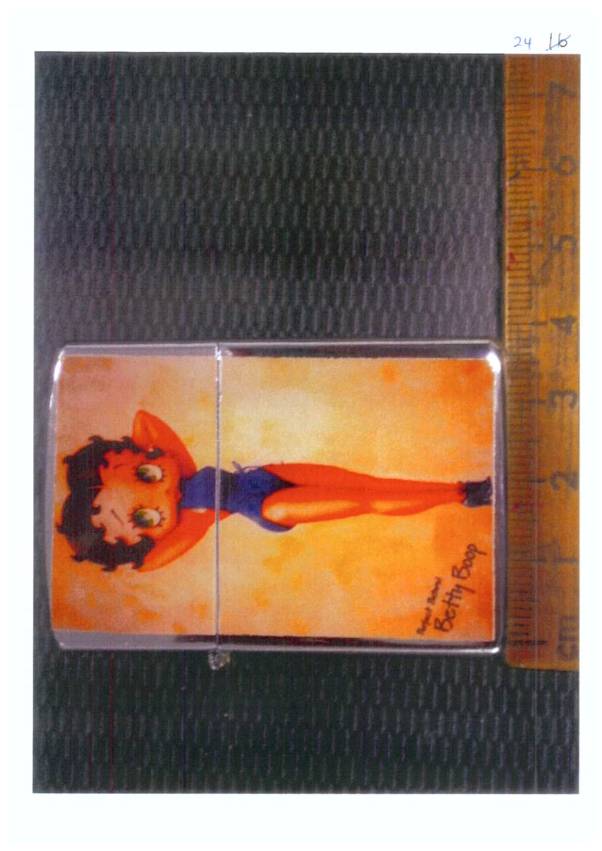
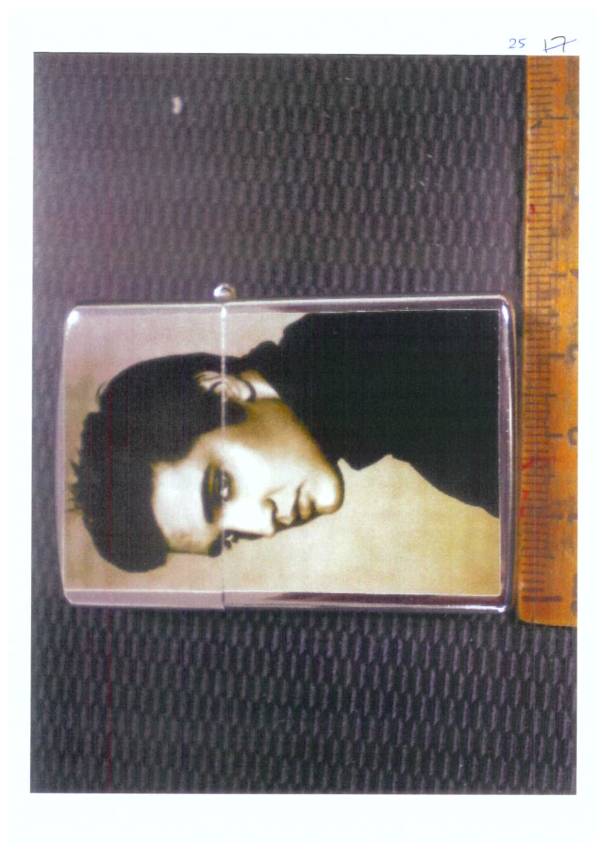
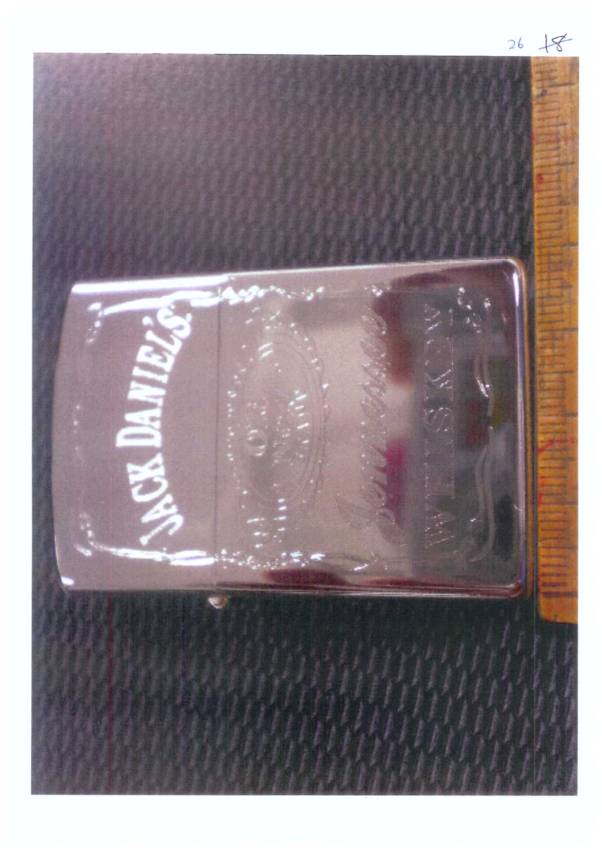
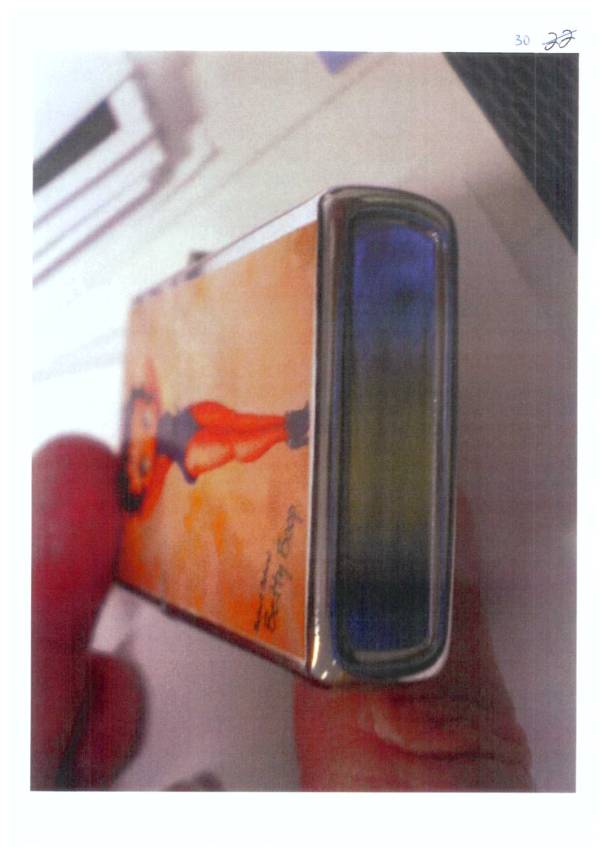
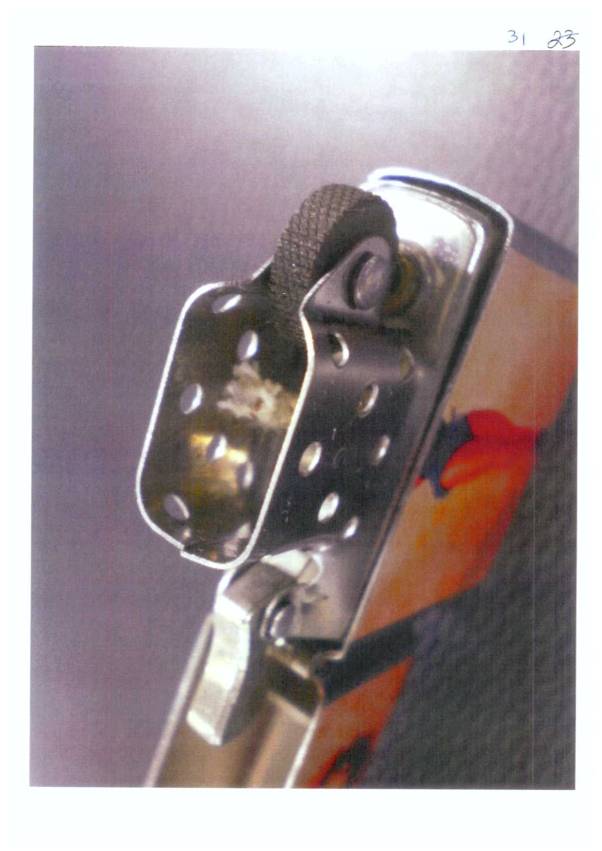
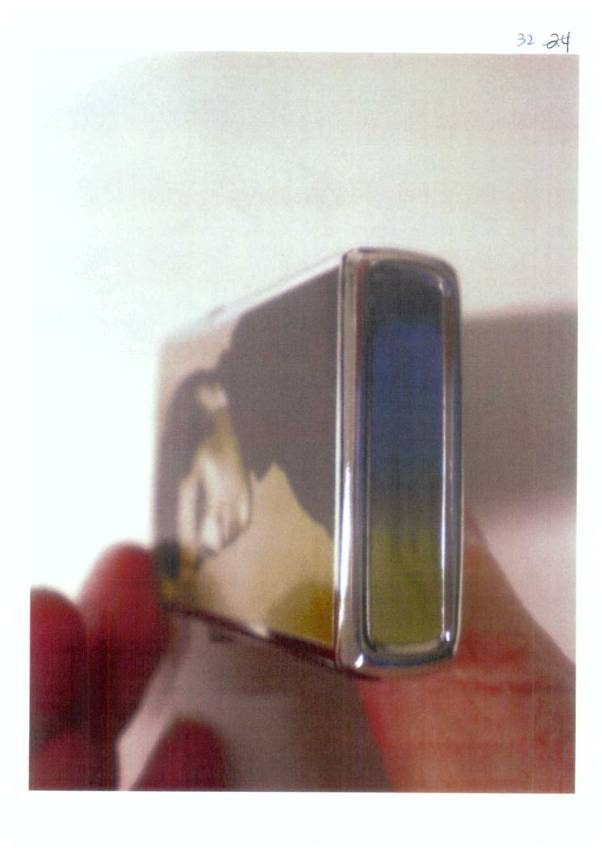
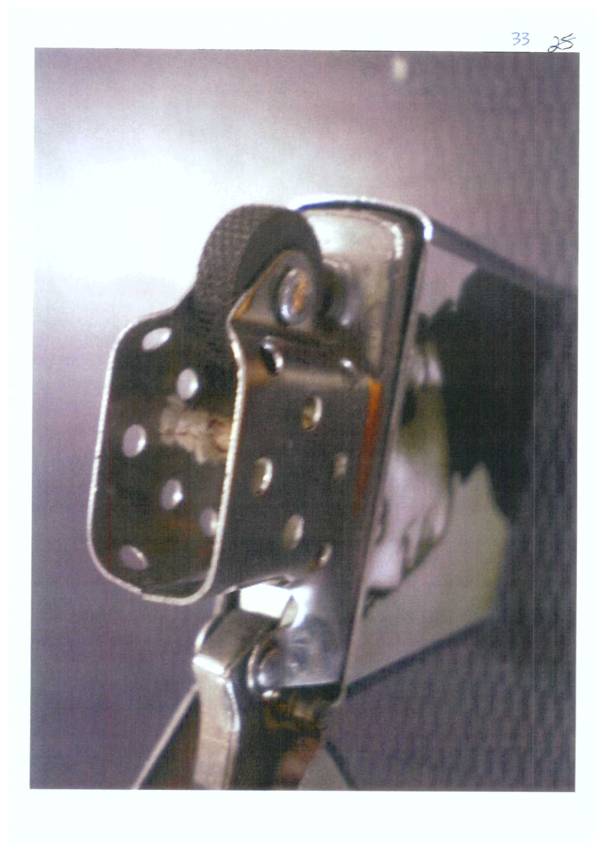
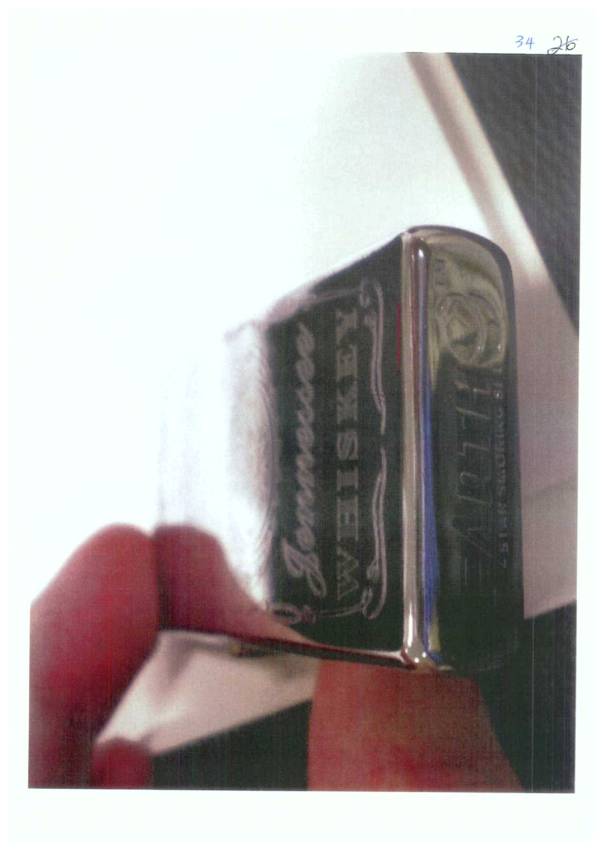
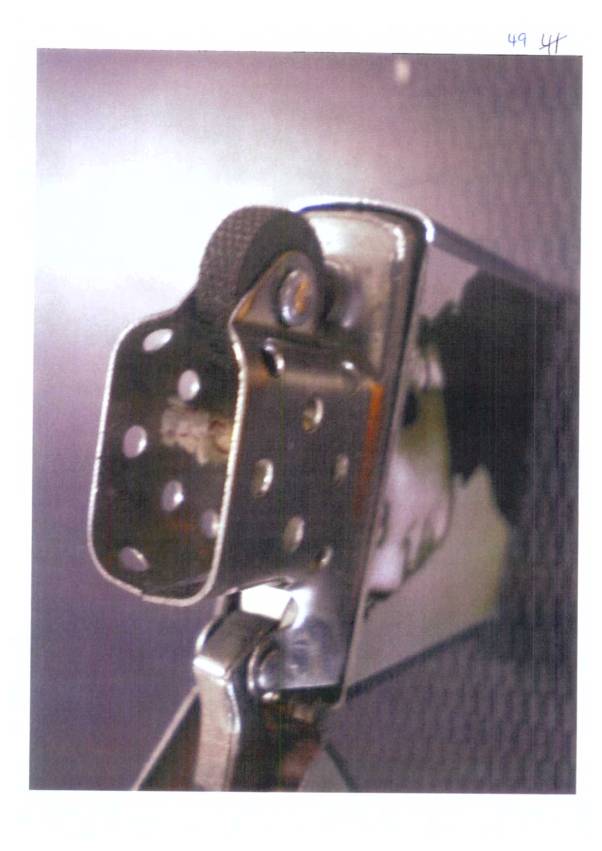
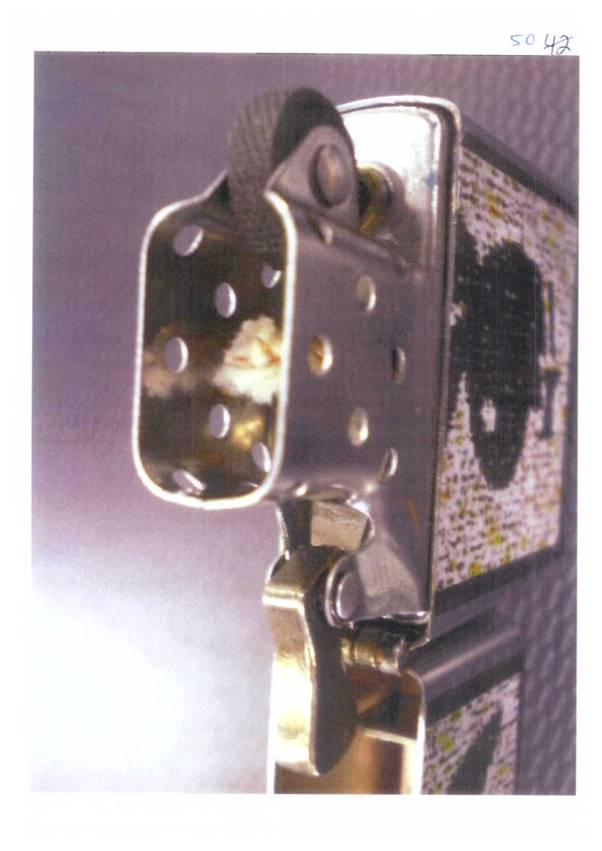
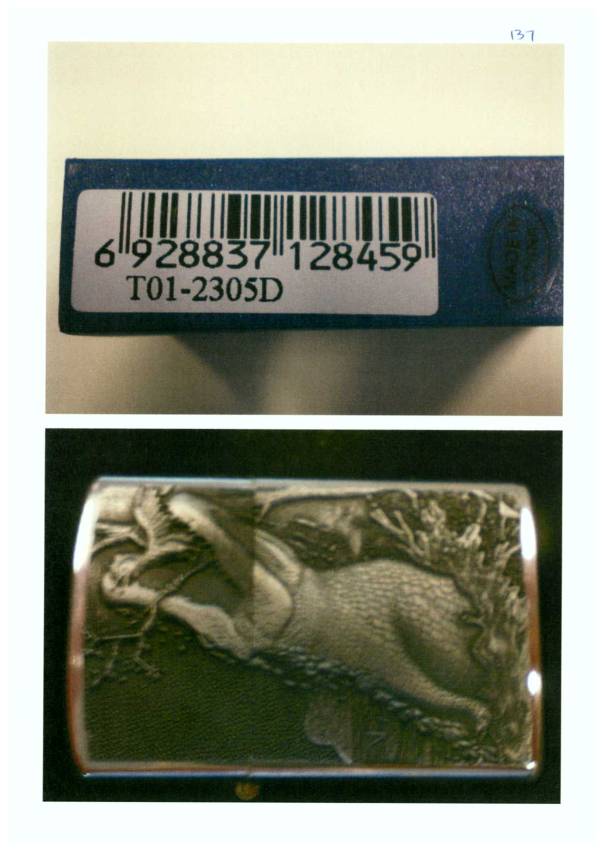
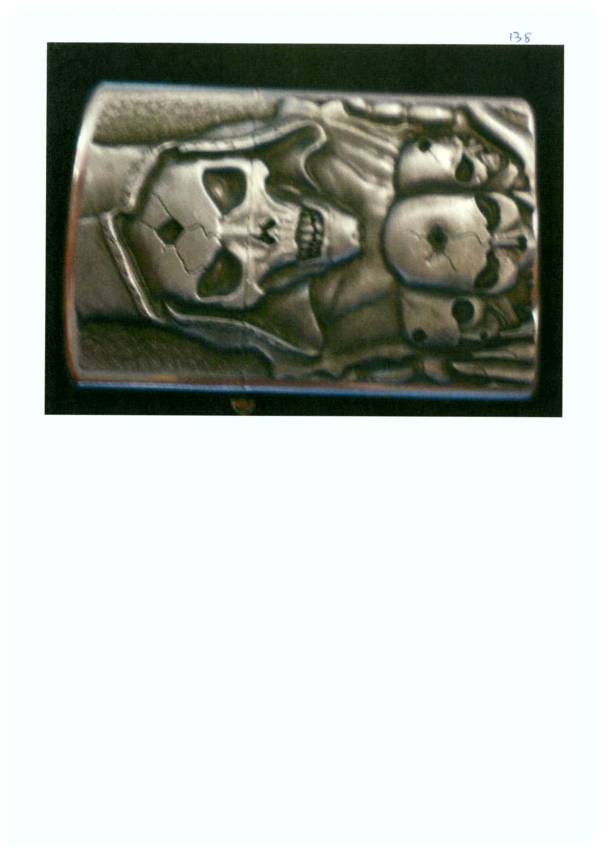
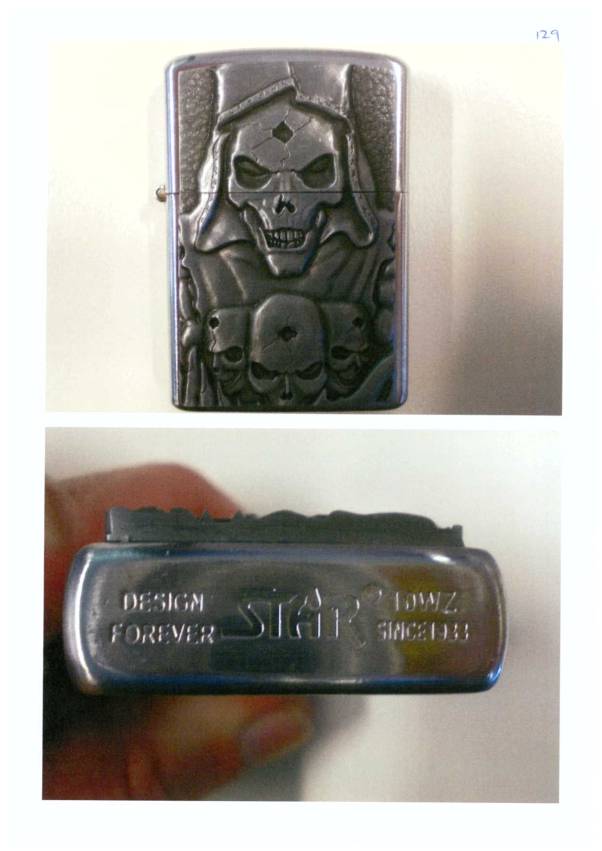
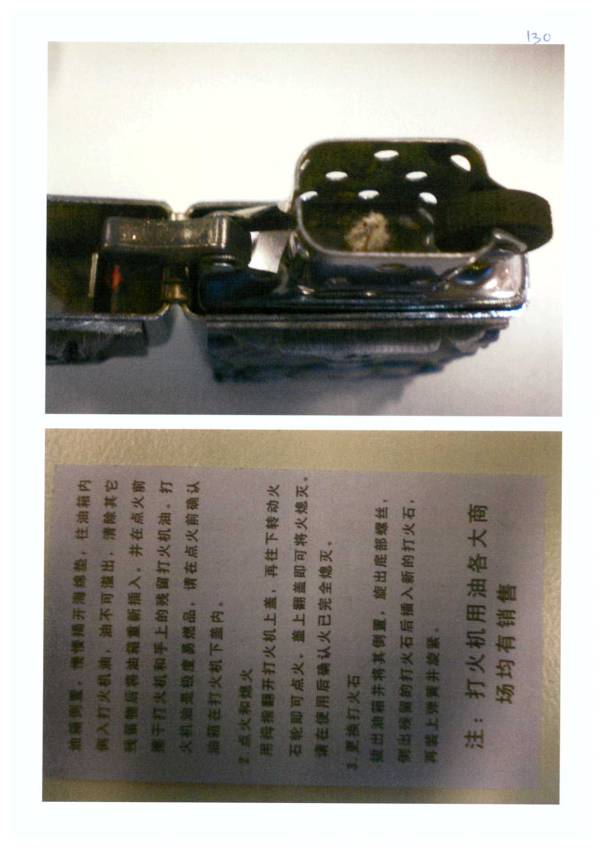
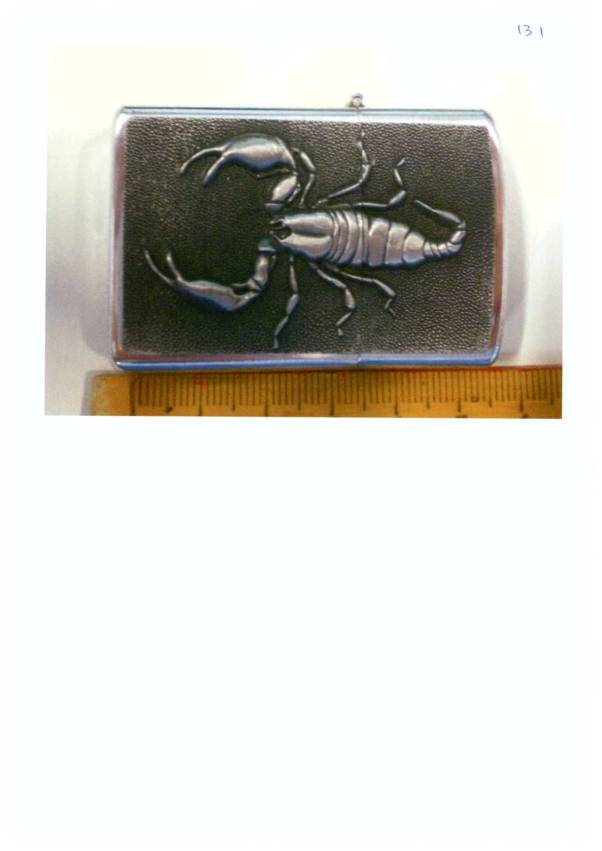
10 In determining whether the Second Shipment of Seized Goods breached that clause, it is necessary to consider the shape of the lighters in that shipment. Photographs of the Second Shipment of Seized Goods are set out in Annexure A to these reasons for decision.
11 In QS Holdings Sarl v Paul’s Retail Pty Ltd [2011] FCA 853 at [17]ff, Kenny J usefully summarised the legal principles regarding trademark infringement as follows:
[17] … [Section] 120(1) of the Trade Marks Act 1995 (Cth) (“TMA”), … provides:
A person infringes a registered trade mark if the person uses as a trade mark a sign that is substantially identical with, or deceptively similar to, the trade mark in relation to goods or services in respect of which the trade mark is registered.
[18] In considering whether marks are substantially identical, they are compared side by side, with their similarities and differences being noted and assessed, “having regard to the essential features of the registered mark and the total impression of resemblance or dissimilarity that emerges from the comparison”: see The Shell Co of Australia Ltd v Esso Standard Oil (Australia) Ltd 109 CLR 407 (“Shell Co”) at 414.
[19] The question of deceptive similarity requires a different comparison to be made. There is no side by side comparison. Section 10 of the TMA states:
For the purposes of this Act, a trade mark is taken to be deceptively similar to another trade mark if it so nearly resembles that other trade mark that it is likely to deceive or cause confusion.
In considering deceptive similarity, the comparison is between the impression based on the recollection of the applicant’s mark that “persons of ordinary intelligence and memory would have” and the impression that such a person would have from the defendant’s alleged use: see Shell Co. at 415; Australian Woollen Mills Ltd v FS Walton & Co Ltd (1937) 58 CLR 641 at 658; Southern Cross Refrigerating Co v Toowoomba Foundry Pty Ltd (1954) 91 CLR 592 at 594-5; Registrar of Trade Marks v Woolworths Ltd (1999) 45 IPR 411 at 428 [50]; and Food Channel Network Pty Ltd v Television Food Network GP (2010) 86 IPR 437 at 460-463. It is sufficient if persons who only know one of the marks and have perhaps an imperfect recollection of it are likely to be deceived: Aristoc Ltd v Rysta Ltd [1945] AC 68 at 86-87. Whilst it is necessary to show a tangible danger of deception or confusion, it is enough if an ordinary person entertains a reasonable doubt. See Crazy Ron’s Communications Pty Ltd v Mobileworld Communications Pty Ltd (2004) 209 ALR 1 at 17-19 [73]- [79].
[20] Members of the public are more likely to recall the general impression created by the mark. To quote Lord Radcliffe in de Cordova v Vick Chemical Co (1951) 68 RPC 103 at 106, “in most persons the eye is not a accurate recorder of visual detail, and ... marks are remembered rather by general impressions or by some significant detail than by any photographic recollection of the whole”. If the impugned mark incorporates the idea or the essential features of the registered trade mark, it may infringe that registered trade mark. See Jafferjee v Scarlett (1937) 57 CLR 115 at 121-122; Sports Café Ltd v Registrar of Trade Marks (1999) 42 IPR 552 at 559; and Saville Perfumery Ltd v June Perfect Ltd (1939) 58 RPC 147 at 174.
12 In my view, the Second Shipment of Seized Goods are the same (or are deceptively similar) to the Registered Zippo Shape Trade Mark: see [1(3)] above. I accept Zippo’s evidence that when sold, the goods would be displayed to show the shape of the lighter acting as a badge of origin. In other words, “the shape of the cigarette lighter would be seen by the customer prior to them purchasing the product and that they would appreciate and be encouraged to purchase because of the shape”: see Bodum v DKSH Australia Pty Ltd [2011] FCAFC 98. Moreover, I accept Zippo’s submission that importation of a product containing an infringing shape is a trade mark infringement even if the product has not yet been presented in the course of trade: see Playboy Enterprises International Inc. v You Tao Hong (2004) 63 IPR 533 at [44].
13 For those reasons, I accept that the importation of the Second Shipment of Seized Goods constituted an infringement of the Registered Zippo Shape Trade Mark.
14 As a result, the Second Shipment of Seized Goods contravened cl 1.1 and, in particular, cl 1.1(c) of the Deed of Settlement: see [9] above.
15 It is then necessary to turn to cl 4.1 of the Deed of Settlement. It provides:
Subject to Jaxlawn complying with its obligations in paragraph 1 of this [D]eed, Zippo releases it from all claims, actions, suites, demands, causes of action, damages, costs and expenses the subject of or in any way arising out of or in connection with the subject matter of these proceedings which are presently known to Zippo. In the event that Jaxlawn breaches any term of this Deed, Zippo retains the right to commence or reinstate proceedings against Jaxlawn in relation to the issues raised, directly or indirectly, in or by the Proceedings or this Deed.
16 Moreover, the Undertakings were in the same terms as the prohibition in the Deed of Settlement: see [4] above. Therefore, the importation of the Second Shipment of Goods also contravened the Undertakings.
17 For those reasons, it appropriate that the proceedings be reinstated.
Paragraph 2 of the Proposed Orders: summary judgment
18 Zippo sought summary judgment pursuant to r 26.01 of the Federal Court Rules 2011 (the Rules) in respect of the allegations of trade mark infringement raised in the substantive proceeding.
19 Rule 26.01 relevantly provides:
(1) A party may apply to the Court for an order that judgment be given against another party because:
…
(e) the respondent has no reasonable prospect of successfully defending the proceeding or part of the proceeding.
(2) The application must be accompanied by an affidavit stating:
(a) the grounds of the application; and
(b) the facts and circumstances relied on to support those grounds.
(3) The application and the accompanying affidavit must be served on the party against whom the order is sought at least 14 days before the hearing of the application.
…
20 Rule 26.01 replaced O 20 rr 1-6 of the former Federal Court Rules. The phrase “no reasonable prospect of successfully defending the proceeding or part of the proceeding”, and when summary judgment is available, was recently considered by Kenny J (in the context of s 31A of the Federal Court of Australia Act 1976 (Cth)) in QS Holdings Sarl at [14]ff. I accept that the statutory language in s 31A(3) is absent in r 26.01. However, the provisions otherwise contain identical tests. However, it is the language of the Rules that must be addressed. Therefore, in the present case, the Court is required to assess whether Jaxlawn has any reasonable prospect of defending the infringement claims brought by Zippo in the substantive proceeding. It is to that issue I now turn.
21 It is necessary to identify the claims the subject of the summary judgment application. Zippo initially sought to rely upon the First Shipment of Seized Goods and the Second Shipment of Seized Goods. During the course of argument, Zippo abandoned its application for summary judgment in respect of the Second Shipment of Seized Goods. In my view, it is inappropriate to consider a summary judgment application in respect of the Second Shipment of Seized Goods. It is not the subject of the statement of claim in the reinstated proceedings.
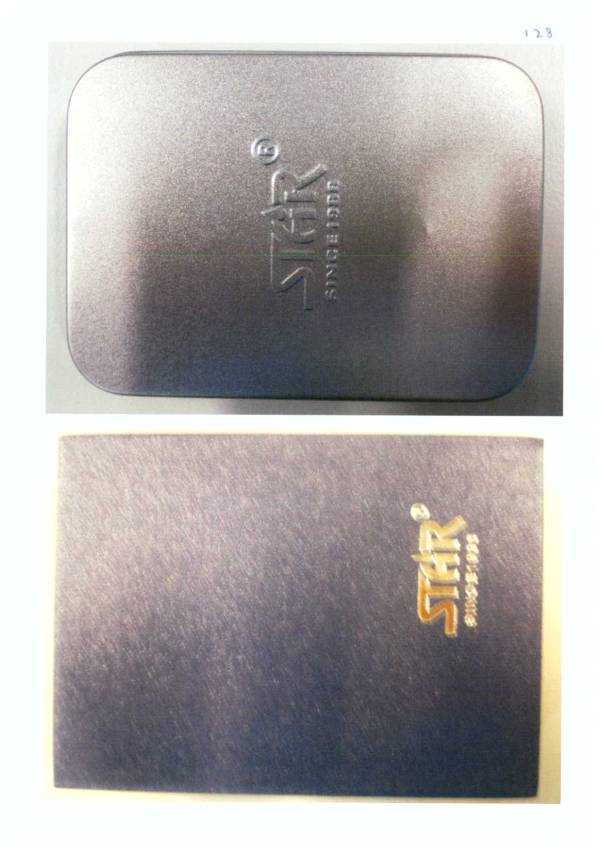
22 Zippo submitted that the conduct of Jaxlawn infringed s 120(1) of the Trade Marks Act. The question was whether the Imported Goods infringed Zippo’s trade marks listed in [1] above. The applicable legal principles have already been stated: see [11] above. Photographs of the First Shipment of Seized Goods are set out in Annexure B to these reasons for decision.
23 Zippo is entitled to the relief it seeks on at least two bases. First, cl 2 of the Deed of Settlement provided that:
Jaxlawn acknowledges and agrees that any failure to comply with the obligations in paragraphs 1.1, 1.2, 1.3, 1.4, 1.5 above or 3.1 below will entitle Zippo to apply to the Court for summary judgment in respect of all matters raised in the Proceedings, and an order for indemnity costs of applying for such summary judgment. Jaxlawn agrees that in these circumstances Zippo may produce this Deed as evidence of Jaxlawn’s consent to such judgment.
24 A number of matters should be noted at the outset. Jaxlawn has failed to comply with cl 1.1 of the Deed of Settlement: see [9] and [14] above. Second, the Deed of Settlement has been produced in evidence. Third, Jaxlawn has been served and does not intend to defend the interlocutory application: see [7] above. For those reasons alone, I would grant Zippo the relief that it seeks.
25 Second, even in the absence of cl 2 of the Deed of Settlement, in my view Zippo has established by admissible evidence that Jaxlawn has, by its importation of the Imported Goods, engaged in conduct that infringed each of the Registered Zippo Word Trade Marks, the Registered Zippo Logo Trade Mark and the Registered Zippo Shape Trade Mark listed in [1] above: cf Playboy Enterprises Inc at [44]. That evidence includes, but is not limited to, the evidence that Zippo owns each of the marks, the photographs of the Imported Goods and the admissions in the Deed of Settlement.
26 For those reasons, I consider that Jaxlawn has no reasonable prospect of successfully defending the proceeding and judgment should be entered against Jaxlawn pursuant to r 26.01 of the Rules.
Paragraphs 3 and 4 of the Proposed Orders: declaratory and injunctive relief
27 These orders sought were those in paragraphs 1 and 2 of the Application filed on 21 July 2010. However, on the hearing of this application, Zippo limited its application to a contravention of the Trade Marks Act.
28 The declaratory relief now sought by Zippo is appropriate and founded on evidence produced by Zippo: see Chanel Limited v Donoghue [2008] FCA 1643 and QS Holdings Sarl v Paul’s Retail Pty Ltd (No 2) [2011] FCA 1038. The declarations are also necessary. They provide a foundation for the later inquiry into damages and are intended to guard against future infringements, especially where, as here, there is a proven threat of further infringing conduct.
Paragraphs 5 and 6 of the Proposed Orders: affidavit disclosing previous importations & inquiry into damages
29 This order is in aide of any later inquiry into damages. Zippo can recover damages on the infringements proved in this proceeding. It is not limited to infringements proved at the liability stage: see Nokia Corporation v Liu (2009) 179 FCR 422. I accept that these orders should be made, however I would limit the disclosure period to four years.
Paragraph 7 of the Proposed Orders: delivery of goods to Zippos’ solicitors
30 Zippo seeks an order that the Second Shipment of Seized Goods be released to its solicitors for use in any further proceedings. I agree that such an order should be made so that the goods are retained as evidence.
Paragraph 8 of the Proposed Orders: indemnity costs
31 Zippo seeks indemnity costs. It sought to support its application for indemnity costs on two bases – cl 2 of the Deed of Settlement (see [23] above) and because Jaxlawn had contravened the Undertakings. I accept that Zippo should have its taxed costs of the Interlocutory Application and that those costs should be paid on an indemnity basis. However, I do not accept that such an order extends to the costs of the substantive proceeding. Jaxlawn should pay Zippo’s taxed party-party costs of the substantive proceeding.
I certify that the preceding thirty-one (31) numbered paragraphs are a true copy of the Reasons for Judgment herein of the Honourable Justice Gordon. |
Associate:
ANNEXURE A
ANNEXURE B